





Mid Century Life Study
A mid century life study captures the raw human form and domestic botanicals with honest draughtsmanship.
Mid Century Life Study
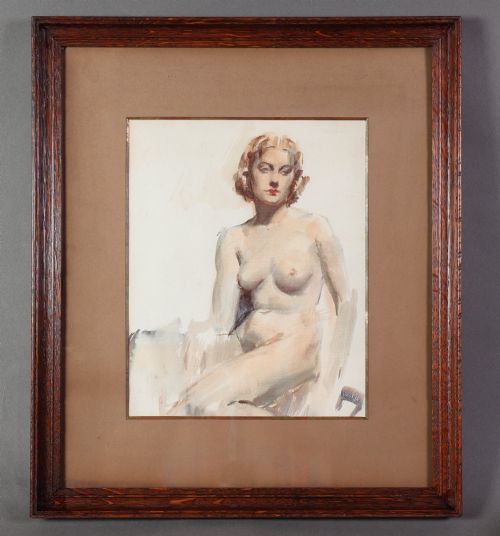
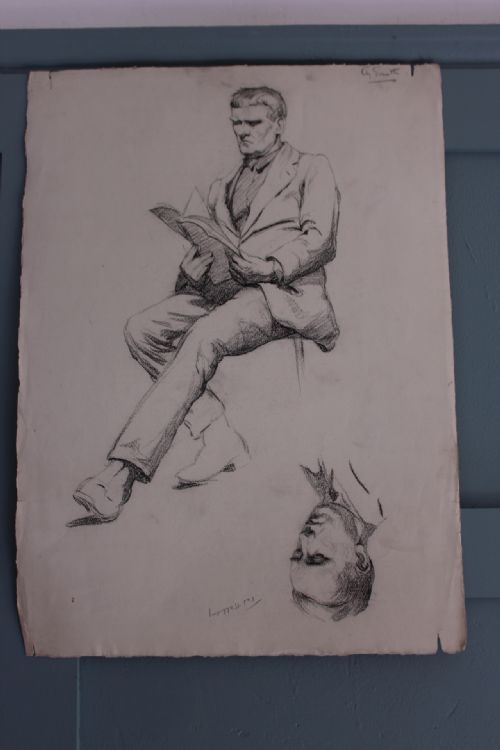
A mid century life study encompasses original figurative works and botanical arrangements produced across the decades of the twentieth century. Buyers seeking these pieces will encounter framed charcoal drawings, graphite sketches, and painted studies created by artists working within academic realism, modern British, and European traditions.
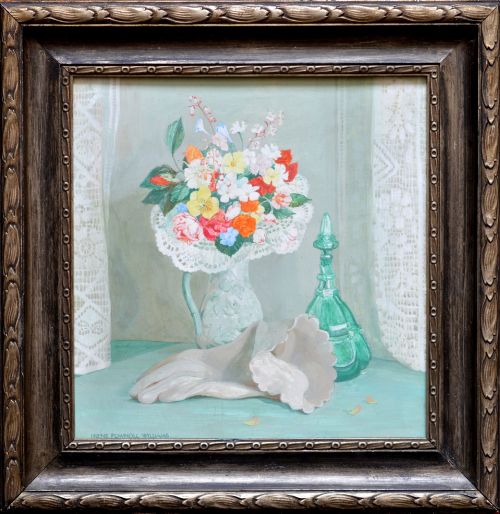
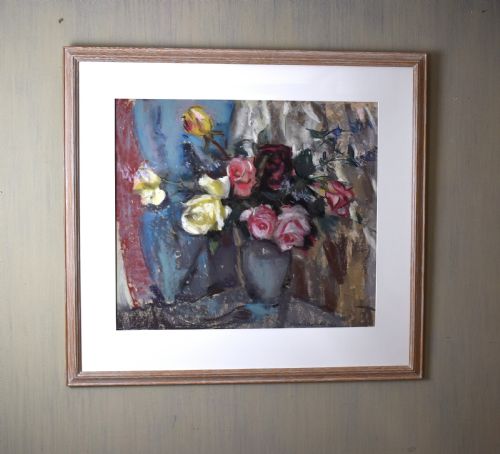
The selections span figures like standing male nudes, reclining female models, and detailed flower studies of chrysanthemums, roses, and fruit. Most examples originate from the middle decades of the twentieth century, alongside earlier academic pieces from the nineteenth century and 1930s compositions.
Materials and construction methods
Artists executed these works using traditional mediums applied to various solid supports. Common surfaces include canvas, wood panel, heavy paper, board, and glass, whilst the image layers rely on oil paint, watercolour, gouache, graphite, pastel, tempera, and charcoal.
Many works remain framed behind glass or within decorative gilt surrounds, preserving the delicate pastel pigments, chalk marks, and impasto oil applications typical of studio practice from this period.
Several botanical studies lovingly record humble garden produce, including cockscomb flowers and pansies immortalised in paint.
Factors that define superior examples
Quality in a life study rests upon the confidence of the line and the precision of proportion. Stronger examples demonstrate an assured handling of anatomy or botanical form, where the artist captures the weight and posture of a model or the structure of a flower with economy and vigour.
The choice of medium and surface integration also separates standard works from exceptional ones. Pieces that display layered impasto, harmonious palettes, and well-preserved paper or canvas condition command greater visual presence.
Irene Christobelle Pownoll Williams·Sir Matthew Smith·Peter Jackson·Phyllis I Hibbert·Lena M Alexander·Ted Halliday·Frank Dobson·L E Hole·Peter Colville Horridge Gardner
The Mid Century Life Study Glossary
- Life study
- A drawing, painting, or sketch of a human model observed directly from life. These works form the cornerstone of academic training and studio practice.
- Academic realism
- An artistic style stemming from the European academies that prioritises accurate anatomical proportions and faithful representation of the subject. It values traditional technique over abstraction.
- Impasto
- Paint applied thickly to a canvas or board, leaving visible brush or palette knife marks that stand proud of the surface. This technique adds tactile depth and texture to floral and figurative compositions.
- Tempera
- A permanent, fast-drying painting medium consisting of coloured pigments mixed with a water-binder agent, often egg yolk. It produces a matte finish well suited to detailed panel painting.
Mid Century Life Study: Frequently Asked Questions
What is a mid century life study?
A mid century life study is an original artwork depicting the human figure or a still life arrangement, created during the middle decades of the twentieth century.
These pieces record studio observation, capturing the likeness of models and botanicals through drawing and painting.
How were these studies used?
Artists produced these works primarily as training exercises, preparatory pieces for larger compositions, or finished studies for exhibition.
Pronounced draughtsmanship and direct observation allowed painters and sculptors to hone their understanding of form and light.
How should I hang a drawing?
Paper works executed in pastel, charcoal, or graphite require careful placement away from direct sunlight to prevent fading of the pigments.
Framing behind glass with acid-free mounts protects the delicate media from humidity and environmental damage.
How do I date a piece?
Dating relies on stylistic markers, framing conventions, artist signatures, and the type of paper or board support used.
Mid-century works often reflect modernist influences or traditional academic training methods characteristic of the 1930s through to the 1960s.