

Mirrored Wall Sconce
A mirrored wall sconce catches the flickering candlelight and multiplies it, bringing both warmth and reflected light to a dark corner.
Mirrored Wall Sconce
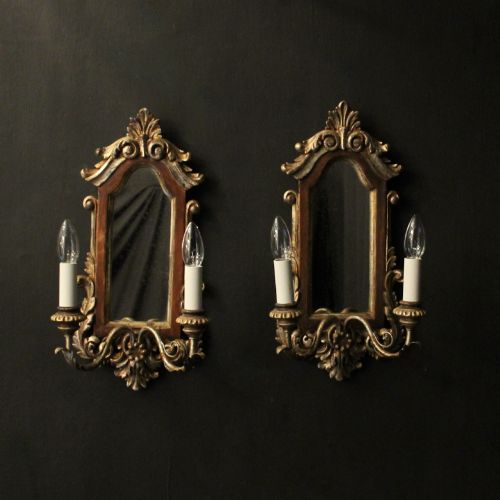
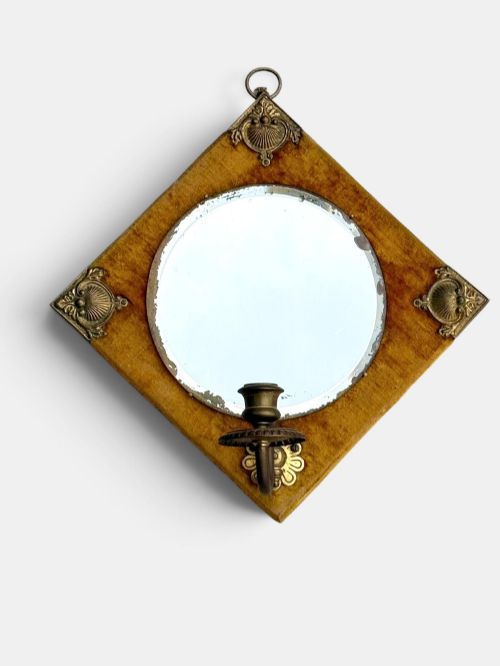
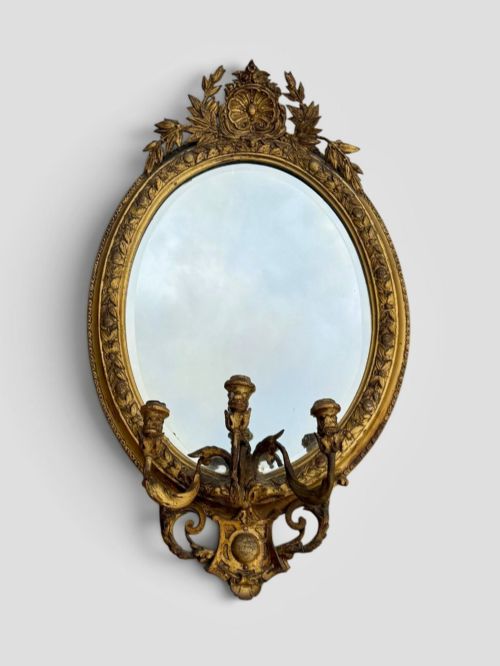
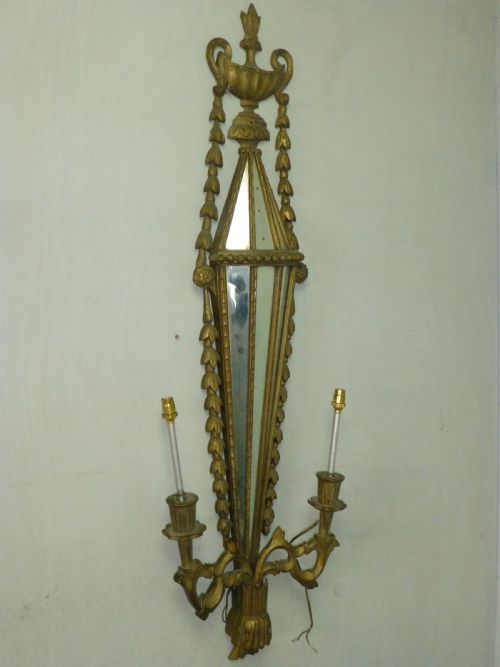
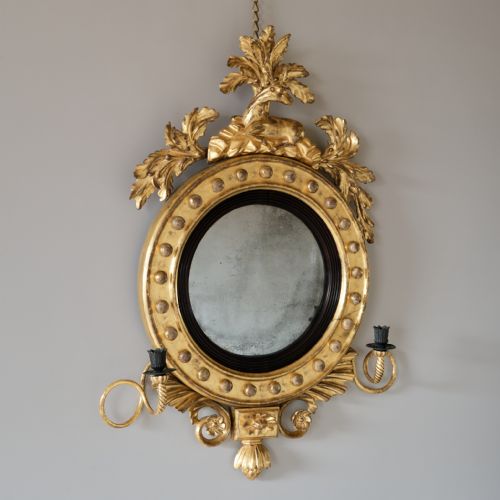
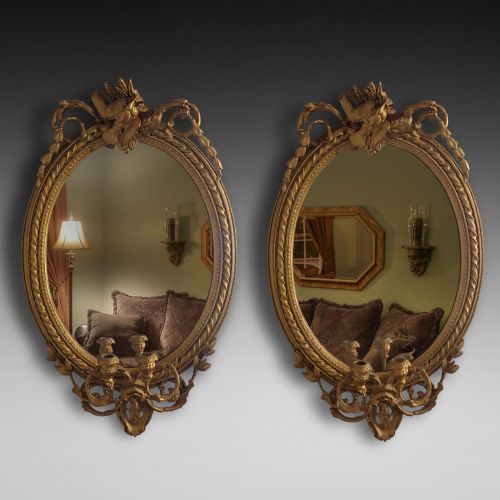
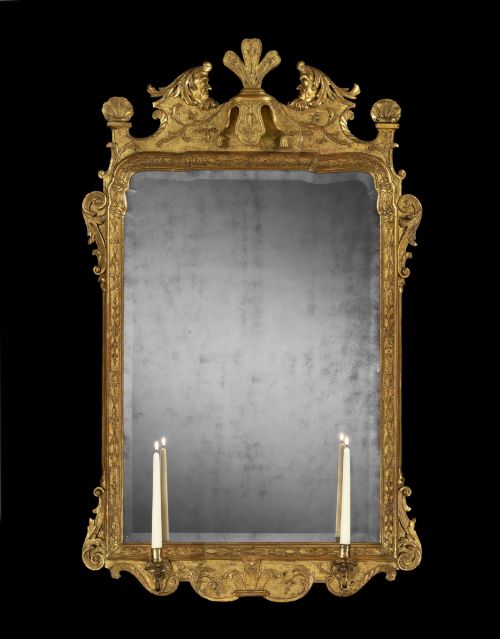
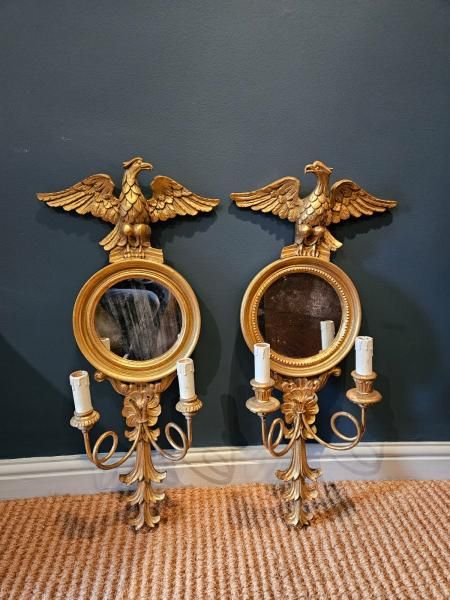
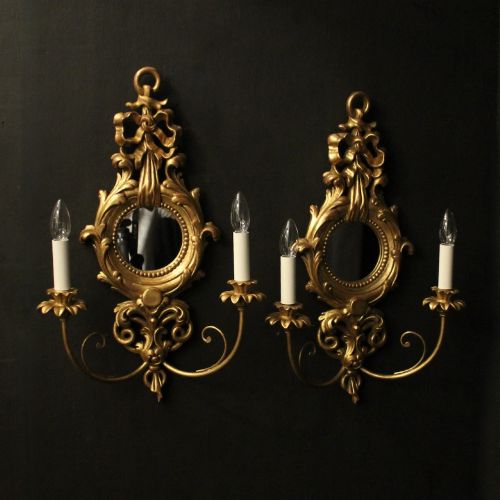
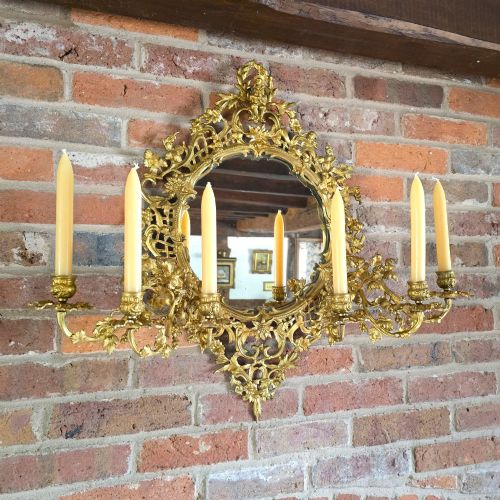
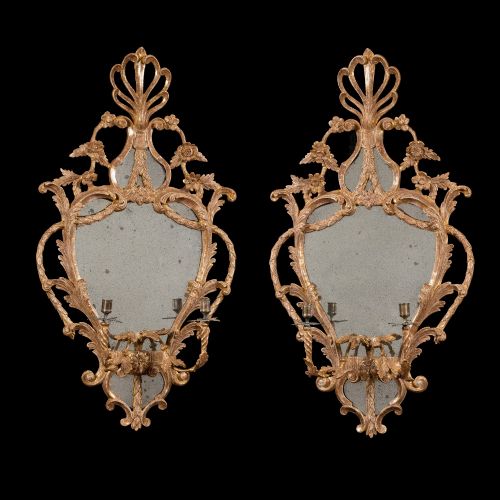
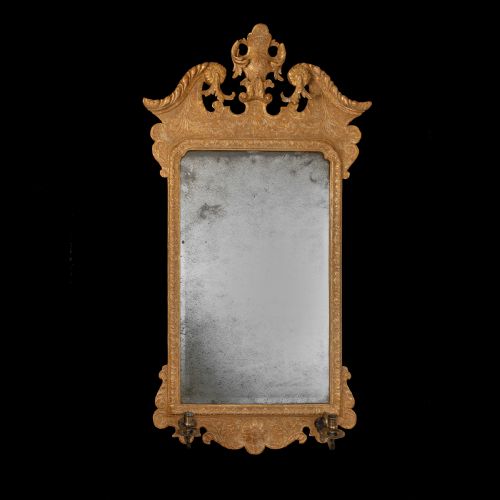
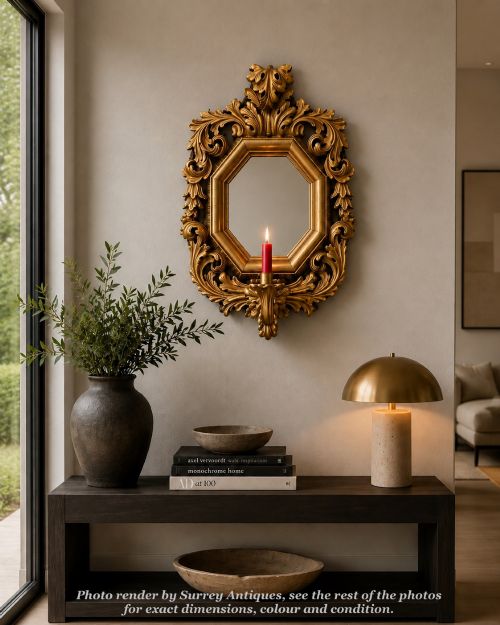
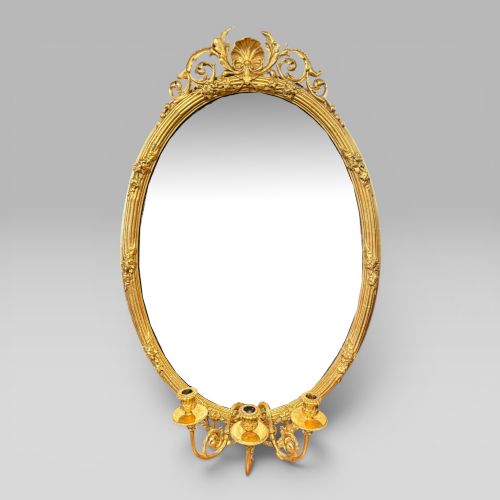
A mirrored wall sconce combines a reflective glass plate with candle arms or brackets, designed to hang upon a wall and illuminate a room through doubled light. When searching this phrase, a buyer encounters pieces ranging from small brass domestic brackets to large giltwood girandoles carved in ornate revival styles.
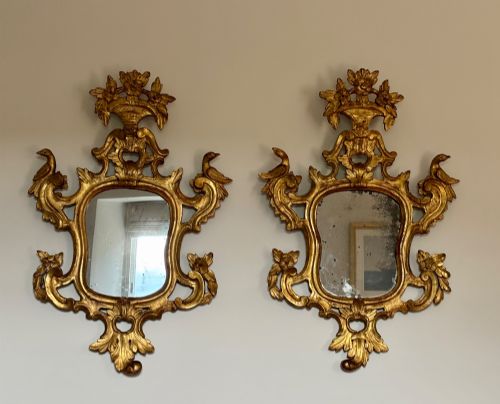
The selections span centuries of craftsmanship, featuring Georgian and Regency forms alongside Victorian interpretations of French Rococo. Many surviving examples emerge as pairs, originally intended to flank a fireplace, painting or pier glass.
The materials and origins vary widely, touching upon English workshops, French ateliers and Italian provinces. Formats alternate between simple brass mounts with bevelled glass and elaborate giltwood frames supporting multiple candle branches.
How they were made
Carved timber frames rely upon softwoods like pine, layered with gesso to create a smooth surface for gilding with fine gold leaf. Artisans sculpted intricate scrolls, floral motifs and cartouches by hand before applying the metallic finish.
Foundry work accounts for the metal examples, utilising brass, bronze or ormolu cast in sections and chased with detail. Candle arms attach securely to the main backplate to support the weight of burning tapers.
Mirror plates of the earlier centuries feature hand-silvering and sometimes foxing, set directly into the rebate of the frame. Later production introduces bevelled edges and secure original backing fittings.
Some antique pairs show charming asymmetry where the left and right carvings differ slightly, revealing the hand of the individual carver.
What varies in quality
The crispness of the carving defines the upper tier of wooden pieces, where undercut foliage and deep relief show the hand of a skilled sculptor. Softer, blunt gesso work indicates mass production or heavy restoration that obscures the original profile.
Originality of the mirror plate and the gilding dictates historical integrity. Retaining the early or original mercury glass alongside uncleaned, genuine gold leaf elevates an example far above one stripped and re-gilt in modern paint.
Proportion and structural balance separate superior pieces from simpler utilitarian items. A well-designed girandole integrates the candle branches harmoniously with the mirror frame, ensuring the sconce reads as a unified piece of furniture rather than an assemblage of parts.
Benjamin Goodison·Cottier & Co.
The Mirrored Wall Sconce Glossary
- Girandole
- A branched wall light featuring a mirror backplate designed to reflect candle flames. They often incorporate elaborate carved frames and multiple candle arms.
- Gesso
- A plaster mixture applied to wood frames to provide a smooth ground for gilding. Skilled carvers model fine details directly into this layer.
- Foxed
- Spotty discolouration or oxidation within the silvering of an antique mirror plate. This chemical ageing process creates charming dark speckles across the glass.
- Ormolu
- Gilded bronze, produced by applying a mercury and gold amalgam to cast bronze. The technique creates a rich metallic lustre seen on French decorative pieces.
- Cartouche
- An ornamental frame resembling a scroll or rolled-up piece of paper, frequently housing a central mirror plate in Rococo designs.
Mirrored Wall Sconce: Frequently Asked Questions
How do I hang a heavy mirrored sconce safely?
Heavy pieces require direct attachment to wall studs or the use of appropriate toggle bolts suited to the wall material. The weight of the timber frame and glass demands secure, load-bearing fixings.
Ensure the hanging wire or brackets on the reverse are structurally sound before mounting. Consulting a professional installer is wise for particularly large or ornate girandoles.
Can I burn real candles in antique sconces?
Using real candles is possible, but dripping wax can damage delicate antique gilding or old wood surfaces. Many modern owners prefer to use high-quality LED tapers to replicate the atmosphere safely.
If burning wax tapers, keep them trimmed and away from drafts to prevent uneven melting. Clean any stray wax gently without using harsh solvents on the antique finish.
How do I distinguish Regency from Victorian pieces?
Regency mirrors often favour clean classical lines, convex plates, ebonised reeded bezels and ball-stud frames. They reflect the early nineteenth-century fascination with ancient Roman and Greek aesthetics.
Victorian pieces lean towards revivalism, frequently adopting exuberant Rococo scrolls, heavier gesso work and asymmetrical cartouches. They tend to be more ornate and bolder in scale than their Regency predecessors.