
Vintage French Light
Vintage french light designs combine brass, crystal and gilt bronze to illuminate interiors with antique character.
Vintage French Light
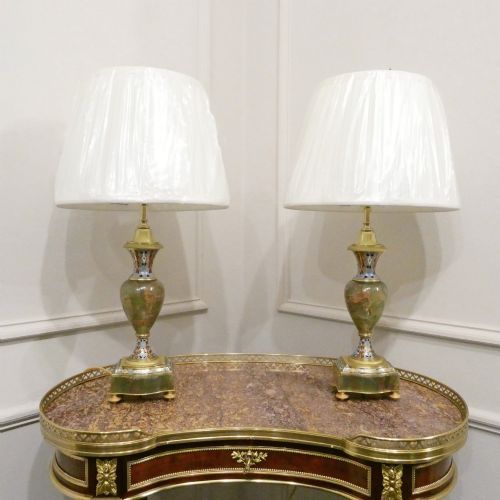
A vintage french light encompasses a range of domestic illumination from chandeliers to wall sconces. Buyers seeking these fixtures encounter metal frames ornamented with crystal drops, porcelain elements and carved detailing. The selection spans ceiling pendants, wall lights and table lamps originating from various historical periods.
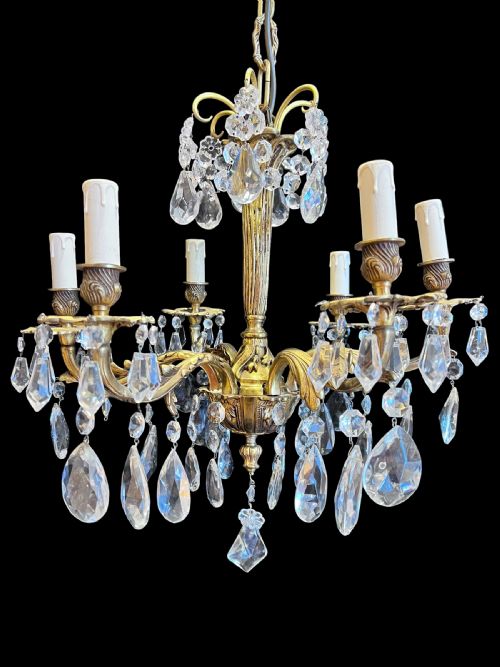
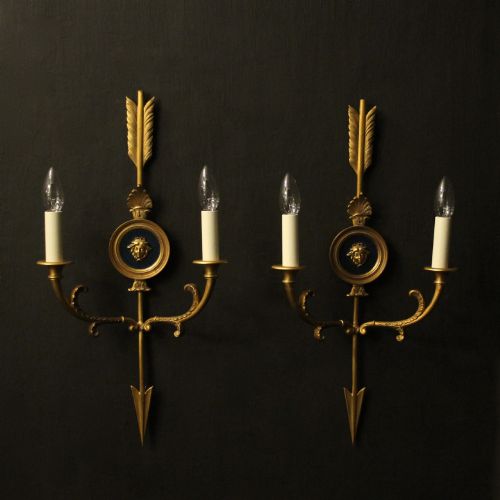
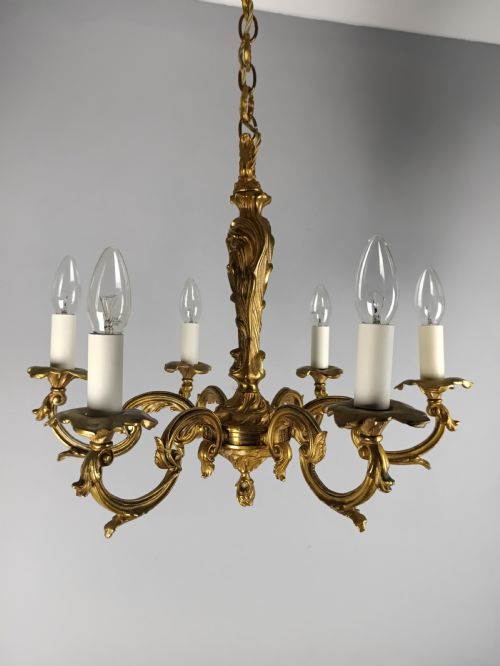
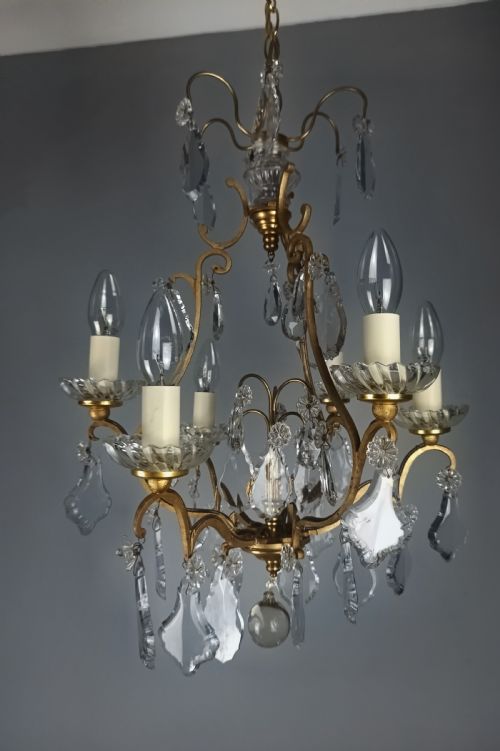
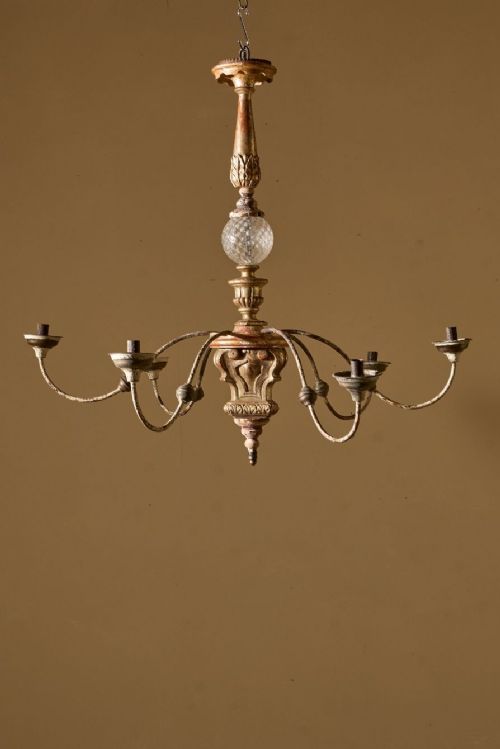
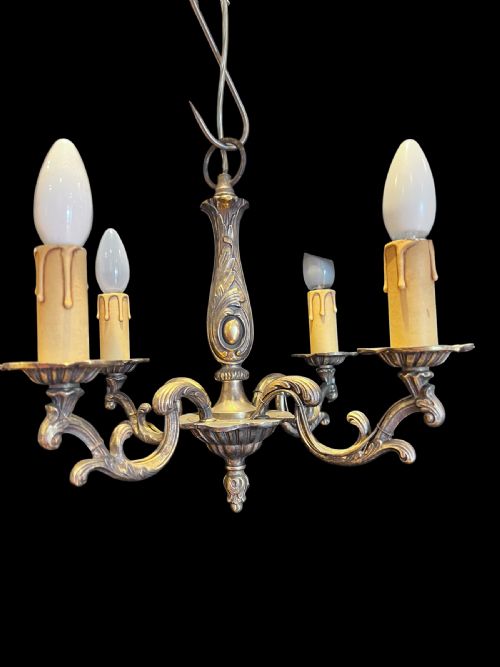
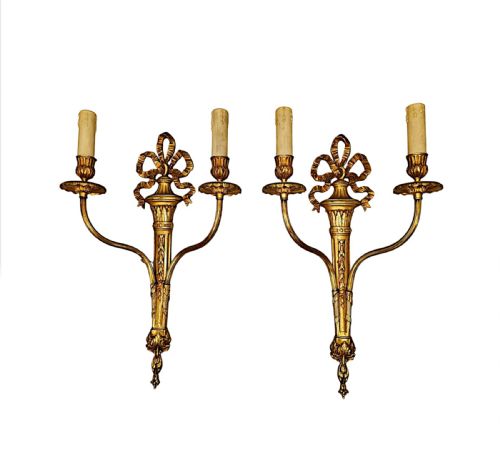
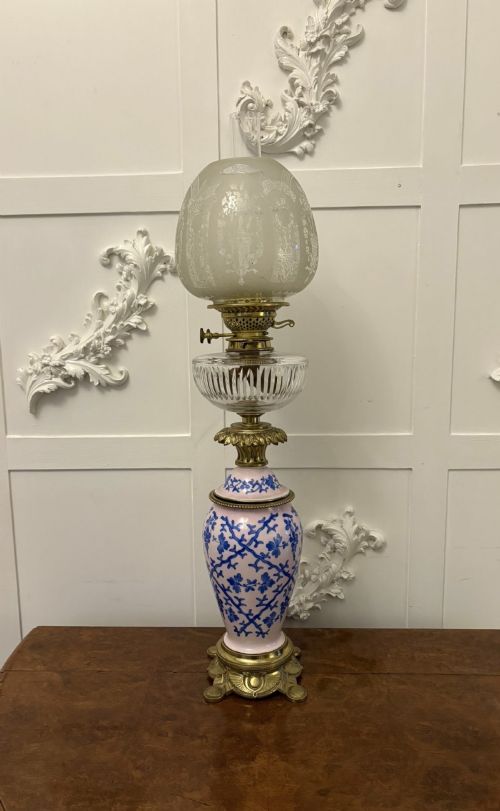
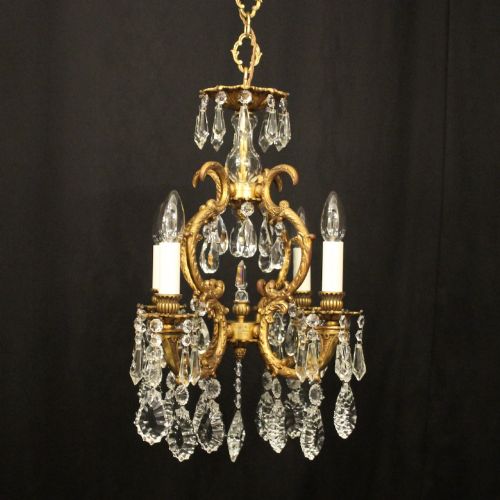
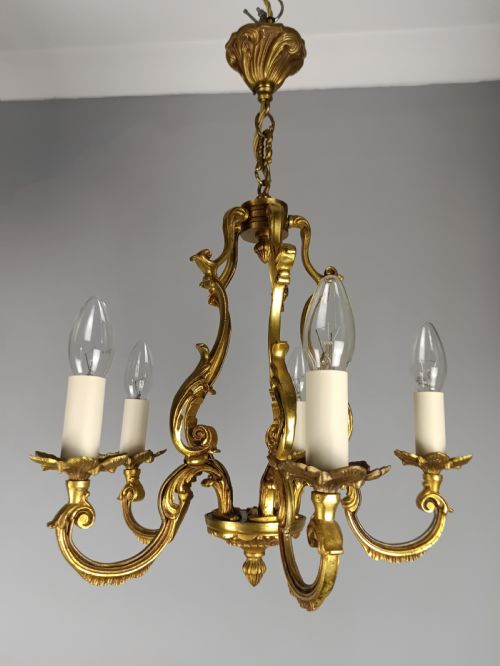
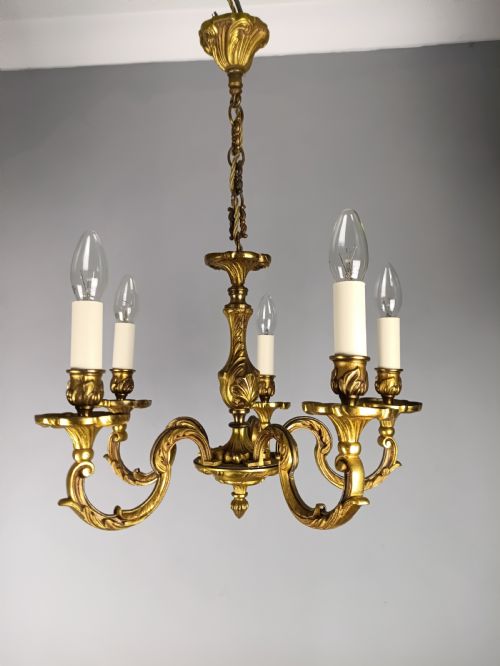
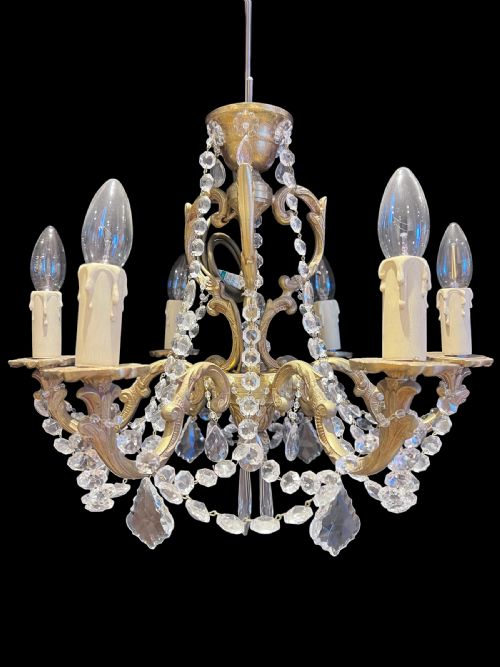
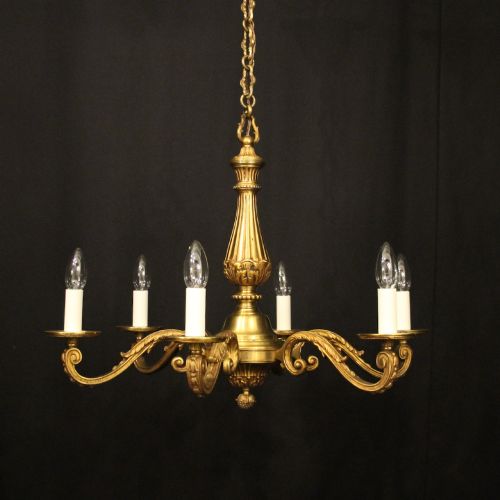
Chandeliers dominate the offerings, appearing in configurations from multi-arm gilt bronze designs to delicate birdcage and basket styles. Wall lights and twin-arm sconces also feature prominently alongside table lamps formed from onyx, brass and porcelain. These objects reflect decorative movements including French Rococo, Art Deco and Empire styles.
Materials and construction methods
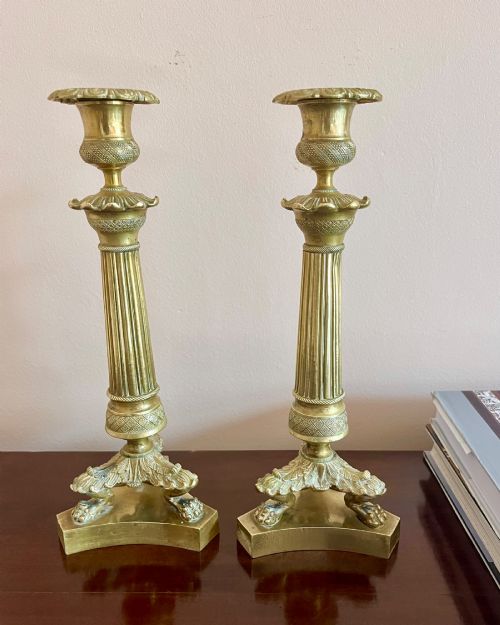
The fabrication relies heavily on metals such as brass, bronze, gilt bronze and copper, often cast and chased with intricate ornamentation. Giltwood and carved wood provide alternative structures for specific chandeliers and frames. Metal components frequently receive a gilded finish to enhance their visual weight.
Glass and crystal form a crucial component of many fixtures, appearing as faceted drops, beads, lustres and spike elements suspended from the metal frames. Porcelain flowers, opaque glass shades and onyx bases introduce varied textures and colours. These materials are assembled using mechanical joints, wiring adaptations and pinned crystal wiring.
Distinctions in manufacture and finish
Quality reveals itself in the depth of chasing upon bronze and brass castings, where crisp detail separates superior work from softer production. The weight and clarity of the crystal elements, together with the richness of the gilding, dictate the visual impact of a chandelier or wall light. Hand-carved giltwood and precise mounting of porcelain components indicate higher atelier standards.
Structural integrity of the metal framework and the completeness of original crystal drops influence the desirability of each piece. Fixtures retaining matched sets of wall lights or balanced multi-arm chandeliers demonstrate coherent design execution. The harmony between metal armature and glass ornamentation distinguishes master production from simpler domestic items.
Maison Bagues
The Vintage French Light Glossary
- Chandelier
- A branched ornamental light fixture suspended from the ceiling. These pieces hold multiple candles or electric lamps across tiers of arms.
- Sconce
- A wall-mounted light fixture designed to hold candles or electric bulbs. They often feature backplates that reflect the illumination.
- Lustre
- A cut glass pendant or hanging prism suspended from a light fixture. They refract light to increase brilliance.
- Ormolu
- Gilded bronze used for decorative mounts and furniture ornamentation. The technique involves applying finely ground gold to a bronze base.
- Pricket
- A sharp metal spike on a candlestick or chandelier designed to hold a candle in place. This form appears on older ecclesiastical and domestic pieces.
Vintage French Light: Frequently Asked Questions
How do wall sconces differ from wall lights?
Wall sconces and wall lights both mount directly to vertical surfaces to provide ambient illumination. The terms often overlap in antique lighting terminology.
Sconces traditionally describe fixtures with backplates specifically designed to reflect candle or bulb light into a room.
Where were gilt bronze chandeliers used?
Gilt bronze chandeliers hung primarily in reception rooms, salons and dining spaces of substantial residences. Their reflective metal surfaces amplified the limited illumination available before electric lighting.
Today, buyers place these fixtures in hallways, living rooms and dining areas to introduce historical architectural character.
How do you identify an empire style light?
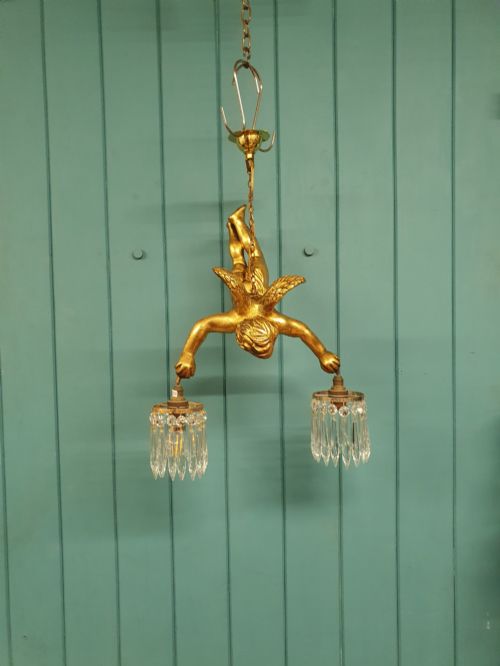
Empire style lighting incorporates classical motifs derived from ancient Rome and Greece, including laurel wreaths, lyres, cherubs and urns. The silhouette is often symmetrical and balanced with heavy use of brass and bronze.
This aesthetic reflects the Napoleonic period's fascination with classical antiquity, distinct from the asymmetrical curves of earlier Rococo designs.