
Mirrored Frame Wall Mirror
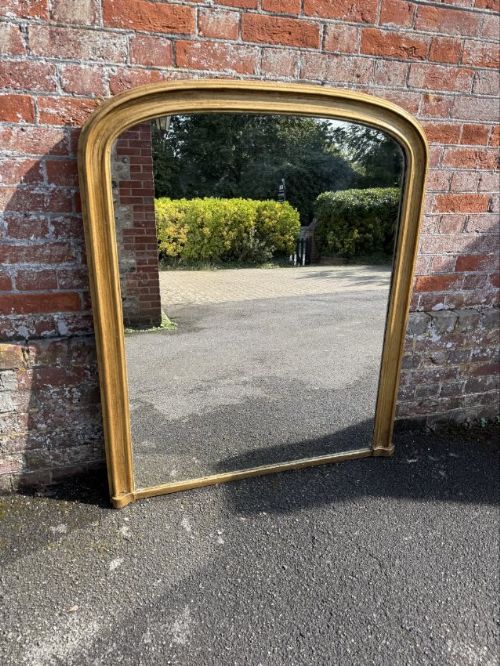
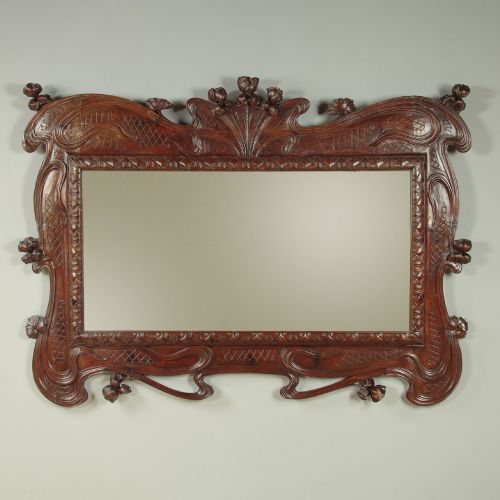
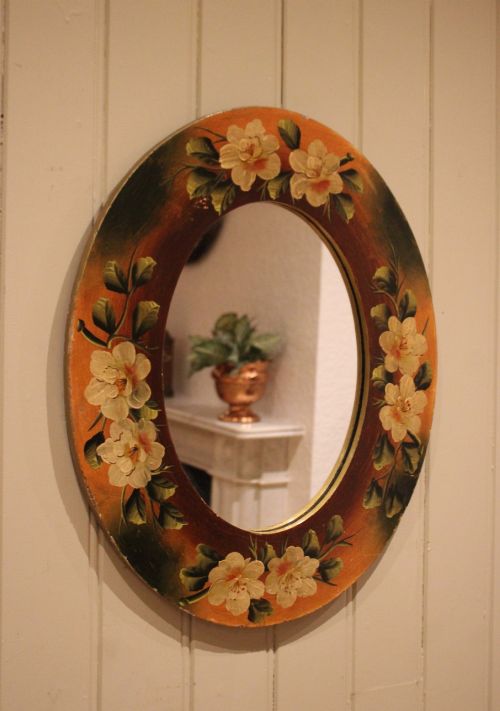
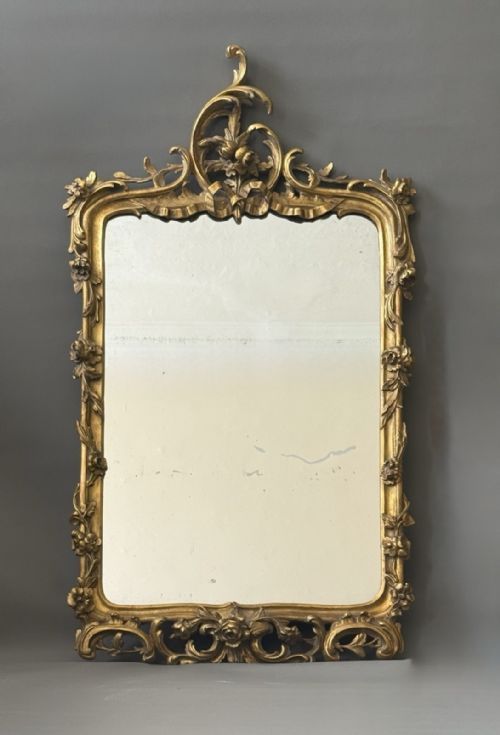
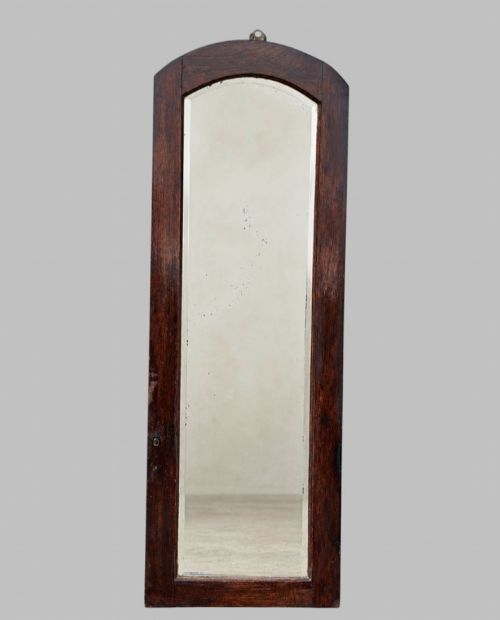
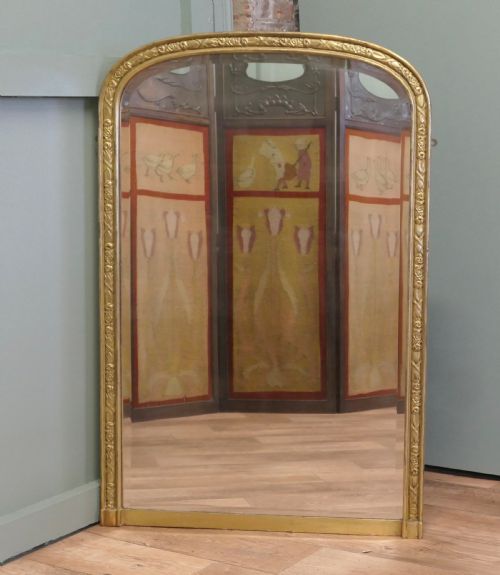
These mirrored frame wall mirror pieces bring depth and light to a room, ranging from grand overmantels to intimate French trumeaus.
Mirrored Frame Wall Mirror
A mirrored frame wall mirror serves both a functional purpose and an architectural role in domestic interiors across centuries. Buyers searching for a mirrored frame wall mirror encounter diverse forms, from substantial overmantels designed for fireplace placement to smaller pier glasses intended for narrow wall spaces between windows.
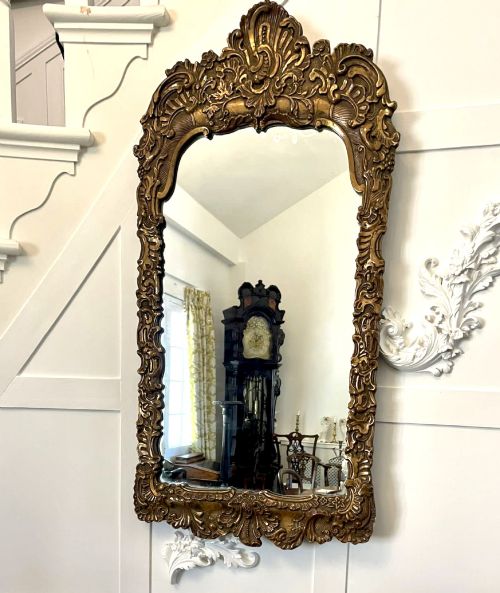
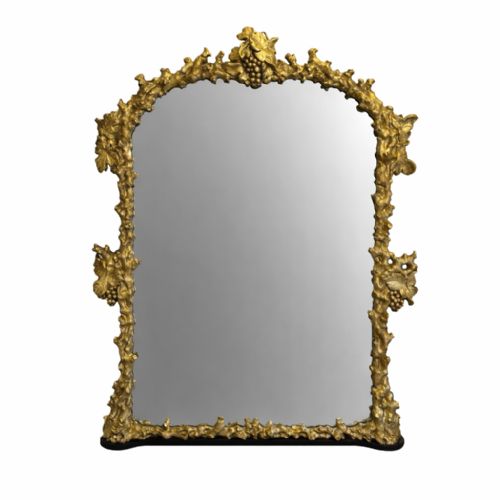
The selection on this page spans several distinct periods, most notably the nineteenth century, alongside examples from the eighteenth and early twentieth centuries. English and French workshops dominate the regional origins, yielding styles that range from restrained Georgian mahogany frames to ornate Rococo and Florentine carvings.
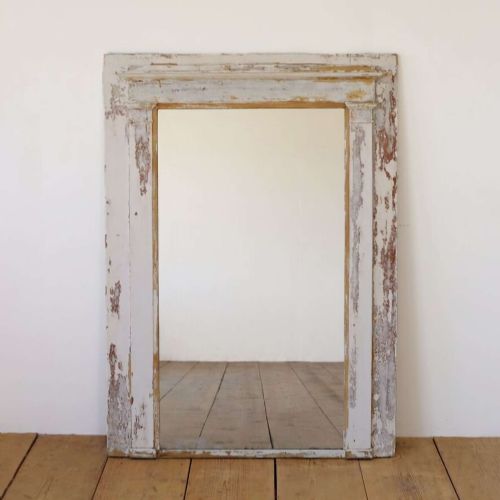
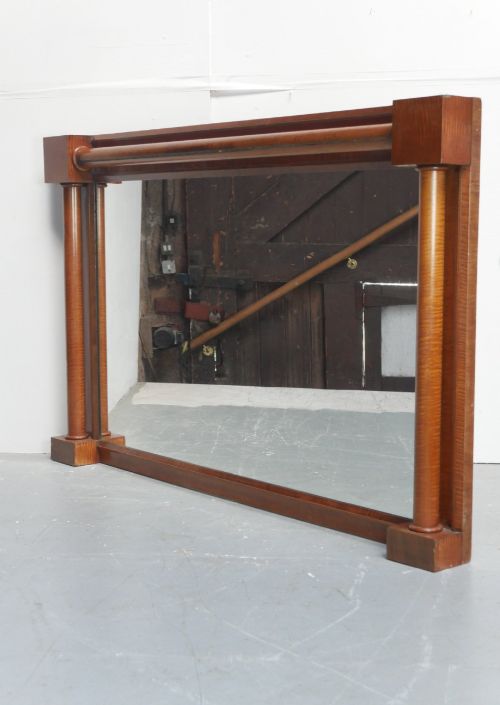
Overmantel mirrors and tall Louis Philippe designs appear frequently, alongside oval country house pieces and specialised fairground fun house mirrors. These objects reflect shifting aesthetic preferences, transitioning from heavy gilded statements to simpler oak and maple timber frames.
How they were made
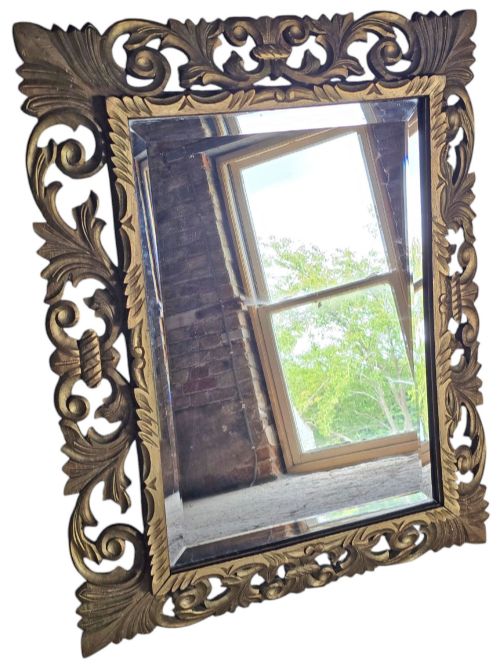
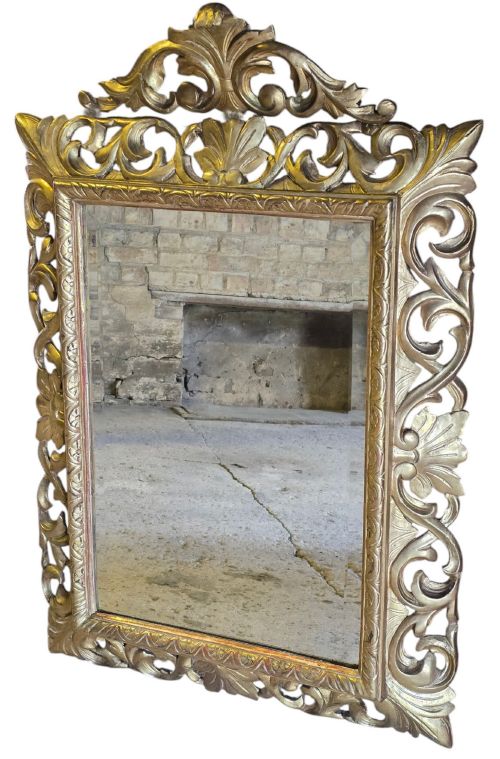
Construction relies heavily on traditional timber framing, utilising woods such as oak, mahogany, walnut, and yew alongside softer carved elements. Artisans applied gesso over wooden substrates to build up intricate relief ornaments before gilding the surfaces with gold leaf or paint.
Glass production evolved from early mercury plates to later bevelled mirror glass held within rebated frames. Carved wood and gesso frames often feature rope twists, floral motifs, or architectural moulding executed by hand.
Listings feature frames rendered in giltwood, carved oak, mahogany, and gesso, spanning the eighteenth, nineteenth, and early twentieth centuries.
What varies in quality
The depth and crispness of the hand-carved ornament separate standard production from exceptional examples, particularly in gesso work where sharper relief denotes superior skill. The integration of the glass plate within the frame, whether original mercury glass or later bevelled plate, dictates the overall integrity of the piece.
Proportion and the handling of secondary woods reveal the care taken during construction, distinguishing provincial items from high-status London or Parisian commissions.
Waring and Gillow
The Mirrored Frame Wall Mirror Glossary
- Overmantel mirror
- A large mirror specifically proportioned to hang on the wall above a fireplace mantelpiece. These pieces often feature arched tops or wide landscape orientations to balance the hearth below.
- Trumeau mirror
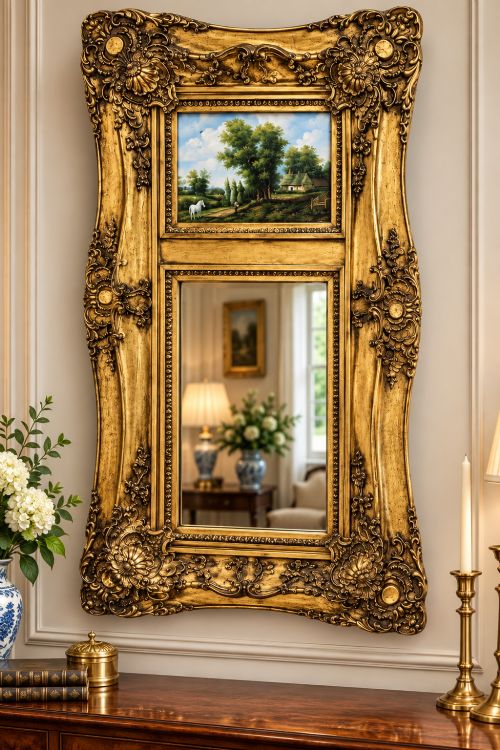
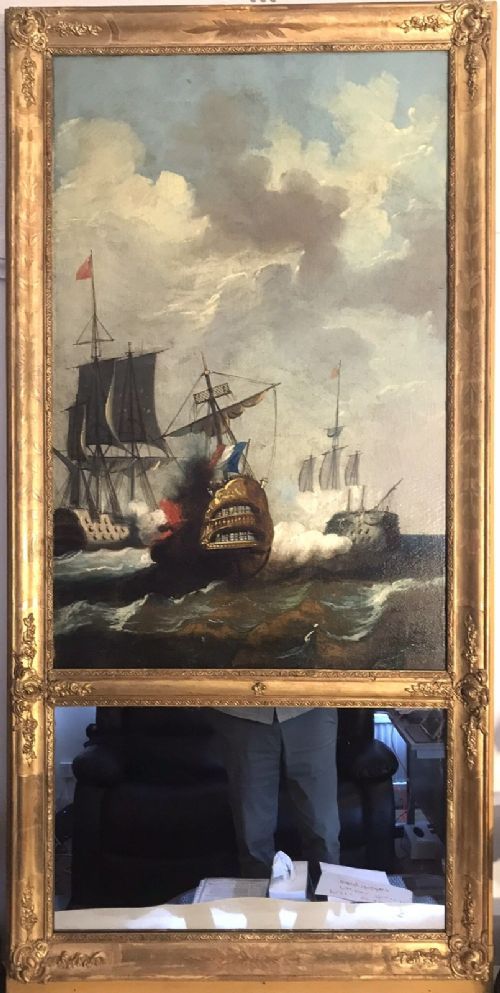
- A decorative wall mirror combined with an oil painting or panel inset into the upper section of the frame. Originating in France, these pieces served as permanent architectural fittings within formal rooms.
- Gesso
- A plaster-like mixture applied to wooden frames and moulded into relief decoration before gilding or painting. The quality of this material depends on the fineness of the preparation and the sharpness of the resulting details.
- Mercury glass
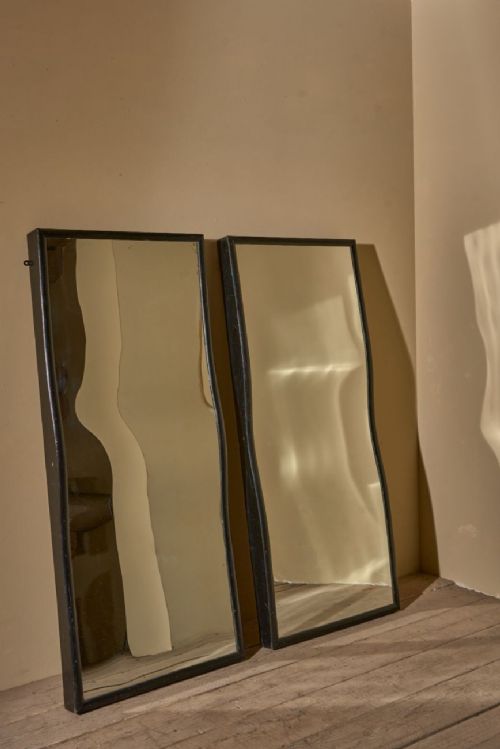
- An early type of mirror glass created by pouring a silvering amalgam of tin and mercury between two sheets of glass or onto the backplate. It produces a mottled, atmospheric reflection distinct from modern silvered glass.
- Pier glass
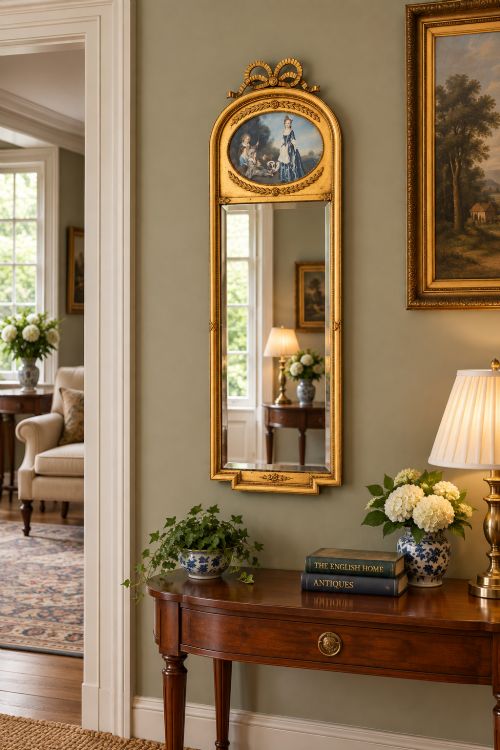
- A tall, narrow mirror designed to hang on the wall space between two windows, often placed above a matching pier table.
Mirrored Frame Wall Mirror: Frequently Asked Questions
How do I date an antique mirror?
Dating relies on examining the construction methods of the wooden frame, the style of the carving, and the characteristics of the glass plate itself. Earlier pieces often display hand-beveled edges or mercury silvering with distinct oxidation patterns.
Secondary woods at the back of the frame and assembly techniques such as handmade screws or pegged joints also provide reliable chronological clues.
Where should I hang an overmantel mirror?
These large mirrors traditionally anchor the space directly above a fireplace mantel, reflecting light across the room and balancing the vertical volume of the hearth. They also function effectively on principal living room walls where their heavy gilt or carved frames act as focal points.
Ensure the wall construction and hanging hardware can support the substantial weight of timber and glass assemblies.
Are antique mirror plates original?
Many antique frames retain their original glass plates, which frequently exhibit minor foxing, dark spots, or uneven silvering due to age. Some pieces have undergone glass replacement over their lifespan, particularly when earlier mercury plates deteriorated.
Examining the depth of the glass and the fitting at the back of the rebate helps determine originality.