
Mirrored Door Cabinet
A mirrored door cabinet brings reflective glass and polished timber together to brighten darker corners and store your belongings with elegance.
Mirrored Door Cabinet
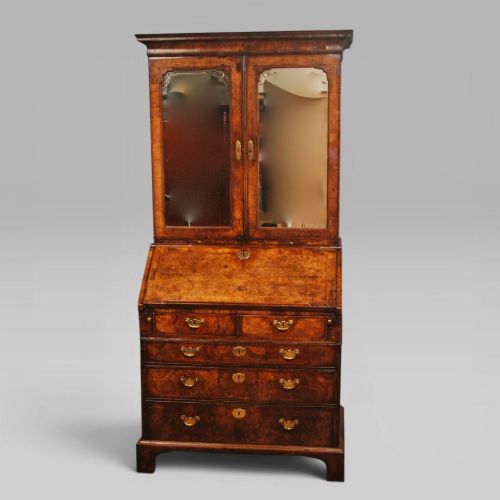
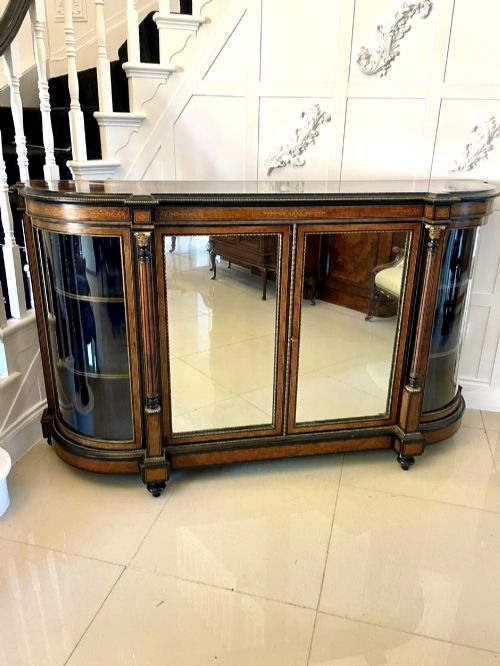
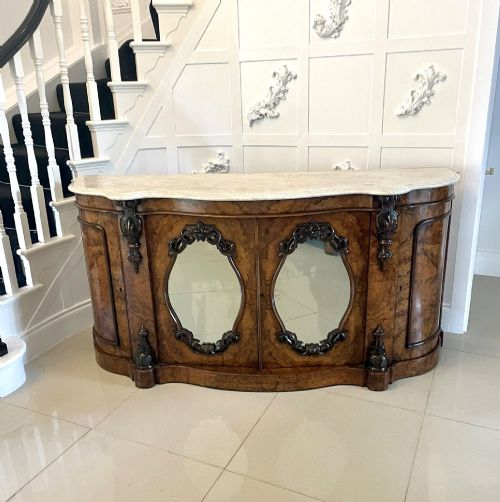
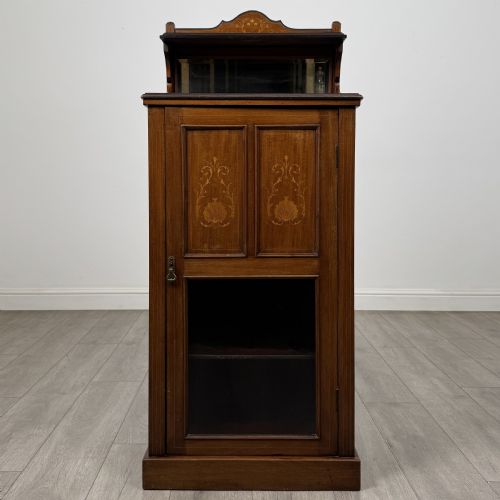
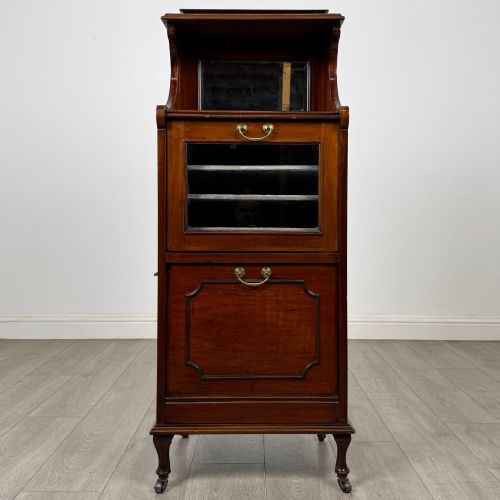
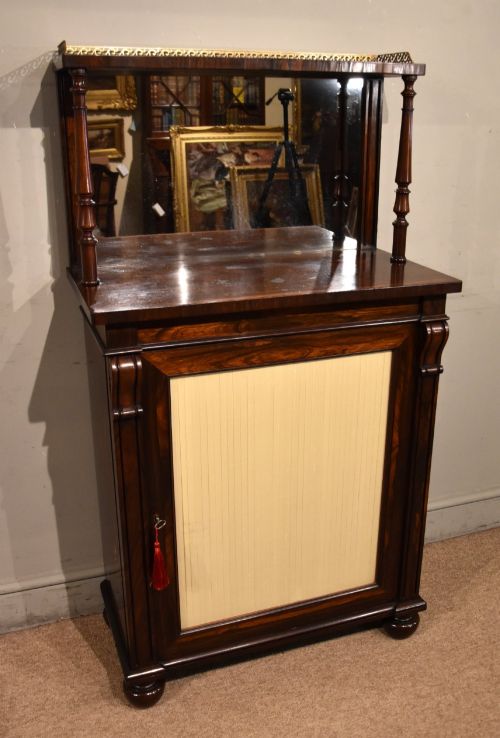
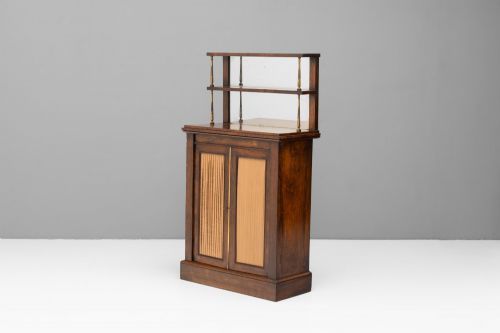
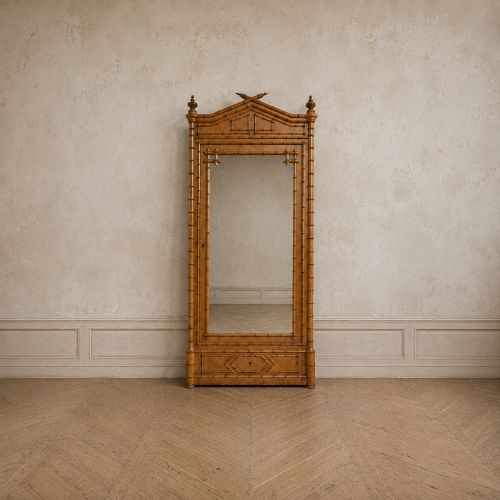
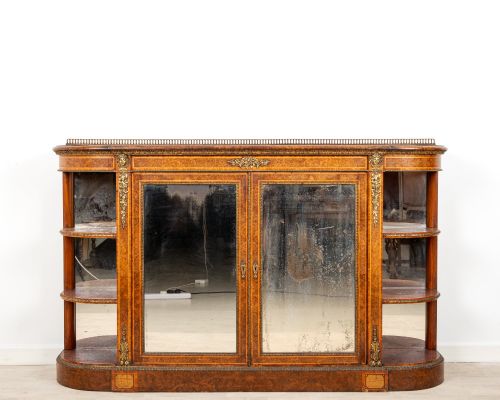
A mirrored door cabinet functions as both storage and a light source within a room, utilising reflective glass panels set into wooden frames. When you search for a mirrored door cabinet, you encounter forms ranging from compact side cabinets and display units to large wardrobes and credenzas.
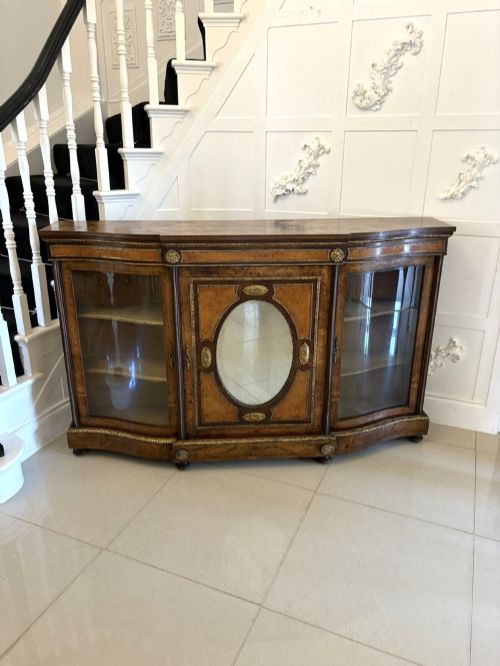
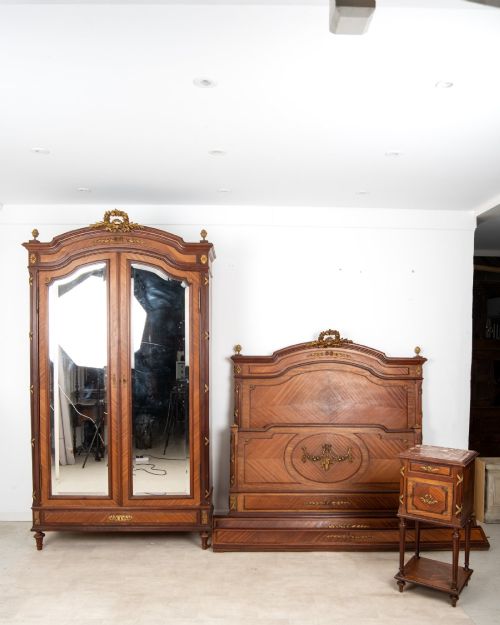
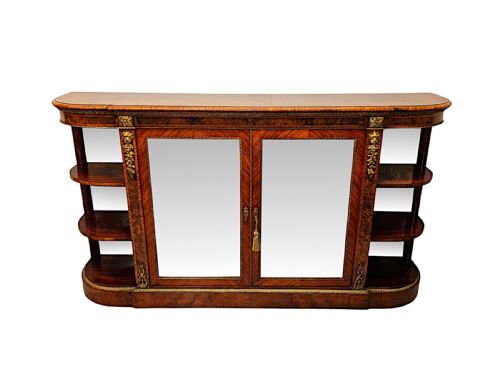
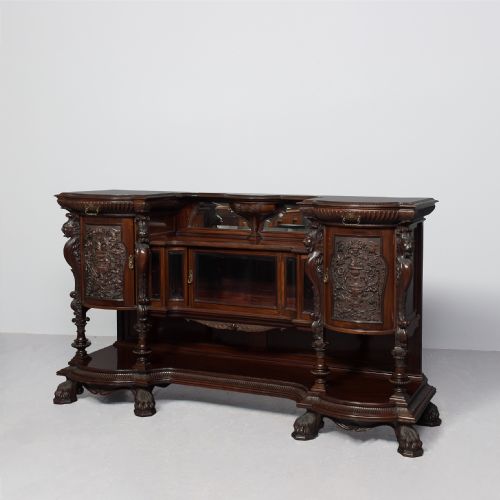
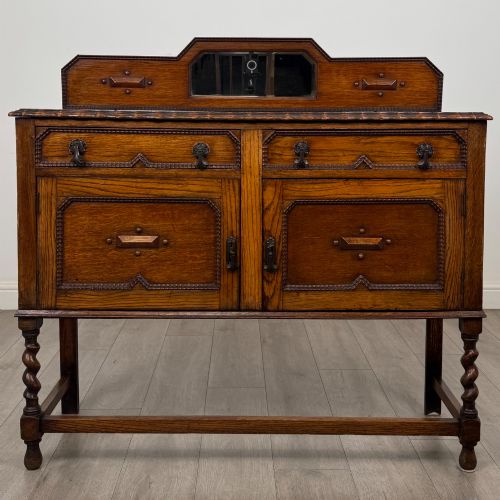
The versions you meet most frequently on this page date from the nineteenth century, including Victorian and Edwardian examples. These pieces often take the form of credenzas, armoires, and sideboards, combining functional shelving with glass-fronted or mirrored enclosures.
Originating across English and continental workshops, these cabinets showcase the cabinetmaker's skill in integrating heavy reflective glass into domestic furniture. They suit bedrooms, reception rooms, and hallways equally well, reflecting both natural daylight and interior candle or gas lighting.
Materials and construction
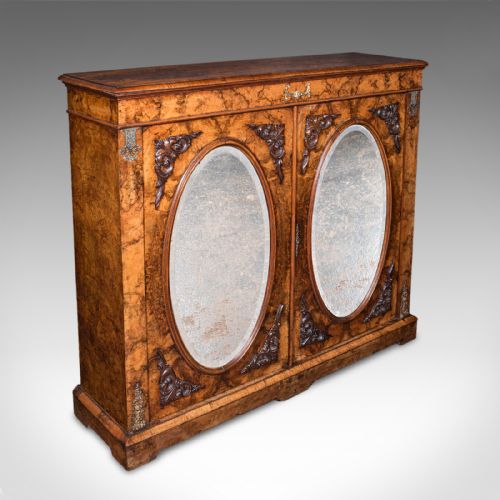
Makers constructed these cabinets using dense timbers such as mahogany, walnut, rosewood, and oak, frequently applying decorative veneers like burr walnut to prominent surfaces. Brass mounts, ormolu details, and inlaid banding provide contrasting metallic or lighter wood accents around the main structure.
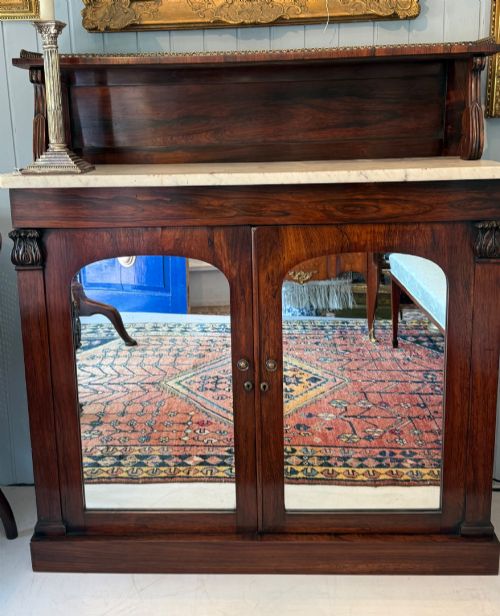
The mirror glass itself is typically set into rebated wooden doors, sometimes supported by internal wooden panels or secured with brass framing. Carved elements, turned feet, and shaped pediments appear across Victorian and Edwardian pieces, showing hand-finished joinery and traditional cabinetmaking techniques.
Listings feature eighteenth-century George I pieces alongside nineteenth-century Victorian and Edwardian examples, spanning mahogany, walnut, rosewood, and oak.
Judging the standard of execution
Quality rests upon the selection of timber veneers and the precision of the cabinet joinery, separating standard utility pieces from high-workshop commissions. Finer examples display carefully matched burr walnut or rosewood grains across the door panels and drawer fronts, maintaining visual balance.
The integration of the mirror glass and metal mounts indicates the maker's attention to detail. Superior pieces utilise heavy, bevelled mirror glass securely seated within robust frames, accompanied by substantial brass hinges and locks that operate smoothly without sagging.
Gillows
The Mirrored Door Cabinet Glossary
- Credenza
- A low cabinet or sideboard, frequently fitted with glass or mirrored doors and decorative mounts. It serves as a display surface and storage unit in formal reception rooms.
- Chiffonier
- A compact sideboard or cabinet featuring shelves and enclosed cupboards, common in nineteenth-century interiors. It provides adaptable storage for dining or living spaces.
- Ormolu
- Gilded bronze applied as decorative mounts on furniture. It adds metallic contrast to polished timber surfaces.
- Burr walnut
- Timber taken from a walnut tree's growth excrescence, producing intricate swirling patterns. Cabinetmakers prize it for veneering prominent door and drawer surfaces.
- Armoire
- A large freestanding cupboard with doors, often fitted with internal hanging space or shelving. Examples frequently incorporate full-length mirrored panels.
Mirrored Door Cabinet: Frequently Asked Questions
Where should I place a mirrored door cabinet?
These cabinets suit living rooms, hallways, and bedrooms where their reflective glass panels can bounce natural light around the space. Positioning them opposite a window maximises this brightening effect.
Ensure the floor is level so the doors swing evenly and the mirrored panels do not experience stress within their frames.
How do I care for the timber and glass?
Maintain the wood surfaces with traditional beeswax, applying it sparingly and buffing gently with a soft cloth to preserve the finish. Avoid silicone-based sprays that can penetrate older polishes.
Clean the mirror glass using a mild glass cleaner applied to a cloth rather than directly to the surface, preventing moisture from seeping behind the silvering or into the wooden rebate.
How do I distinguish Victorian from Edwardian pieces?
Victorian cabinets often feature heavier proportions, darker timbers like rosewood and burr walnut, and rich ormolu or brass mounts. Carved detailing tends to be deep and elaborate.
Edwardian examples frequently show lighter woods such as satinwood, simpler inlaid banding, and a brighter overall palette influenced by neoclassical revivals.
What is the difference between a credenza and a sideboard?
A credenza is typically lower in height and more decorative, often featuring enclosed mirrored or glass-fronted cupboards flanked by curved ends. They originated as display furniture for grand rooms.
Sideboards generally offer broader working surfaces and a combination of drawers and lower cupboards intended primarily for dining room utility.