

Miniature Wooden Drawers
Miniature wooden drawers are small-scale chests and cabinets crafted to hold keepsakes, samples, or spices, offering practical tabletop storage with period charm.
Miniature Wooden Drawers
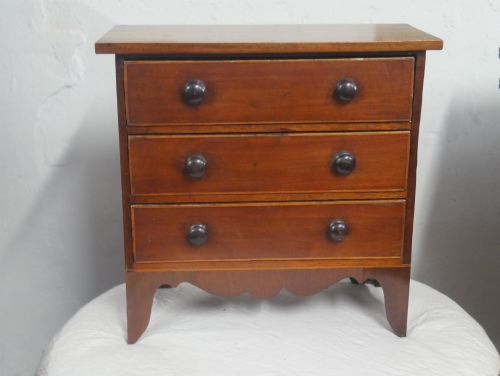
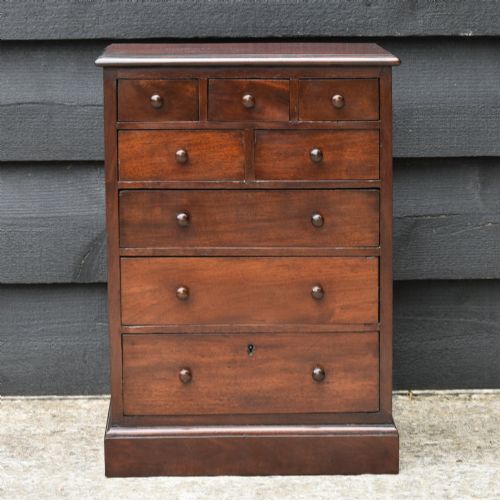
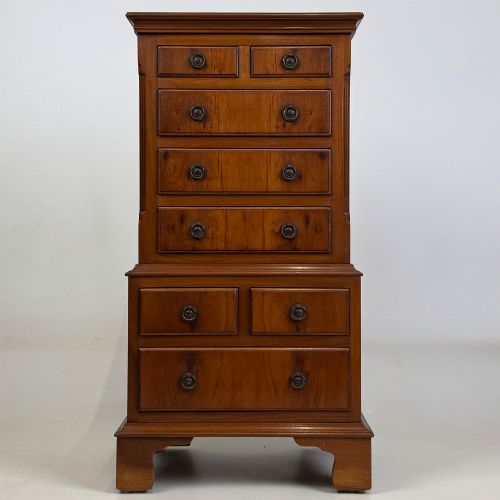
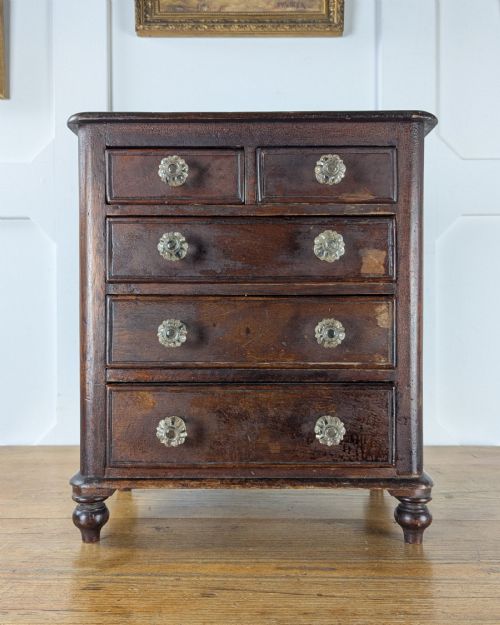
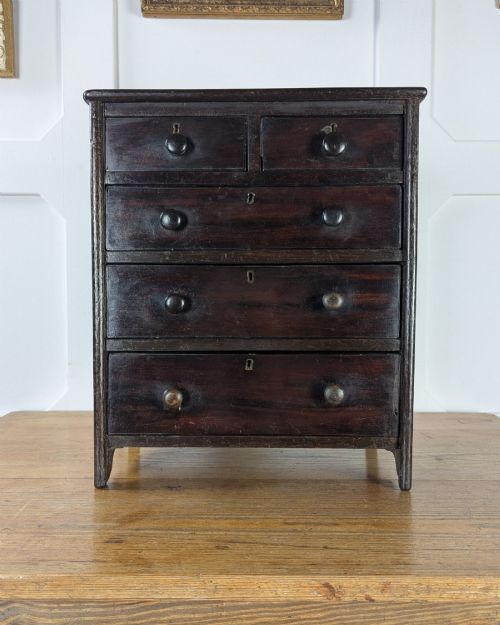
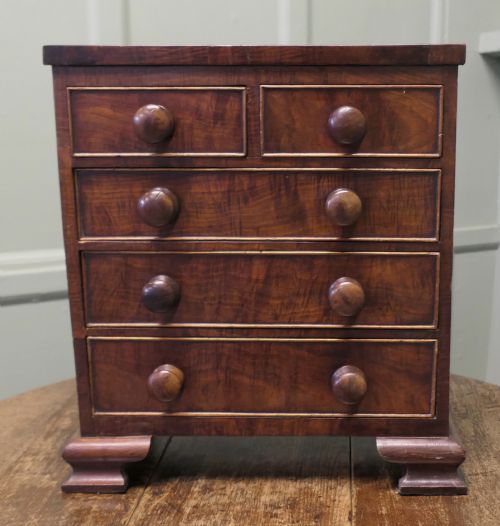
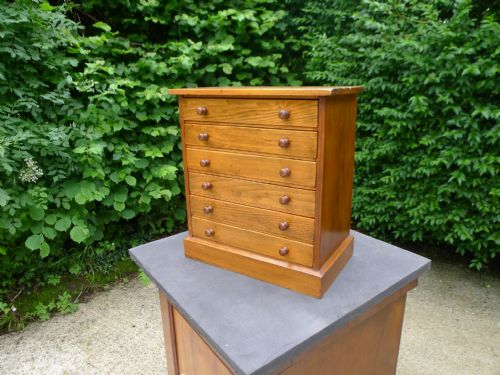
Miniature wooden drawers encompass small chests, apprentice pieces, and table cabinets originating from the eighteenth, nineteenth, and early twentieth centuries. These diminutive pieces mirror the full-sized furniture of their respective eras, functioning as salesman samples, journeyman submissions, or specialised domestic storage.
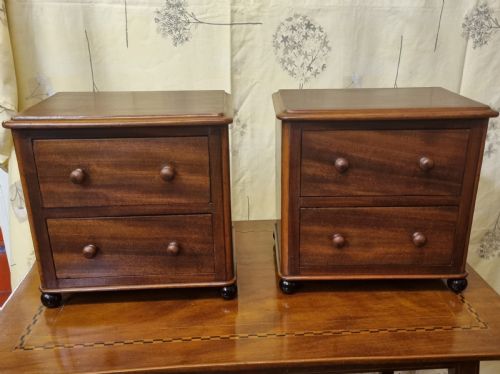
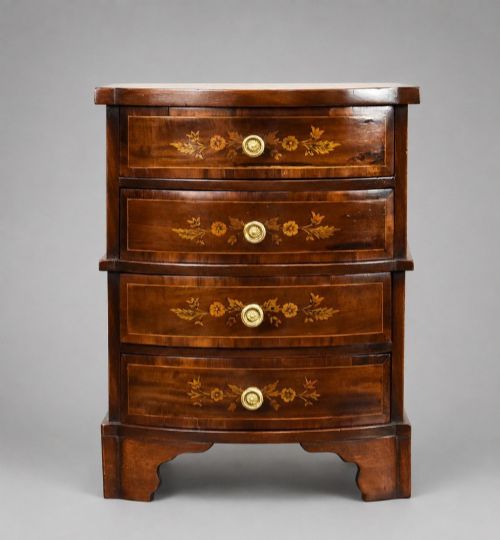
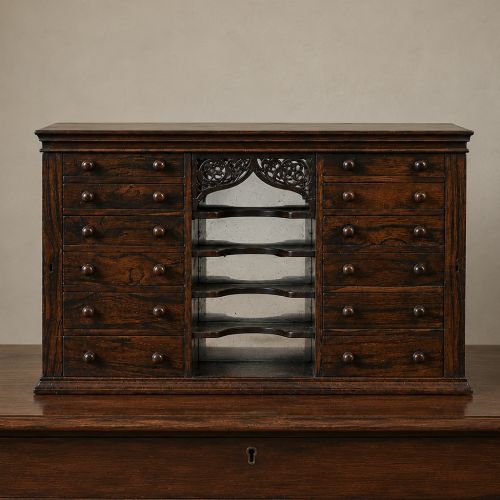
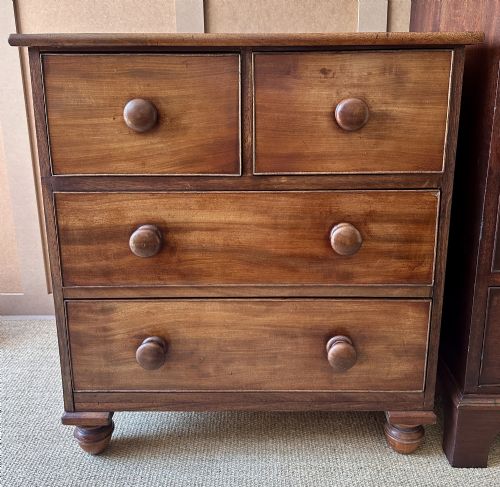
The varieties met most frequently on this page include Victorian mahogany apprentice chests and Edwardian tabletop storage cabinets. Examples span simple pine spice drawers to elaborate collectors cabinets in walnut, rosewood, and yew wood.
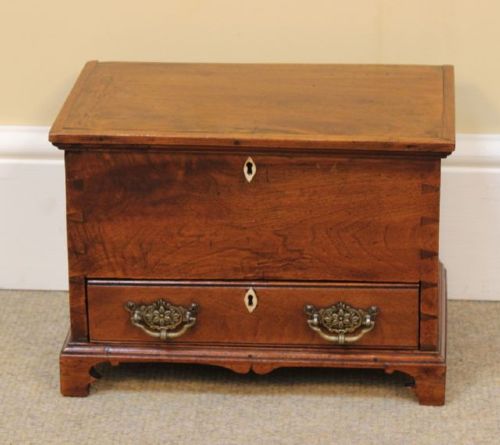
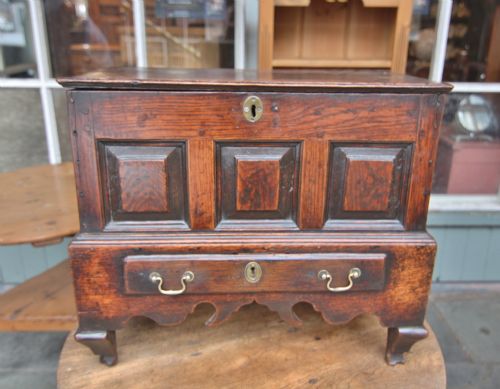
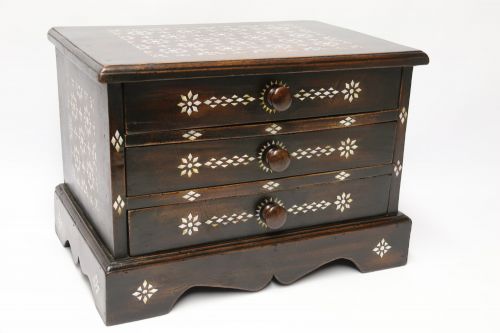
Regional forms also appear, including Welsh vernacular coffer bachs and Scottish apprentice chests. These items range from plain utilitarian boxes to finely inlaid pieces featuring secret compartments and turned feet.
How they were made
Cabinetmakers utilised dense timbers such as mahogany, oak, walnut, and fruitwood, often selecting figured veneers like burr walnut and exotic hardwoods for decorative effect. Drawer construction typically relied on traditional dovetail joints to ensure durability across the small scale.
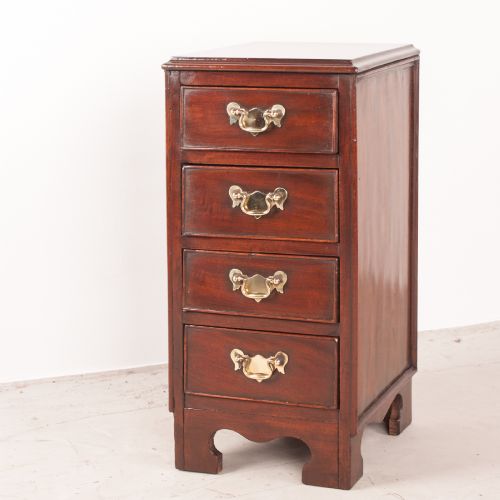
Secondary woods like pine appear in carcases and drawer linings, whilst brass handles, escutcheons, and bone inlay provide contrasting detail. Surface finishes range from polished mahogany and wax-finished oak to black lacquer and painted pine.
Listings feature regional variations including Welsh oak coffer bachs and Scottish apprentice chests alongside standard nineteenth century mahogany cabinets.
What varies in quality
The standard of craftsmanship shows in the precision of the drawer dovetailing and the choice of timber veneer. Superior examples display carefully matched grain patterns and well-fitted internal drawers that run smoothly within their carcases.
Detailing differentiates the finer pieces, such as secret compartments, working locks with keys, marquetry inlay, and turned feet. Simpler utilitarian spice drawers or stained pine specimen cabinets rely on straightforward construction rather than decorative ornamentation.
The Miniature Wooden Drawers Glossary
- Apprentice piece
- A small item of furniture created by a craftsman to demonstrate skill for guild admission or trade proficiency. These often replicate full-sized chests with exact miniature proportions.
- Coffer bach
- A small Welsh chest featuring a drawer beneath a lidded compartment, traditionally used for valuables or linen. The term translates from Welsh as little coffer.
- Wellington chest
- A tall, narrow chest of drawers secured by a locking side flap that fastens over the drawer edges. This form appears in miniature variations during the nineteenth century.
- Specimen cabinet
- A small cabinetry unit designed to hold natural history items, coins, or geological samples in shallow drawers. They often feature glass doors or snug-fitting timber slides.
- Escutcheon
- A protective plate surrounding a keyhole, frequently cast from brass on these miniature cabinets. It serves both a functional purpose and a decorative role on the drawer front.
Miniature Wooden Drawers: Frequently Asked Questions
What were miniature wooden drawers used for?
These small pieces served various domestic and professional purposes, from holding spices and jewellery to storing collector specimens. Cabinetmakers also produced them as trade samples or demonstration pieces to showcase woodworking skills to prospective clients.
Domestic interiors utilised them on tabletops and desks for keeping small valuables secure. Their portable nature made them versatile storage items throughout the Georgian and Victorian periods.
How do I identify an apprentice piece?
Apprentice pieces typically mirror the exact construction methods, proportions, and detailing of full-sized period furniture. They frequently exhibit high standards of cabinetmaking because the maker needed to prove mastery of the trade.
Many examples date from the nineteenth century in mahogany or walnut. However, distinguishing a genuine trade piece from a purpose-built miniature can remain difficult without documented provenance.
What timbers are most common?
Mahogany, oak, and pine appear most frequently across these listings, reflecting the dominant furniture timbers of the eighteenth and nineteenth centuries. Walnut and fruitwood also feature prominently in smaller decorative drawers and spice chests.
More specialised pieces utilise exotic woods, yew, rosewood, and satin walnut. Secondary woods like pine are standard for internal drawer carcases and backs.
How do I care for antique miniature drawers?
Keep these items away from direct sunlight and fluctuating heat sources to prevent timber from splitting or warping. Maintaining stable room humidity preserves both the wood and any delicate veneer work.
Apply a microcrystalline wax occasionally to nourish the surface polish. Avoid excessive cleaning and use a dry, soft cloth to remove dust from intricate mouldings and brass fittings.