

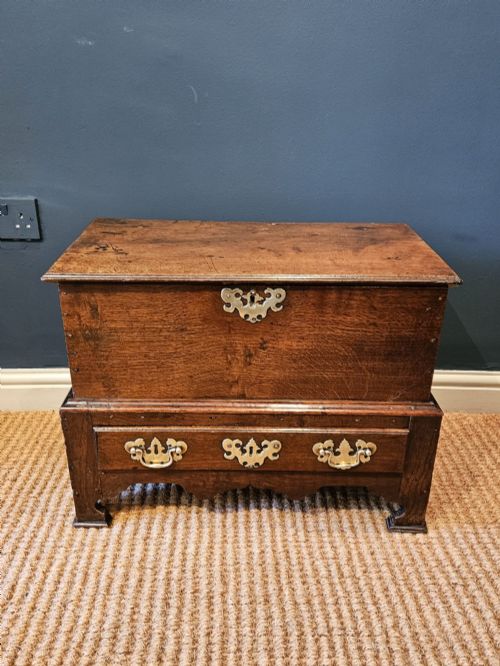


Miniature Storage Drawers
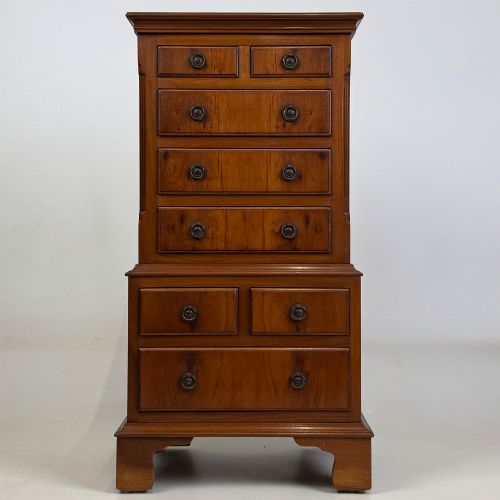
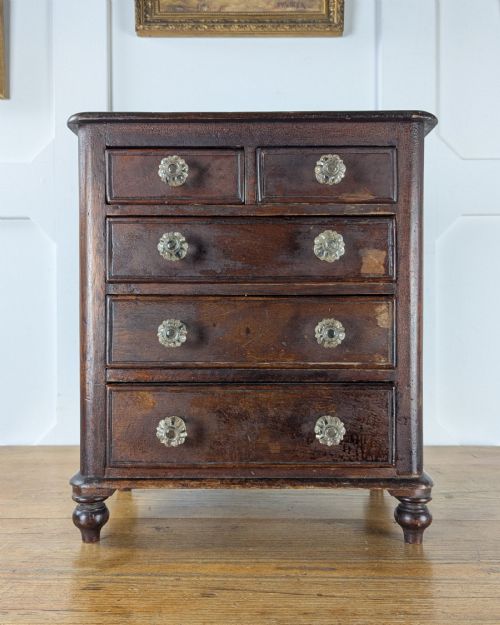
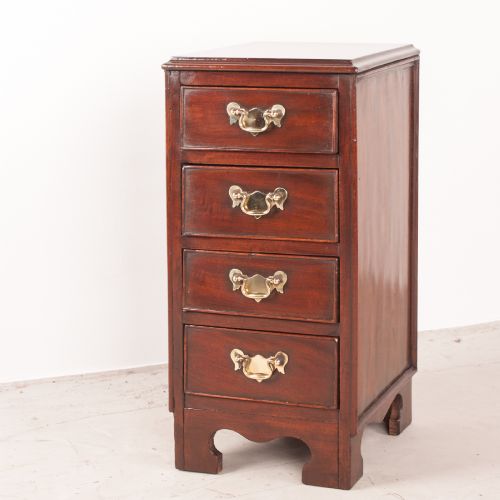
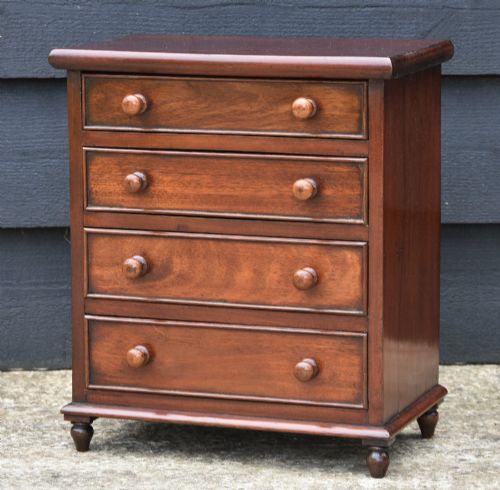
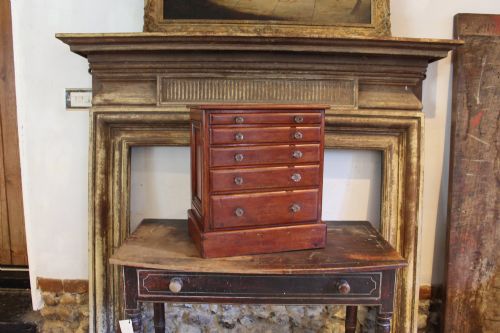
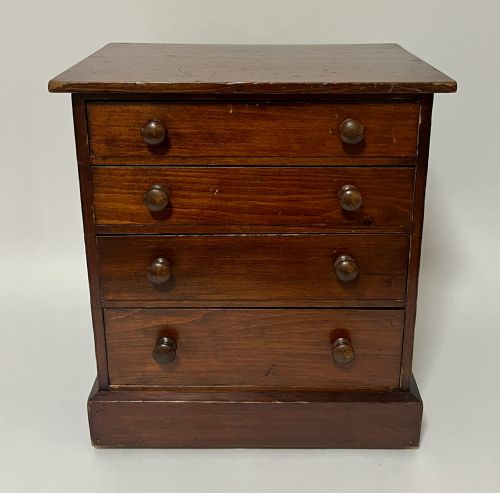
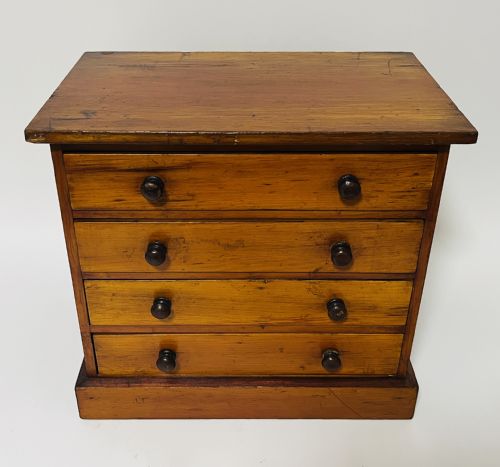
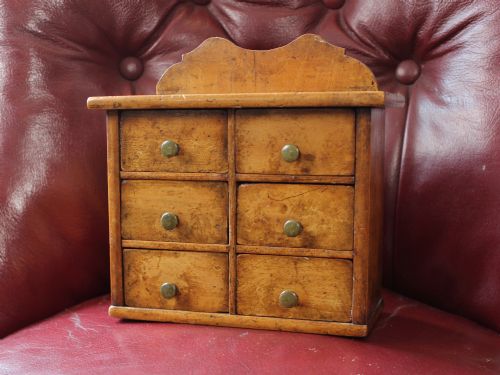
These miniature storage drawers are small-scale chests, collector cabinets and spice boxes designed to hold precious items, often originating from Georgian and Victorian workshops.
Miniature Storage Drawers
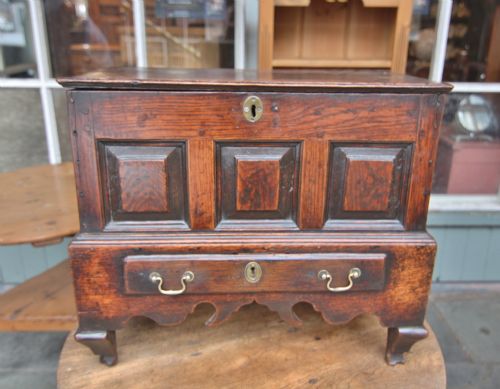
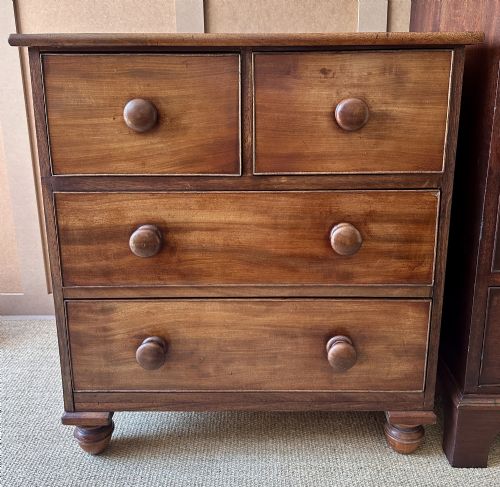
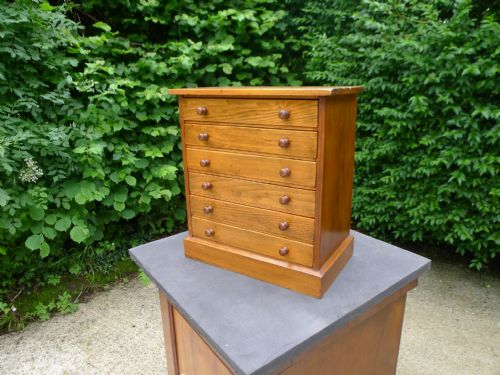
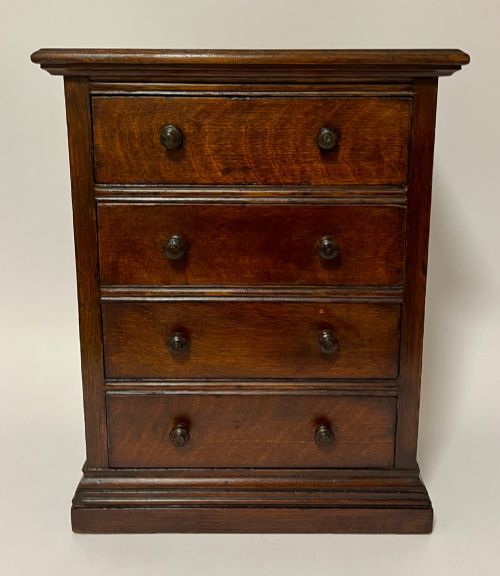
Miniature storage drawers span several centuries of small-scale cabinetry, encompassing Georgian and Victorian apprentice pieces, tabletop chests, and specialised collector cabinets. Buyers seeking miniature storage drawers will encounter everything from utilitarian pine spice cabinets and elm coffer bachs to finely constructed mahogany specimen chests.
The regional diversity is wide, featuring Welsh oak coffer bachs alongside Dutch apprentice pieces and English tabletop units. These compact forms served varied practical purposes, functioning as jewellery chests, dental apothecary cabinets, and multdrawer microscope slide repositories.
Dating ranges from the eighteenth century through to the early twentieth century, showing sustained craftsmanship in miniature furniture formats. The most common survivals on this page are mahogany and oak tabletop chests of drawers from the Victorian era.
Materials and Construction
Makers utilised dense timbers such as mahogany, oak, yew, fruitwood and elm to construct these small carcasses, often adding satinwood or inlay for decorative contrast. Secondary woods like pine appear frequently in internal drawer construction and back panels.
Joinery techniques mirror full-sized furniture, employing dovetail joints for drawers and panelled construction for larger chests and coffer bachs. Surfaces finished with polished patina show careful hand-planing and traditional wax applications.
Cabinet materials featured on this page range from hardwoods like mahogany, satin walnut, and fruitwood to softer mediums including pine and elm.
Judging Quality
Proportion and timber selection separate standard examples from exceptional ones, particularly where secondary woods are kept to a minimum and figure in the grain is pronounced. The integration of period brass handles, escutcheons and working locks indicates higher workshop standards.
Internal execution reveals the builder's hand, seen in tight dovetails, smooth-running drawer linings and tidy backboards. Pieces possessing deep, original patination and uncompromised structural integrity command greater regard among collectors.
The Miniature Storage Drawers Glossary
- Coffer Bach
- A small Welsh chest, often fitted with a drawer below the main compartment, traditionally made of oak.
- Apprentice Piece
- A small item of furniture demonstrated to master craftsmen by a trainee to prove skill, though many diminutive chests served simply as domestic trinket boxes.
- Specimen Cabinet
- A multi-drawer cabinet designed for organising natural history samples, coins, or small artefacts.
- Patina
- The surface sheen and mellowing developed by wood over decades of handling, light exposure, and polishing.
- Escutcheon
- A protective plate surrounding a keyhole, usually fashioned from brass in these pieces.
Miniature Storage Drawers: Frequently Asked Questions
What were miniature storage drawers used for?
These small chests served domestic and professional roles, functioning as jewellery storage, trinket holders, and repositories for specimens. Apothecaries and naturalists also used specialised multi-drawer cabinets to organise medicines, microscope slides, and botanical samples.
In domestic settings, they sat upon desks or dressing tables to safeguard small valuables. Their scale made them practical for desktop organisation before modern office furniture became common.
How do I tell an apprentice piece from a standard miniature?
Apprentice pieces often display meticulous joinery and ambitious design details, as the maker aimed to demonstrate mastery of their trade. However, distinguishing a genuine apprentice piece from a commercial tabletop jewellery chest can be challenging because makers produced both without official documentation.
Examining the construction methods, drawer linings, and overall proportions helps establish the likely origin. Many small chests sold as apprentice pieces were simply manufactured as luxury items for the domestic market.
Are these drawers suitable for everyday use?
Most antique miniature storage drawers remain fully functional and accommodate small modern items like stationery, keys, or jewellery. Their solid timber construction allows them to withstand regular handling if treated with care.
Care should be taken to place them away from direct heat sources and strong sunlight to protect the aged wood and historic finish. Gentle dusting and occasional wax maintenance will preserve the surface.
How do I date a miniature chest of drawers?
Dating relies on timber selection, construction techniques, and secondary wood usage, alongside hardware style like brass pulls and escutcheons. Eighteenth-century examples often feature solid oak or elm with hand-cut dovetails and pegged frames.
Victorian and later pieces frequently utilise mahogany or walnut with machine-sawn elements and standardised hardware. Comparing the form and patina to dated examples from the same region provides the closest chronological guide.