





Miniature Brass Clock
These compact timepiece designs pack intricate mechanical movements into small metal and wooden housings, offering desktop and travel utility.
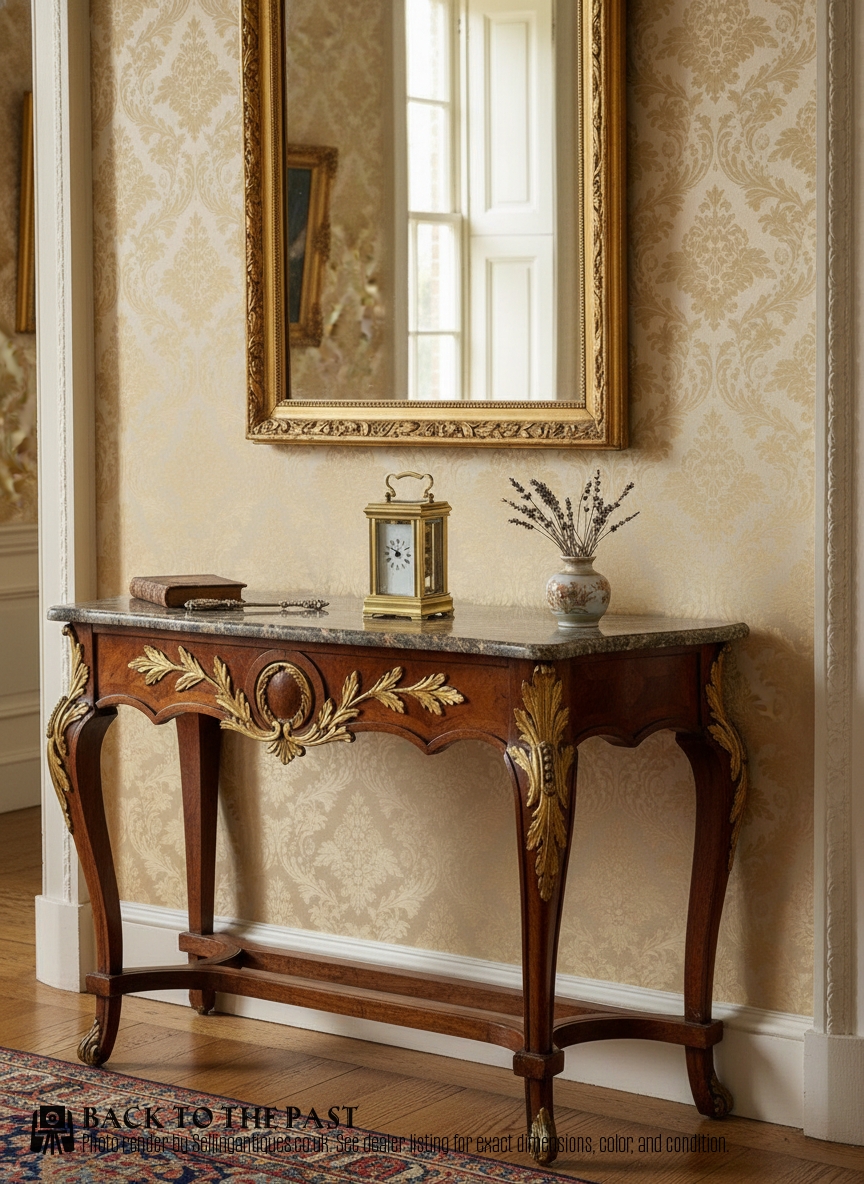
Miniature Brass Clock
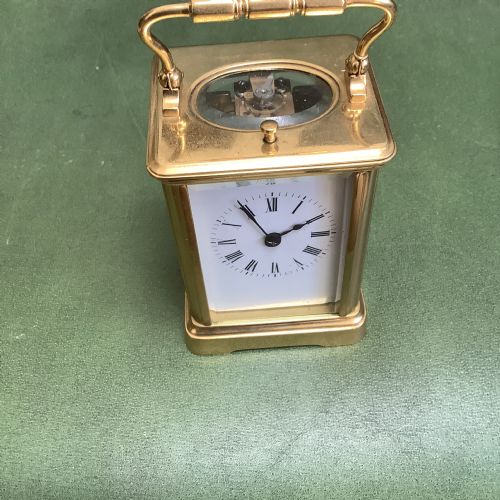
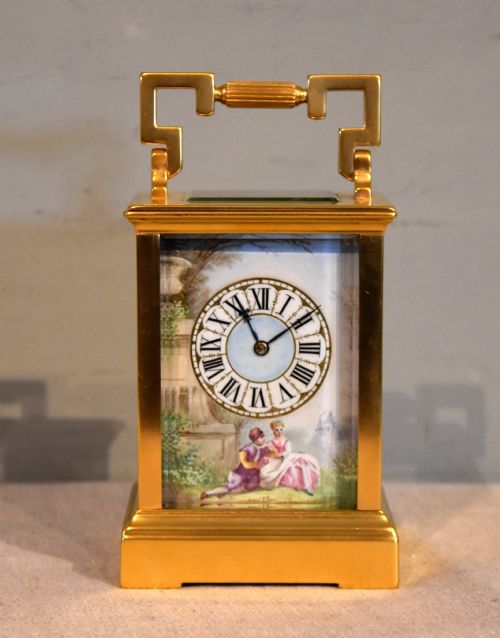
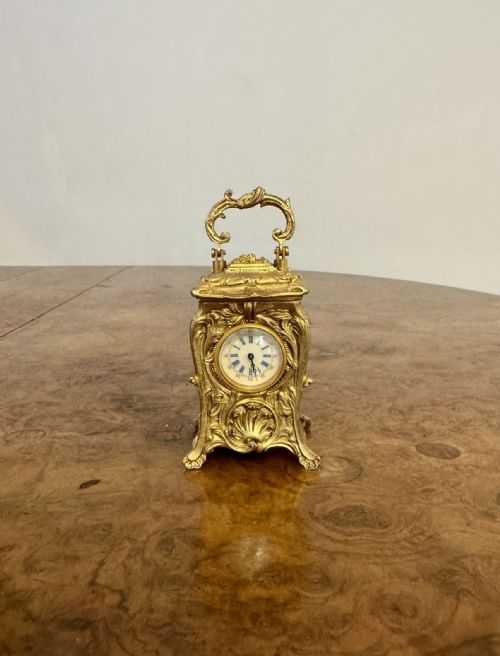
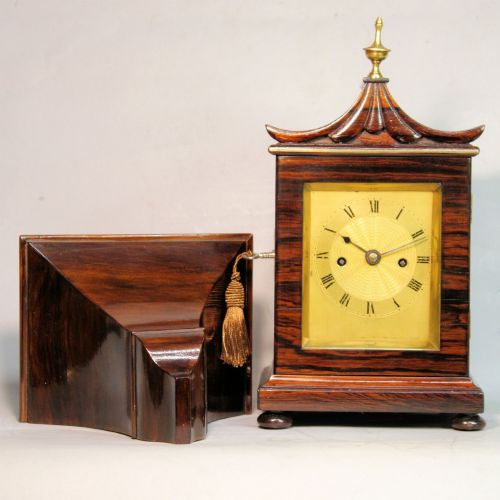
When searching for a miniature brass clock, buyers encounter several distinct domestic formats spanning from the nineteenth century into the Edwardian era. Carriage clocks and desk timepieces dominate current and past selections, frequently enclosed in glazed brass cases.
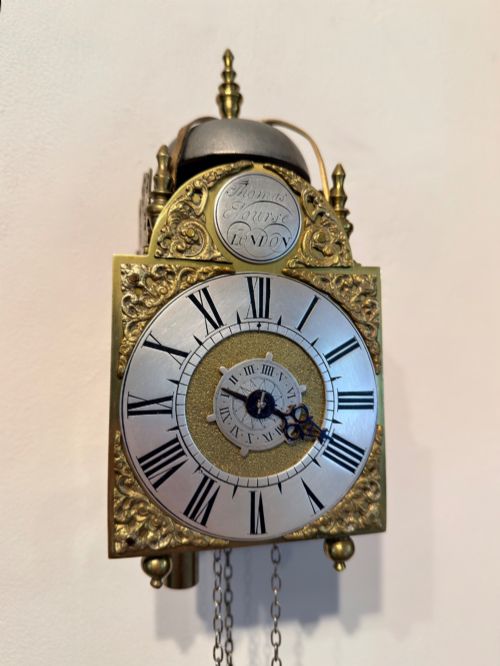
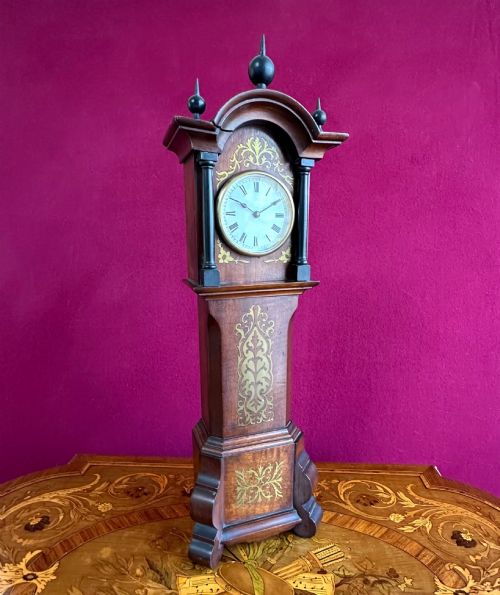
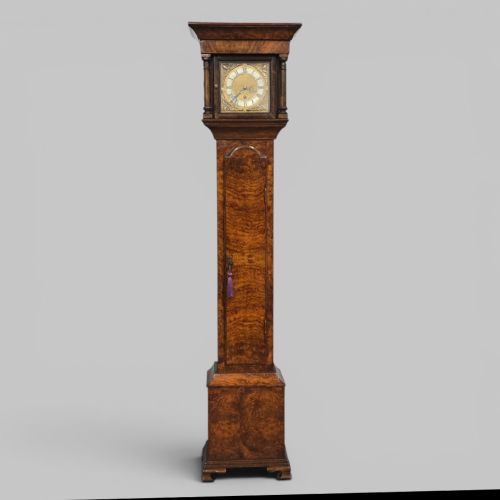
Tall formats also appear in the record, ranging from miniature longcase grandfather clocks to grandmother and granddaughter clocks fashioned in mahogany or walnut. Wall-hanging variations include lantern styles and Vienna regulators, bringing heavier brass movements into smaller wall-mounted proportions.
Materials and construction methods
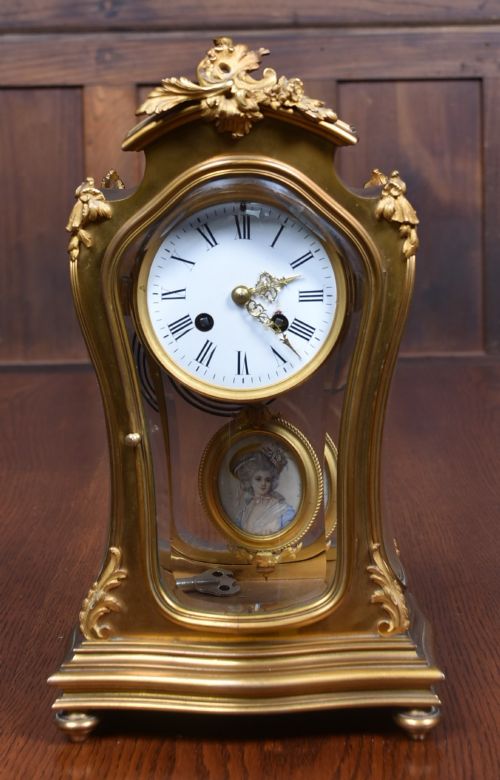
Makers utilised cast and sheet brass alongside gilt bronze and ormolu to form the primary structural frameworks and bezels. Bevelled glass panels inserted into the sides allow visual access to the brass wheel trains and escapements within.
Enamel and porcelain feature heavily on dials and decorative panels, sometimes decorated with hand painting. Secondary cabinet materials like mahogany, rosewood, and burr walnut house certain desk and longcase variants.
Miniature Brass Clock Retail Price Guide 2026
Typical asking prices for miniature brass clock among the pieces listed under this phrase on Sellingantiques today, from the lower quarter to the upper quarter. They describe what is for sale here now, not the wider market.
Periods represented span from the seventeenth-century style up to the Art Deco and Edwardian eras.
Evaluating manufacturing quality
Differences in standard stem from the complexity of the internal movement and the crispness of the exterior metalwork casting. Finely engraved or champlevé enamelled brass mounts indicate superior workmanship compared to plain cast housings.
The presence of specialised mechanical complications, such as striking trains, alarm mechanisms, or fusee movements, distinguishes high-tier examples from simple timepieces. Furthermore, signed dials by established makers elevate the standing of an item.
Mappin and Webb·Rodier·Grimaldi and Johnson·Dent of London·J C Vickery·McCabe·Wilson and Gill
The Miniature Brass Clock Glossary
- Carriage clock
- A portable spring-driven timepiece originally designed for travel, housed in a brass frame with glass panels. These typically feature a folding handle on top.
- Fusee
- A conical pulley used in better-grade clocks to equalize the declining power of the mainspring as it unwinds. This mechanism ensures more consistent timekeeping.
- Champlevé
- An enamelling technique where troughs are dug into the brass surface and filled with vitreous enamel before firing. It creates patterned coloured borders around clock faces.
- Platform escapement
- A small, self-contained escapement unit mounted on a platform visible inside carriage clocks. It replaces the pendulum used in larger stationary clocks.
- Granddaughter clock
- A diminutive version of a longcase clock, smaller than a grandmother clock and substantially smaller than a grandfather clock. These standing wooden cases house brass weight-driven or spring-driven movements.
Miniature Brass Clock: Frequently Asked Questions
How do I wind a carriage clock?
Most carriage clocks use a dedicated winding key inserted into square arbors on the backplate. Turn the key gently until resistance indicates the mainspring is fully tensioned.
Avoid overwinding, as this can strain the internal brass gear trains and damage the escapement.
What is the difference between a timepiece and a clock?
In horological terms, a timepiece measures and displays the hours and minutes without sounding any strikes or chimes. A clock includes an additional train to ring bells or gongs on the hour or half-hour.
Many smaller desk models function strictly as timepieces to conserve internal space.
How do I tell an 19th-century clock from an Edwardian one?
Nineteenth-century pieces frequently display heavier cast brass ornamentation, intricate hand engraving, or classical revival motifs like Rococo scrolls. Edwardian examples often lean toward lighter proportions and refined classical restraint.
Makers' signatures and registration marks stamped on the backplates also help establish precise manufacturing decades.
Where should I place a miniature clock at home?
These compact timepieces suit mantelpieces, desks, bedside tables, and small bracket shelves where their detailed brass and glass cases remain visible. Keep them away from direct sunlight, damp environments, and heavy vibrations to protect the delicate internal springs.
Level surfaces ensure the platform escapement or pendulum beats evenly.