


Military Wall Artwork
Military wall artwork spans centuries of portraiture and battlefield scenes on canvas and paper, bringing historic campaigns and notable officers directly into domestic interiors.
Military Wall Artwork
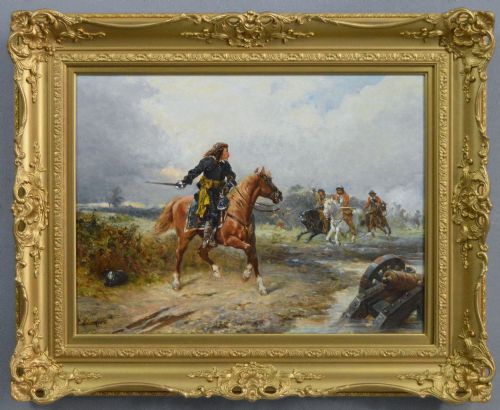
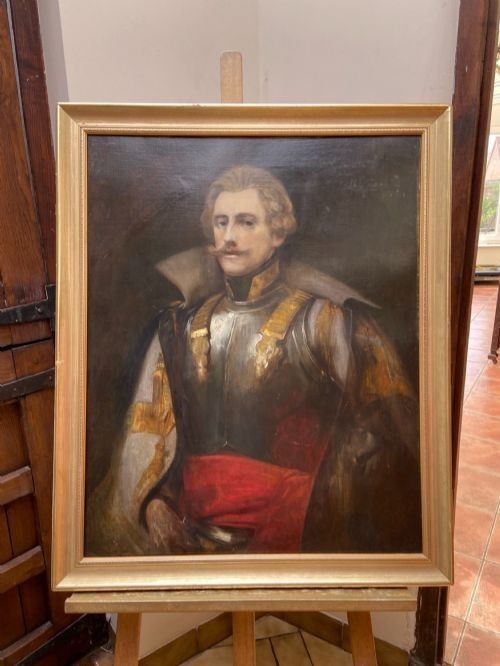
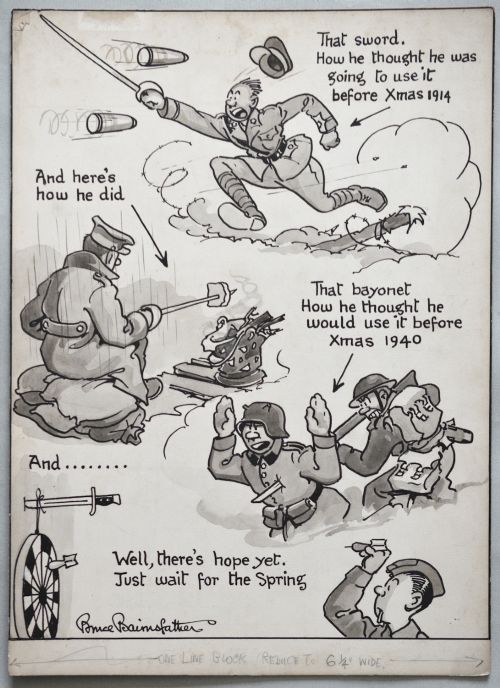
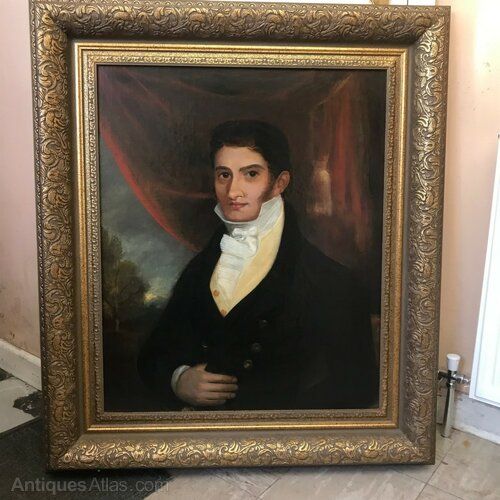
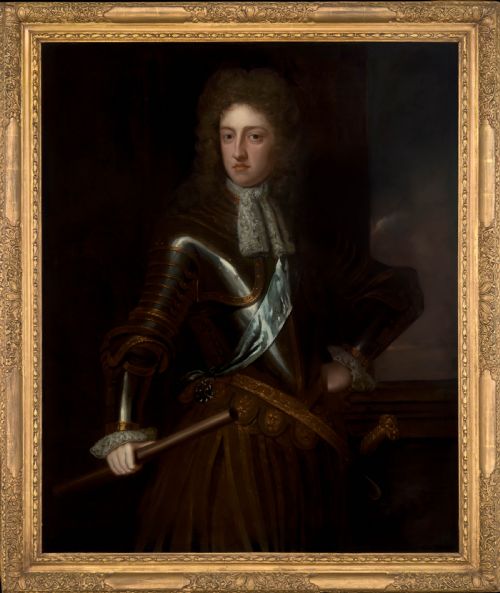
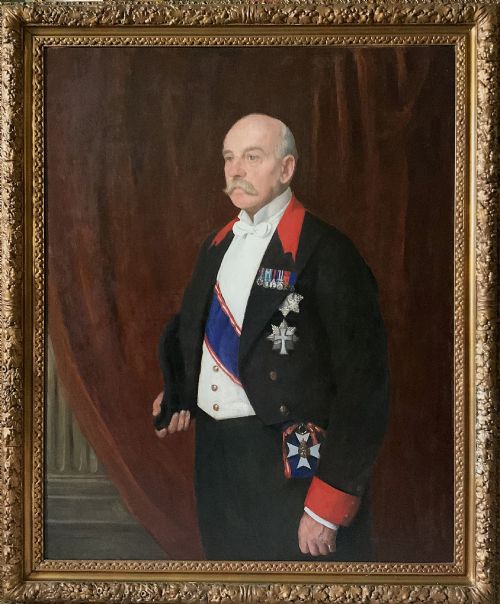
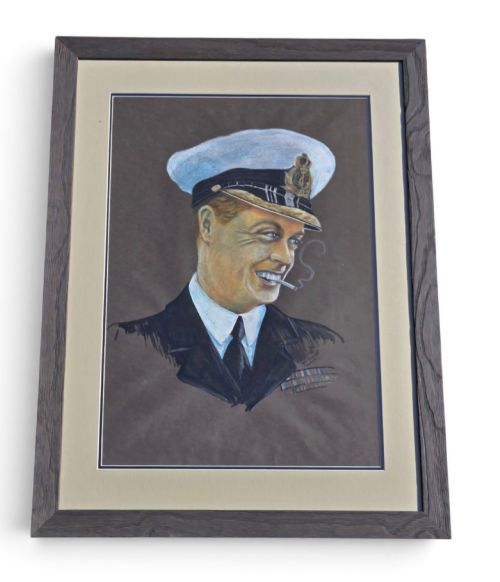
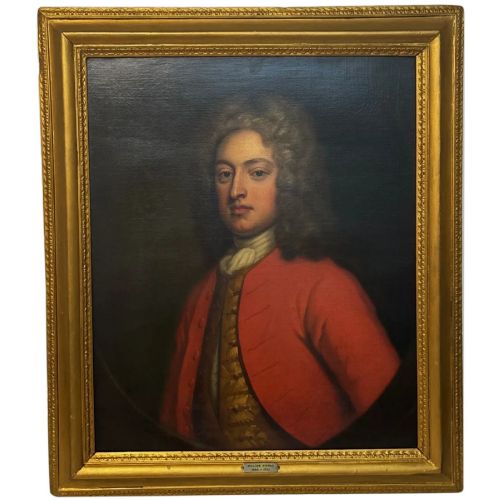
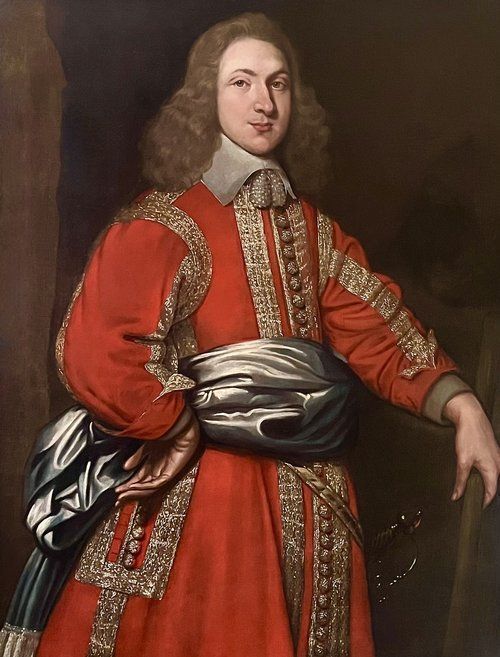
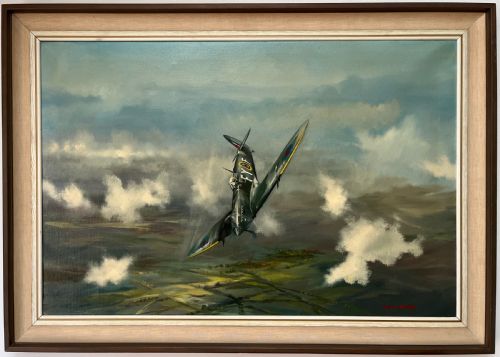
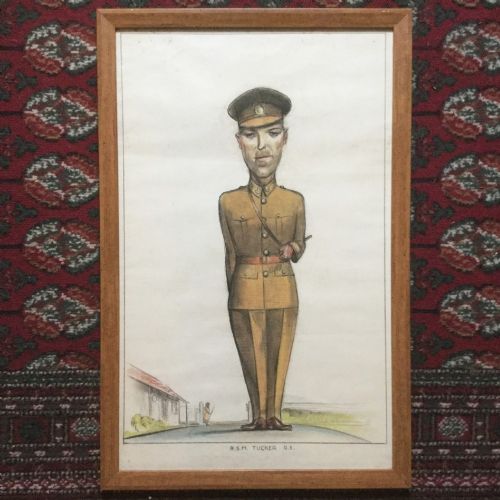
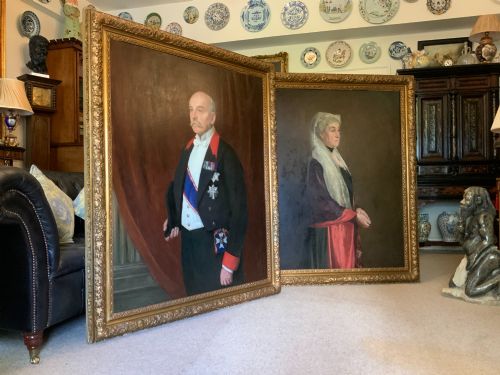
Military wall artwork encompasses oil paintings, watercolours, engravings, and pastels depicting officers, regiments, and naval or cavalry engagements across several centuries. The selection leans heavily towards 18th-century and 19th-century oil portraits of officers in uniform, alongside 20th-century wartime sketches and aviation pieces.
Buyers encounter framed prints, porcelain wall plaques, and panel paintings documenting individual service members, royalty, and historical conflicts. Subjects range from named commanders such as Major-General Sir Stanley Clarke to anonymous soldiers and sailors captured in wartime records.
The assortment spans Georgian grandeur through Victorian commemoration to mid-century realisms and aviation subjects. These pieces serve primarily as historical documentation of military service and portraiture traditions.
Materials and methods
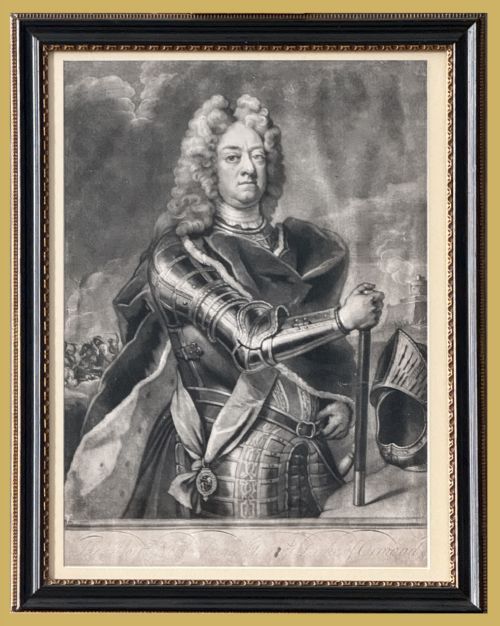
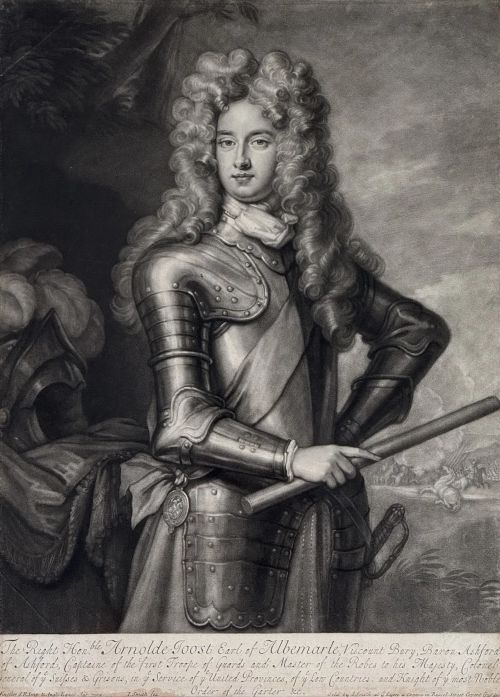
Oil on canvas remains the dominant medium for formal portraits, often framed in period giltwood or heavy wood mouldings. Works on paper utilise ink, pastel, gouache, and watercolour, occasionally finished as engravings or mezzotints.
Panel paintings and porcelain wall plaques offer alternative supports for military subjects executed in the early 20th century. Pigments and inks were applied directly to prepared canvas, paper sheets, or wooden panels to capture fine details of regimental dress and facial likeness.
Listings feature works spanning the 17th century through to the 1960s, executed in oil, pastel, ink, and watercolour.
Judging the pieces
The condition of the primary medium - whether unblemished oil pigment, stable canvas support, or well-preserved paper without excessive foxing - determines the visual integrity of the piece. Original framing, particularly period giltwood surrounds that complement the age of the artwork, adds significantly to the overall cohesion of the object.
Sir Godfrey Kneller·John Simon·John Smith·Bruce Bairnsfather·Paul Leon Jazet
The Military Wall Artwork Glossary
- Mezzotint
- A printmaking process of the intaglio family where the plate is roughened to achieve tonal gradations. This technique allows for rich, velvety dark areas and subtle shifts in shading suitable for portraiture.
- Giltwood
- Wood that has been coated with a thin layer of gold leaf or gilt powder. It is frequently found on the ornate frames enclosing 18th-century and 19th-century oil paintings.
- Gouache
- An opaque water-based paint consisting of pigment, water, and a binding agent such as gum arabic. It dries to a matte finish and provides dense colour blocks in works on paper.
- Engraving
- A printmaking method where an artist cuts lines into a metal plate using a sharp tool called a burin. The resulting incisions hold ink to produce sharp, linear imagery.
Military Wall Artwork: Frequently Asked Questions
How do I date an oil portrait?
Dating relies primarily on the style of the sitter's uniform, wig, and cravat, alongside the construction and patina of the canvas stretcher and frame.
Secondary indicators include inscriptions, signatures, and documentation regarding the artist or sitter's recorded lifespan.
What is the difference between an engraving and an oil painting?
An oil painting is a unique, hand-painted work created with pigmented oils on canvas or panel, carrying distinct brushstrokes and texture.
An engraving is a printed reproduction pulled from an incised metal plate, allowing multiple impressions of the same compositional design.
How should I hang heavy framed portraits?
Heavy giltwood frames and large canvases require secure wall anchors fixed directly into structural studs or masonry rather than standard plaster fixings.
Using professional picture wire and robust mirror plates ensures the weight is distributed evenly across the hanging points.
Are wartime sketches historically accurate?
Wartime sketches and pastel works produced contemporaneously often record immediate conditions, uniform variations, and equipment specific to active service.
Artists working on the front lines captured transient details that formal studio painters relying on memory or standard models might omit.