

Military Art Paintings
Military art paintings record officers, regiments, and naval actions across centuries of oil, watercolour, and pastel work.
Military Art Paintings
Military art paintings depict officers, soldiers, and naval personnel in formal portraits, campaign sketches, and historical battle scenes. These works span from the seventeenth century through to the mid-twentieth century, capturing changing uniforms, regimental insignia, and the evolving status of military commissions.
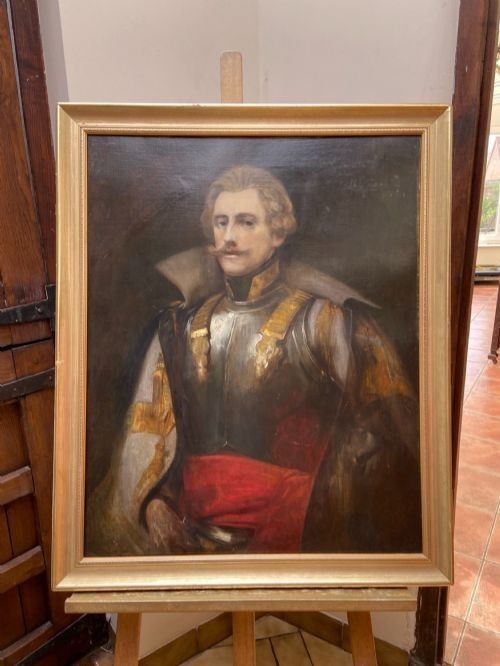
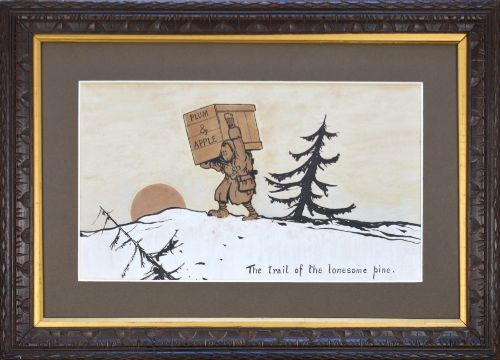
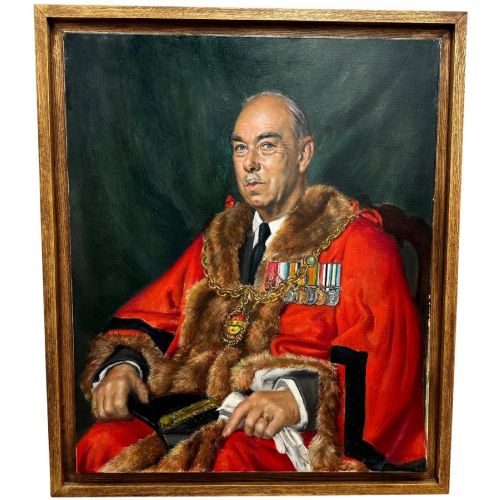
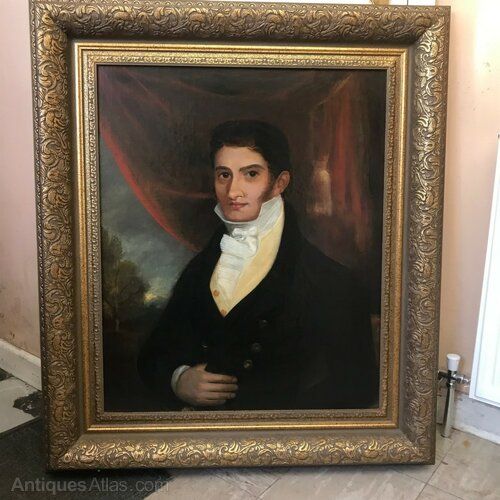
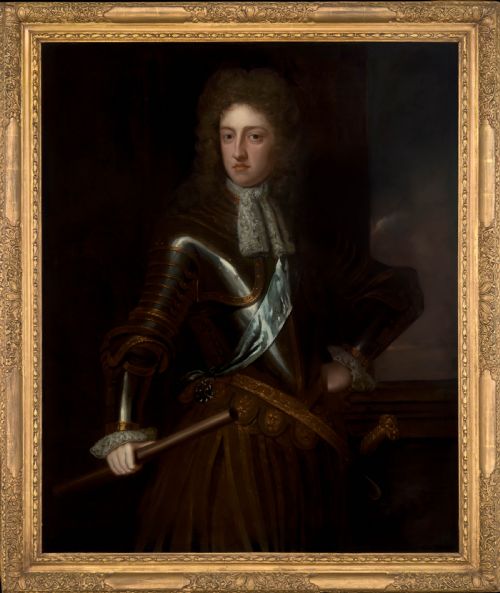
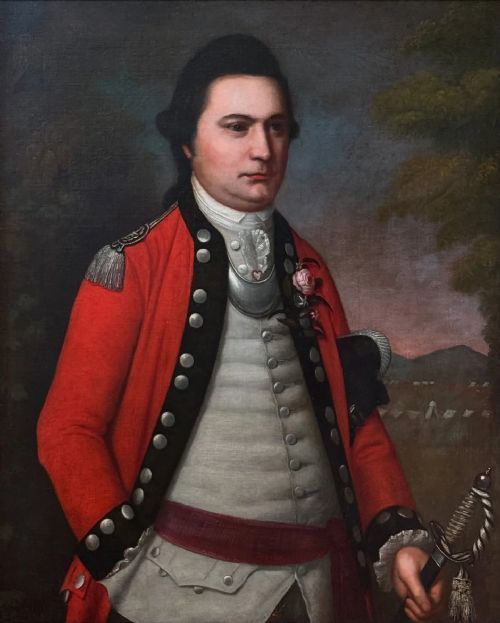
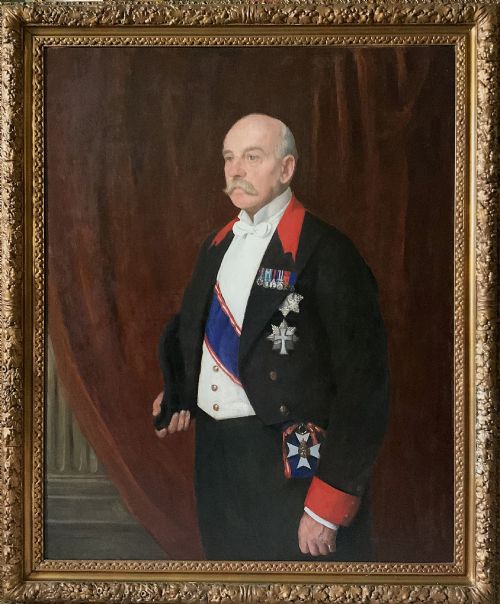
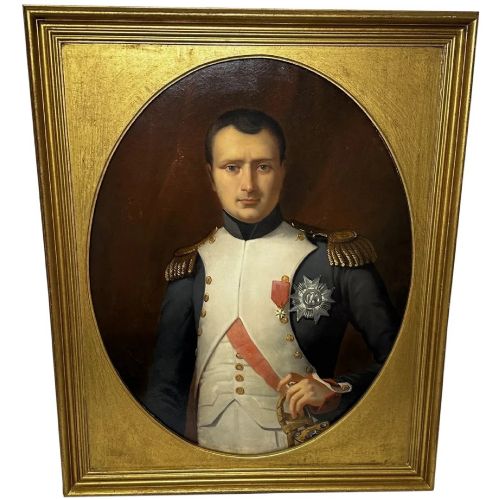
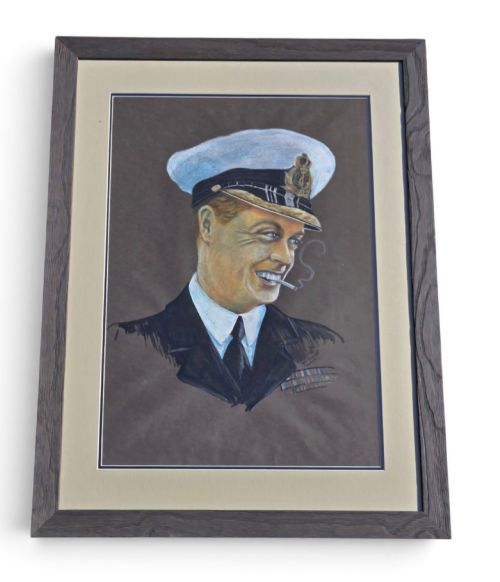
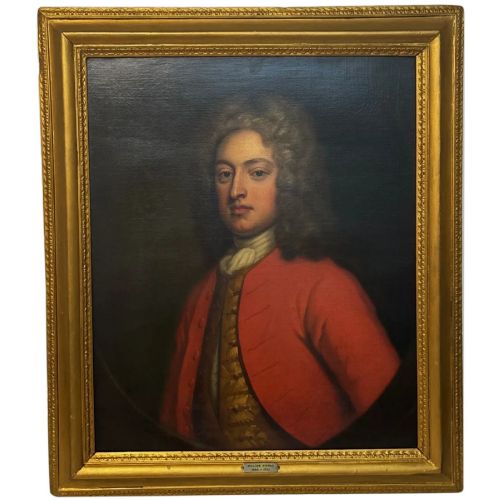
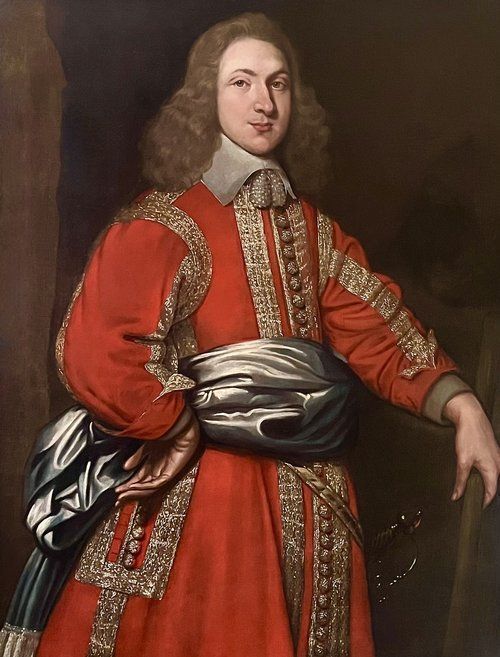
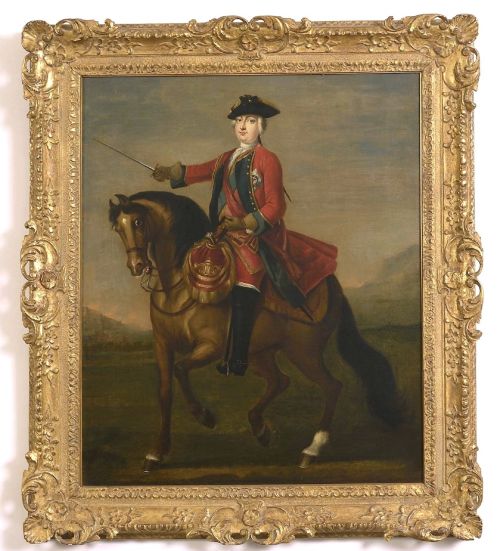
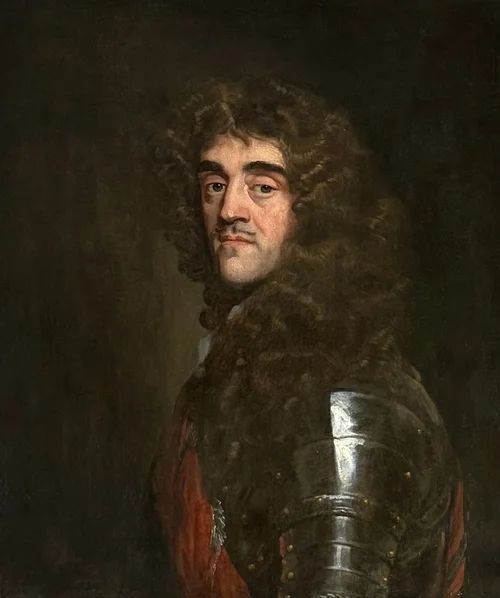
The most frequent form on this page is the oil portrait on canvas, often showing an individual officer in scarlet coats, armour, or full dress uniform. Alongside these formal oils, buyers encounter watercolours, pastels, and gouache drawings that record specific campaigns, ships, and wartime service.
Origins stretch from British and Anglo-Dutch workshops to French and Anglo-Indian military contexts, reflecting the global reach of historic campaigns. The periods represented run from the Baroque era and Georgian regimental commissions through Victorian expansion to wartime sketches of the 1940s.
Materials and technique
Canvas stretched over wooden frames provides the foundation for oil paintings, while works on paper utilise watercolour, gouache, and pastel. Giltwood and plain wood frames enclose the majority of pieces, protecting delicate surfaces and providing structural support.
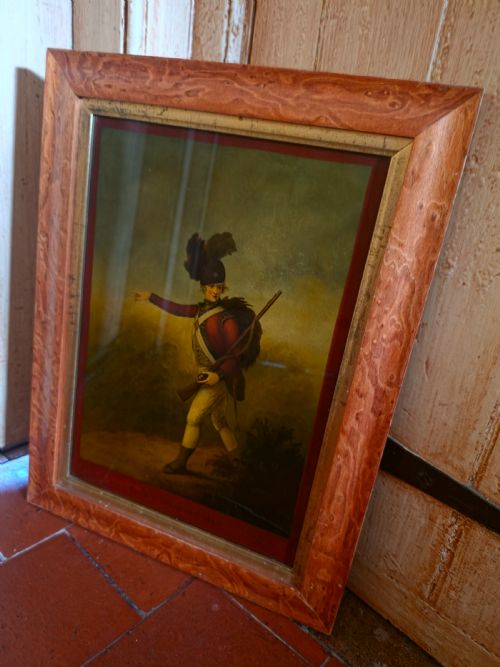
Techniques range from finely layered oil glazes used in seventeenth and eighteenth-century portraiture to rapid wartime pastel and gouache sketches executed on active service. Reverse glass painting techniques also appear, applying pigment directly to glass panels to create durable, reflective images.
Listings feature works spanning the 17th, 18th, and 19th centuries, alongside 20th-century wartime sketches executed in pastel and gouache.
Distinctions in quality
Quality rests upon the skill of the brushwork, the accuracy of uniform and facial detail, and the preservation of the original surface. Master commissions from established studio circles display precise anatomical rendering and careful handling of textiles such as velvet, wool, and polished steel armour.
Bruce Bairnsfather·Bernard Hailstone·Sir Godfrey Kneller·Stickland Lowry·John Greenhill·Sir John Gilbert·Dion Pears·Sir Anthony van Dyck·John Wootton·Thomas Hudson
The Military Art Paintings Glossary
- Oil on Canvas
- Pigment mixed with drying oil applied to a woven fabric support stretched across a wooden frame. This medium allowed artists to build rich colour depths and subtle tonal gradations.
- Gouache
- An opaque water-based paint composed of pigment, water, and a binding agent such as gum arabic, often heightened with white chalk. It dries to a matte finish suitable for detailed military uniform illustrations.
- Reverse Glass Painting
- An artistic technique where the image is painted directly onto the reverse side of a glass sheet and viewed through the front. This method produced glossy, protected surfaces popular for patriotic and naval subjects.
- Pastel
- A dry drawing medium consisting of powdered pigment and a binder rolled into sticks. Artists utilised pastels for rapid, expressive portrait sketches during wartime campaigns.
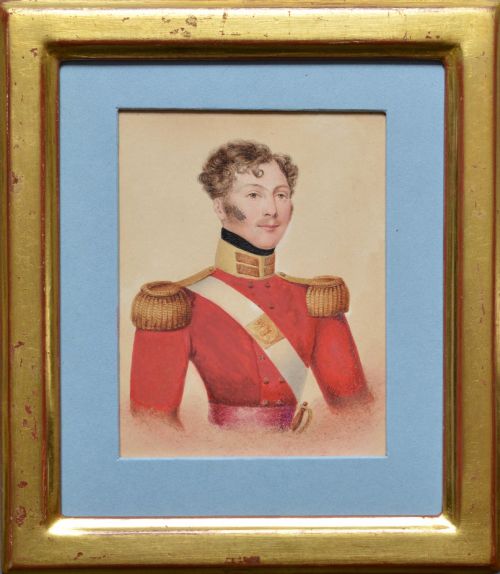
- Portrait Miniature
- A small, highly detailed painting on panel, vellum, or paper that captured an individual's likeness for personal portability. These works often recorded junior officers and naval personnel on active service.
Military Art Paintings: Frequently Asked Questions
How do I identify the regiment in a military portrait?
Regimental identity is typically determined by the uniform facings, lace patterns, collar badges, and buttons shown in the painting. Contemporary records and army lists help match these details to specific historical units.
Inscriptions on the reverse of the canvas or on the original frame often provide the sitter's name, rank, and regiment, offering a direct starting point for research.
What is the difference between an oil painting and a wartime sketch?
Oil paintings on canvas were major, formal commissions completed in artist studios over extended periods. They served to record high-ranking officers, nobility, and significant military figures in permanent detail.
Wartime sketches executed in pastel, gouache, or watercolour were rapid field works produced close to the action. These drawings capture immediate service conditions and day-to-day military life rather than formal status.
How should I hang and light historic military paintings?
These works require stable indoor environments away from direct sunlight, high humidity, and rapid temperature fluctuations. North-facing walls or rooms with controlled ambient lighting help protect delicate watercolours and oil pigments from fading.
Use picture lights equipped with low-heat, ultraviolet-filtered bulbs to illuminate the canvas without risking damage to the aged materials.
Why do some military portraits feature armour long after it went out of use?
Armour was frequently included in seventeenth and eighteenth-century portraiture as an artistic convention denoting high status, chivalry, and martial authority. Sitters often chose to wear classical breastplates even when contemporary battlefield dress had shifted to wool coats.
This stylistic choice linked the modern officer to a long tradition of military leadership and historical nobility.