


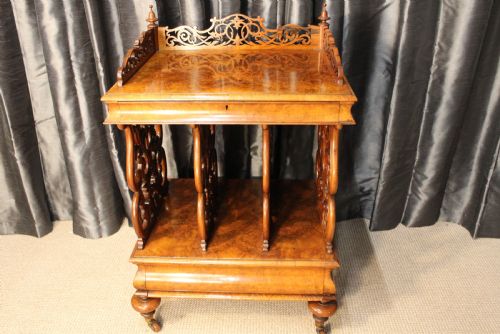


Mid Victorian Storage Cabinet
These mid victorian storage cabinet examples span bookcases, sideboards, and wardrobes that bring period timber and brass into the home.
Mid Victorian Storage Cabinet
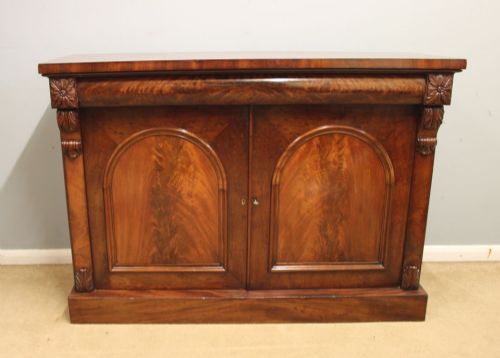
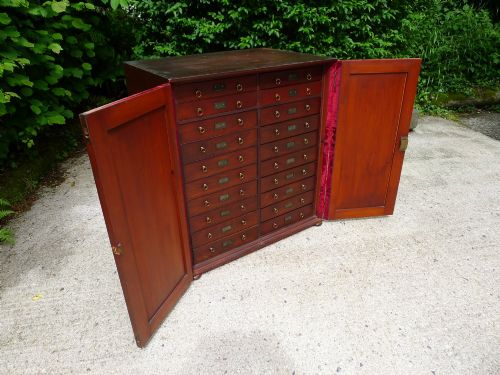
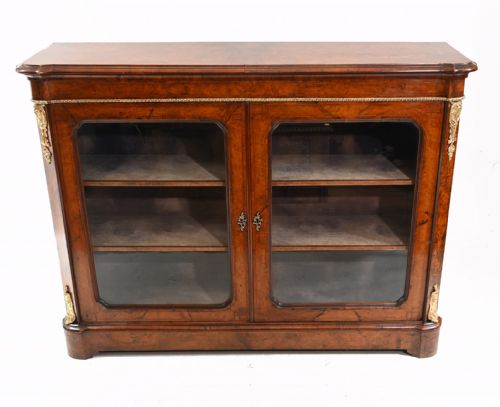
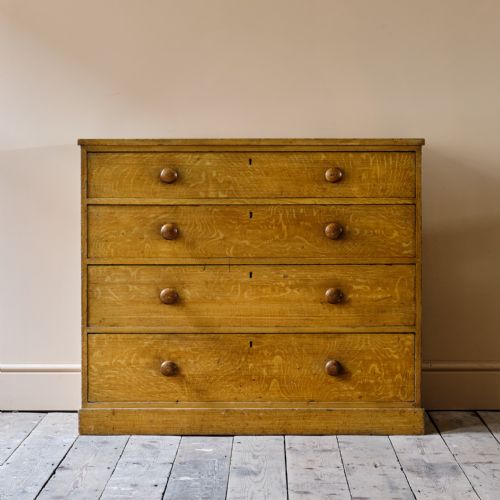
When searching for a mid victorian storage cabinet, buyers encounter a diverse selection of nineteenth century furniture designed for domestic utility and display. The pieces on this page include bookcases, sideboards, collectors cabinets, pier cabinets, chests of drawers, wardrobes, credenzas, and dressers.
The objects stem from the Victorian period, with specific dates spanning the eighteen-fifties through the eighteen-eighties. Styles range from plain Victorian country pieces to Victorian Rococo Revival and Georgian Revival designs.
Mahogany and walnut predominate, alongside burr walnut, deal, and pine. Functional forms vary from tall library bookcases and compactum wardrobes to music canterburys and kitchen dressers.
How they were made
Cabinet makers utilised solid timbers such as mahogany and deal alongside decorative veneers including burr walnut and mahogany veneer. Many surfaces feature applied polish and original paint.
Structural hardware relied on brass fittings to secure doors, drawers, and shelving units. Glazed doors incorporate glass panels for display purposes, while interiors often utilise deal or secondary woods.
Listings feature items from the Victorian period across the eighteen-fifties, sixties, seventies, and eighties.
What varies in quality
Quality differentiates through the selection of timber veneers and the intricacy of the revival style applied. Superior examples exhibit broad proportions, fine faded patina, and careful matching of burr walnut figures.
Construction standards appear in the handling of secondary woods like deal, the retention of original paint surfaces, and the execution of detailed mouldings rather than simpler country builds.
The Mid Victorian Storage Cabinet Glossary
- Compactum
- A large fitted wardrobe designed with multiple internal compartments for hanging space and drawers. This form maximised bedroom storage during the nineteenth century.
- Chiffonier
- A low sideboard or cabinet featuring enclosed lower cupboards and often a raised shelf back. It served utility and display roles in Victorian dining rooms.
- Canterbury
- A small multi-tiered stand originally built for holding sheet music or books. These freestanding items often incorporate slatted dividers and small carrying handles.
- Pier Cabinet
- A narrow display cabinet designed to fit wall spaces between windows. They typically feature glass doors to protect collections and books.
- Credenza
- A low sideboard or cabinet without legs, frequently topped with marble. Originating in Italy, the form gained popularity in mid nineteenth century formal rooms.
Mid Victorian Storage Cabinet: Frequently Asked Questions
What woods were used for mid Victorian cabinets?
Makers relied heavily on mahogany and walnut, frequently selecting burr walnut for decorative veneer faces. Deal and pine also served as structural or secondary woods in utility pieces.
Surface treatments ranged from polished finishes and fine patinas to original paint on country examples.
How do I identify a mid Victorian bookcase?
Mid Victorian bookcases span open front designs, tall library proportions, and two-door cabinet bookcase configurations. They often show Georgian Revival stylistic influences or straightforward Victorian framing.
Inspect the joinery and timber selection to distinguish between formal library pieces and country kitchen dressers.
What is a compactum wardrobe?
A compactum wardrobe is a large multi-section storage piece designed to hold varied garments and linens within one unified frame. These mid nineteenth century items combine hanging space with banks of internal drawers.
Their substantial presence makes them suited to spacious bedrooms requiring period utility.
Where were pier cabinets placed?
Pier cabinets were constructed to stand against the narrow wall space between tall windows, known as the pier. Their slender proportions allowed them to provide display and storage without blocking light.
Glass doors kept dust away from delicate collections and books inside.
How do revival styles affect these cabinets?
Revival styles draw upon earlier design languages, introducing Rococo or Georgian motifs to mid nineteenth century forms. These aesthetic choices reflect Victorian tastes for historical association.
They appear in carved details, proportional balance, and surface ornamentation on standard cabinetry.