


Antique Plan Chest Drawers
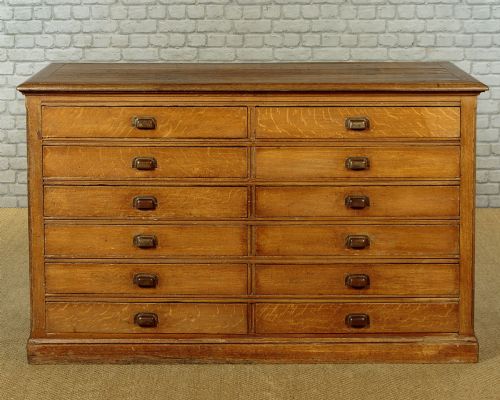
These antique plan chest drawers provide deep, multi-tiered storage built for maps, drawings and specimens.
Antique Plan Chest Drawers
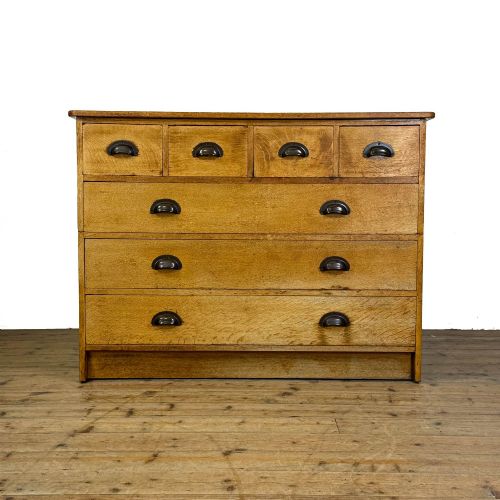
When you search for antique plan chest drawers, you encounter substantial multi-drawer storage units designed for architectural plans, maps and specimens. The selection spans the 18th century through to the mid-20th century, drawing on periods such as George III, Victorian and Edwardian eras.
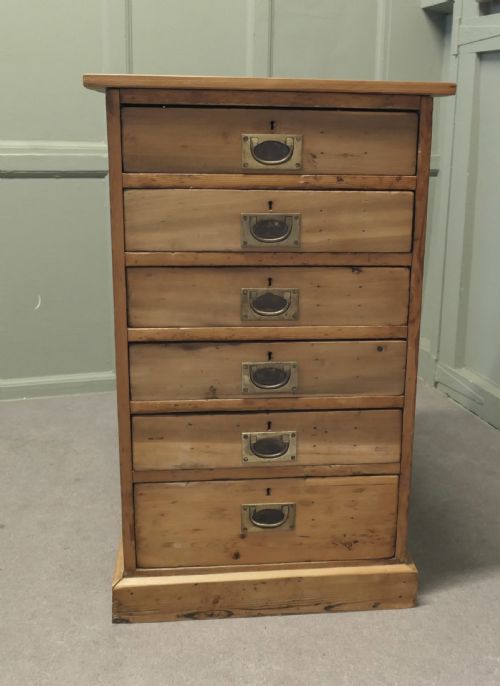
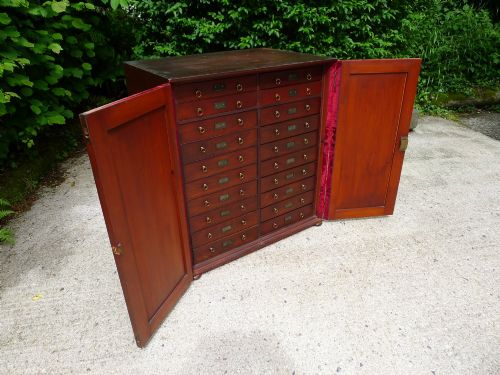
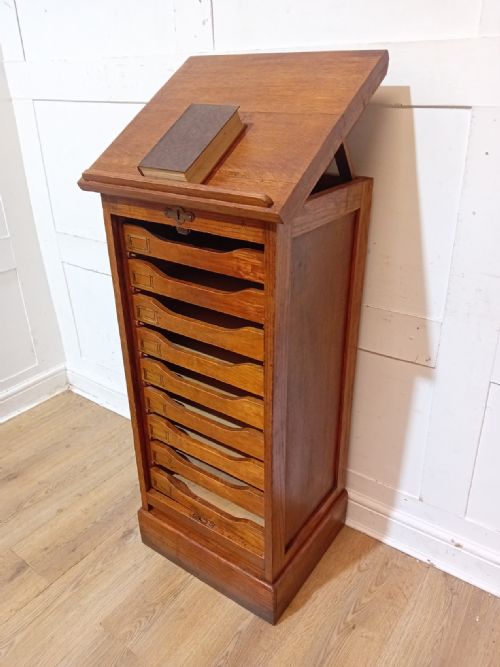
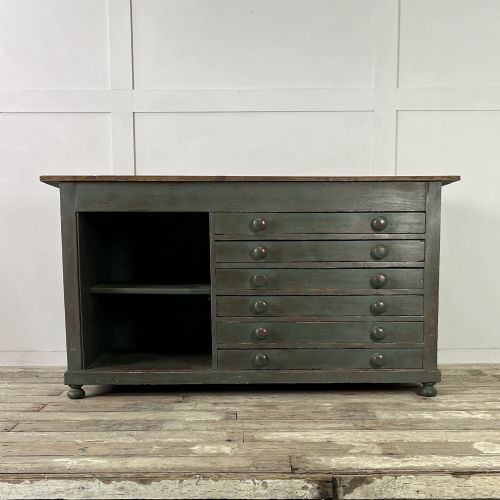
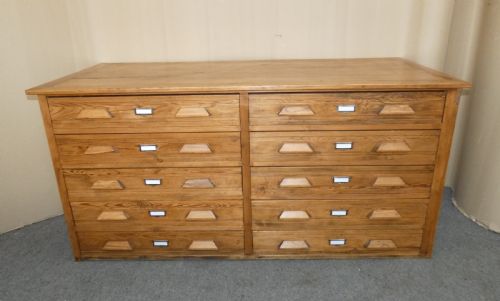
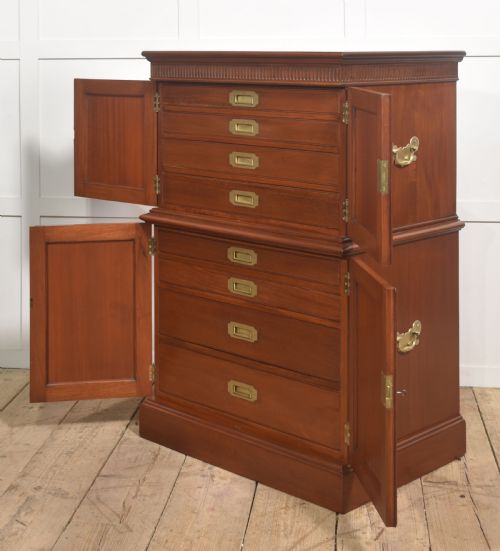
You meet various forms on this page, including shallow pine filing drawers, collectors cabinets, haberdashery units and large floor-standing folio cabinets. Materials range from mahogany and oak to deal, pine, walnut and pitch pine.
The pieces often originate from offices, workshops, artists' studios and solicitors' chambers, built to handle heavy daily use. They offer exceptional depth and surface area, making them practical for modern home storage and display.
How they were made
Cabinet makers utilised robust timbers such as oak, mahogany, pine and deal to construct the carcase and housing for the numerous drawers. Flame mahogany veneer and red walnut or fruitwood appear on finer examples, paired with brass handles and label holders.
Construction prioritised durability, employing solid plank ends, dovetailed drawer joints and heavy-duty runners to support dense paper archives or specimens. Finishes include wax, stain and polish applied to highlight the natural grain of the wood.
Materials documented across the inventory include brass, mahogany, pine, oak, metal, flame mahogany veneer, deal and velvet.
What varies in quality
The distinction between standard utility workshop furniture and high-end cabinet making lies in the choice of primary timber and secondary veneers. George III and Victorian pieces by documented makers feature superior joinery, fine brass hardware and sophisticated proportions.
Drawer operation and internal configuration dictate the overall merit of a piece. Smooth-running banks with numerous shallow tiers or specialised compartments for eggs, specimens and folios command greater appreciation than utilitarian pine boxes.
Shapland & Petter
The Antique Plan Chest Drawers Glossary
- Plan chest
- A wide, shallow multi-drawer cabinet originally designed for storing architectural plans and large maps. They typically feature panelled sides and brass pull handles.
- Collectors cabinet
- A specialised piece with numerous small drawers built to house natural history specimens, coins or eggs. They often include glass doors or fitted interiors.
- Haberdashery drawers
- Commercial storage units featuring many glass-fronted or shallow drawers used in shops for ribbons and small goods. They translate well into domestic settings for modern organisation.
- Deal
- A softwood timber, usually fir or pine, commonly used for the carcases and internal drawer construction of 19th-century utility furniture. It provides a stable and economical base.
- Folio cabinet
- A tall or floor-standing piece designed to hold large paper folios and artwork flat. George III versions represent the height of this form.
Antique Plan Chest Drawers: Frequently Asked Questions
How do I clean an old pine plan chest?
Dust the exterior gently with a dry, soft cloth to remove surface particles without disturbing the underlying finish.
Apply a traditional beeswax polish sparingly with a clean cloth, then buff softly to maintain the natural sheen of the timber.
Can I use a plan chest as a kitchen island?
The generous top surface and sturdy carcase make these cabinets ideal for placement in large kitchens. Ensure the height is comfortable for food preparation before installation.
Protect the wooden surface from moisture and heat by applying appropriate seals or placing a suitable topper on the chest.
What is the difference between a plan chest and a collectors cabinet?
Plan chests feature wide, exceptionally shallow drawers built for large sheets of paper, architectural drawings and maps. They prioritize horizontal surface area over depth.
Collectors cabinets contain many smaller, partitioned drawers specifically designed for organising small items, specimens, insects or coins.
How do I identify a George III plan chest?
Look for timber choices characteristic of the period, such as solid mahogany with fine grain patterns and hand-cut dovetail joints. The proportions remain classic and restrained.
Examine the brass hardware, which typically includes swan neck handles and solid backplates consistent with 18th-century cabinet making.