
Mid Victorian Seating
Mid victorian seating brings together substantial dining chairs, comfortable armchairs, and compact stools shaped by nineteenth-century cabinet makers.
Mid Victorian Seating
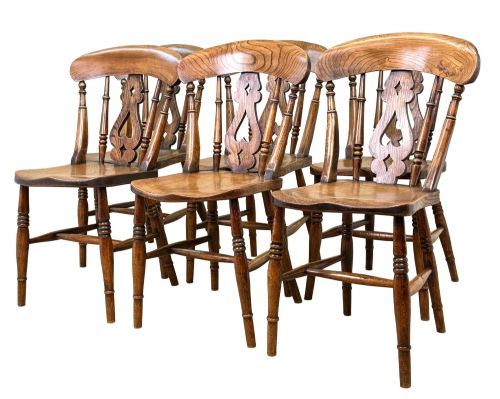
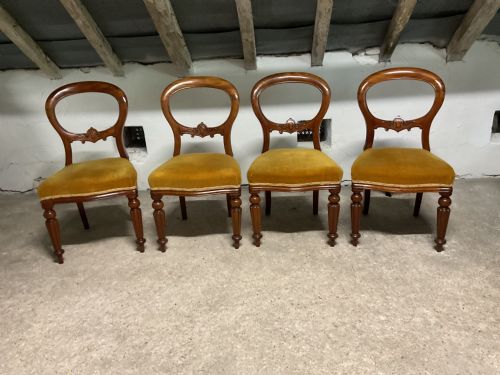
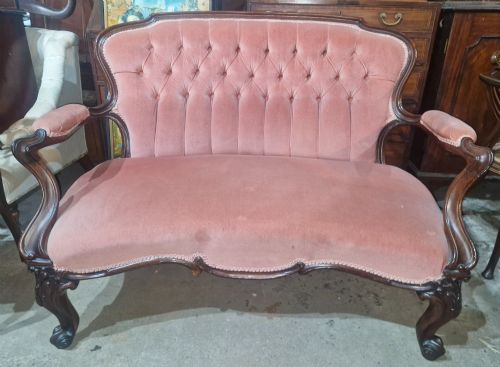
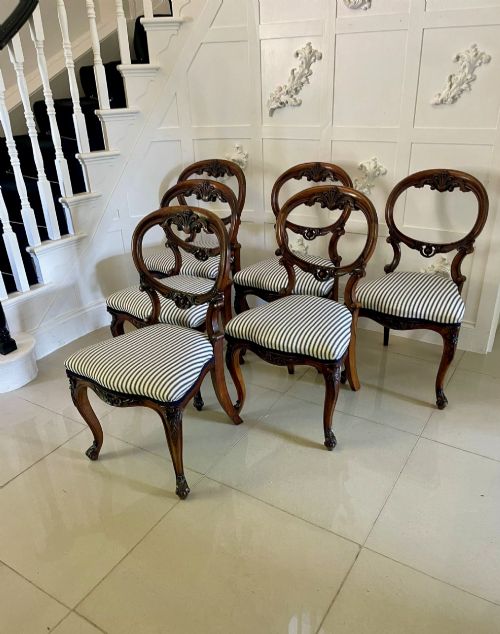
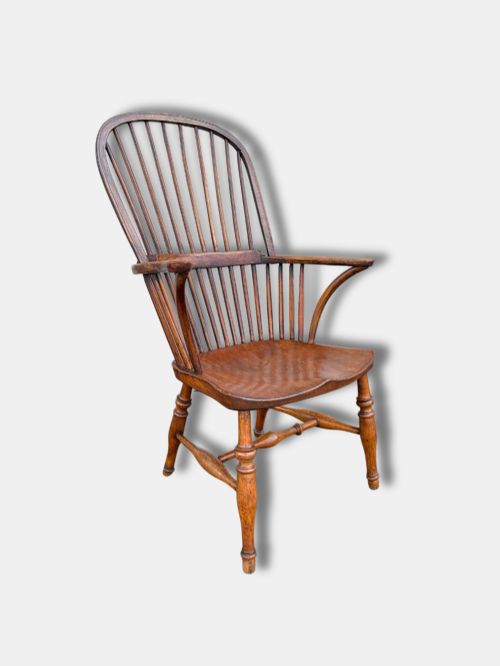
Mid victorian seating encompasses a diverse array of domestic chairs, benches, and stools dating primarily from the middle decades of the nineteenth century. Buyers searching for mid victorian seating will encounter formal dining chairs with balloon backs alongside robust country Windsor chairs and upholstered library armchairs.
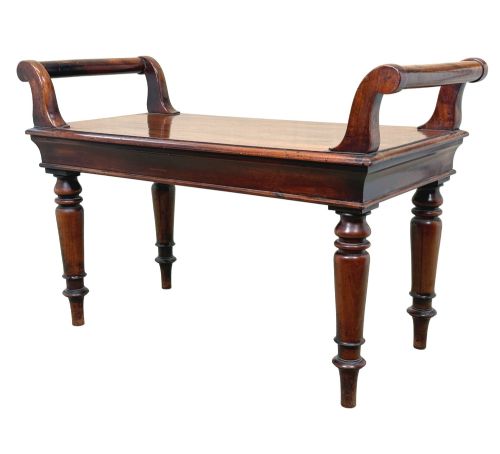
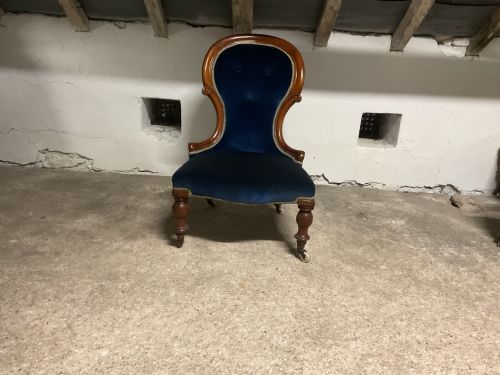
The selection frequently includes specialised forms such as nursing chairs, low slipper chairs, window seats, and hall chairs designed for specific rooms within the Victorian home. Walnut, mahogany, and rosewood predominate in formal urban pieces, while ash, elm, and oak define the regional country seating tradition.
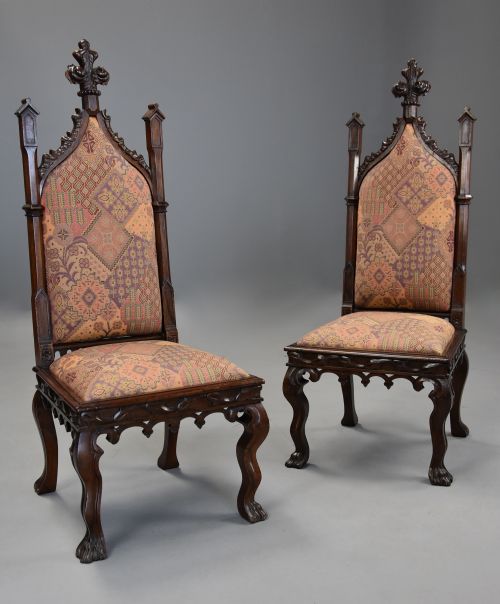
Makers of this period adapted historical motifs, producing items in Gothic revival, rococo revival, and simpler vernacular styles. Sets of dining chairs appear alongside single occasional chairs, salon chairs, and piano stools.
Materials and construction
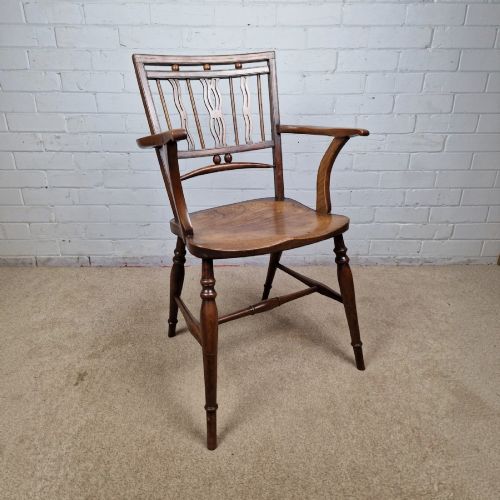
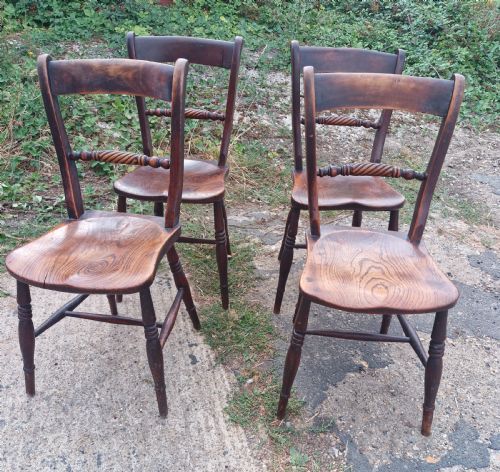
Cabinet makers utilised dense hardwoods such as mahogany, walnut, and rosewood for urban parlour and dining room furniture, often employing intricate carved details on frames and legs. Country pieces relied on ash, elm, yew, and oak, combining turned spindles with solid timber seats.
Upholstered items incorporated traditional stuffing and springs covered in contemporary fabrics, velvet, or needlepoint. Brass fittings, giltwood finishes, and occasional papier mache appeared on specialised salon and reception seating.
Mid Victorian Seating Retail Price Guide 2026
Typical asking prices for mid victorian seating among the pieces listed under this phrase on Sellingantiques today, from the lower quarter to the upper quarter. They describe what is for sale here now, not the wider market.
The inventory records pieces dated across the nineteenth century, with a concentration on the central decades from eighteen-fifty to eighteen-eighty.
Judging the standard of manufacture
The distinction between ordinary and superior mid victorian seating rests on the crispness of the timber carving, the selection of figured wood veneers like burr maple or rosewood, and the structural integrity of the joinery. Finer pieces demonstrate careful attention to proportion and finish.
Original upholstery methods and period fabric choices distinguish high-status workshop production from utilitarian items. Gillows and Howard and Sons output represents the upper tier of documented construction.
W A Willcocks·Gillows·Howard and Sons
The Mid Victorian Seating Glossary
- Balloon back
- A rounded, hoop-shaped chair back popular in mid nineteenth-century dining chairs. This design provided comfortable support while allowing decorative wood grain to show.
- Windsor chair
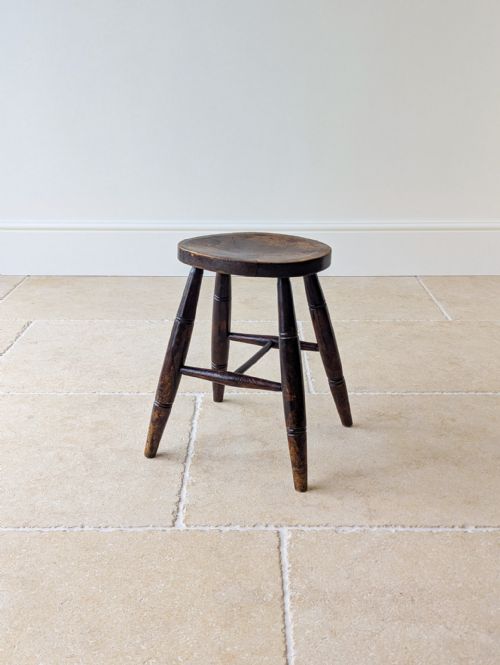
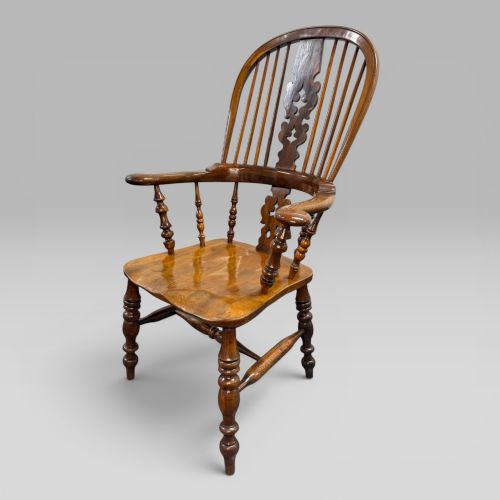
- A wooden chair built with a solid saddle-seat into which legs and a back are wedged. These pieces often combine ash and elm construction.
- Nursing chair
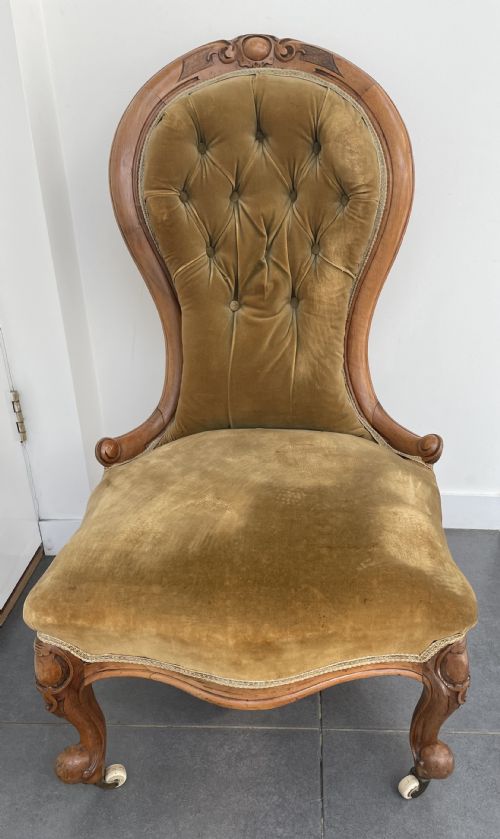
- A low-seated chair designed for comfort and ease of holding infants. These forms often feature upholstered sprung seats and low backs.
- Cabriole leg
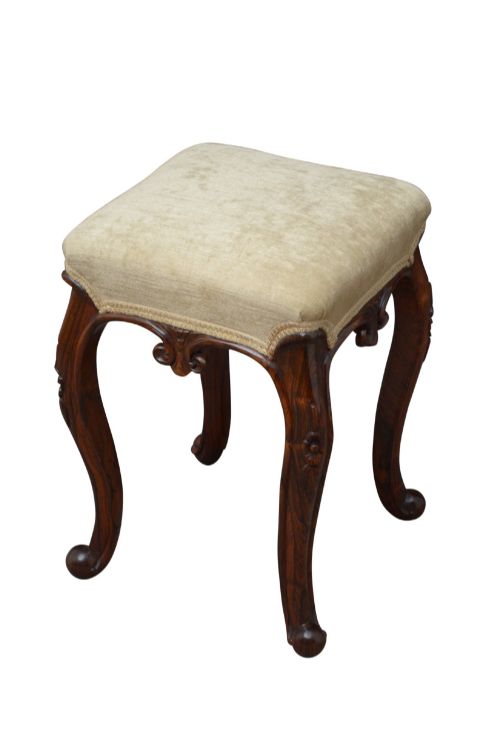
- A furniture leg that curves out and then in, resembling an animal leg. This form appears frequently on mid-period stools and dressing furniture.
Mid Victorian Seating: Frequently Asked Questions
What defines mid victorian seating?
These pieces date from the central decades of the nineteenth century, spanning various revival styles and utilitarian country forms. They include dining sets, armchairs, and small stools.
Craftsmen built them using native and imported hardwoods, applying diverse upholstery methods ranging from simple wood seats to complex sprung cushions.
How do I identify a Windsor chair?
Windsor chairs feature a distinct construction where turned legs and back spindles fit directly into a thick, shaped wooden seat. They typically utilise ash and elm.
Country makers produced these robust seats for everyday domestic use, resulting in practical designs that survive in farmhouse kitchens.
Where were hall chairs placed?
Hall chairs stood in entranceways and corridors of nineteenth-century homes, serving as functional seating for visitors or household staff. They often featured solid wooden seats and carved armorial or panel backs.
Constructed mainly from mahogany or oak, these rigid chairs were built to withstand heavy use in drafty hallways.
What is a nursing chair?
A nursing chair is an upholstered seat built lower to the ground than standard parlour chairs. The reduced height accommodated the clothing fashions and practical needs of the period.
These pieces frequently pair walnut frames with sprung padding and recovered fabric or needlepoint.