
Mid Victorian Seat
Mid victorian seat pieces encompass dining chairs, armchairs, benches, and stools crafted during the middle decades of the nineteenth century that bring period character to modern interiors.
Mid Victorian Seat
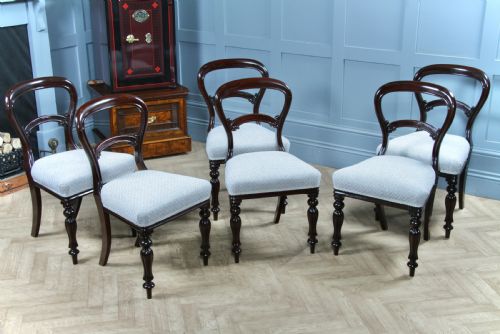
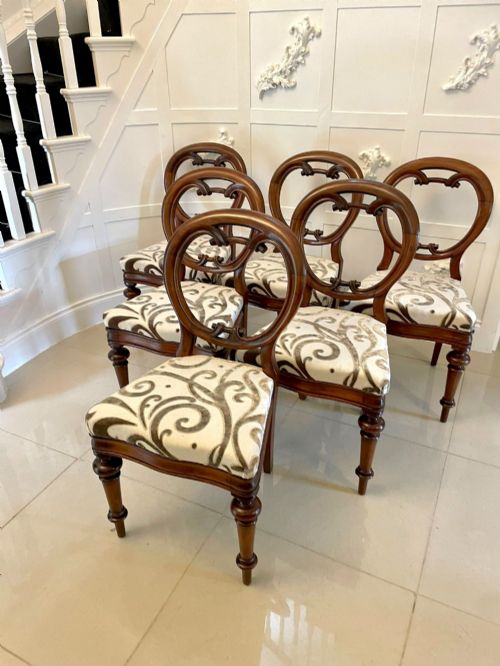
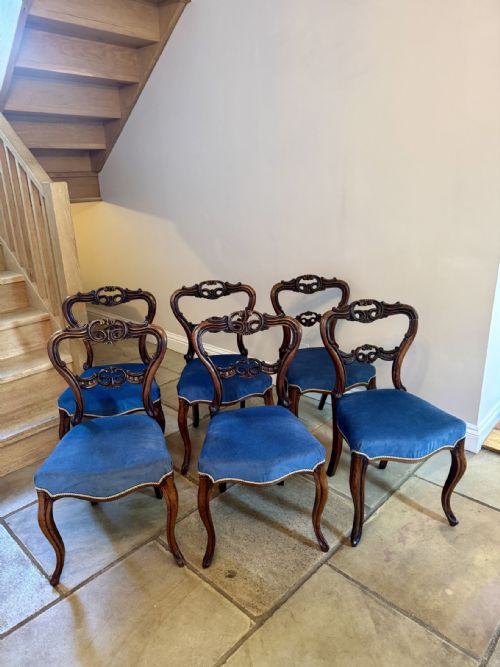
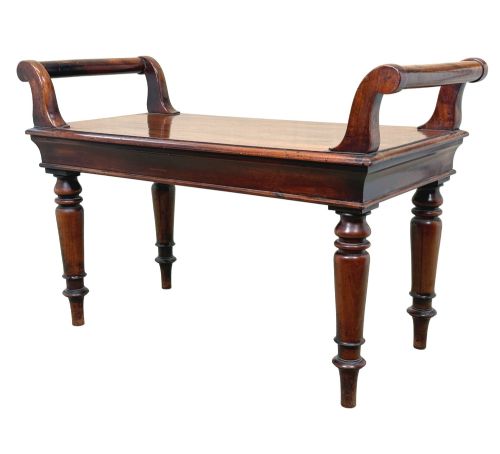
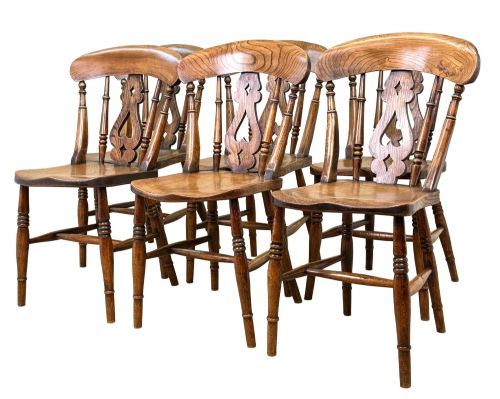
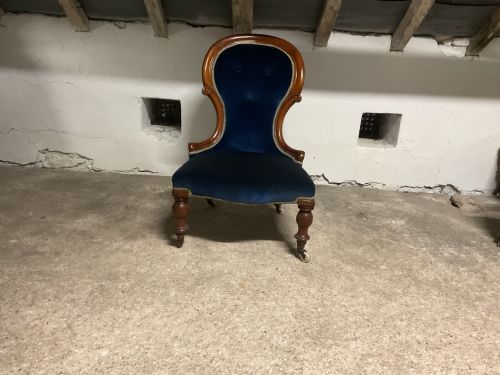
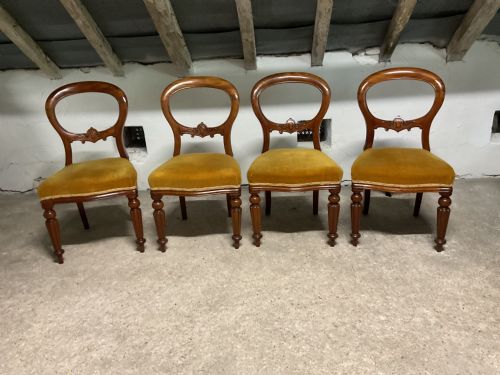
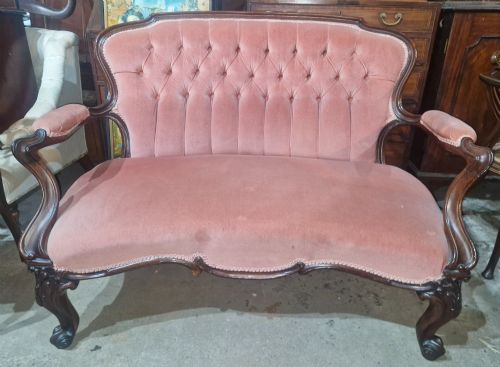
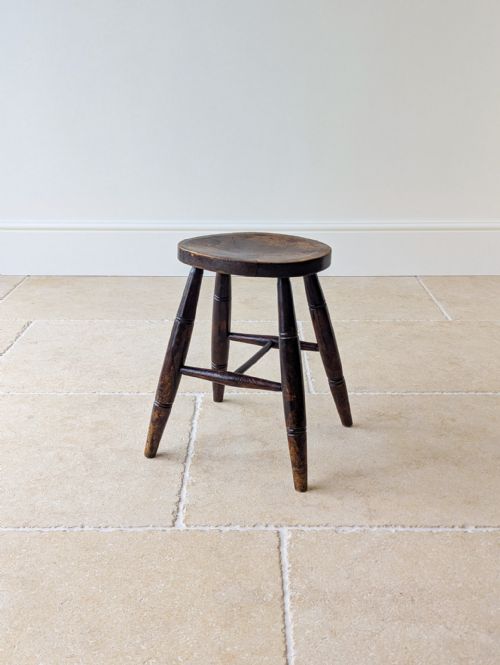
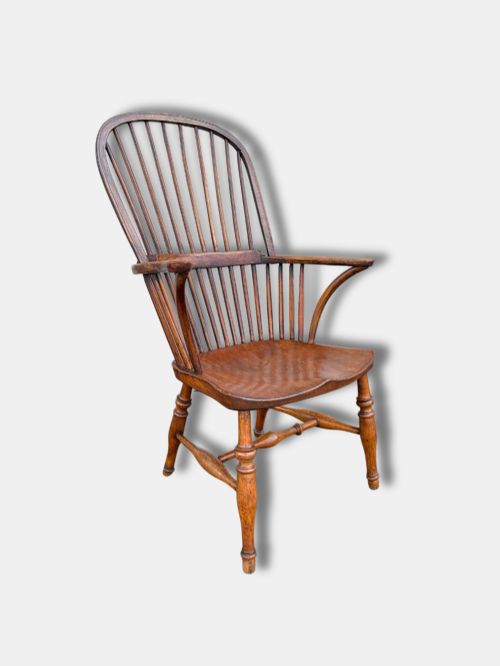
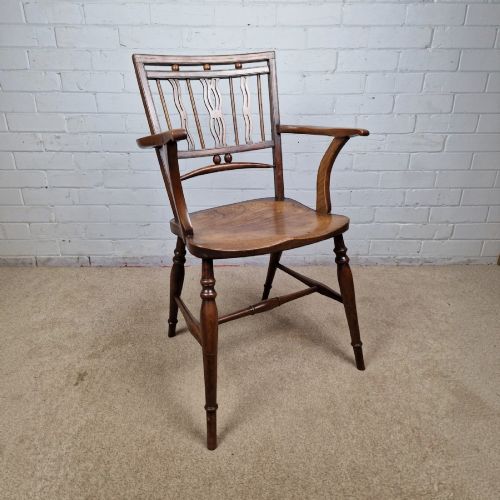
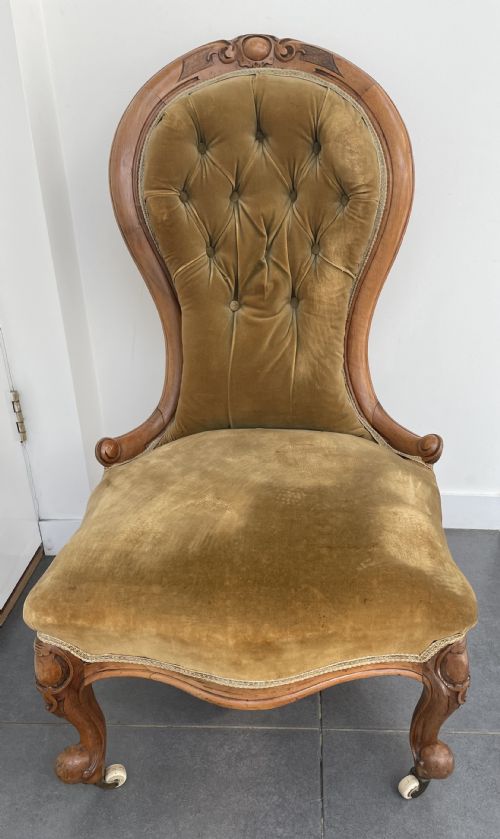
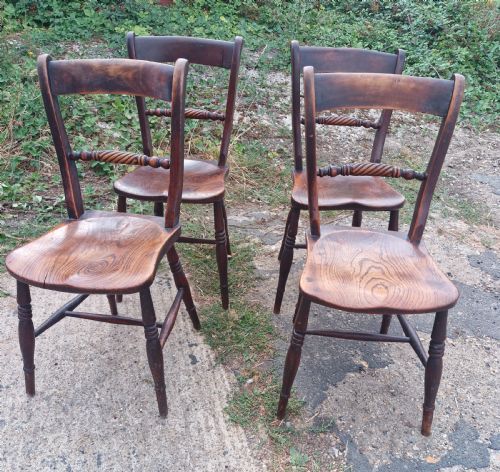
A mid victorian seat spans dining chairs, nursing chairs, window seats, and armchairs produced across the nineteenth century, most frequently appearing from the eighteen fifties and sixties. Buyers encounter domestic seating ranging from mahogany balloon back dining chairs and rosewood salon pieces to robust ash and elm Windsor chairs.
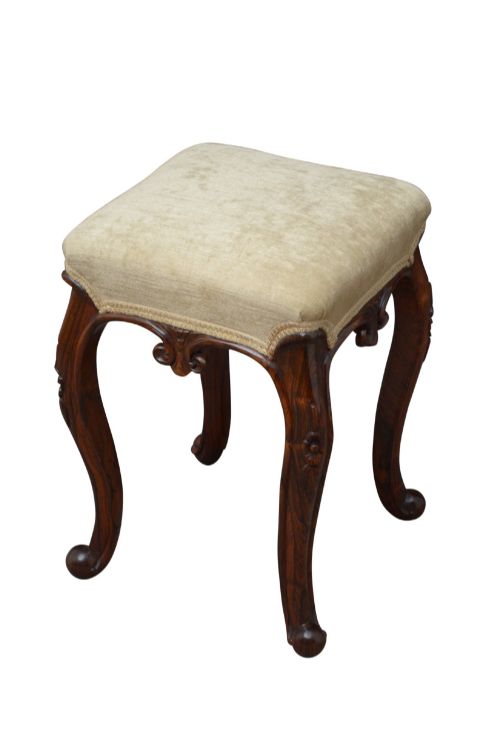
The category incorporates specialised forms such as slipper chairs, piano stools, hall chairs, and campaign chairs. These items reflect the diverse social and domestic functions of the period, from formal dining rooms to private bedrooms and libraries.
Materials and construction methods
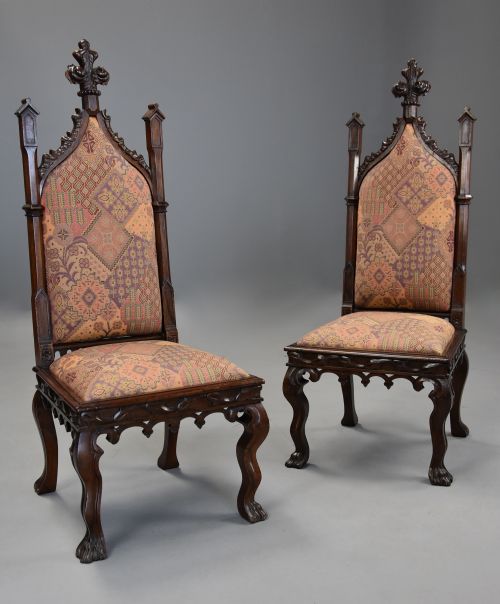
Cabinet makers utilised dense hardwoods including mahogany, walnut, rosewood, and oak for formal parlor and dining furniture, frequently shaping frames with carved ornamentation or scrolling details. Country furniture makers relied on native timbers such as ash, elm, yew, and beech to construct robust Windsor and kitchen elbow chairs.
Upholstered items combined traditional stuffing techniques with fabric, velvet, needlepoint, or leather coverings. Frames incorporated mortise and tenon joinery alongside turned or cabriole legs to ensure stability.
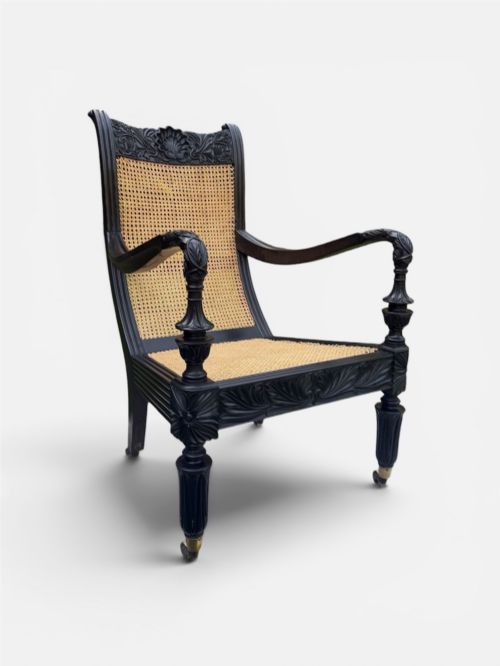
Recorded periods span from early Victorian production through eighteen eighty, encompassing Gothic revival and occasional Anglo-Indian designs.
Distinctions in construction and finish
Quality depends on the selection of timber and the precision of the carved details on frames and legs. Pieces retaining original show woods, uncompromised joinery, and period upholstery or correct secondary timbers command greater attention.
Makers and workshops of note introduce higher refinement through balanced proportions, crisp carving, and substantial gauge timber. Lesser examples show simpler execution, replaced components, or diminished framing integrity.
W.A. Willcocks·Gillows·Howard and Sons
The Mid Victorian Seat Glossary
- Balloon back
- A chair back shaped in a continuous curved loop resembling a balloon, characteristic of nineteenth century dining chairs. This design provided ergonomic support while allowing ornate carving on the wooden frame.
- Windsor chair
- A wooden seating form featuring a solid carved seat into which legs and stick backs are wedged. Common country versions combine ash and elm timbers.
- Nursing chair
- A low-seated upholstered chair designed for comfort and ease near nursery fires or dressing rooms. These items often feature generous padding and decorative fabric.
- Cabriole leg
- A furniture leg that curves outward at the knee and tapers inward toward the foot. This classical shape appears frequently on mid nineteenth century stools and chairs.
- Fauteuil
- An open-armed upholstered armchair with exposed wooden framing originating from French furniture traditions. English makers adopted this style during the nineteenth century for formal reception rooms.
Mid Victorian Seat: Frequently Asked Questions
How do I identify a mid nineteenth century chair?
Examine the timber selection, joinery methods, and stylistic cues such as balloon backs or cabriole legs. Construction details like hand-cut screws and traditional stuffing point toward the nineteenth century.
Compare the proportions and decorative motifs against documented examples from the eighteen fifties and sixties to confirm the manufacturing era.
Were these chairs used for dining?
Many examples on this page served as dining chairs, particularly mahogany balloon back sets and farmhouse Windsor chairs. Dining sets were produced in quantities of four, six, or ten to suit domestic tables.
Single chairs often functioned as occasional seating in bedrooms, halls, or libraries rather than around a formal dining table.
What woods were commonly used?
Cabinet makers preferred rich hardwoods including mahogany, walnut, and rosewood for formal parlor and dining furniture. These woods often received a polished finish to highlight natural grain patterns.
Country makers selected native timbers such as ash, elm, oak, and yew for functional seating like Windsor chairs and kitchen armchairs.
How should I care for antique upholstery?
Protect antique fabric and needlepoint surfaces from direct sunlight to prevent fading and textile degradation. Regular gentle vacuuming with a soft brush attachment removes dust without stressing historic fibres.
Consult a specialist restorer if internal stuffing requires stabilization or if structural repairs to the wooden frame become necessary.