
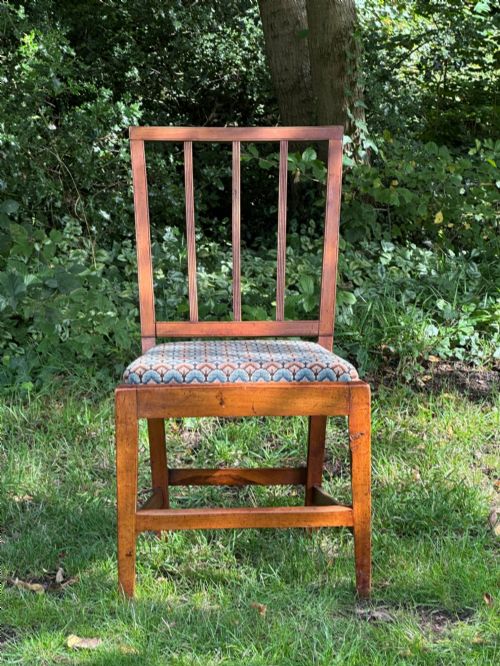
Solid Wooden Side Chair
A solid wooden side chair brings tactile presence to a room, offering robust construction and enduring utility across centuries of design.
Solid Wooden Side Chair
When you search for a solid wooden side chair, you encounter a diverse range of seating designed for dining rooms, halls, and kitchens. These items function as adaptable furniture pieces that combine structural integrity with period character, originating from various eras including the Georgian, Regency, and Victorian periods.
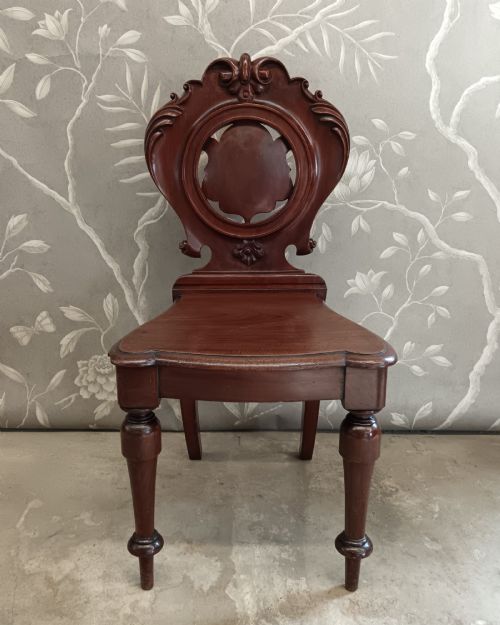
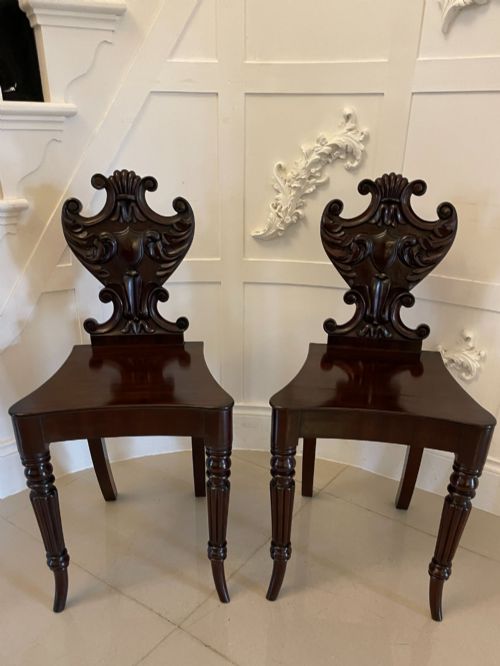
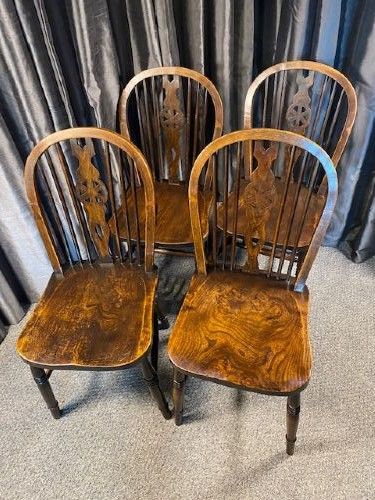
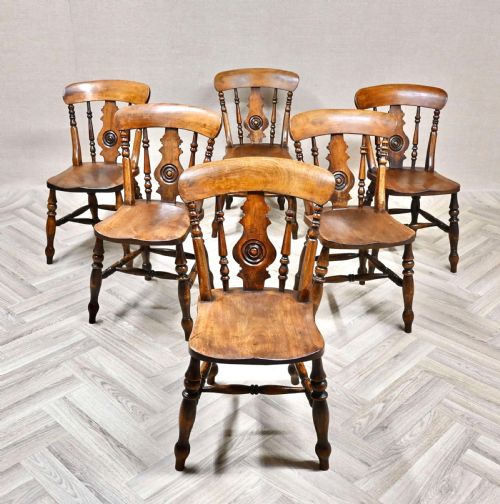
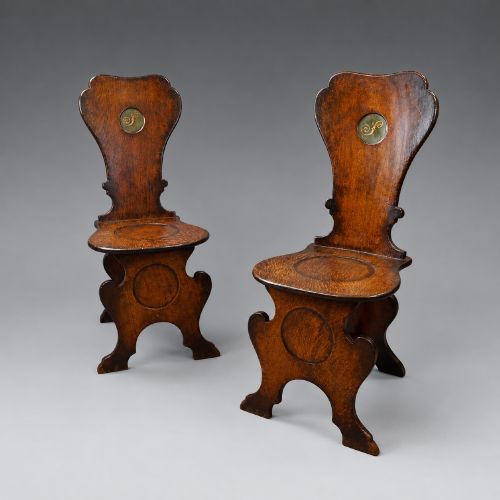
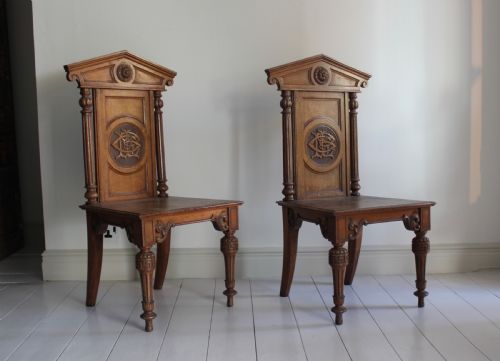
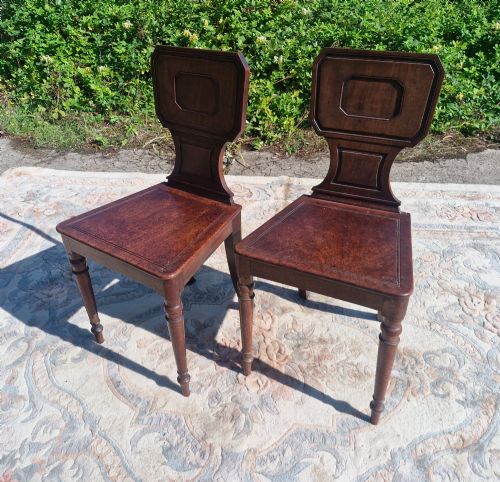
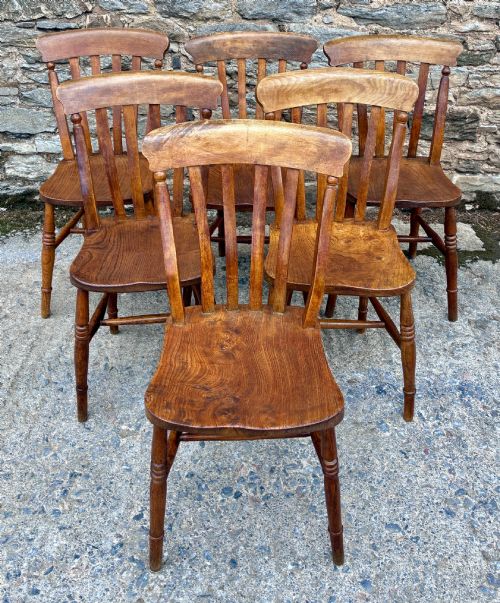
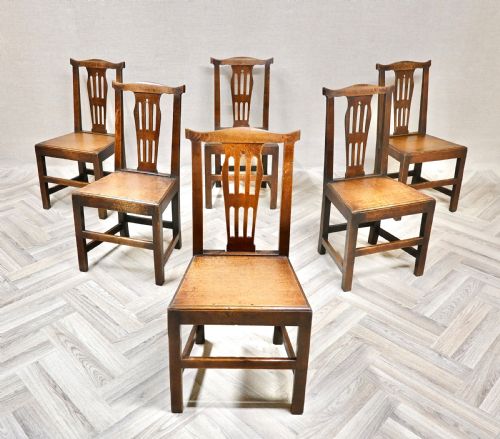
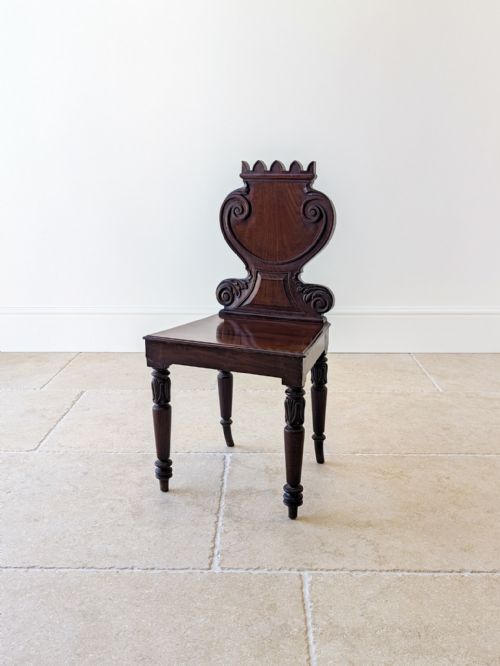
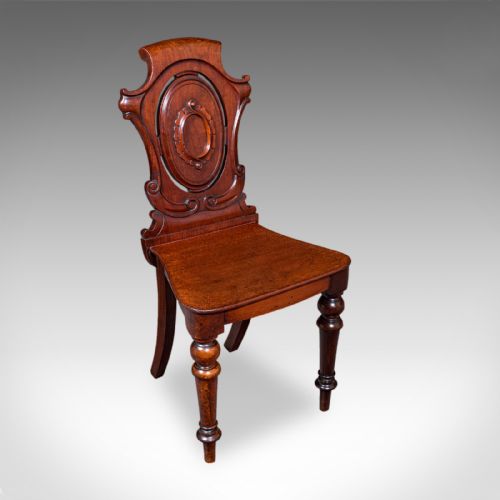
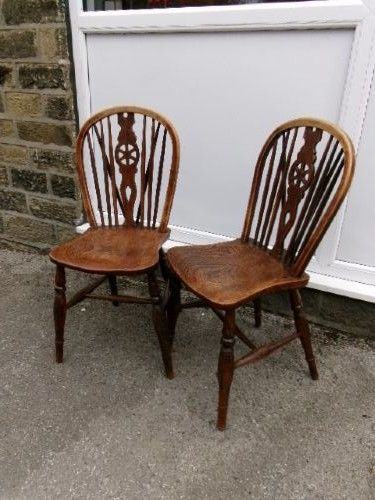
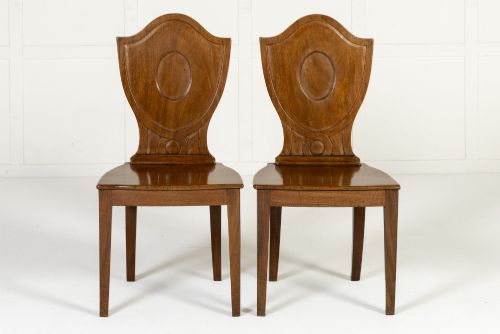
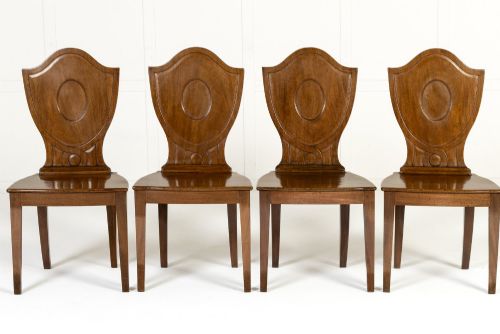
The pieces you are most likely to meet on this page include mahogany hall chairs with carved shield or pelta backs, sturdy oak kitchen and dining chairs, and elm-seated Windsor chairs. Many examples appear in pairs or larger sets, reflecting their original domestic or formal contexts.
Makers across British and regional workshops utilised native and imported timbers to construct these seats for specific household roles. From high-backed hall chairs meant for display in entranceways to lathe-back kitchen seating, the category encompasses utilitarian forms alongside more ornate reception seats.
Materials and construction techniques
Cabinet makers and vernacular joiners relied heavily on native hardwoods such as oak, elm, beech, and birch, alongside imported mahogany for finer formal commissions. Timbers were selected for their grain and strength, allowing structural components to withstand daily domestic use.
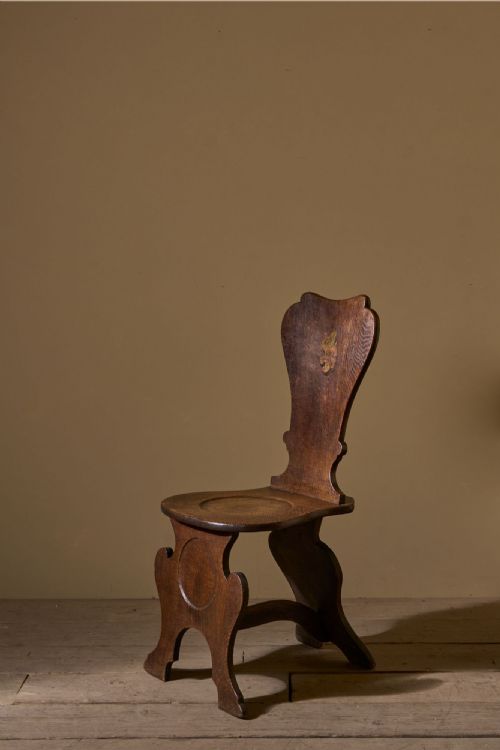
Joinery methods combined traditional mortise and tenon joints with turned spindles, steam-bent components for Windsor backs, and solid carved timber panels for shield or sgabello backs. Surfaces were often finished with hand-applied wax or polish to highlight the natural figure of the wood.
The listings span multiple centuries, incorporating oak, mahogany, elm, and birch across Georgian, Regency, and Victorian periods.
Assessing quality and craftsmanship
The distinction between standard utility seating and finer examples lies in the depth of carving, the selection of figured timber, and the precision of the joinery. Mahogany hall chairs with crisp relief carving on shield backs represent a higher tier of design compared to plain utilitarian kitchen seating.
Proportion and structural retention also define the better pieces within this range. Retaining original timber surfaces without excessive sanding or timber replacement preserves the integrity and historical weight of the chair.
The Solid Wooden Side Chair Glossary
- Hall chair
- A rigid wooden seat intended for an entrance hall rather than prolonged sitting. These often showcase carved or painted family crests and solid timber seats.
- Windsor chair
- A chair constructed with a solid wooden seat into which the legs and back spindles are wedged directly. Traditional versions utilise bentwood bows and elm seats.
- Sgabello
- An early Renaissance-style chair form consisting of two carved upright slab supports and a polygonal seat, revived in the nineteenth century for hall use.
- Harlequin set
- A collection of chairs that match in general style, period, or material but were not originally made as a single set. They share complementary proportions and visual traits.
Solid Wooden Side Chair: Frequently Asked Questions
What is a solid wooden side chair used for?
These chairs were historically placed against walls in hallways, used around dining tables, or positioned as occasional seating in reception rooms. Their armless design allowed them to be tucked away neatly when not in active use.
Today, they serve similar practical functions while acting as focal points that introduce period texture into modern interiors.
How do I identify a Georgian chair?
Georgian pieces generally exhibit restrained classical proportions, carved mahogany or oak frames, and specific back designs such as shield or pierced splats. The joinery often relies on pegged mortise and tenon construction.
Examining the underside and the wear patterns on the timber helps confirm the age and construction methods typical of the eighteenth century.
Are these chairs comfortable for daily seating?
Many historical side chairs, particularly rigid oak or mahogany hall chairs, were designed for upright posture and brief periods of sitting rather than lounging. Elm-seated Windsor chairs and upholstered variants offer more contoured comfort for regular dining.
Consider how and where you plan to use the chair to ensure the wooden seat contour suits your lifestyle.
How should I care for antique wooden chairs?
Maintain the timber by applying a traditional beeswax polish occasionally to nourish the wood and preserve the surface sheen. Avoid placing wooden furniture near direct heat sources or in fluctuating humidity to prevent timber splitting.
Gentle dusting with a soft cloth keeps the carved details clear without abrasive cleaning agents.