




Mid Victorian Mirror
A mid victorian mirror brings nineteenth-century presence to a room, offering both practical reflection and deep decorative warmth through period craftsmanship.
Mid Victorian Mirror
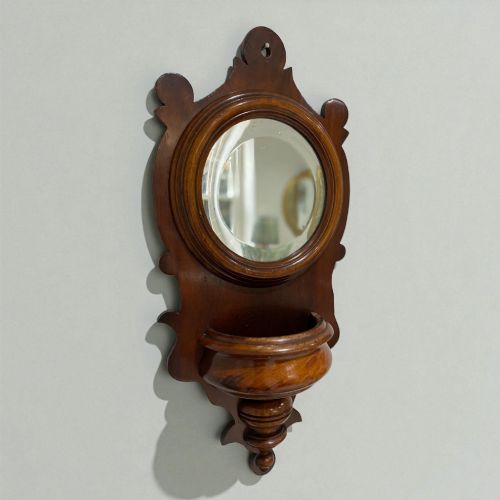
A mid victorian mirror encompasses a wide variety of domestic looking-glasses produced during the middle decades of the nineteenth century. These objects include large overmantel frames designed for chimney breasts, compact dressing table pieces, and ornate wall hangings.
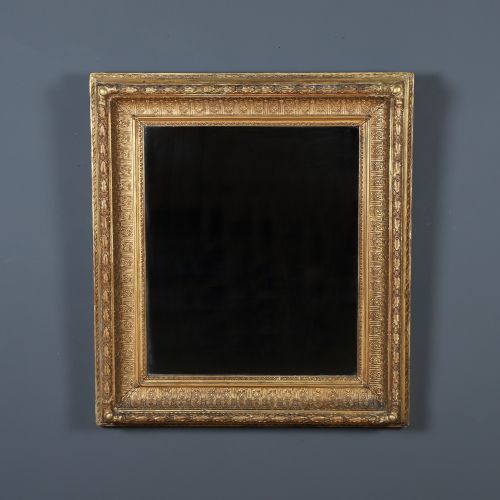
The version most commonly encountered is the giltwood wall or overmantel mirror, often influenced by revival styles such as Italian rococo or baroque. These pieces frequently utilise plaster gesso applied over timber to achieve elaborate sculptural detail.
How they were made
Makers of the period relied heavily on carved timber frames or built up complex decorative relief using plaster gesso over a wooden base before applying gold leaf or paint. Giltwood and gilt gesso dominate the surviving record, creating bright reflective surfaces that catch interior light.
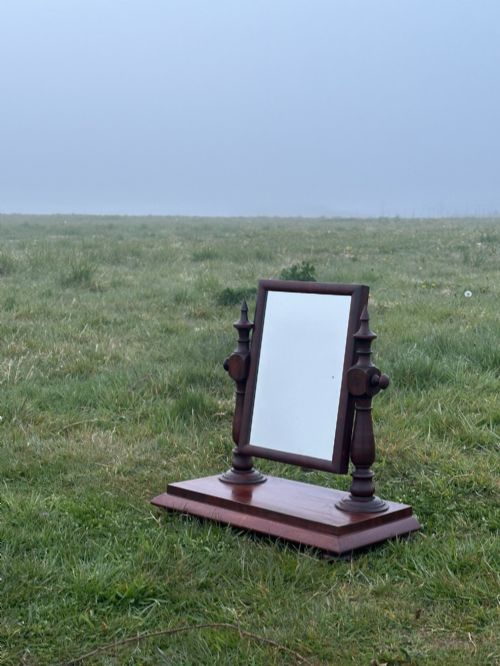
Cabinet woods such as mahogany, satinwood, and burr walnut were selected for dressing mirrors and sideboard elements, often polished to show off natural grain patterns. Brass mounts and ormolu details occasionally accent these timber frames, adding metallic contrast.
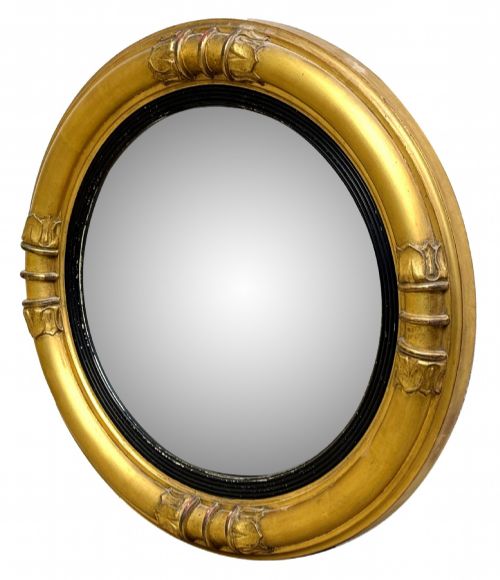
Glass production during this era yielded both flat mirror plates and specialised convex formats, the latter often framed as circular pier glasses. Silvering techniques of the nineteenth century give these plates their characteristic depth and subtle surface irregularities.
Mid Victorian Mirror Retail Price Guide 2026
Typical asking prices for mid victorian mirror among the pieces listed under this phrase on Sellingantiques today, from the lower quarter to the upper quarter. They describe what is for sale here now, not the wider market.
Revival styles span from Italian rococo and baroque interpretations to classical George II framing conventions.
What varies in quality
The depth and crispness of the carving distinguish ordinary production from superior examples, particularly in how sharply the gesso or wood relief holds its form. Skilled hands produced undercut foliage and scrollwork that retained definition despite layers of gilding.
Material selection dictates much of the original cost and current standing, with figured burr walnut and dense mahogany framing outlasting simpler pine or plaster constructions. The weight and stability of the underlying timber frame determine how well the piece survives structural shifts.
The preservation of the original mirror plate and its silvering contributes significantly to the integrity of the piece. Plates that retain their original distortion-free glass and subtle silver ageing command greater appreciation among collectors.
The Mid Victorian Mirror Glossary
- Gesso
- A plaster-like mixture applied to wood frames as a base for gilding or painting. It allowed craftsmen to mould intricate relief ornamentation before applying gold leaf.
- Giltwood
- Timber carved and coated with gold leaf. This finish defines many formal nineteenth-century looking-glasses.
- Overmantel mirror
- A large looking-glass specifically scaled to hang above a fireplace mantelpiece. These pieces often visually expand room proportions.
- Cheval mirror
- A freestanding full-length dressing glass hung on vertical pivots within a frame. It allows the user to tilt the plate to various angles.
- Convex mirror
- A round looking-glass with a bulging curved surface that reflects a wide panoramic view of the interior. Pier mirrors of this type were frequently placed between windows.
Mid Victorian Mirror: Frequently Asked Questions
Where should I hang an overmantel mirror?
These large looking-glasses were originally designed to sit directly above a chimney breast, anchoring the decorative scheme of a formal room. Hanging one low enough to interact visually with the mantelpiece ensures proper balance.
Ensure the wall fixings are secured firmly into structural studs or masonry, as nineteenth-century giltwood and plaster frames carry substantial weight.
How do I care for antique giltwood?
Dust the carved surfaces gently with a soft, dry brush to prevent accumulation in the recesses of the gesso. Avoid liquid cleaners entirely, as moisture can lift the delicate gold leaf from its base.
Keep these pieces away from direct sunlight and fluctuating heat sources to protect the underlying timber and prevent the gesso from drying out.
What is the difference between a pier mirror and an overmantel mirror?
Pier mirrors were traditionally sized to fit the narrow wall space between two windows, often reflecting additional light back into the room. Overmantel mirrors are broader horizontal formats built to span the width of a fireplace.
While both utilise nineteenth-century decorative styles, their distinct proportions dictate where they sit within a domestic interior.
How can I tell a dressing mirror from a wall mirror?
Dressing mirrors are constructed with fixed support arms or pivot stands designed to sit atop a dressing table, chest, or pedestal base. Wall mirrors feature hanging loops or rings affixed directly to the back of the frame.
Many nineteenth-century dressing glasses also incorporate small drawers or compartments within their base stands.