


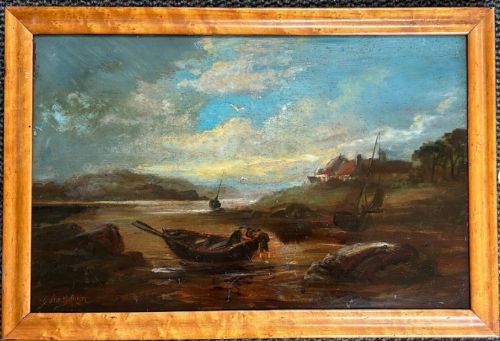


Mid Victorian Landscape Painting
Mid victorian landscape painting captures the breadth of nineteenth-century topography, offering windows into rural scenes from the eighteen-fifties, sixties, and seventies.
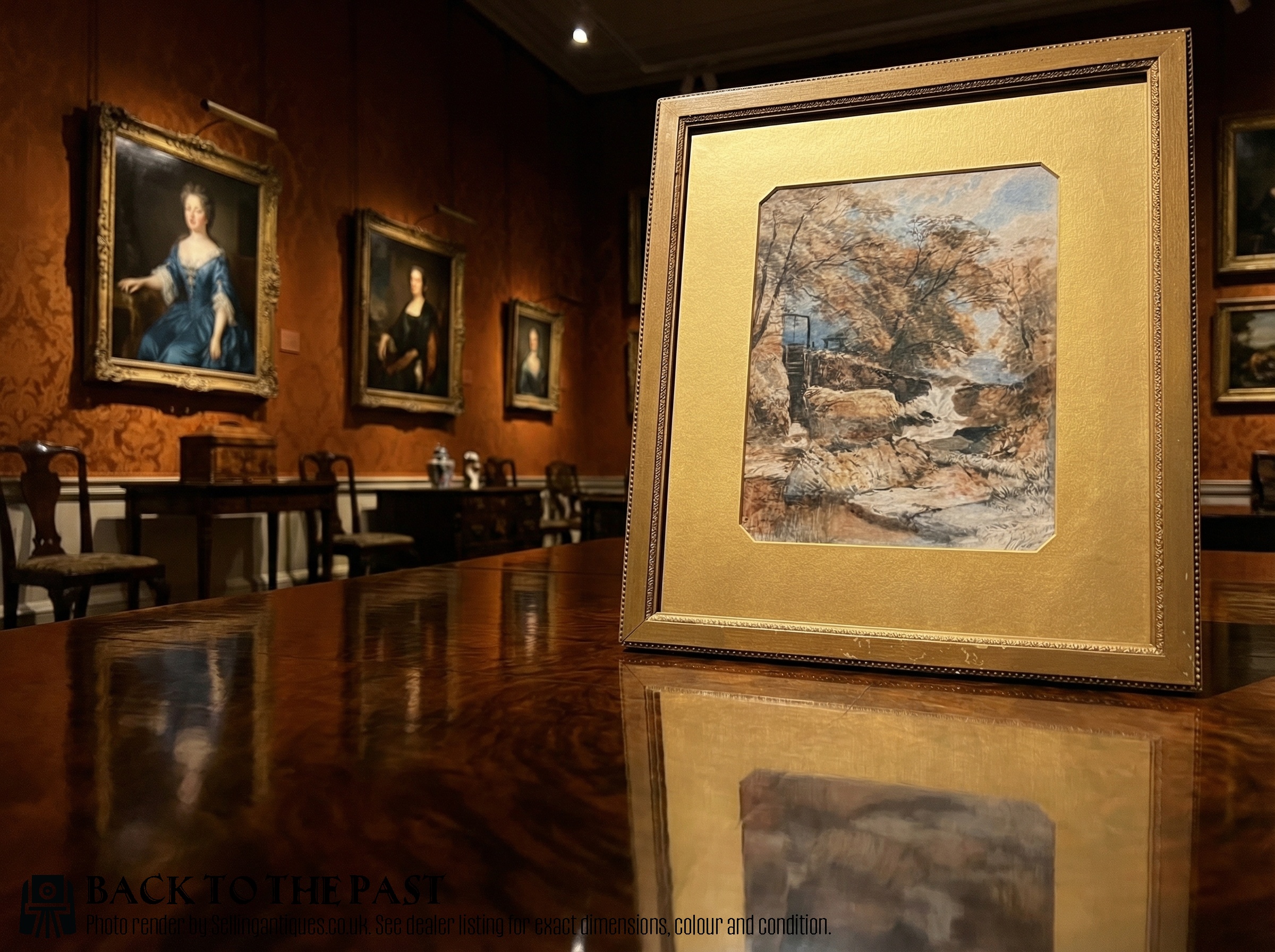
Mid Victorian Landscape Painting
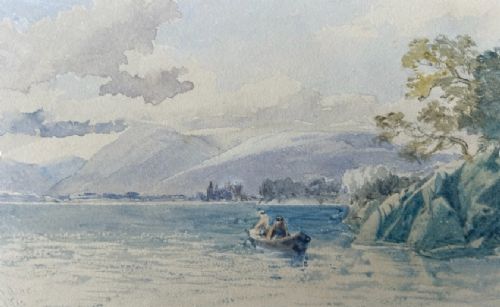
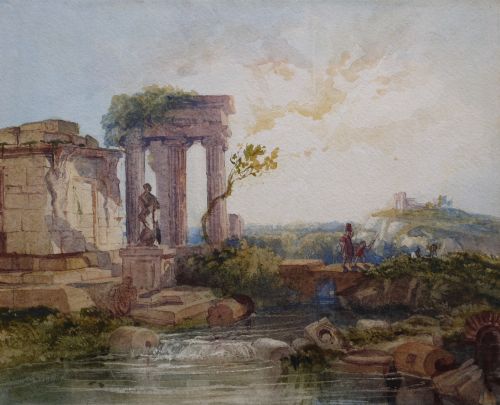
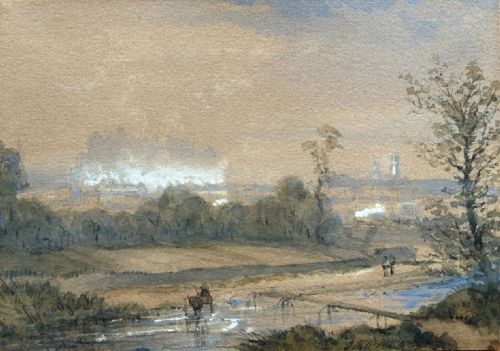
A mid victorian landscape painting brings nineteenth-century topography and pastoral scenery into domestic interiors, capturing rivers, ruins, and coastal views. These works reflect the visual tastes of the eighteen-fifties, sixties, and seventies through careful draughtsmanship and observation. Buyers seek these pieces to anchor a room in nineteenth-century history with genuine period atmosphere.
The selection here ranges from accomplished watercolours on paper to robust oil paintings on board, wood panel, and canvas. Regional scenes from Scotland and Yorkshire sit alongside continental views from Tivoli, all framed appropriately in wood, giltwood, or carved gilded surrounds. Unsigned works and naive folk art examples appear alongside signed compositions by established artists.
Domestic spaces benefit enormously from the restrained palettes and careful framing typical of this era. Whether choosing a pair of tondo oil paintings or a detailed Scottish watercolour, collectors acquire tangible connections to nineteenth-century visual culture. Each piece demonstrates the period's fascination with natural beauty and historical topography.
Judging Quality
The distinction between ordinary and exceptional works rests on the confidence of the brushwork and the clarity of composition. Superior pieces command attention through harmonious colour balances and assured handling of light, particularly in watercolours depicting water or skies. Weaker examples may display hesitant lines or crowded compositions that lack atmospheric depth.
Condition of the medium and the integrity of the original frame heavily influence the standing of any work. Works executed on stable boards or well-preserved paper retain their vibrancy far better than those compromised by damp or poor storage. The presence of clear signatures and dates further elevates certain pieces above anonymous or naive examples.
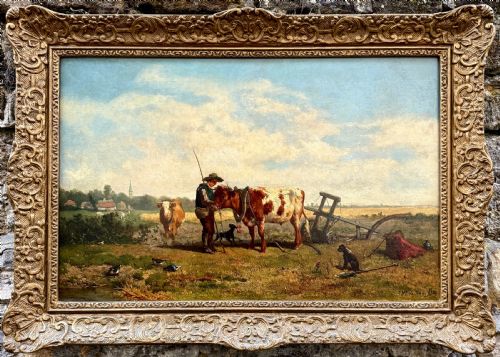
Some nineteenth-century artists painted pastoral cows gazing placidly across rivers, seemingly undisturbed by the rapid industrialization happening elsewhere in Britain.
Thomas Miles Richardson Jnr·Richard Principal Leitch·John R Prentice·Johannes de Haas·John Bell·Henry Barlow Carter·Henry Earp Senior·Sam Bough·Benjamin Callow·A Wallace
The Mid Victorian Landscape Painting Glossary
- Tondo
- A circular painting or relief. This format was frequently employed for nineteenth-century pairs of landscape views.
- Giltwood
- Wood that has been covered with a thin layer of gold leaf. Frames from the period commonly utilise this finish.
- Gouache
- An opaque watercolour paint containing pigment mixed with a water-binding agent. It provides bright highlights in works on paper.
- Milk glass
- Opaque white glass used as a painting support during the nineteenth century. It provides a smooth surface for pastoral oil scenes.
- Naive art
- Art produced by a self-taught painter lacking formal academic training. These pieces prioritize direct expression over perspective rules.
Mid Victorian Landscape Painting: Frequently Asked Questions
How do I hang a framed watercolour safely?
Watercolours require protection from direct sunlight to prevent fading of the pigments and paper. Hang them on interior walls away from direct heat sources.
Ensure the hanging wire and wall fixings match the weight of the giltwood or wood frame. Professional framing with acid-free mounts safeguards the paper over decades.
What subjects are most common in these landscapes?
River views, coastal estuaries with fishing boats, and rural pastoral scenes dominate the surviving output of this era. Artists also recorded historical architecture and foreign travels, such as Italian ruins.
These subjects reflect the nineteenth-century appetite for both local topography and romantic distant vistas. Buyers often find scenes from Scotland and Yorkshire within the available selections.
Are oil paintings on board durable?
Oil paint on prepared board or wood panel offers a stable surface when kept in stable environmental conditions. Wood panels resist the sagging sometimes found in older canvases.
Regular dusting with a soft, dry brush keeps the surface clear without risking moisture damage. Avoid displaying them in rooms with high humidity fluctuations.
How can I tell a watercolour from an oil painting?
Watercolours are painted on paper and typically displayed behind glass to protect the delicate surface from dust and moisture. Oil paintings feature thicker, textured brushstrokes applied to canvas, board, or wood.
Oils generally do not require glass protection and possess a distinct sheen from the oil binder. Examining the surface closely under good light reveals these fundamental material differences.