



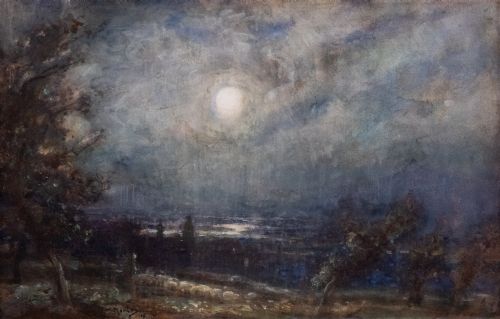
19th Century British Watercolour
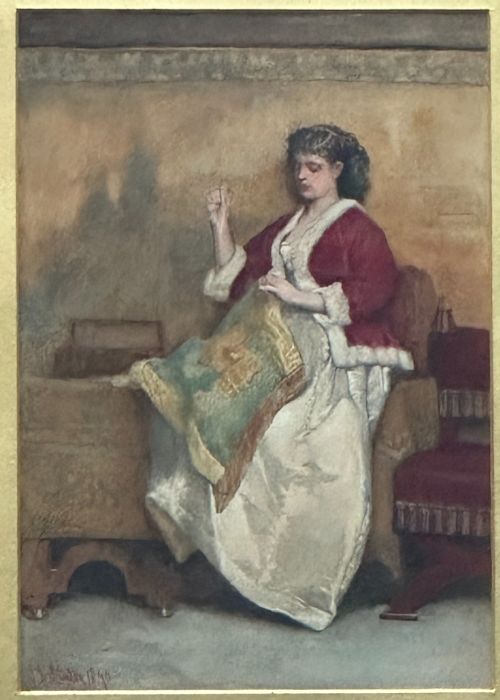
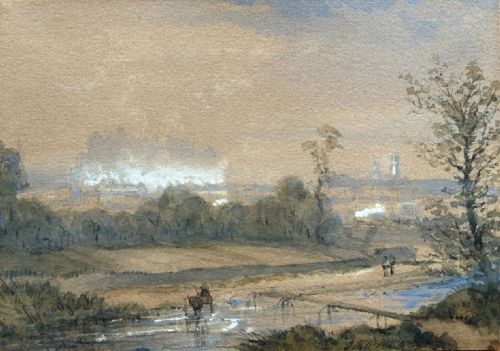
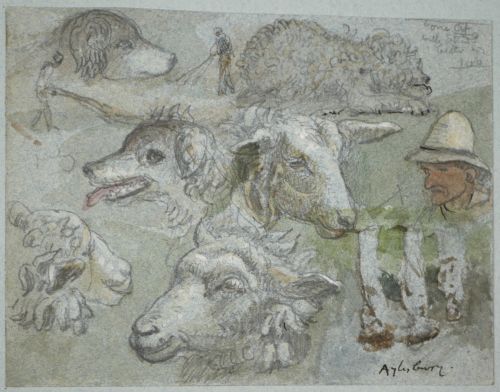
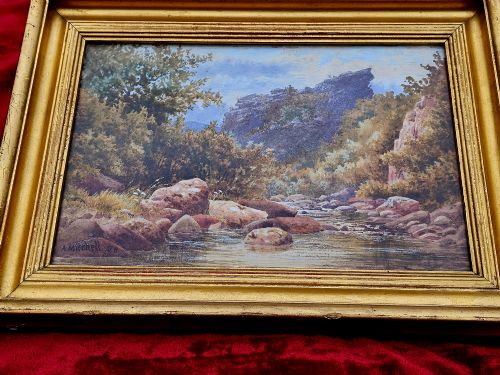
These 19th century british watercolour works capture coastal harbours, rural valleys, and intimate portraits created by notable artists of the era.
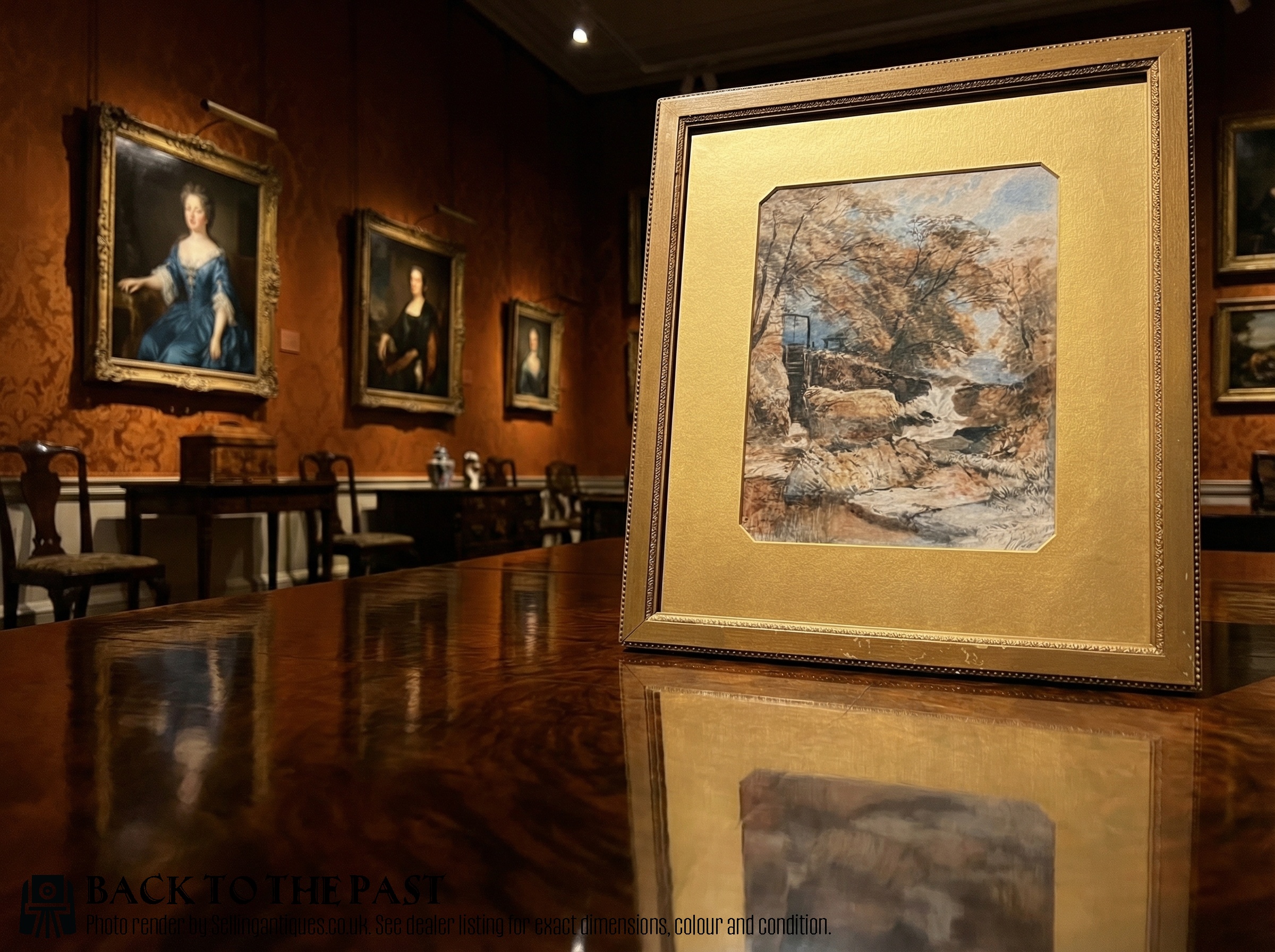
19th Century British Watercolour
When you search for 19th century british watercolour, you encounter original paintings and portrait miniatures spanning the Victorian, Georgian, and Edwardian periods.
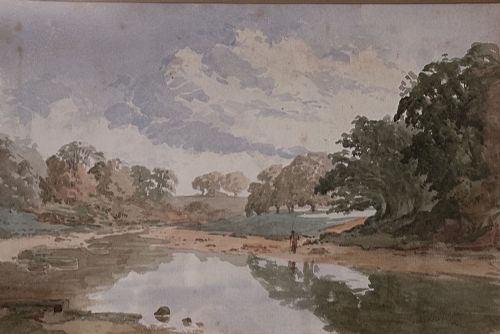
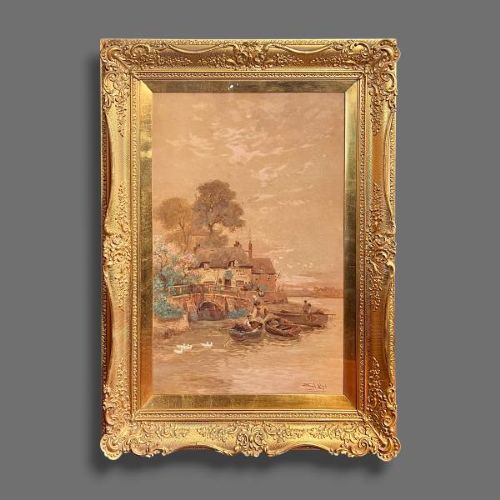
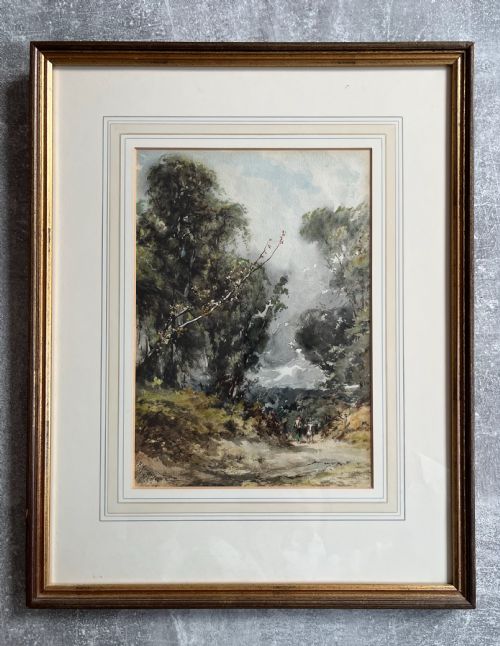
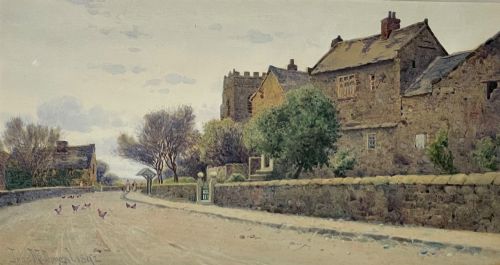
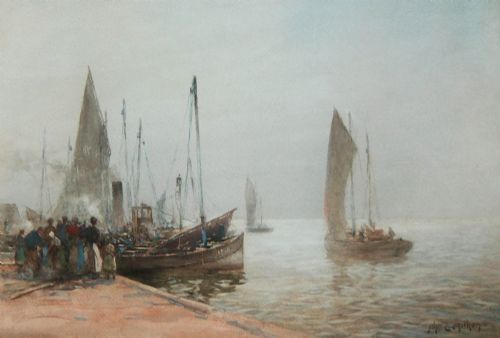
The selections feature diverse subjects ranging from tranquil river landscapes and rustic village scenes to maritime seascapes with sailing ships.
Many works carry signatures or exhibition attributions from named regional artists and Royal Academy figures active across Britain.
How They Were Made
Artisans applied watercolour pigment onto prepared paper sheets, sometimes utilising gouache or pencil underdrawings to define structural details.
Materials documented across the collection include watercolour pigment, paper, glass, wood, and gold leaf.
What Varies in Quality
The distinction between standard works and exceptional examples lies in the artist's handling of light, atmospheric depth, and tonal nuance.
Signatures from established exhibitors, detailed provenance records, and the survival of the original giltwood or wood framing elevate the standing of a piece.
James Orrock·John R Prentice·Alfred Young Nutt·James Smetham·John McDougal·Thomas William Morley·Robert Thorne Waite·Hector Caffieri·Thomas Bush Hardy·Henry Barlow Carter·Frederick Hines·Charles William Adderton·Stuart Lloyd·John Syer
The 19th Century British Watercolour Glossary
- Watercolour
- A painting method in which the paints are made of pigments suspended in a water-based solution. Artists use this medium on paper to achieve translucent washes and fine details.
- Giltwood
- Wood that has been treated with a thin layer of gold leaf or gilt. This material frequently appears on antique picture frames.
- Portrait Miniature
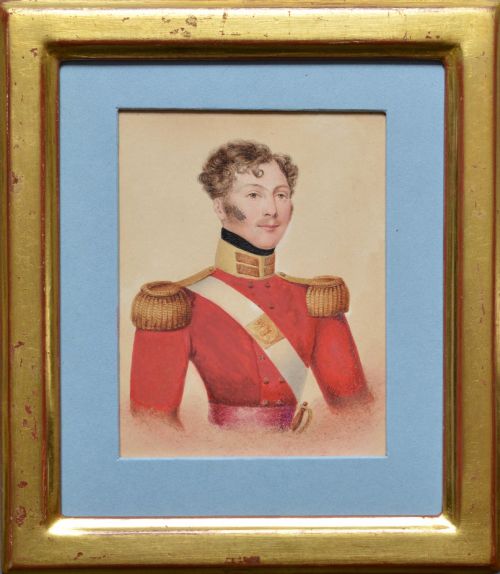
- A small, highly detailed painting depicting a person. These intimate artworks were popular in the Georgian and Victorian eras.
- Seascape
- A work of art depicting the sea, coastal views, or marine vessels. These compositions often feature harbours, fishing boats, and stormy waters.
19th Century British Watercolour: Frequently Asked Questions
What subjects appear in these watercolours?
The compositions showcase a wide variety of British subjects including coastal fishing boats, rural landscapes, Welsh mountains, and historical townscapes.
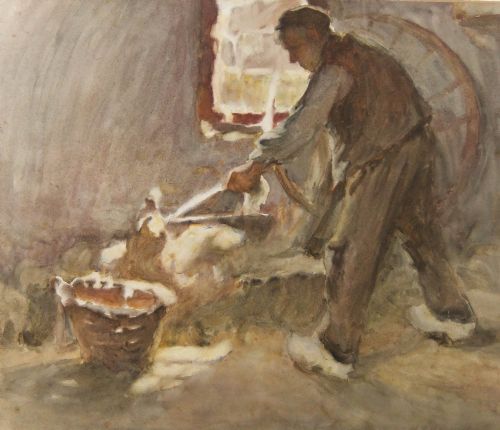
Artists also recorded intimate portrait studies, agricultural scenes with cattle, and detailed botanical or still life arrangements.
How should I care for an antique watercolour?
Keep works away from direct sunlight to prevent the pigments from fading over time. Maintaining stable indoor humidity protects the paper and the surrounding wooden frames.
Professional framing with conservation-grade materials helps preserve the paper support and prevents environmental damage.
How can I tell the period of a painting?
Signatures, dated inscriptions, and stylistic elements often point directly to the active years of the artist. Framing styles and paper characteristics also offer helpful clues regarding the decade of creation.
Exhibition labels attached to the reverse side frequently provide documented dates and locations for specific works.
Were these works made by professional artists?
Many pieces originate from members of royal families, Royal Academy exhibitors, and established regional painting societies. Other examples come from the broader British School of artists working during the period.