

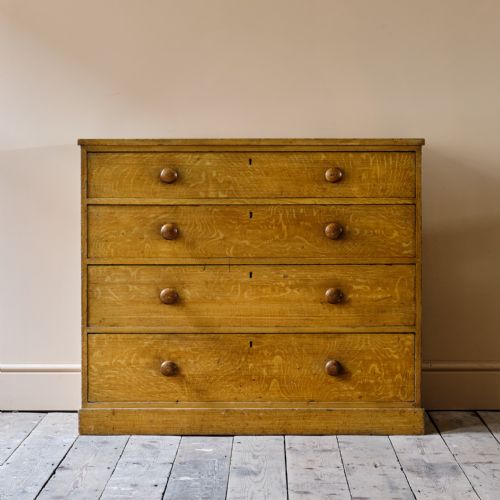


Mid Victorian Chest
A mid victorian chest brings solid nineteenth-century proportion and rich timber into a room, offering enduring storage built to last.
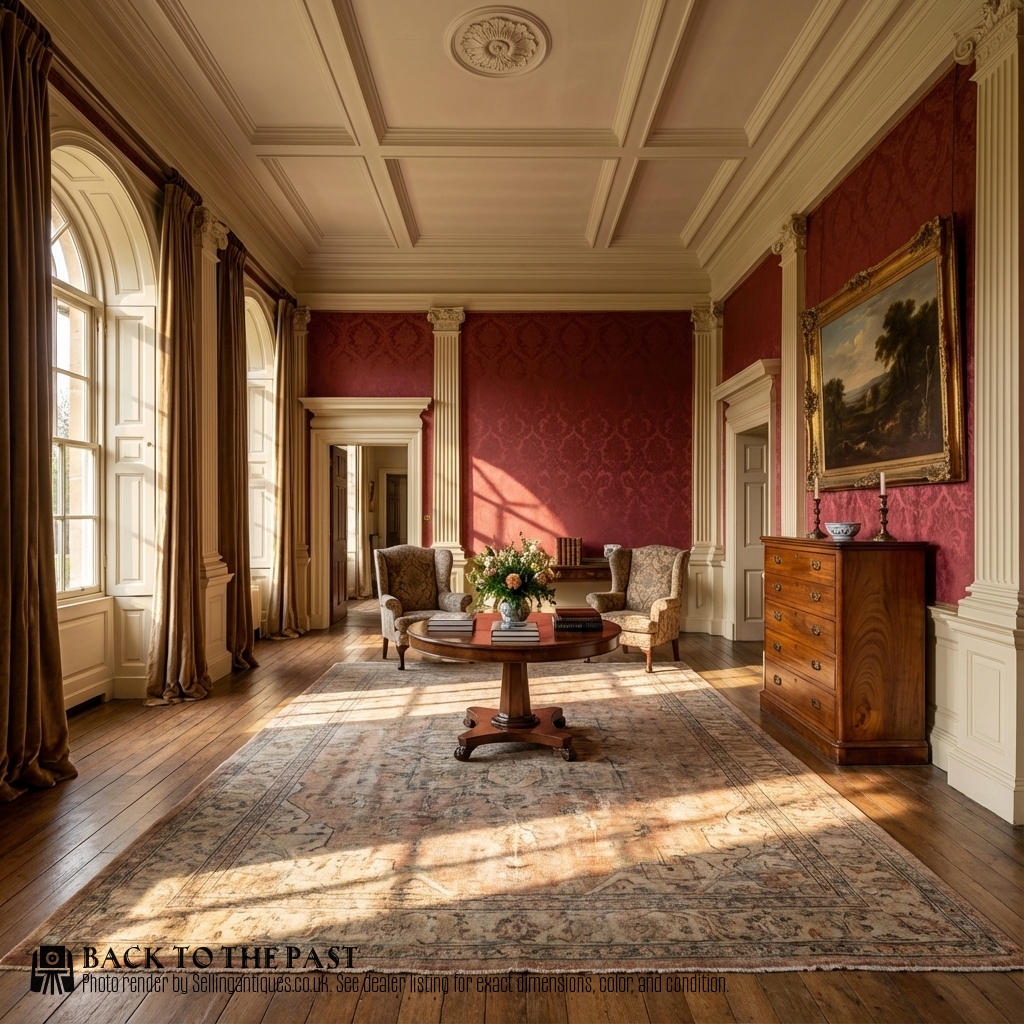
Mid Victorian Chest
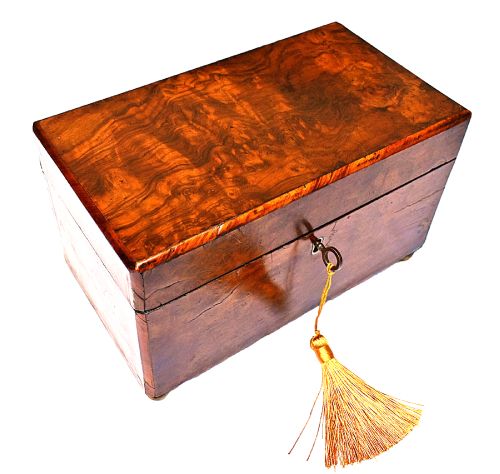
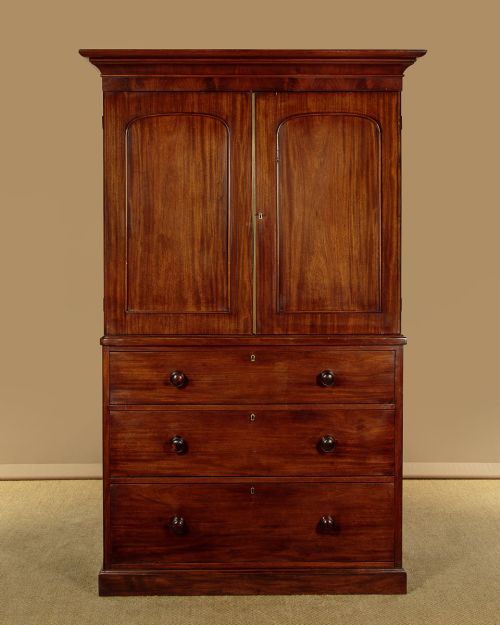
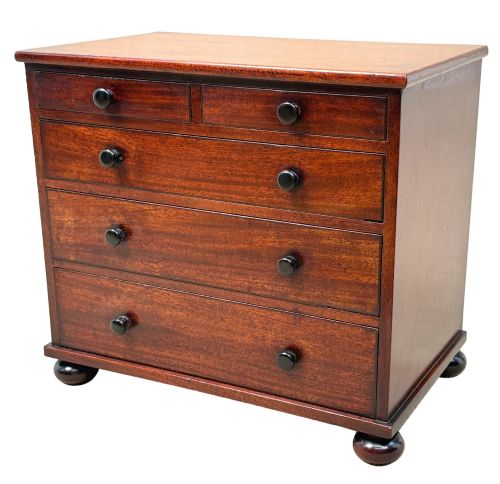
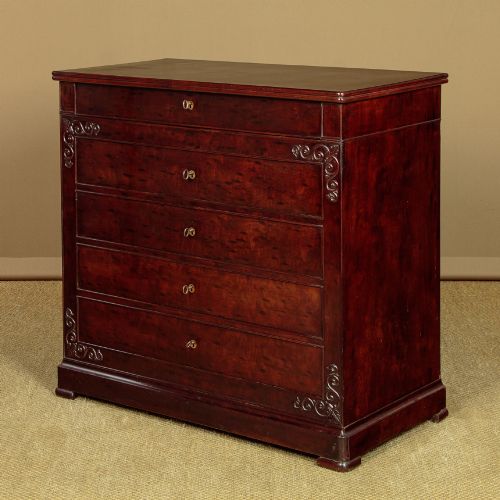
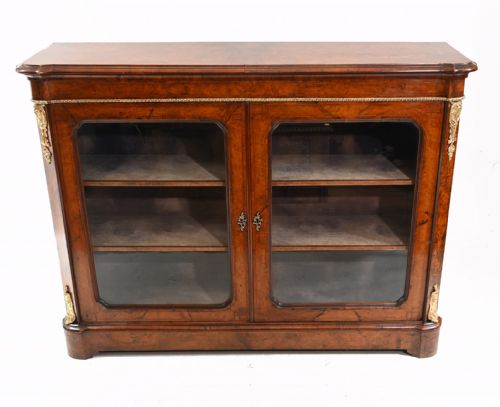
A mid victorian chest encompasses a diverse group of nineteenth-century drawer forms, ranging from tall bedroom tallboys to compact bedside lockers and diminutive apprentice pieces. Buyers exploring this category most frequently encounter classic mahogany and burr walnut drawer arrangements dating around eighteen fifty to eighteen eighty.
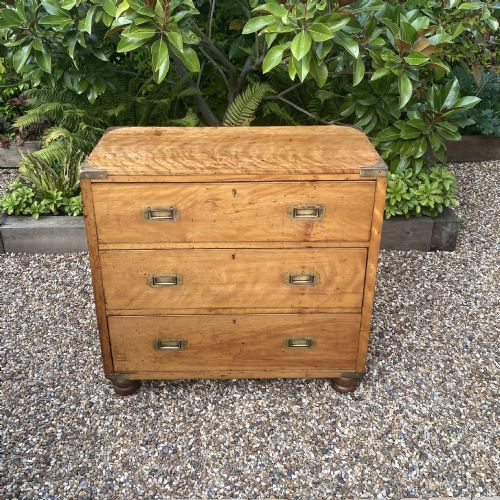
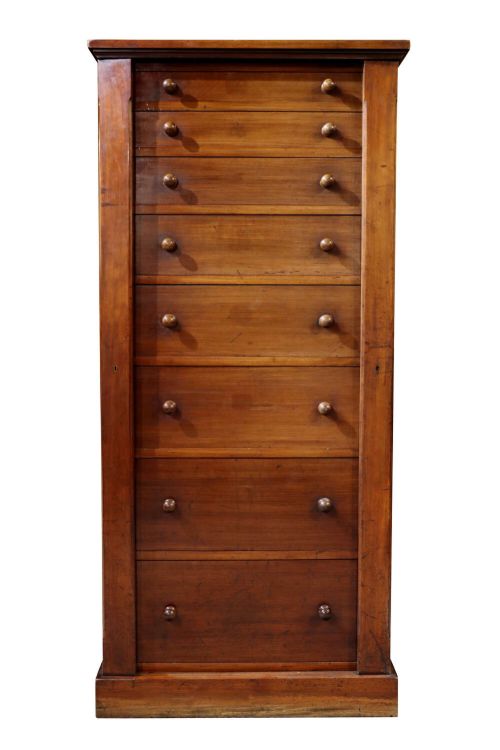
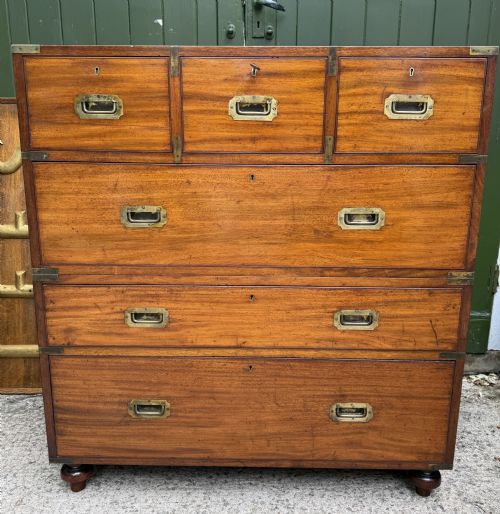
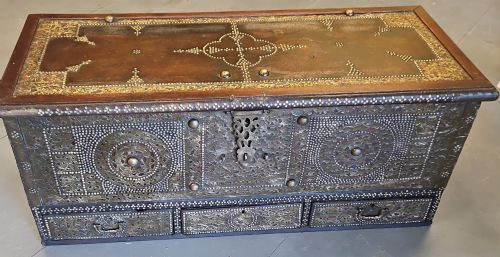
The category extends beyond standard domestic drawers to include specialised military campaign chests split into two sections, brass-bound travel trunks, and narrow Wellington chests with locking side staves. Regional country pieces in pine and oak also appear alongside grander revival styles.
Makers and workshops of the period utilised varied formats, incorporating occasional secretaire drawers, bowfront profiles, and galleried backs to suit distinct domestic and utilitarian functions.
How they were made
Cabinetmakers constructed these pieces primarily from solid hardwoods like mahogany, oak, and teak, frequently applying decorative veneers such as burr walnut and flame mahogany over secondary timbers. Brass hardware, flush drawer pulls, and corner brackets reinforced campaign pieces intended for travel.
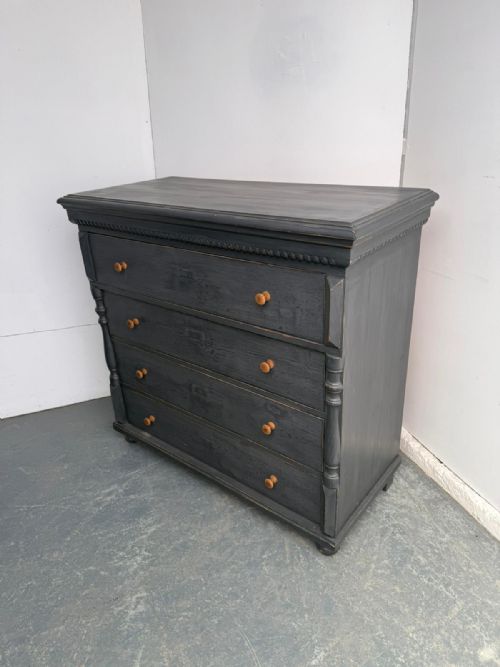
Surface finishes relied on traditional hand-polishing and waxing techniques that highlighted natural grain patterns, though some domestic pieces received original paint finishes. Joinery involved tight dovetailing on drawer construction to ensure structural stability through decades of use.
Mid Victorian Chest Retail Price Guide 2026
Typical asking prices for mid victorian chest among the pieces listed under this phrase on Sellingantiques today, from the lower quarter to the upper quarter. They describe what is for sale here now, not the wider market.
Gentlemen once stored their ceremonial sporrans in specialised nineteenth-century cabinetry built specifically for highland dress accessories.
What varies in quality
The distinction between standard utility items and exceptional exhibition pieces rests in the selection of timber figure, such as highly figured burr walnut or matched flame mahogany veneers. Superior examples display meticulous attention to internal drawer linings and the integration of functional mechanisms like locking locking staves on Wellington chests.
Proportion and execution define the upper tier of the range, where fine brass bound corners, original handles, and uncompromised structural patination elevate a piece above simpler vernacular equivalents.
Edwards and Roberts·Jennens and Bettridge
The Mid Victorian Chest Glossary
- Campaign chest
- A modular chest of drawers built in two separate sections designed for easy transport by military officers. These pieces feature inset brass handles, protective brass corners, and side carrying handles.
- Burr walnut
- A highly decorative wood veneer taken from the growth excrescences of walnut trees, prized for its swirling, mottled grain patterns. It was extensively utilised on high-end Victorian cabinet furniture.
- Bowfront
- A furniture front that curves outward in a convex shape, softening the rectangular geometry of a case piece. This style appears frequently on mahogany and walnut chests from the period.
- Flame mahogany
- A veneer cut from the fork of the mahogany tree where the branches meet the trunk, producing a distinctive fire-like flame pattern. It created a dramatic visual effect on mid-century drawer fronts.
Mid Victorian Chest: Frequently Asked Questions
What is a military campaign chest?
A military campaign chest is a portable set of drawers constructed in two stackable sections with recessed brass hardware for travel.
Officers used these durable pieces during nineteenth-century postings to ensure secure transport of personal belongings across rough terrain.
How do I identify a Wellington chest?
A Wellington chest stands out by its tall, narrow proportions and a vertical locking bar on one side that secures all drawers.
This specific design originated to keep contents secure during transport and provides significant vertical storage in narrow spaces.
Where were these chests placed originally?
Nineteenth-century chests served primarily in bedrooms, dressing rooms, and officers quarters for storing garments and personal valuables.
Today, their practical proportions allow them to function effectively as living room storage or hallway statement pieces.
What woods were commonly used?
Cabinetmakers relied heavily on mahogany, oak, and pine for structural integrity, often applying decorative veneers like burr walnut.
Regional variations also introduced alternative timbers such as teak, satinbirch, and elm depending on the intended destination.