


Mid Century Solitaire Ring
Discover the enduring elegance of a mid century solitaire ring, capturing the timeless appeal of mid-century design and craftsmanship.
Mid Century Solitaire Ring
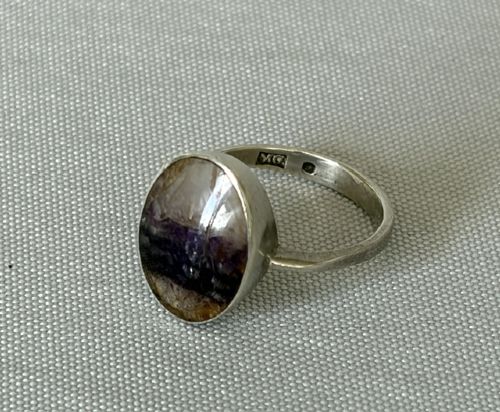
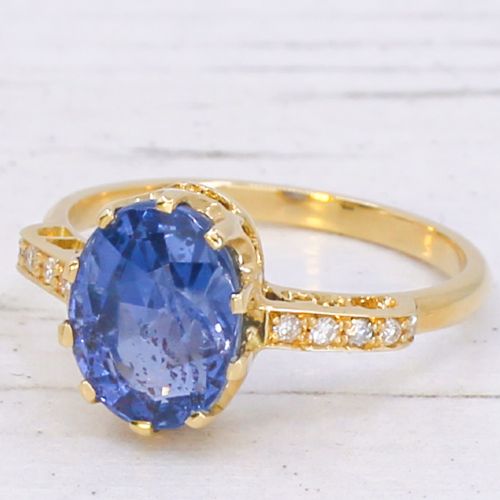
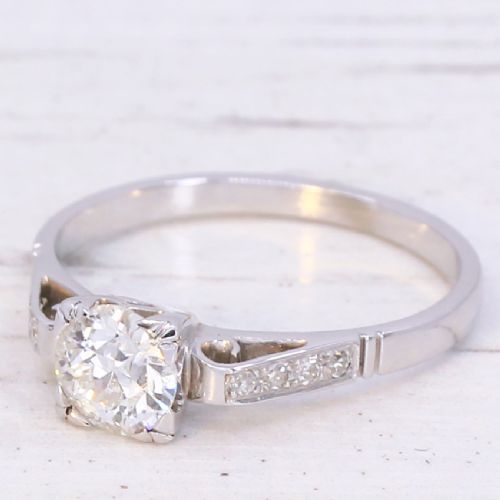
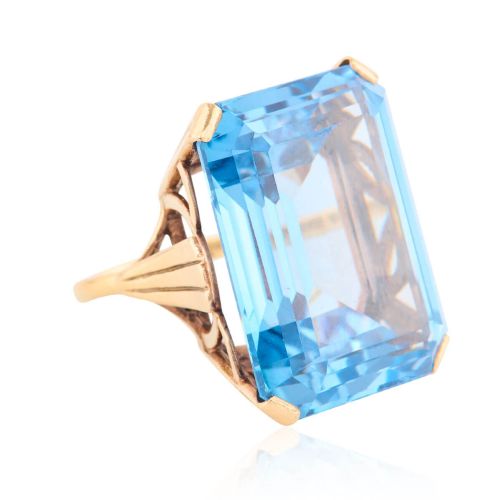
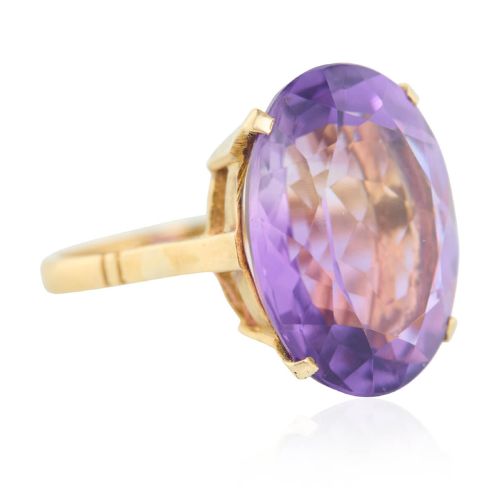
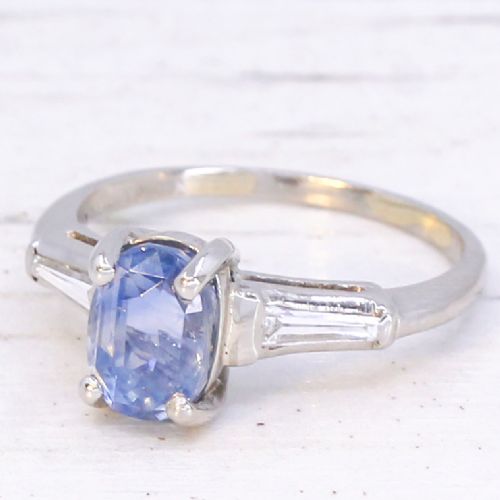
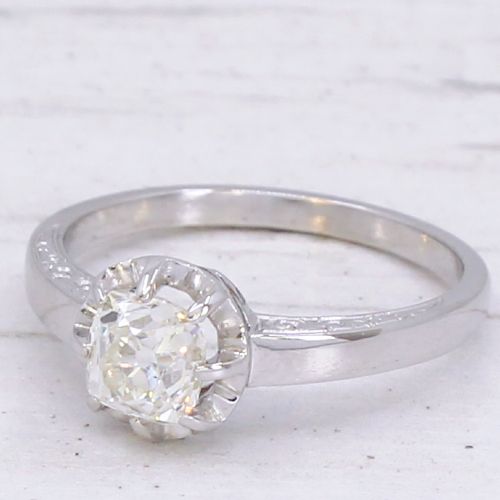
A mid century solitaire ring represents a classic choice for engagement and fine jewellery, typically featuring a single central gemstone mounted on a precious metal band. These pieces emerge predominantly from the 1940s and 1950s, embodying the distinct retro and mid-century modern aesthetic movements of the era.
The selection encompasses traditional diamond solitaire rings alongside vibrant alternatives set with sapphires, rubies, emeralds, and aquamarines. Buyers will encounter both minimalist platinum settings and warmer yellow or white gold mountings dating from the mid-twentieth century.
How They Were Made
Master jewellers utilised durable precious metals such as platinum, yellow gold, white gold, and 18ct gold to construct robust settings capable of securely holding substantial gemstones. Stones were shaped using traditional cutting techniques typical of the period, including old cut, transitional cut, and brilliant cut diamonds alongside various faceted and cabochon coloured stones.
Construction methods involved precise prong, bezel, and cluster mountings designed to maximise light entry into the central gem while maintaining structural integrity. Artisans often incorporated subtle shoulder details, such as rose cut diamond accents or decorative bands, to enhance the overall silhouette.
What Varies in Quality
The overall standard is dictated by the inherent grade, carat weight, and natural origin of the central gemstone, alongside any certification of untreated status. Superior examples showcase exceptional clarity, desirable colouration, and precise symmetry in stone cutting.
Craftsmanship in the metalwork further distinguishes exceptional pieces, visible in the solidity of the platinum or gold band and the meticulous execution of the setting. The harmony between the proportions of the central stone and the surrounding mount determines the refinement of the finished jewel.
Boucheron
The Mid Century Solitaire Ring Glossary
- Solitaire
- A ring design featuring a single prominent gemstone mounted on a band. This style places visual emphasis entirely on the central stone.
- Old Cut
- A historic diamond cutting style characterised by a smaller table, higher crown, and larger culet, prevalent in vintage and antique jewellery. These stones produce a distinctive softer candlelight sparkle.
- Transitional Cut
- A diamond cut utilised during the evolution from old European cuts to modern brilliant cuts, spanning the mid-twentieth century. It bridges historical facet geometry with contemporary brilliance.
- Cabochon
- A gemstone shaping technique where the stone is polished into a smooth, convex dome rather than faceted. This method is frequently applied to star sapphires, rubies, and emeralds.
Mid Century Solitaire Ring: Frequently Asked Questions
What defines a mid century solitaire ring?
These pieces are characterised by a single central stone, typically a diamond or coloured gemstone, mounted in platinum or gold during the 1940s or 1950s. They reflect the design sensibilities of the mid-century modern and retro periods.
The aesthetic ranges from sleek, minimalist platinum mountings to bolder gold settings holding substantial emeralds, sapphires, or aquamarines.
How do old cut and brilliant cut diamonds differ?
Old cut diamonds feature hand-polished facets with smaller tables and larger culets, producing a charming, deeper glow under low lighting. Modern brilliant cuts utilise standardised mathematical symmetry to maximise direct light return and exterior brilliance.
Mid-century rings frequently bridge these eras by employing transitional cuts that share characteristics of both styles.
Are coloured gemstones common in these rings?
Coloured stones appear frequently alongside diamonds in mid-century designs, including unheated Ceylon sapphires, Colombian emeralds, aquamarines, and amethysts. These gemstones are often substantial in carat weight and set as the primary focal point of the ring.
Many feature natural, unheated varieties that appeal directly to collectors seeking authentic vintage character.
Which metals were used for the bands?
Jewellers predominantly utilised platinum, yellow gold, white gold, 14ct gold, and 18ct gold during this era. Platinum was favoured for its strength and bright white finish in secure diamond settings.
Yellow and rose gold gained popularity through retro design trends, offering warmer tones that complement coloured gemstones.