




Mid Century Silver Pin
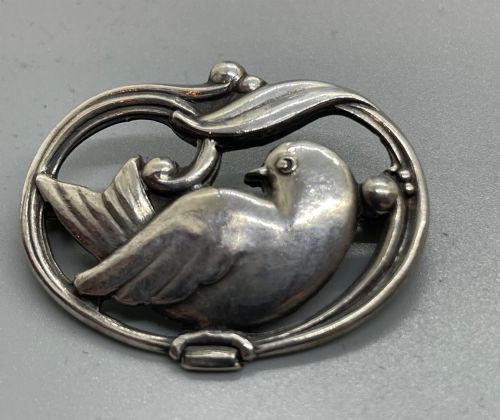
These mid century silver pin selections bring together brooches, small dishes, and decorative wares spanning modernist Scandinavian designs to earlier silver pieces.
Mid Century Silver Pin
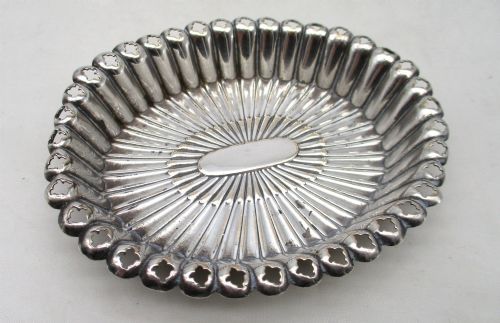
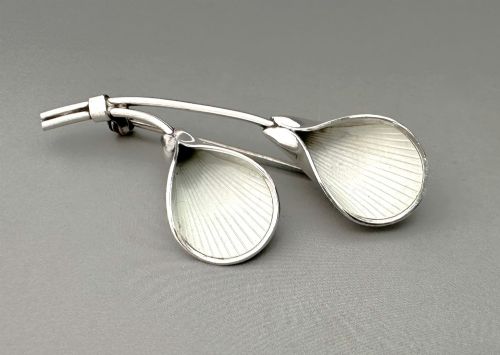
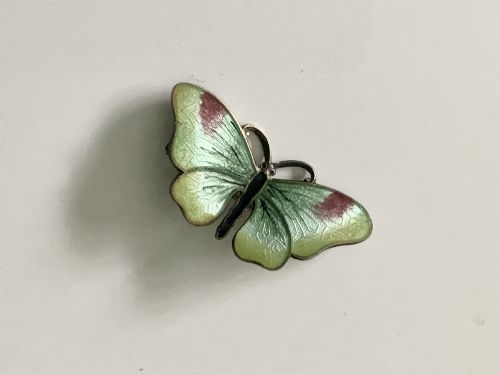
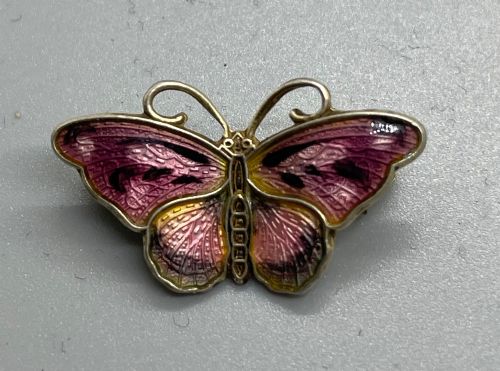
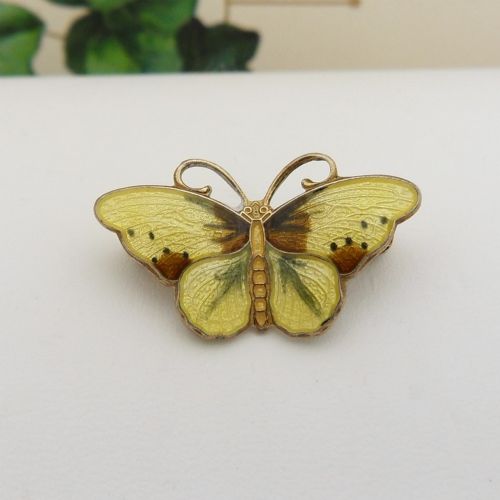
When you search for a mid century silver pin, you encounter a variety of forms including floral and butterfly brooches, bar pins, and small pin dishes designed for holding small items. The items appearing most frequently on this page originate from the mid-twentieth century, particularly the 1950s and 1960s, alongside older pieces from the eighteenth and nineteenth centuries.
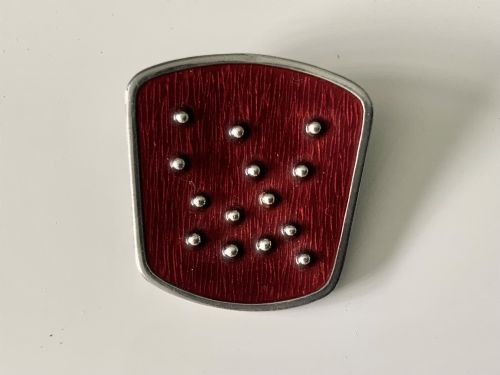
The stylistic range covers mid-century modern, Scandinavian modern, Danish modern, and Mexican modernist movements. You also find novelty pieces, floral spray brooches set with diamonds or pearls, and small trinket or pin dishes made from silver plate and Old Sheffield plate.
Materials and construction
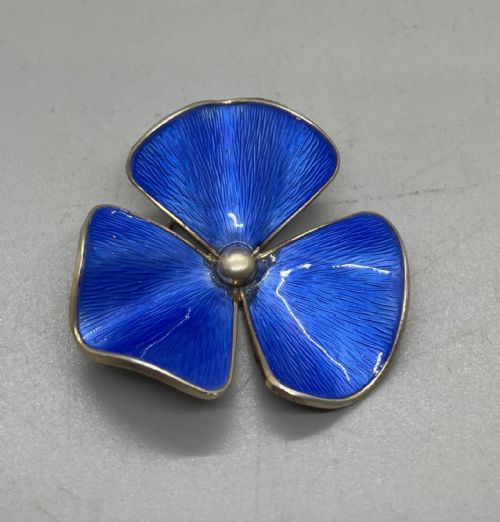
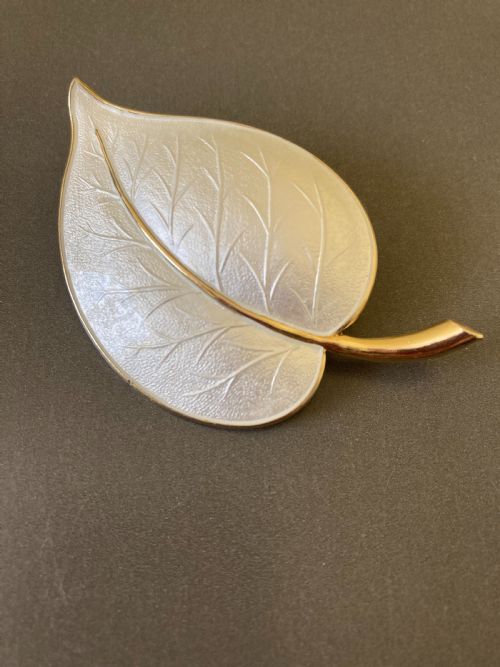
The construction relies heavily on sterling silver, silver gilt, and standard silver, frequently combined with vitreous enamel and guilloche enamel to create vibrant surface colour on brooches and small dishes. Enamelling techniques involve fusing powdered glass onto metal surfaces under high heat to produce smooth, translucent coloured patterns.
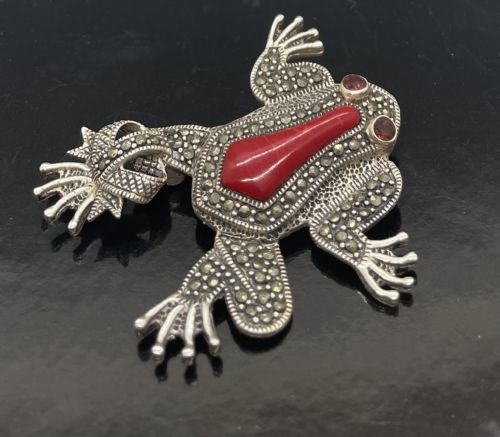
Many mid-century items incorporate supplementary materials such as marcasite, diamonds, pearls, amethyst, and agate. Plated wares utilise Old Sheffield plate or silver plating over base metal substrates to achieve the appearance of solid silver.
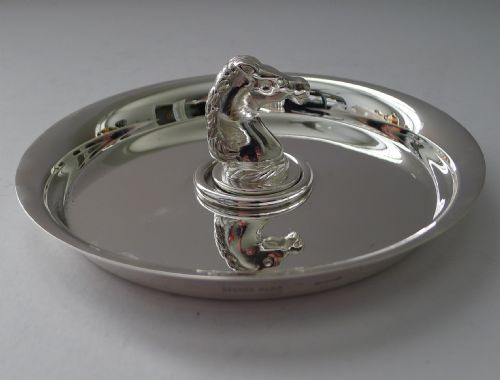
Frog brooches set with sparkling marcasite sit alongside novelty horse head dishes for those seeking eccentric mid-century desk companions.
Judging the work
Quality in these pieces rests upon the crispness of the metalwork, the precision of the enamel application, and the clarity of any applied stones or gilding. Superior examples display clean solder joints, intact enamel free of chipping, and well-defined stamped maker marks or signatures.
Pieces originating from known workshops or named designers often exhibit finer detailing in hand-carved floral motifs or intricate guilloche engraving beneath translucent enamel. Condition remains central, as intact silver gilt and undamaged enamel surfaces elevate a piece above heavily worn equivalents.
Aksel Holmsen·A H Darby & Son·Hroar Prydz·Mikimoto·Beto·Maria Pergay·Mappin Bros·Mappin & Webb
The Mid Century Silver Pin Glossary
- Guilloche enamel
- A decorative technique where an intricate geometric pattern is mechanically engraved into the silver beneath a translucent layer of coloured enamel.
- Silver gilt
- Sterling silver or standard silver that has been coated with a thin layer of gold, sometimes referred to as vermeil.
- Vide poche
- A small tray or dish designed for emptying pockets of coins, keys, or pins, often translated as an entry table dish.
- Old Sheffield plate
- A composite material made by fusing a layer of silver onto a copper core, common in items predating standard electroplating.
- Marcasite
- Small faceted pyrite stones polished and set closely together into silver mounts to provide a sparkling metallic finish.
Mid Century Silver Pin: Frequently Asked Questions
How do I identify Scandinavian enamel work?
Scandinavian enamel pieces from the mid-century period often feature bright translucent colours over engine-turned guilloche patterns, frequently depicting flowers, butterflies, or abstract geometric forms.
Makers commonly stamped these items with workshop names and silver purity marks such as 925 on the reverse.
What are pin dishes used for?
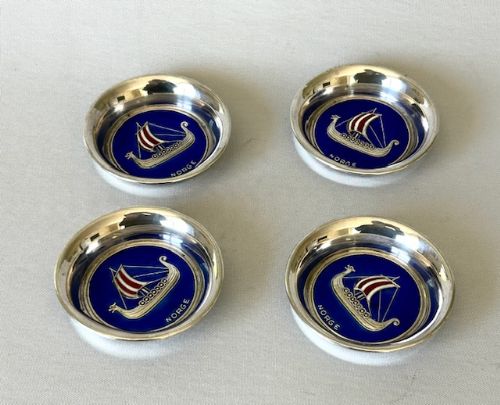
Pin dishes and small trinket trays were designed to sit on dressing tables or desks to hold small items like pins, rings, and loose change.
In modern interiors, collectors utilise them in entryways or on surfaces as decorative display objects.
How can I tell the difference between solid silver and silver plate?
Solid silver items usually bear hallmarks or purity stamps indicating the silver standard, whereas plated items show base metal underneath worn areas or carry stamps denoting plating techniques.
Old Sheffield plate often reveals a thin line of copper where the fused layers meet at edges or wear points.