


Vintage Scottish Silver
Vintage scottish silver pieces combine traditional Celtic motifs with enduring materials, offering collectors tangible connections to northern craftsmanship.
Vintage Scottish Silver
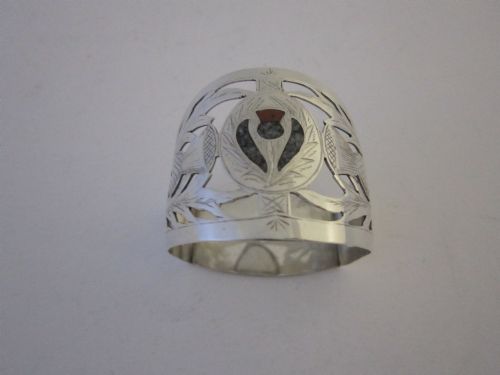
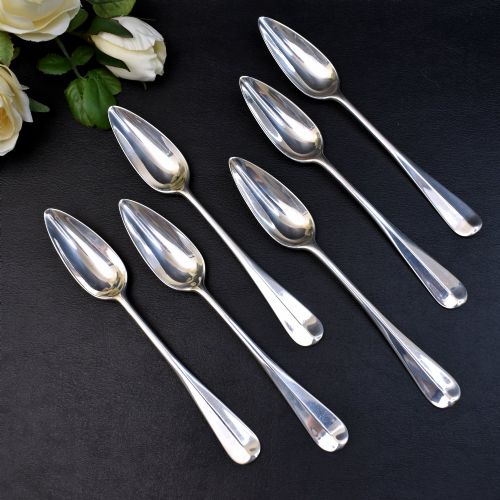
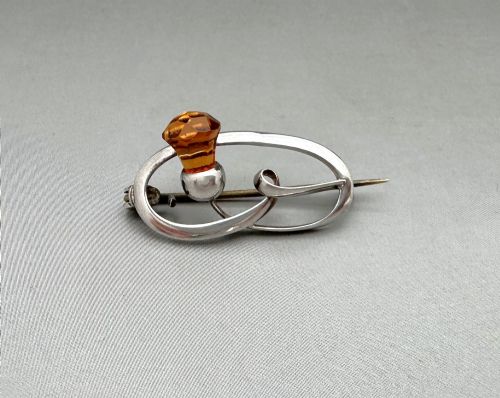
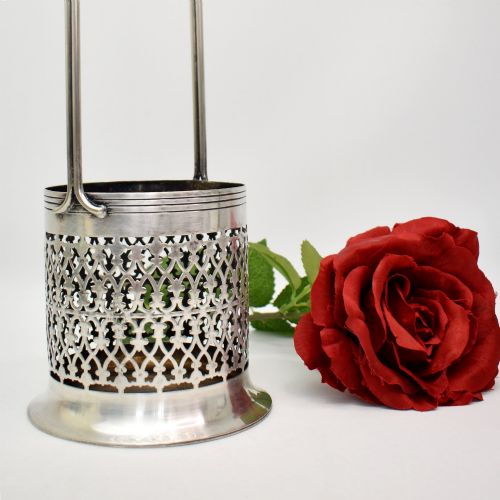
Vintage scottish silver encompasses a diverse array of objects ranging from personal adornments like brooches and hat pin holders to domestic tableware including quaichs, sugar tongs and sauce boats. These items frequently draw on traditional motifs such as thistles and Celtic revival styles, reflecting regional heritage.
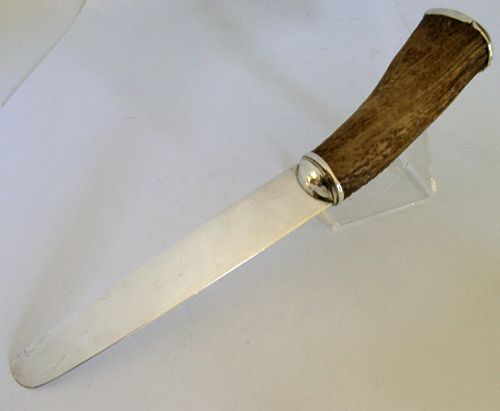
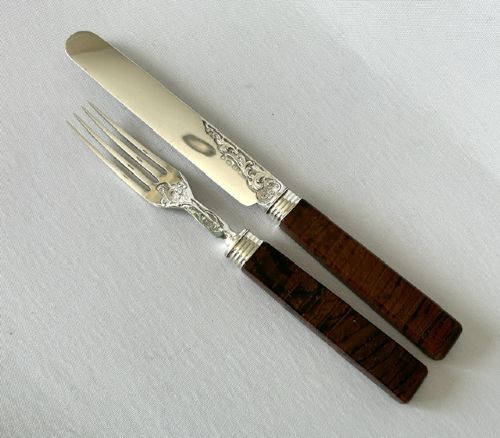
Buyers encounter items originating from various eras, spanning Victorian and Edwardian periods through to mid-century works. Forms like small drinking vessels, flatware and desk accessories demonstrate the practical application of silver within everyday historic settings.
Regional production is highlighted through provincial pieces, incorporating native hardstones like agate and citrine alongside sterling silver and silver plate. The selection balances functional dining accessories with decorative jewellery.
How They Were Made
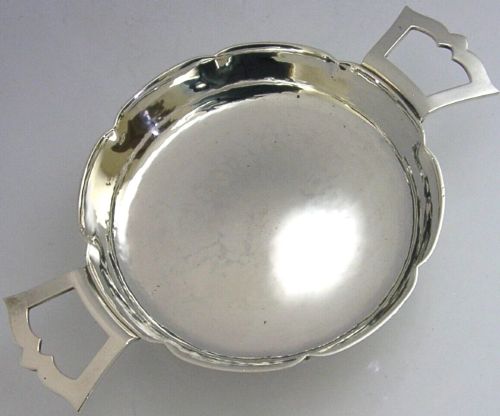
Silversmiths utilised sterling silver and silver plate as primary foundations, often combining metalwork with cut glass, oak and amber glass. Planished surfaces show direct hammer marks left by the maker, giving bowls and dishes a distinct textured finish.
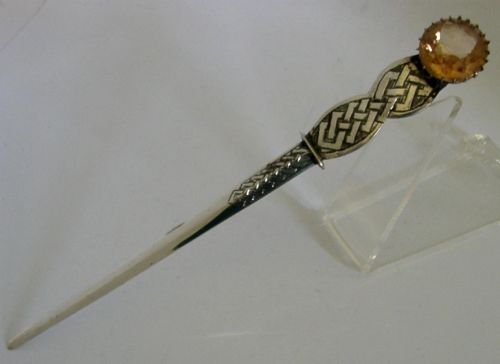
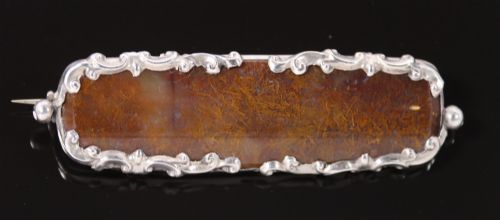
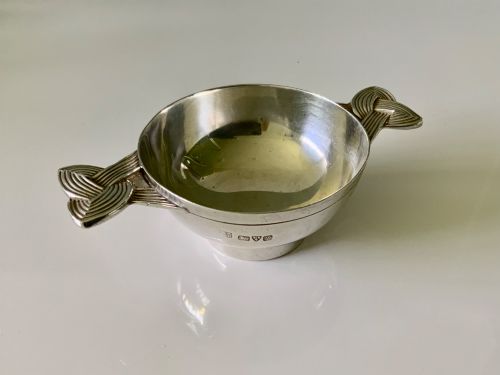
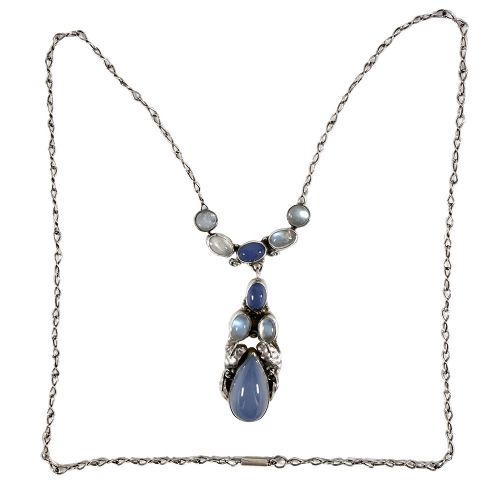
Natural stones such as moss agate, blue lace agate, quartz and chalcedony are bezel-set into brooches, pendants and napkin rings. Intricate detailing includes cast thistles, applied wirework and engraved Celtic knot patterns.
Listings feature items incorporating agate, citrine, quartz and chalcedony alongside sterling silver and cut glass.
What Varies in Quality
The standard of design depends on the crispness of the chasing and the depth of relief work on thistle motifs and Celtic revival borders. Superior examples exhibit precise hand-cut stones that are securely mounted without excess adhesive.
Maker attribution and provincial hallmarks elevate pieces, as authenticated works by known silversmiths command greater attention than unmarked variants. Weight and structural integrity in items like quaich handles and hinged boxes also separate everyday production from finer studio output.
R E Stone·Hamilton & Inches·Charles Horner·Mary Thew·Crisford & Norris·John Hart·Adie & Lovekin
The Vintage Scottish Silver Glossary
- Quaich
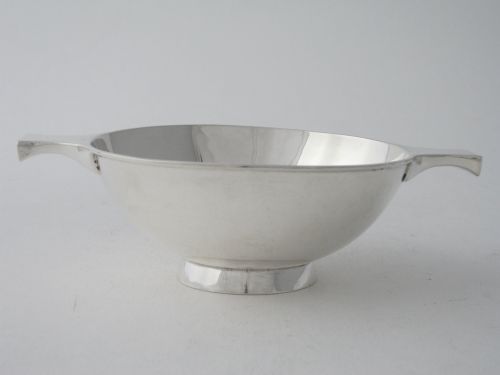
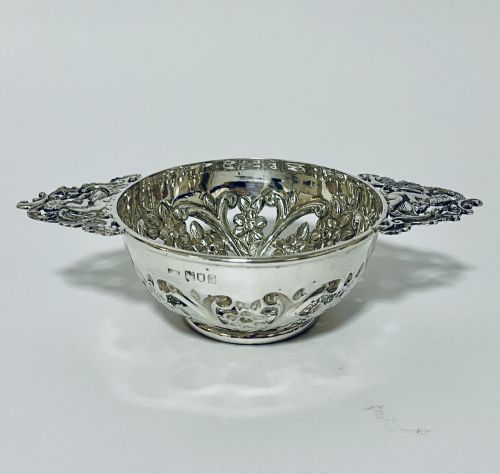
- A traditional two-handled drinking vessel used for whisky or spirits. These shallow bowls often feature traditional stave construction translated into solid silver.
- Agate
- A variety of chalcedony quartz frequently utilised in Scottish jewellery. Natural banding gives each mounted stone a unique pattern.
- Planished
- A metalworking technique where a hammer creates small, uniform facets across the surface. This process hardens the silver while producing a soft, reflective texture.
- Penannular
- A brooch type formed by an incomplete ring with a pin attached by a moveable loop. This ancient fastener design is common in Celtic revival jewellery.
Vintage Scottish Silver: Frequently Asked Questions
What is a Scottish quaich?
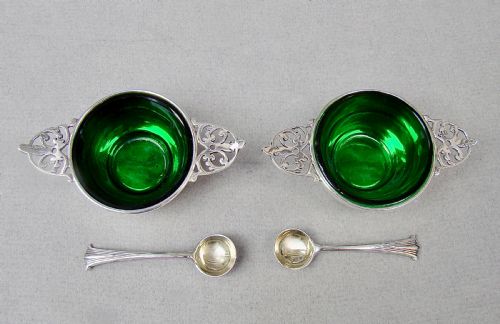
A quaich is a traditional shallow drinking cup equipped with two or sometimes three lugs or handles. Historically used for welcoming guests with a dram of whisky, these vessels evolved into decorative presentation pieces.
In silver collections, they appear in various sizes, ranging from small novelty salt cellars to substantial presentation bowls featuring traditional planished surfaces.
How do I identify Celtic revival silver?
Celtic revival pieces incorporate ancient motifs such as intricate knotwork, interlaced strapwork and shield designs inspired by early medieval metalwork. These patterns frequently appear on mid-century brooches, kilt pins and penannular clasps.
The style experienced significant revivals during the Victorian era and again in the mid-twentieth century through workshops operating in Edinburgh and Iona.
What stones are used in Scottish jewellery?
Scottish silver jewellery frequently incorporates native hardstones, most notably moss agate, blue lace agate and citrine quartz. These minerals were gathered locally and polished flat or en cabochon before being set into brooches, pendants and hat pin holders.
The natural colour variations in the quartz and chalcedony mean each mounted stone presents a distinct earthy palette.