
Mid Century Jewellery Ring
These mid century jewellery ring pieces capture the bold stones and sculptural metalwork of the 1940s through the 1960s.
Mid Century Jewellery Ring
A mid century jewellery ring spans simple wedding bands, tailored engagement rings, and substantial cocktail pieces designed to command attention. The selection draws on items dated from the 1940s through the 1960s, alongside influences from Edwardian and Art Deco traditions.
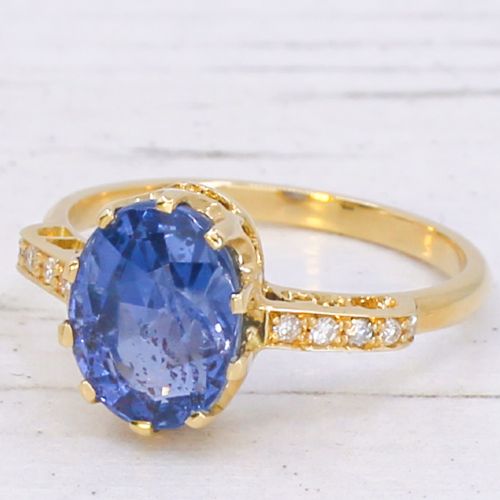
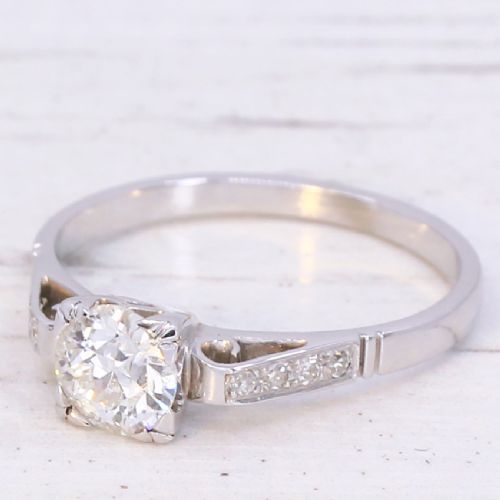
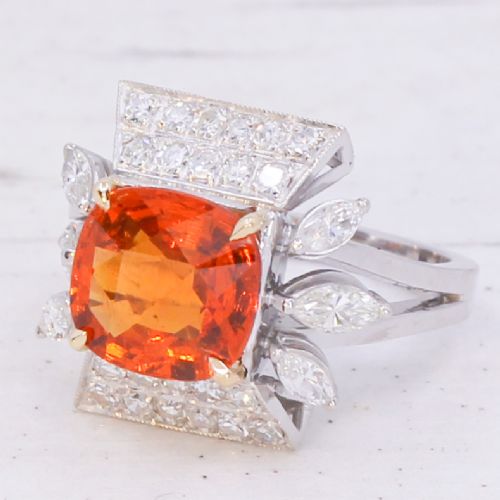
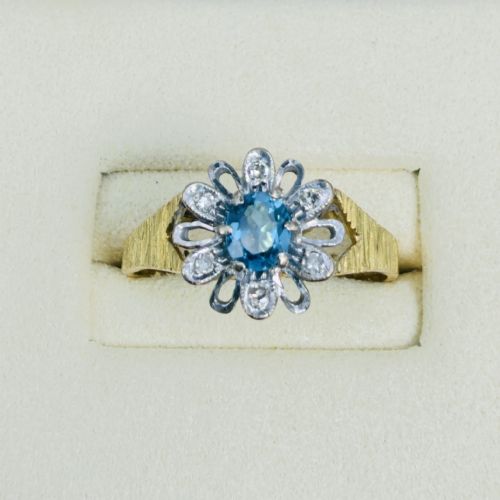
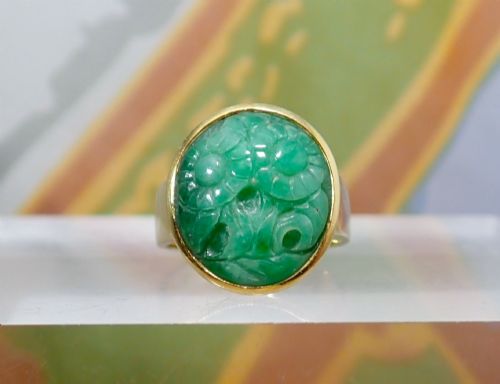
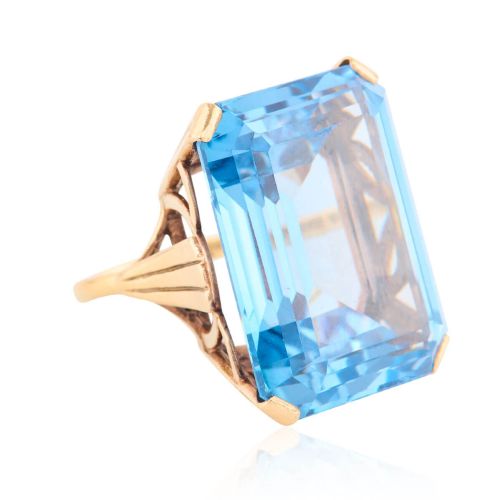
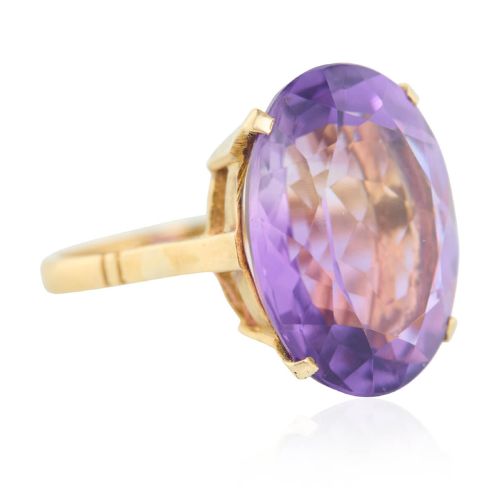
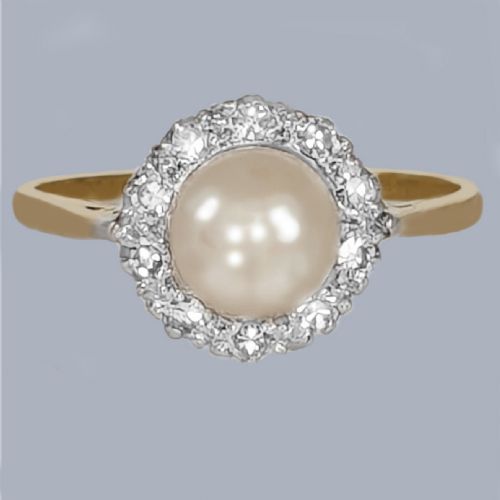
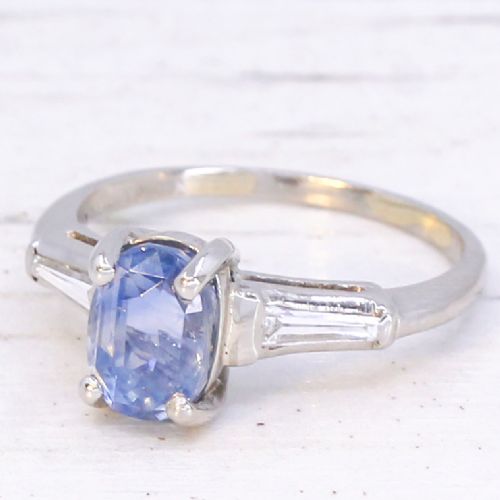
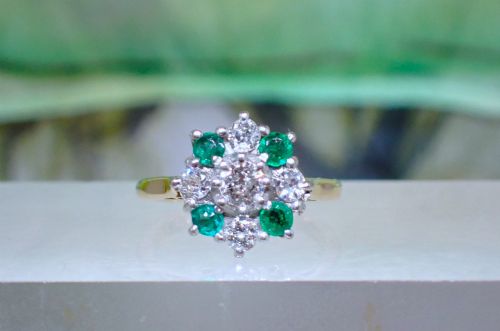
Engagement rings frequently feature old cut or brilliant cut diamonds set in platinum or yellow gold. Cocktail rings lean toward larger coloured gemstones such as sapphires, emeralds, garnets, and jadeite mounted in clusters or modernist arrangements.
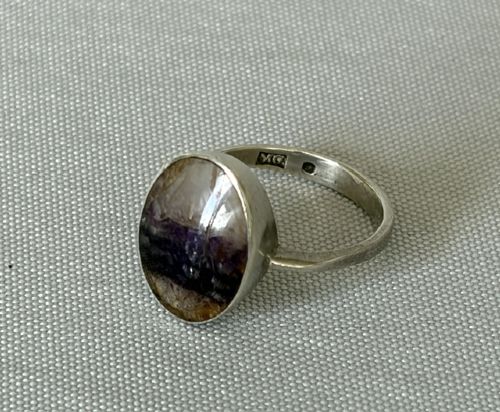
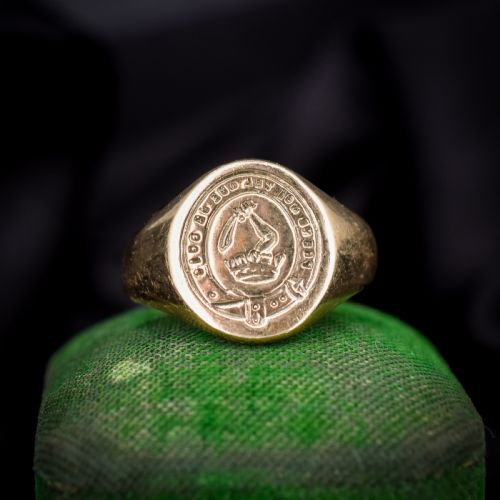
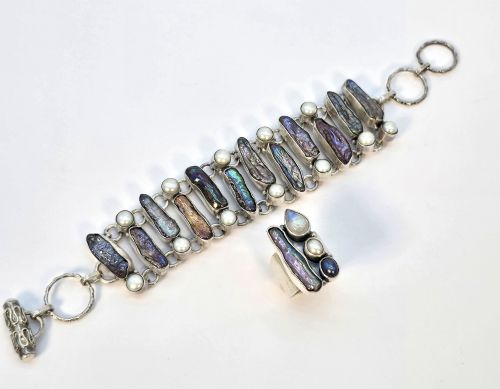
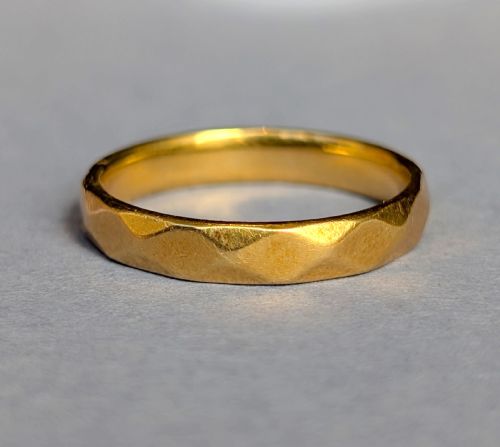
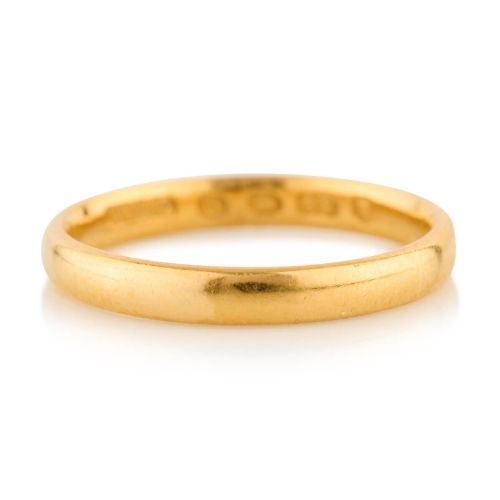
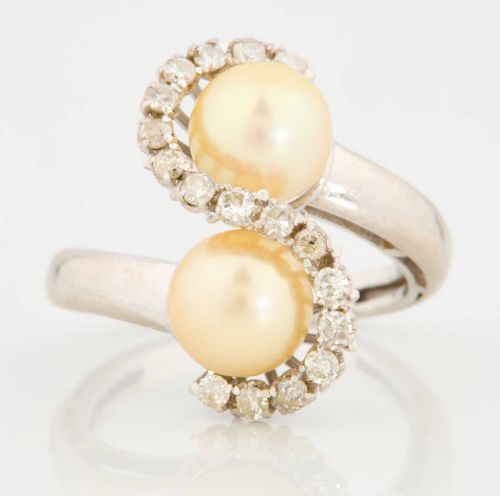
Signet rings and wedding bands offer simpler gold profiles, sometimes set with onyx, intaglio, or turquoise. Silver examples stretch into Scandinavian modern and modernist lattice designs incorporating pearls or paste.
Materials and Construction
Makers shaped these rings using yellow gold, white gold, 9ct, 18ct, 22ct gold, and platinum, frequently pairing precious metals with gemstones like diamond, sapphire, emerald, aquamarine, and opal. Silver also appears in Scandinavian and Japanese modern pieces.
Stones are secured in varied settings including classic claws, clusters, and flush mountings, while decorative elements rely on hand engraving, enamel, and organic texturing typical of the mid-century modern period.
Listings feature yellow gold, white gold, platinum, and silver alongside diverse stones like sapphire, diamond, emerald, and opal across the 1940s to 1960s.
Judging the Standard
Quality rests on the weight and purity of the gold or platinum chassis and the structural integrity of the stone settings. Better examples show crisp hallmarks, secure stone mounting, and balanced proportions that reflect intentional mid-century design.
The choice of gemstones dictates the upper tier of the range, particularly with unheated sapphires, clean emeralds, and well-matched diamond clusters. Lower tiers utilise smaller stones, simpler metal gauges, or paste replacements.
Harold Arthur Lazarus·Randers Silver
The Mid Century Jewellery Ring Glossary
- Cocktail ring
- A large, prominent ring designed to be noticed during evening wear. These typically feature large central gemstones or dense clusters.
- Old cut diamond
- A diamond cut popular before modern brilliant faceting, characterised by a smaller table and high crown.
- Signet ring
- A solid metal ring often bearing an engraved crest, monogram, or flat stone such as onyx or intaglio.
- Modernist
- A style rejecting traditional ornamentation in favour of abstract geometric forms, clean lines, and sculptural metalwork.
Mid Century Jewellery Ring: Frequently Asked Questions
What defines a mid-century ring?
These pieces date roughly from the 1940s to the 1960s, reflecting shifts from retro curves to clean modernist geometries.
They combine traditional precious metals with inventive stone arrangements and sculptural silhouettes.
How are different gold purities used?
Lower purities like 9ct gold provide durable everyday wear for simple bands and signet rings. Higher purities and platinum support finer gemstone settings.
Yellow gold dominates the period aesthetic, though white gold and platinum appear frequently in diamond clusters.
Can I wear these daily?
Sturdier bands and diamond engagement rings suit regular daily wear with standard care. Cocktail rings and softer stones require more mindful handling.
Checking the security of the claws ensures the stones remain firmly anchored over time.
What stones are common in this period?
Diamonds, sapphires, and emeralds form the traditional core of engagement and cluster designs. Rubies, opals, aquamarines, and garnets frequently anchor larger cocktail rings.
Unusual materials like jadeite, Blue John, and pearls also appear in modernist settings.