
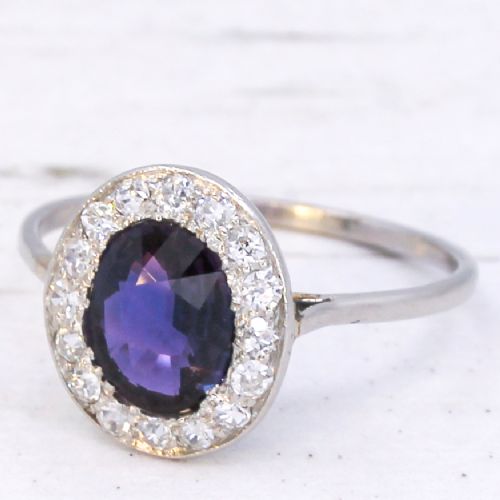
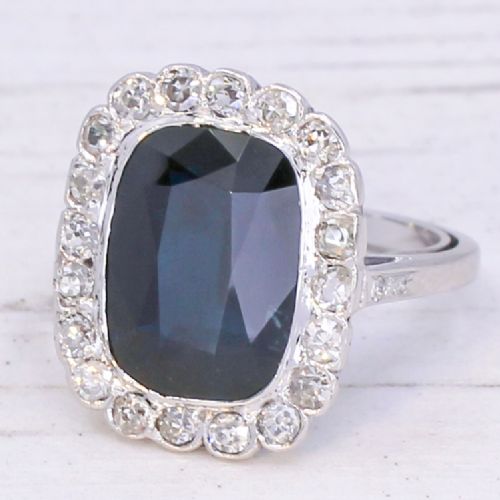
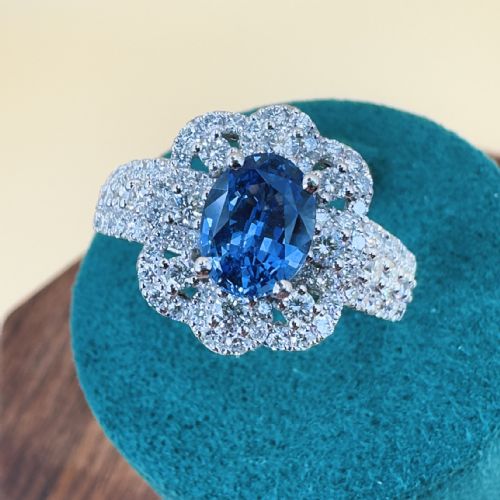
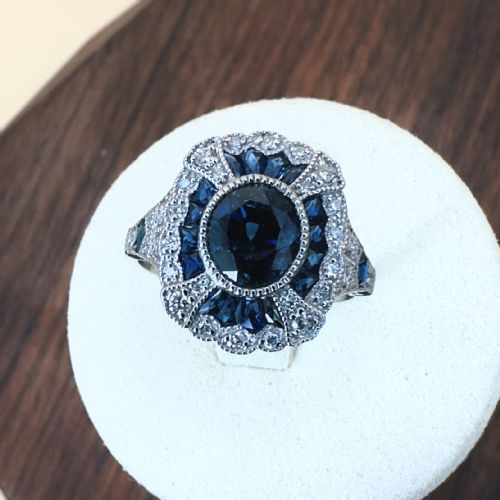
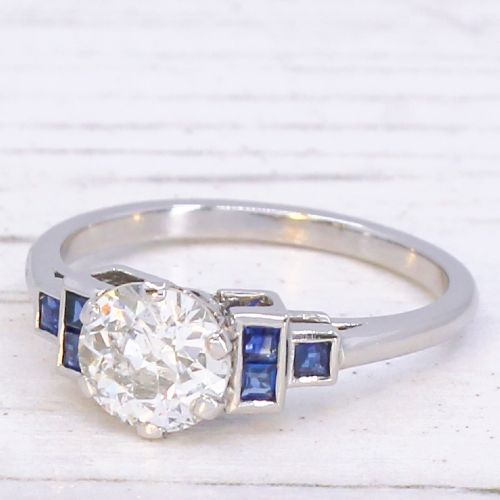

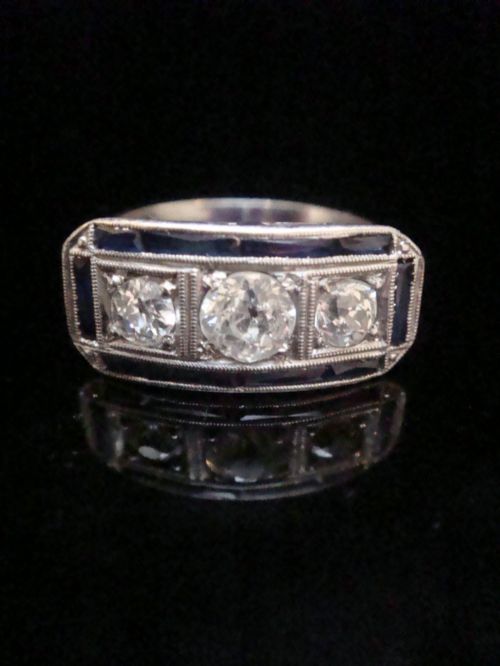


Blue Sapphire Platinum Ring
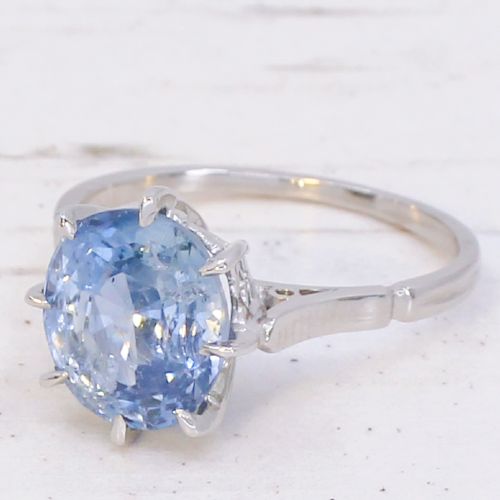
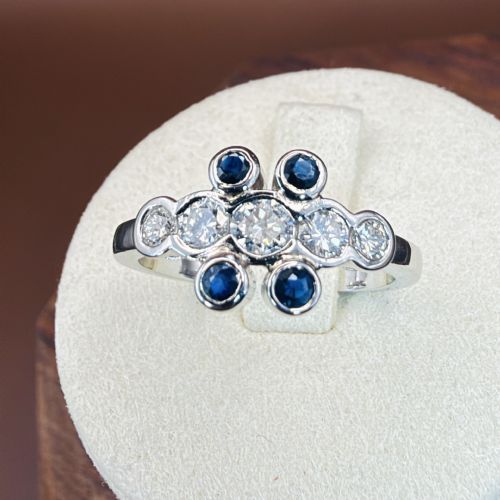
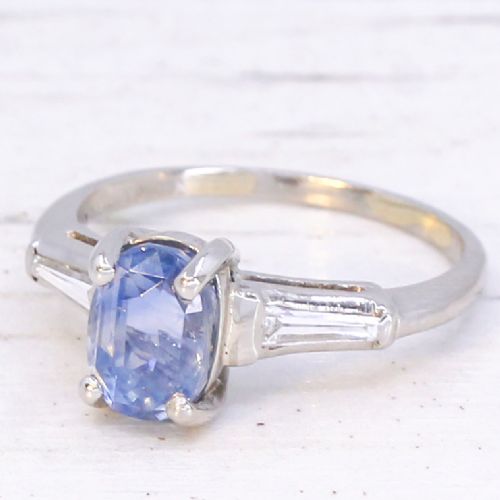
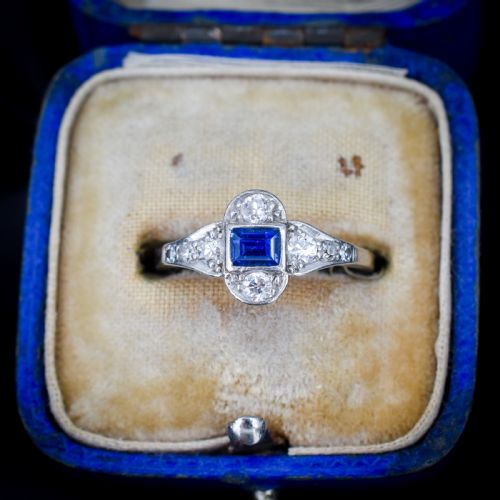
A blue sapphire platinum ring combines deep corundum with durable white metal, bringing together periods from Edwardian elegance to mid-century modern design.
Blue Sapphire Platinum Ring
When searching for a blue sapphire platinum ring, buyers encounter a range of forms spanning rings, cocktail rings, and dress rings. The most common examples emerge from the Art Deco period, alongside significant representation from the 1940s, 1950s, and 1960s.
Origins include Ceylon, Burma, and Kashmir, paired with brilliant, old cut, or transitional diamonds. The mountings integrate platinum predominantly, sometimes accompanied by 18ct white gold or yellow gold bands.
How they were made
The construction relies heavily on platinum, chosen for its strength to hold stones securely with minimal metal visibility. Stones are set alongside diamonds using techniques such as cluster arrangements, halos, and calibré cutting to frame the central sapphire.
Goldsmiths combined platinum settings with 18ct gold bands in specific periods, utilising claw settings and bezel mounts to showcase unheated sapphires of varying carat weights.
Blue Sapphire Platinum Ring Retail Price Guide 2026
Typical asking prices for blue sapphire platinum ring among the pieces listed under this phrase on Sellingantiques today, from the lower quarter to the upper quarter. They describe what is for sale here now, not the wider market.
Listings feature periods from Edwardian times through the 1960s, constructed predominantly in platinum with sapphire and diamond combinations.
What varies in quality
Quality rests upon the origin and heat treatment status of the sapphire, with unheated stones from sources like Ceylon or Burma commanding particular attention. The depth and vibrancy of the blue hue dictate visual impact.
Diamond accompaniment, metal weight, and the precision of period handiwork - such as fine millegrain detailing or geometric Art Deco symmetry - distinguish standard examples from exceptional pieces.
Le Vian
The Blue Sapphire Platinum Ring Glossary
- Calibré cut
- Small gemstones shaped specifically to fit tightly into geometric channels or patterns without gaps. This technique is frequently seen in Art Deco jewellery.
- Navette
- A boat-shaped ring design featuring pointed ends, sometimes called a marquise shape. It elongates the appearance of the hand when worn.
- Old cut
- Diamond cutting styles pre-dating modern brilliant cuts, characterised by higher crowns and smaller tables. They produce a softer, candlelight sparkle.
- Transitioning cut
- A diamond facet style bridging old mine cuts and modern round brilliants, appearing during the early twentieth century.
- Target cluster
- A circular ring design featuring a central stone surrounded by concentric rings of contrasting gemstones. This layout creates a bullseye visual effect.
Blue Sapphire Platinum Ring: Frequently Asked Questions
How do I care for a platinum sapphire ring?
Platinum is durable and resists wear well, needing only occasional professional cleaning to maintain its finish.
Sapphire is hard, but the surrounding diamonds require gentle handling to prevent stone loss in older settings.
Can I wear a vintage sapphire ring daily?
Many buyers wear these pieces daily, particularly robust platinum designs from the mid-century or Art Deco eras.
Delicate Edwardian or high-carat cluster rings benefit from more mindful wear to protect older settings.
What does unheated sapphire mean?
An unheated sapphire has undergone no artificial heat enhancement to improve its natural colour or clarity.
These untreated stones are sought after by collectors for their natural origin.
How do I identify an Art Deco ring?
Art Deco rings display geometric lines, symmetry, and architectural motifs typical of the 1920s and 1930s.
They frequently employ platinum settings with calibré cut stones and millegrain edges.