


Mid Century Glassware
Mid century glassware brings vibrant colour and clean modernist forms to a table, offering both sculptural presence and functional elegance.
Mid Century Glassware
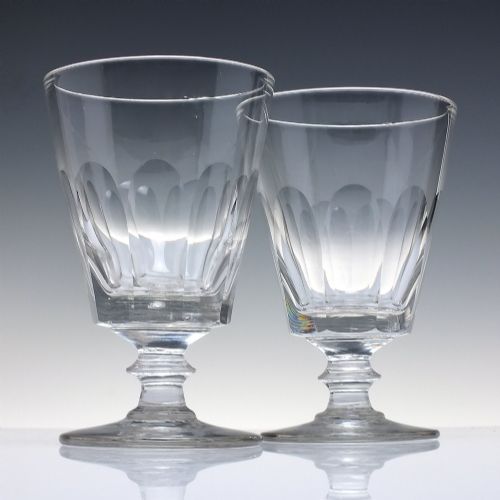
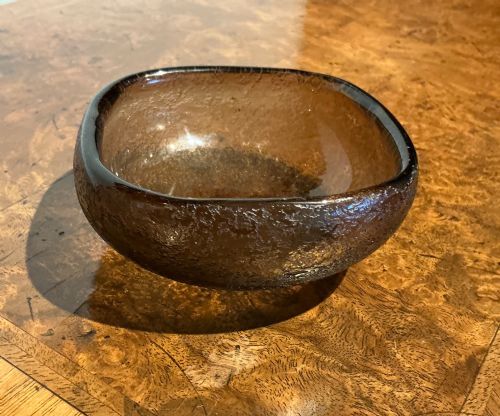
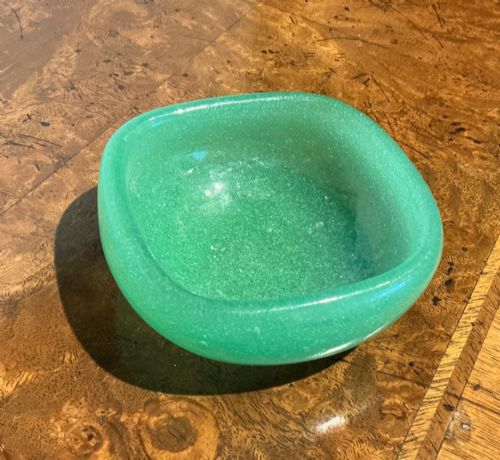
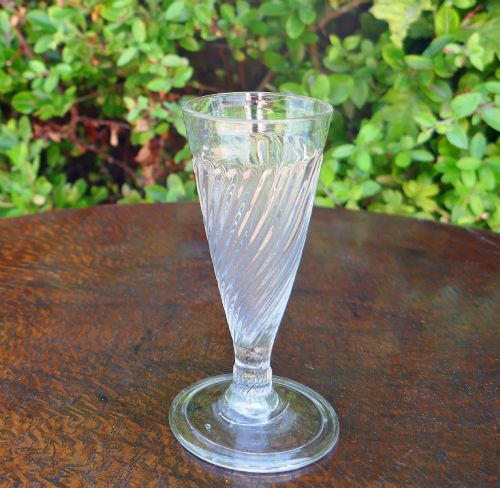
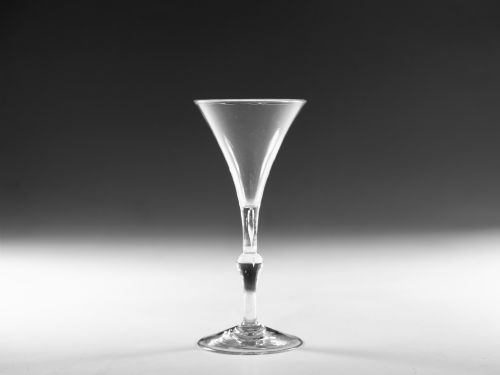
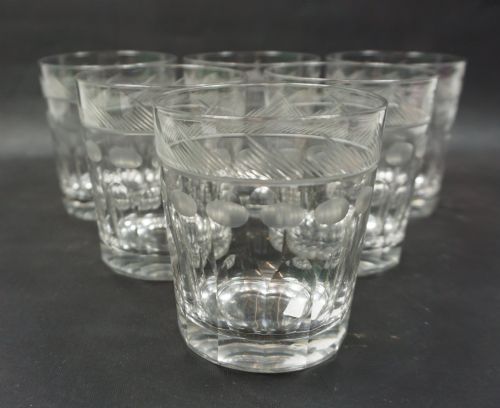
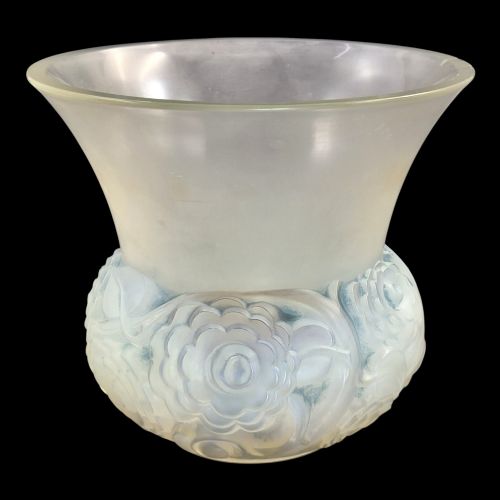
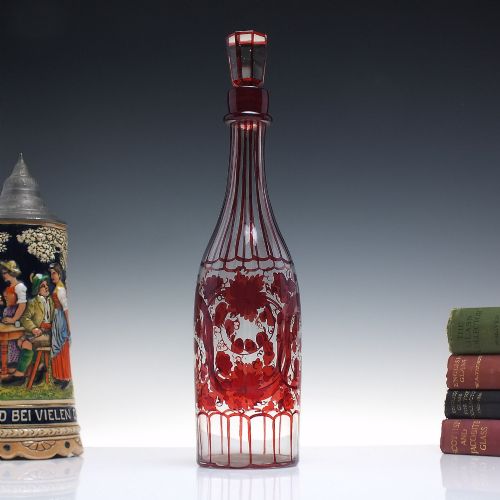
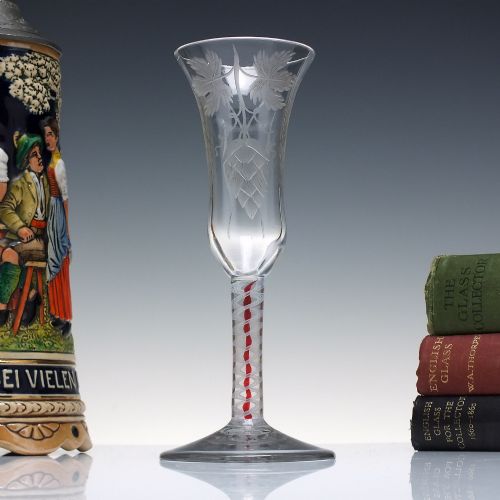
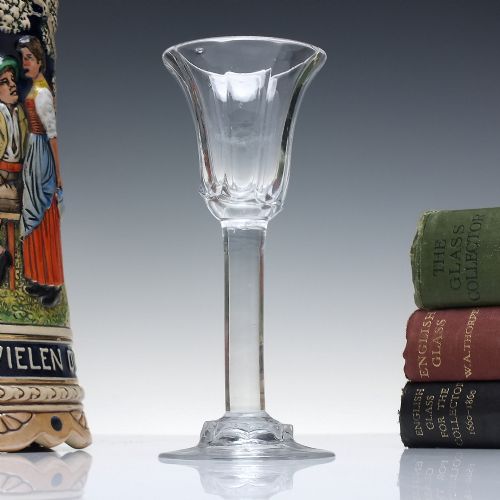
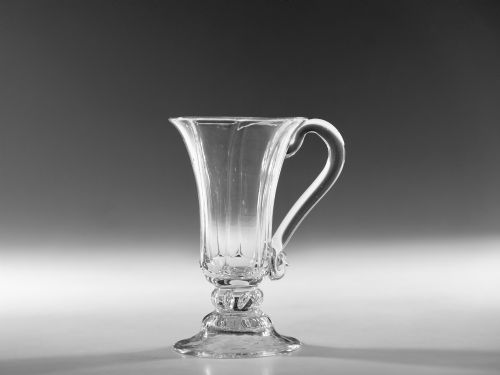
The objects listed under mid century glassware often surprise buyers by bridging multiple historical periods, uniting earlier lead crystal with twentieth century opalescent and cased glass. This variety reflects changing domestic habits, moving from formal eighteenth century dining settings to mid-century decorative display. Each form serves as a tangible record of historical glassmaking traditions and stylistic evolution.
Assessing quality in historical glass
Quality rests significantly on the purity of the metal and the precision of the form, where clearer glass and sharper mould details indicate superior craftsmanship. Heavier vessels with well-balanced stems and neatly finished pontil marks demonstrate greater artisanal control during production.
The refinement of surface decoration, such as deeply engraved floral patterns or cleanly applied gilding, separates standard domestic ware from exceptional studio pieces. Consistency in colour saturation and the absence of distracting internal impurities further define the upper tier of glass production.
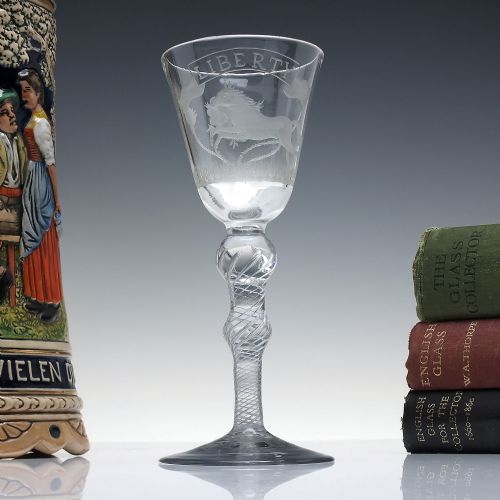
Early glassmakers occasionally hid anti-Jacobite political loyalties inside delicate wine glass engravings.
Venini·Lalique·Baccarat·Paul Heller·Booms glass
The Mid Century Glassware Glossary
- Lead glass
- Glass containing lead oxide, which increases weight, brilliance, and working time for cutting. This material allows for greater clarity and resonant ring when struck.
- Pontil mark
- The rough scar left on the base of a vessel where the punty rod was detached after blowing. Skilled makers often ground or polished this area smooth.
- Air twist
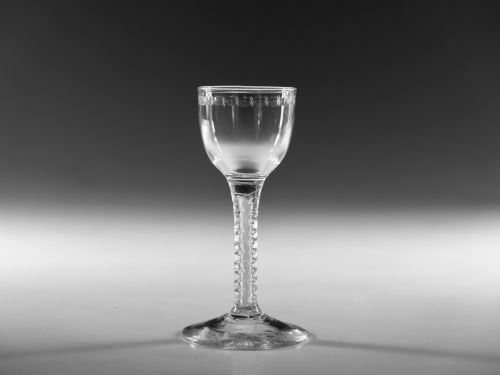
- A decorative spiral of tiny air bubbles trapped within the stem of a drinking glass. Makers created this effect by drawing and twisting the glass while hot.
- Latticinio
- Opaque white or coloured glass threads embedded in clear glass in a network pattern. This technique originated in Renaissance Italy and reappeared in later European wares.
- Cased glass
- A vessel composed of two or more distinct layers of different coloured glass. Artisans often cut through the outer layer to reveal the contrasting colour underneath.
Mid Century Glassware: Frequently Asked Questions
How do I clean old glass safely?
Wash pieces by hand in warm water using mild soap, avoiding harsh scrubbing brushes and sudden temperature changes that might cause thermal shock.
Dry them immediately with a lint-free cloth to prevent water spots and preserve the natural brilliance of the crystal surface.
Can I use these glasses for daily dining?
Many sturdy nineteenth century and mid-century items remain robust enough for regular use, provided they are handled with care and kept away from dishwashers.
Delicate eighteenth century items with air twist stems or fragile enamelling are better reserved for careful display or special occasions.
What causes cloudiness inside old decanters?
Residue from old liquids or mineral deposits from washing water often creates a milky film on the interior surfaces over many decades.
Specialist cleaning beads and mild solutions can help reduce this haze without scratching the historic glass interior.
How do I identify moulded glass marks?
Inspect the base and seams for soft edges and irregularities that distinguish traditional hand-moulded or free-blown pieces from modern machine-made equivalents.
Factory signatures or etched maker names occasionally appear near the foot rim of twentieth century studio pieces.