



Mid Century French Painting
Mid century french painting encompasses vibrant canvases and boards capturing Parisian street scenes, coastal harbours, and intimate interiors through impressionist and modernist lenses.
Mid Century French Painting
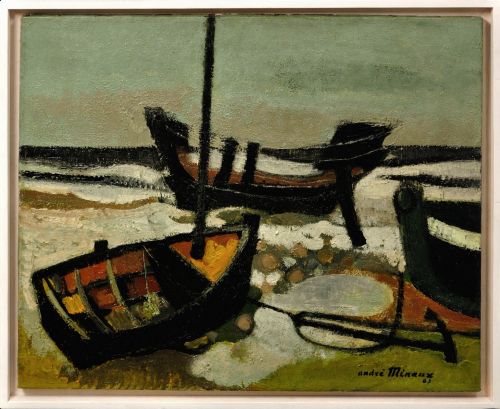
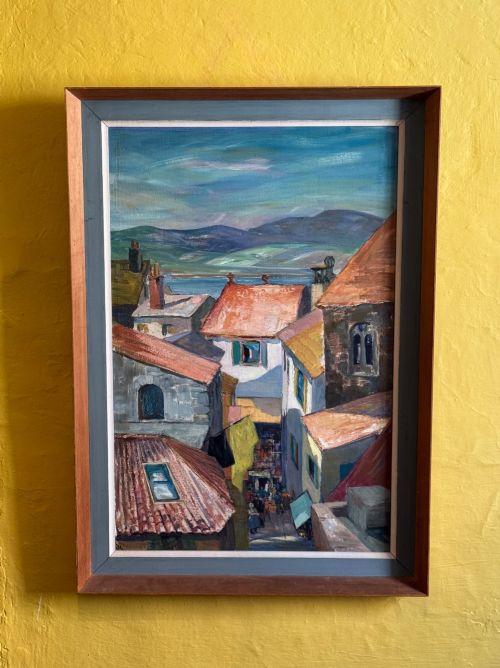
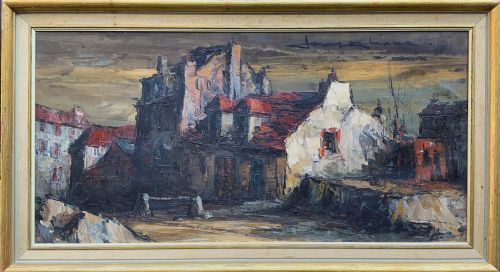
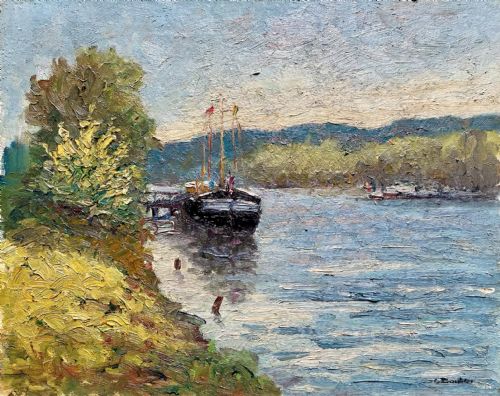
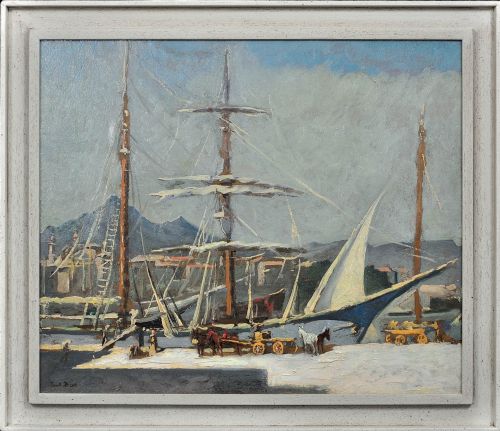
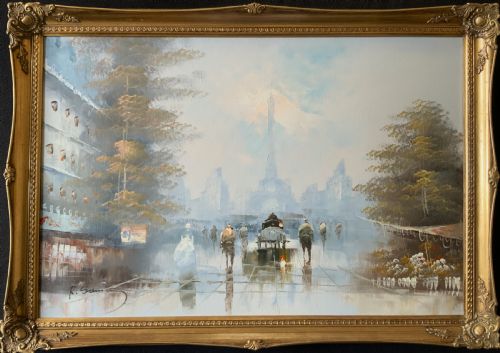
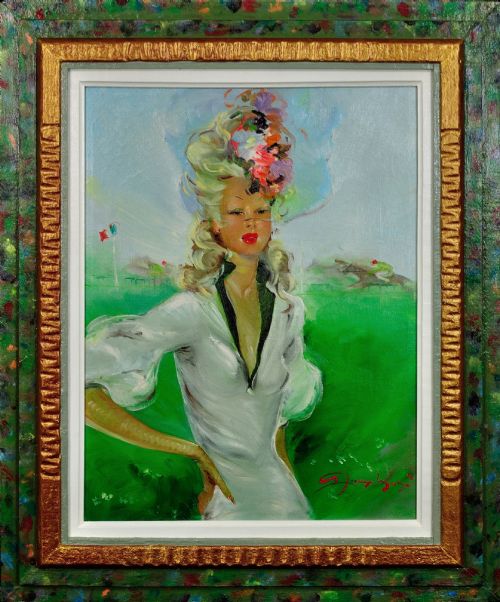
Mid century french painting covers works originating from France across the mid twentieth century, encompassing styles from impressionism to post-impressionism and expressionism. These artworks record urban cityscapes, rural village scenes, and coastal harbours along the Riviera.
The selections encountered on this page frequently span the decades from the nineteen thirties to the nineteen sixties, rendered in oils on canvas or board. They capture the shifting light of Paris and regional landscapes through distinct mid century artistic interpretations.
How They Were Made
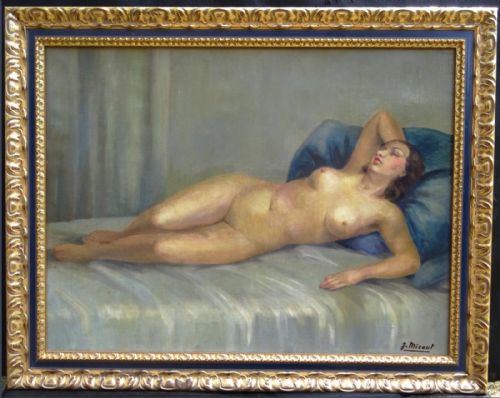
Artists utilised oil paint applied primarily to stretched canvas or wooden board, occasionally incorporating mixed media such as ink and watercolour. Brushwork ranges from smooth, detailed portraiture to thick, textured application characteristic of expressionist harbour and street scenes.
Finished works were housed in complementary surrounds, utilising wooden frames often featuring gilt finishes or characteristic Montparnasse profiles that define the visual presentation of the period.
Mid Century French Painting Retail Price Guide 2026
Typical asking prices for mid century french painting among the pieces listed under this phrase on Sellingantiques today, from the lower quarter to the upper quarter. They describe what is for sale here now, not the wider market.
Listings feature works spanning from the eighteenth century through to nineteen sixty, utilising canvas, board, and oil paint.
What Varies In Quality
The strength of composition and sureness of brushwork distinguish masterworks from simpler decorative pieces within the genre. Painterly confidence in capturing light, atmosphere, and perspective determines the artistic standing of individual canvases.
Provenance and documented artist attribution elevate certain works significantly, alongside the integrity of the original period framing that preserves the context of the painting.
Paul Bret·Jean-Gabriel Domergue·Henry de Waroquier·Paul-Jean Anderbouhr·Raymond Picque·Fred Pailhes·Gaetan Dumas·Gabriel Dauchot·Mario Pinetti·Ron Folland·Mercedes Legrand·Henry Portal
The Mid Century French Painting Glossary
- Canvas
- A heavy woven fabric stretched across a wooden support to serve as a primary painting surface. Artists of the period primed these textiles to receive oil pigments.
- Gilt
- A thin application of gold leaf or metallic paint applied to wooden frames. This decorative surface catches ambient light to accentuate the artwork it encloses.
- Impressionism
- An art movement focusing on accurate depiction of light and its shifting qualities. The style employs small, thin yet visible brush strokes.
- Montparnasse Frame
- A distinctive style of wooden picture frame associated with Parisian artistic circles of the early to mid twentieth century. These frames often feature stepped profiles and textured gesso work.
- Board
- A rigid wooden or composite panel utilised as an alternative support to stretched canvas. Painters applied oil and gouache directly to these flat surfaces.
Mid Century French Painting: Frequently Asked Questions
What subjects appear in mid century french painting?
These works frequently depict Parisian street scenes, the river Seine, bustling harbour towns along the Mediterranean, and quiet interior domestic spaces. Landscapes from Normandy and Provence also feature prominently across the selection.
Artists captured everyday moments such as horse racing, cafe gatherings, and coastal shipping activity using expressive colour palettes.
How do I identify a mid century piece?
Dating relies upon stylistic markers, artist signatures, and framing methods typical of the period between the nineteen thirties and nineteen sixties. Mid century works often embrace looser brushwork and brighter palettes than earlier nineteenth century academic art.
Examining the reverse of the canvas or board can reveal artist inscriptions, gallery labels, or stamps from Parisian framers that help confirm the era.
Are these paintings signed by the artists?
Many examples feature legible signatures or monograms applied by the painter, often accompanied by dates or location notes within the composition or on the reverse. Unsigned works frequently emerge from the period as well, attributed to regional schools or anonymous creators.
Documentation and archival records assist in connecting unsigned or lesser known canvases to active artistic circles of the mid twentieth century.
How should I frame and display these artworks?
Displaying these paintings benefits from period appropriate surrounds such as vintage gilt or Montparnasse wooden frames that complement the aesthetic of the canvas. Positioning them away from direct sunlight preserves the oil pigments and varnishes over time.
Providing stable indoor humidity levels ensures the wooden stretchers and canvas supports remain secure within their frames.