
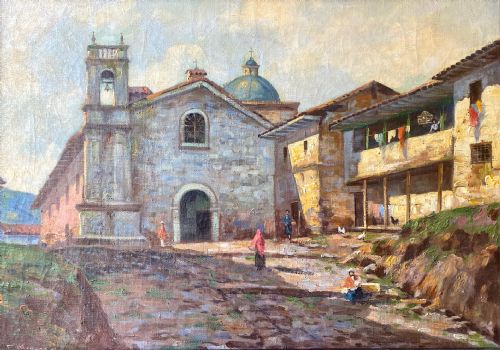


Mid Century Figure Artwork
Mid century figure artwork captures human form through oil, canvas, and ink from decades past.
Mid Century Figure Artwork
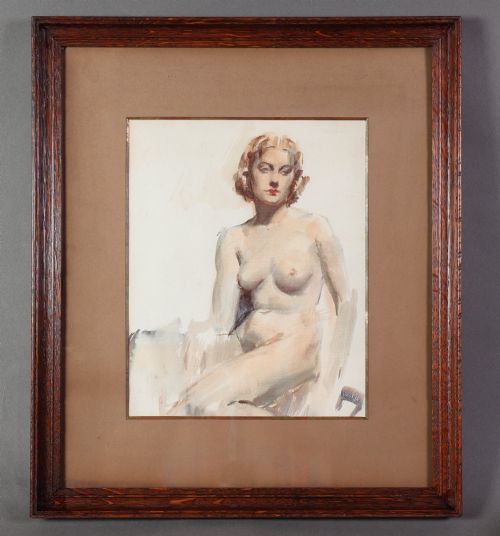
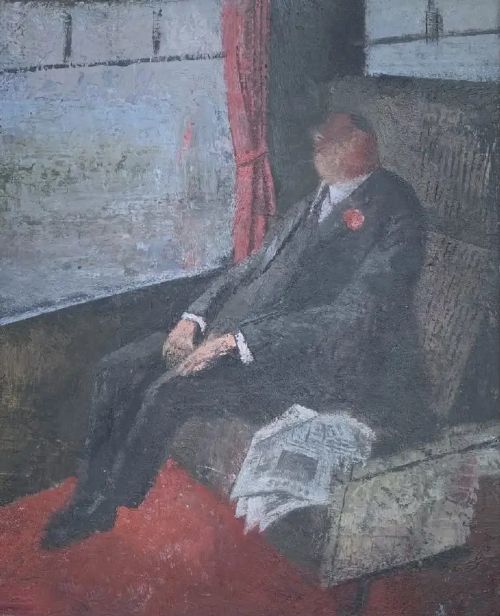
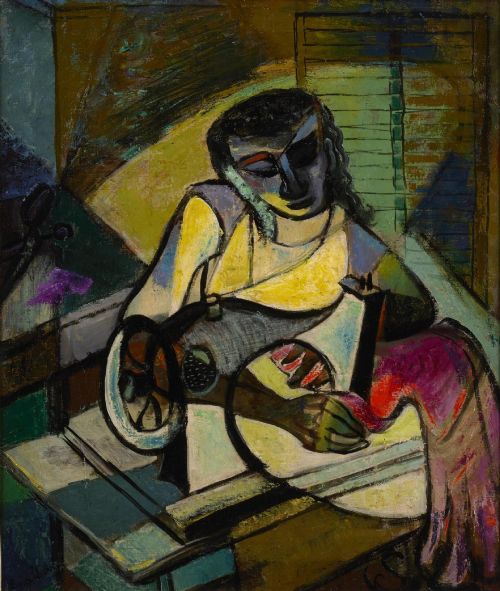
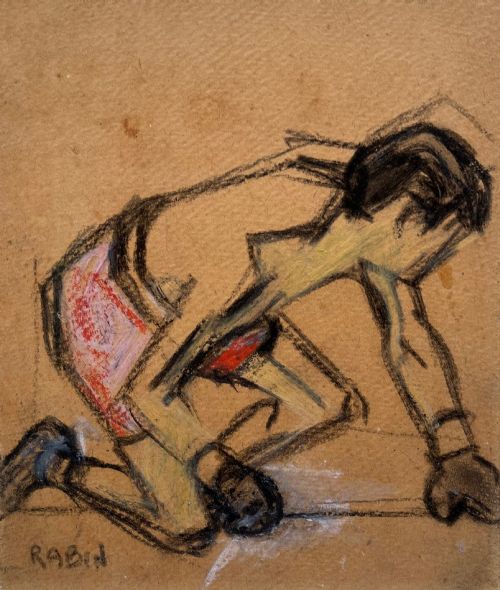
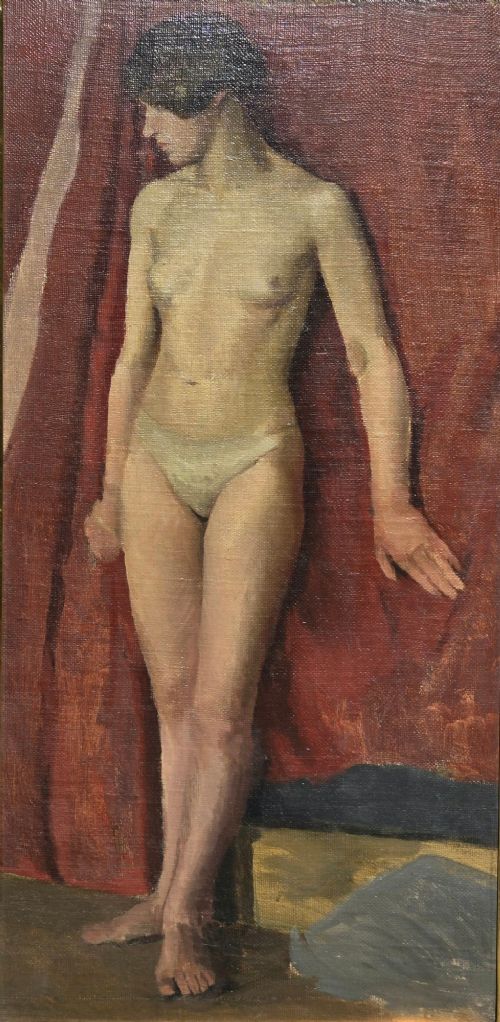
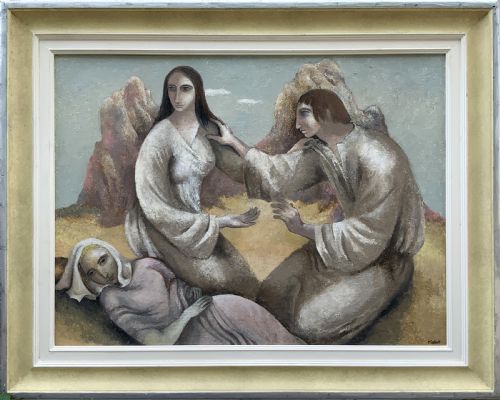
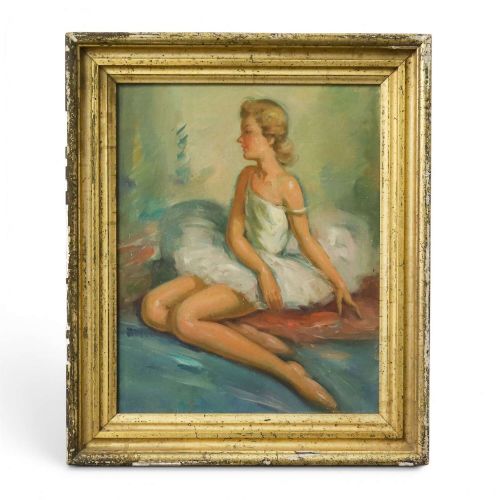
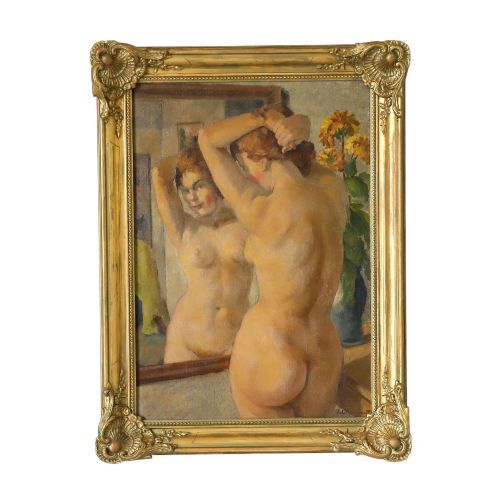
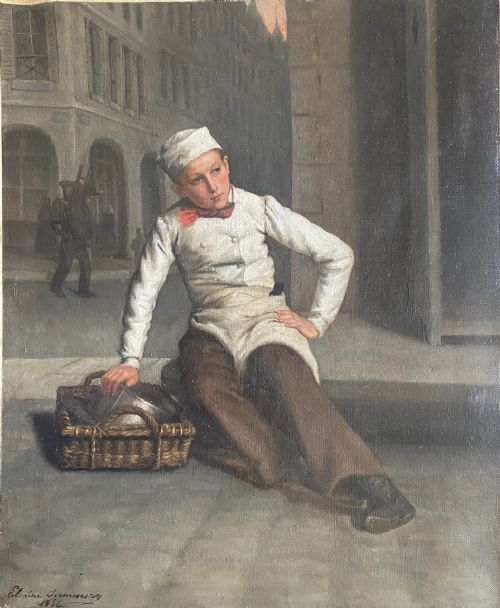
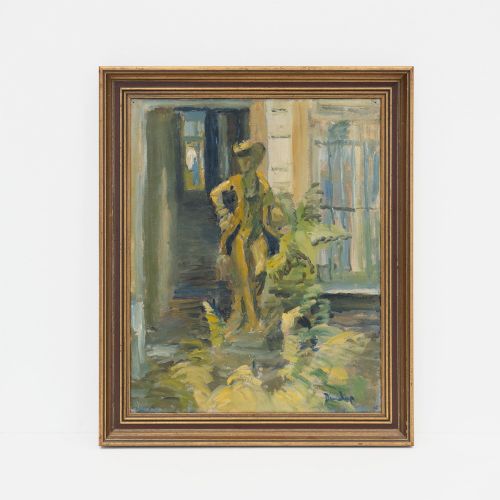
Mid century figure artwork comprises paintings, drawings, and portraits centred on the human form, spanning periods from the 1930s through to the 1960s. These pieces include academic life studies, nudes, ballet dancers, and street scenes executed by artists across Britain, Europe, and beyond.
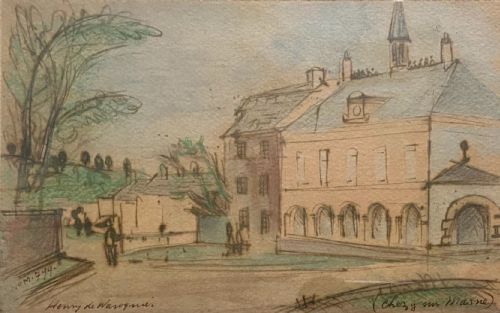
Buyers encounter oil paintings on canvas alongside works on paper utilising ink, watercolour, charcoal, and pastel. The selection ranges from informal sketches to large exhibition pieces rooted in modernist, impressionist, and expressionist traditions.
Materials and methods
Artists worked primarily with oil paint applied to canvas or wood panels, often building texture through impasto or maintaining fluid brushwork. Works on paper rely on ink, graphite, watercolour, and charcoal to capture rapid gestures and detailed anatomical studies.
Support materials reflect the mid-century period, utilising stretched canvas, woven paper, and traditional wooden framing. Mixed media approaches combine ink and watercolour to achieve varied tonal depth and expressive line work.
Listings feature oil paint, canvas, wood, paper, ink, glass, charcoal, and pastel across multiple decades.
Evaluating quality and execution
The strength of a mid-century figure artwork lies in the confidence of the draughtsmanship and the handling of the medium. Gestural economy in charcoal or the deliberate application of oil paint distinguishes accomplished studio studies from routine exercises.
Compositional ambition and expressive characterisation separate standard decorative pieces from works with strong provenance or exhibition history. The interaction of light, shadow, and anatomical proportion determines the visual impact of each canvas or paper support.
James Stroudley·Lena Gurr·Samuel Rabin·Winifred Rymer·Ronald Ossory Dunlop·Thomas Hicks·Tony Giles·Gaetan Dumas·John Merrifield·E A Minardo·Roland Batchelor·YA MING·Antonio Ferri
The Mid Century Figure Artwork Glossary
- Impasto
- Paint applied thickly to a canvas, standing out from the surface so that texture and brushstrokes remain visible. This technique adds tactile dimension to mid-century oil paintings.
- Life study
- An artwork created directly from a live model, focusing on human anatomy, posture, and form. These pieces range from rapid charcoal sketches to detailed academic paintings.
- Chiaroscuro
- The strong contrast between light and dark within a composition, used to create depth and volume. Artists utilise this method to model figures against shadowed backgrounds.
- Triptych
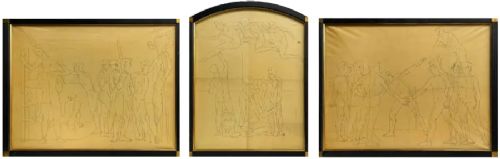
- A work of art divided into three sections or panels hinged together or displayed side by side. This format is often seen in narrative or large-scale thematic compositions.
- Academic realism
- A style of painting and drawing produced under the influence of European academies of art. It emphasises precise anatomical accuracy and traditional finishing techniques.
Mid Century Figure Artwork: Frequently Asked Questions
What defines mid century figure artwork?
These pieces focus on the human body and portraiture, created between the 1930s and 1960s using mediums like oil, ink, and charcoal. They reflect various movements including modern British, impressionism, and expressionism.
Subjects range from formal studio life studies and dancers to informal street scenes and expressive nudes captured by international artists.
How do I hang a large canvas?
Large oil paintings on canvas require secure wall fixings and sturdy picture wire attached directly to the wooden stretcher frame. Ensure the wall structure can support the weight of the painting before mounting.
Position the artwork at eye level in a space with controlled lighting to protect the oil paint and canvas from direct, harsh sunlight.
How were these drawings created?
Artists used materials such as graphite, charcoal, chalk, and ink on paper to record rapid gestures and detailed anatomical studies. These works often served as direct preparations for larger studio paintings.
Many drawings capture spontaneous poses from live models, preserving the immediate hand of the artist through energetic lines and shading.
How do I care for works on paper?
Works on paper, including watercolours and charcoal drawings, require framing behind protective glass to prevent environmental damage. Keep them away from moisture and direct sunlight to preserve the integrity of the paper and pigments.
Use acid-free mounts when framing to ensure the paper does not discolour or degrade over time.