





Modern Expressionist Figure
A modern expressionist figure captures human form through raw emotion, distortion, and bold brushwork rather than strict realism.
Modern Expressionist Figure
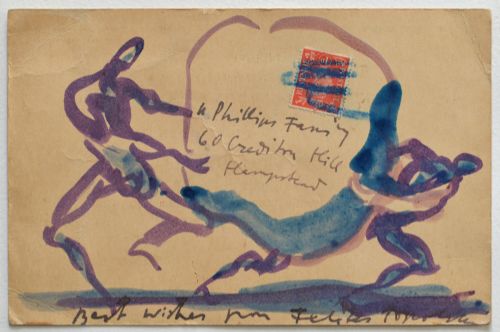
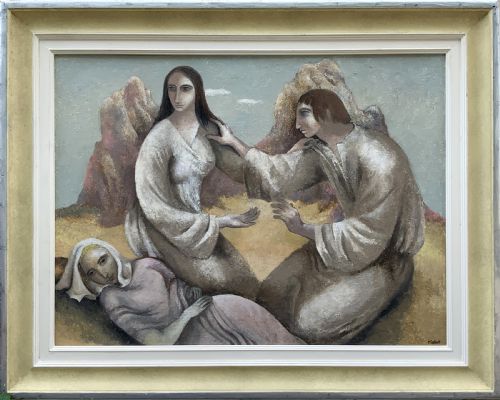
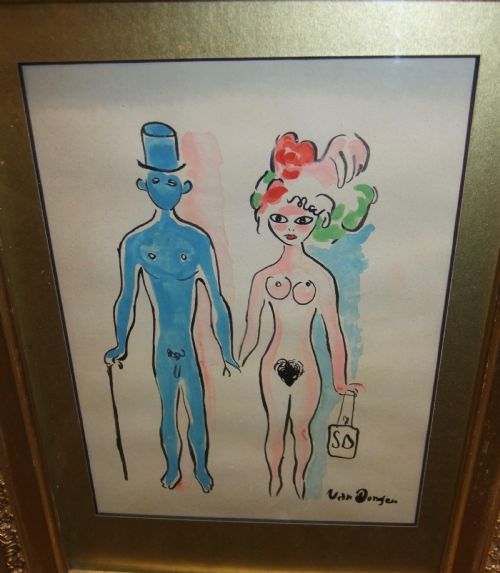
When you search for a modern expressionist figure, you encounter paintings, works on paper, and sculptures that distort anatomical norms to convey psychological depth. These pieces span the early to mid twentieth century, drawing on movements such as Fauvism, Cubism, and Abstract Expressionism.
The version you are most likely to meet on this page is a mid century oil painting or a graphic print executed on canvas, board, or paper. Subjects frequently focus on nudes, portraits, and figures set within domestic or symbolic interiors.
The physical origins of these works bridge British, French, Spanish, and American studios, reflecting a broad international dialogue about the human form. Artists of this era prioritized expressive brushwork and vivid colour palettes over photographic likeness.
Materials and techniques
Painters relied heavily on oil paint applied to canvas, board, or paper, often building thick impasto layers to give physical weight to the painted body. Some compositions incorporate oil laid down on board or mixed with other mediums to emphasise texture.
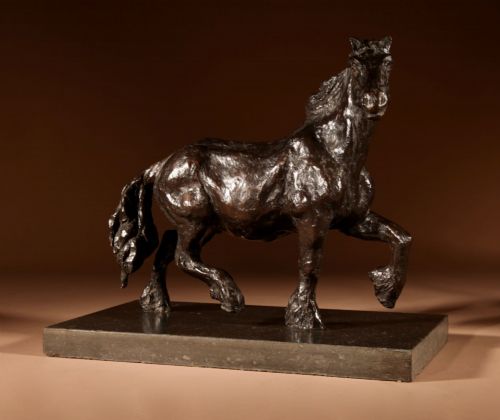
Sculptural representations emerge in bronze, utilising casting methods to capture dynamic movement and rough surface patinas. Works on paper typically employ ink, watercolour, or printmaking techniques to achieve immediate linear energy.
Modern Expressionist Figure Retail Price Guide 2026
Typical asking prices for modern expressionist figure among the pieces listed under this phrase on Sellingantiques today, from the lower quarter to the upper quarter. They describe what is for sale here now, not the wider market.
Draft horses and lounging cats occasionally share canvas space with expressionist nudes, proving that artists loved their pets as much as their models.
Assessing quality in expressionist art
The distinction between ordinary and exceptional works rests on the confidence of the mark-making and the internal cohesion of the composition. Superior examples maintain tension between abstraction and figuration without losing structural integrity.
Depth of colour harmony and surface preservation dictate the visual impact of a piece. Works that retain vigorous brush application and secure mounting demonstrate superior execution.
Christine Nesbit·Tony Giles·Peter Jackson·Jean Hippolyte Marchand·Antonio Ferri·Raymond Arthur Roadnight·Kees van Dongen·Bernard Meninsky
The Modern Expressionist Figure Glossary
- Impasto
- Paint applied thickly to a canvas or board, standing out in relief from the surface. This technique creates physical texture that catches light and emphasises the gesture of the artist.
- Avant-garde
- Artworks and creators that push the boundaries of traditional aesthetic norms and experiment with new visual languages. These pieces often anticipate broader cultural shifts in style.
- Animalier
- Artworks that focus specifically on the representation of animals, often rendered with muscular energy or expressive distortion. Sculptures in this category capture creatures in motion.
- Surrealism
- A twentieth-century movement exploring the subconscious, dream imagery, and irrational juxtapositions. Figures in this style often inhabit uncanny or symbolic environments.
Modern Expressionist Figure: Frequently Asked Questions
What defines a modern expressionist figure?
These works prioritize emotional intensity over anatomical accuracy, using distorted lines and bold palettes to convey psychological states.
Artists working in this mode manipulate form and colour to evoke internal feelings rather than simply recording physical appearance.
How were these artworks displayed historically?
Paintings were typically framed in simple wood mouldings to complement the raw energy of the canvas without distraction.
Sculptures stood on tabletops or pedestals where light could interact with the textured surface of bronze or carved material.
How should I care for oil paintings on board?
Keep paintings away from direct sunlight and fluctuating humidity to prevent the board and oil paint from warping or cracking.
Dust the surface gently with a soft, dry brush and avoid using liquid cleaners on the paint layer.
How do I distinguish mid-century styles?
Look at the handling of paint and the underlying geometry, as Cubism emphasises angular planes while expressionism focuses on fluid emotion.
Date markers and signatures often provide clues to the specific regional movement an artist aligned with during their career.