

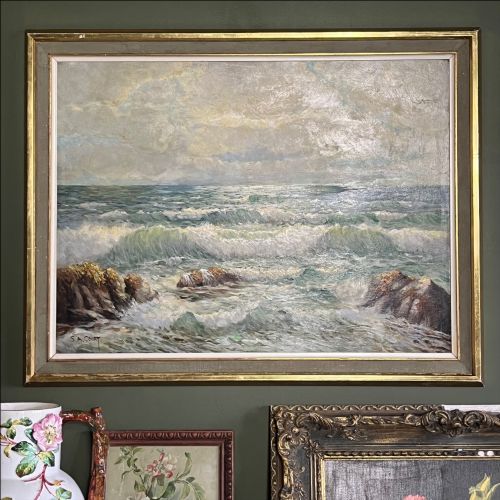
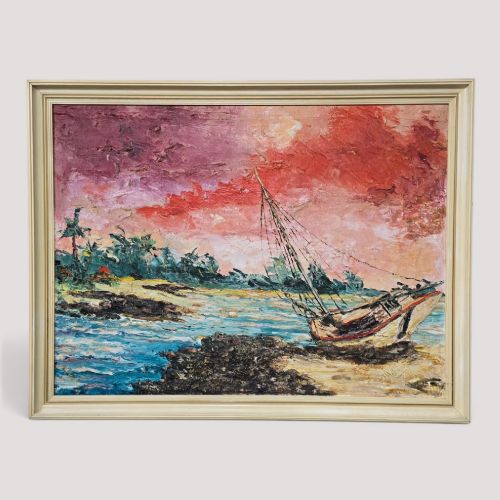
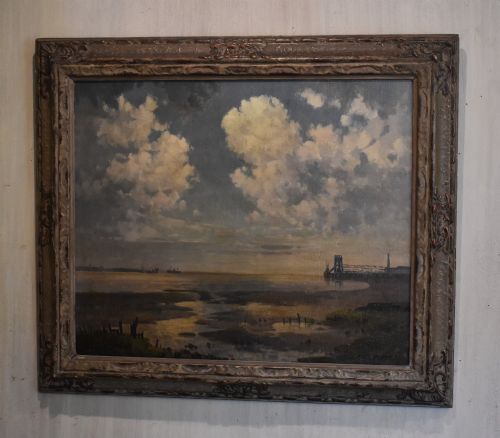
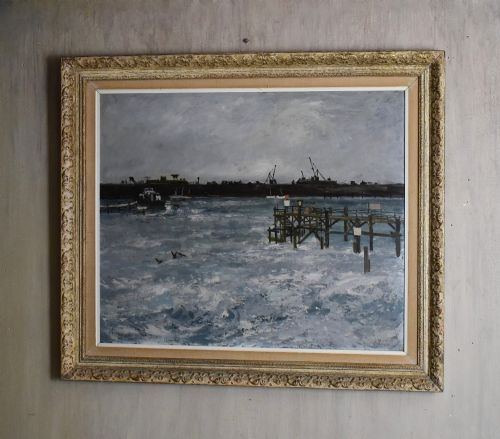



Mid Century Coastal Artwork
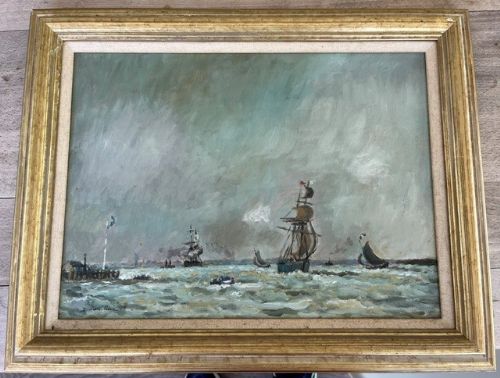
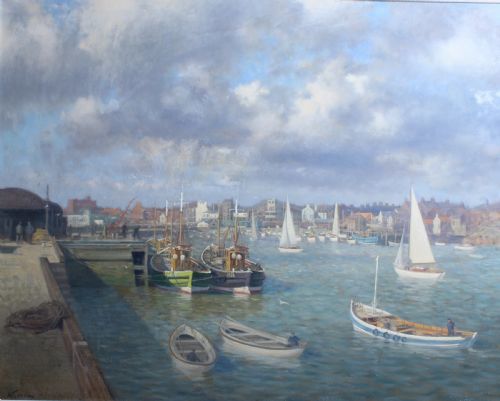
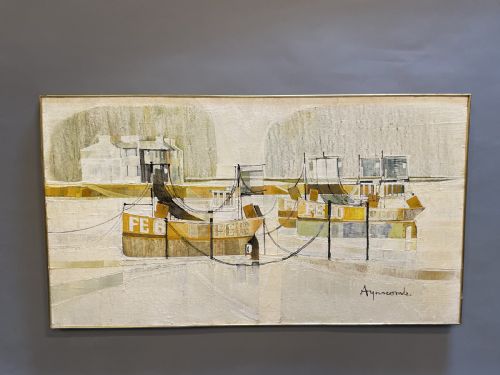
Mid century coastal artwork captures the light and maritime life of harbours, shores and fishing boats through the distinct brushwork of the twentieth century.
Mid Century Coastal Artwork
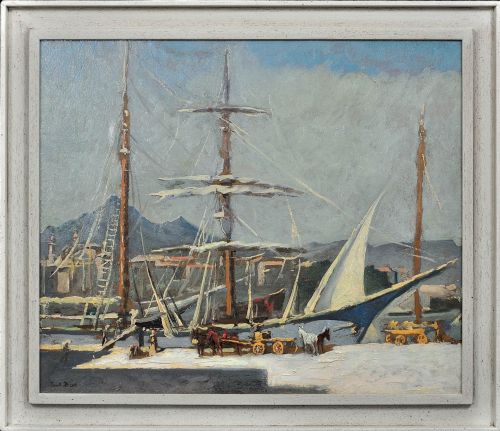
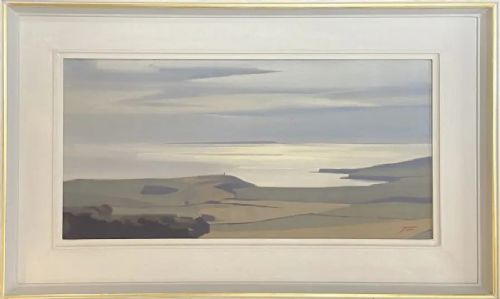
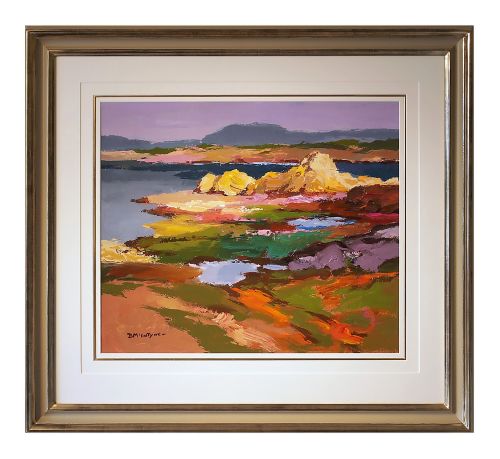
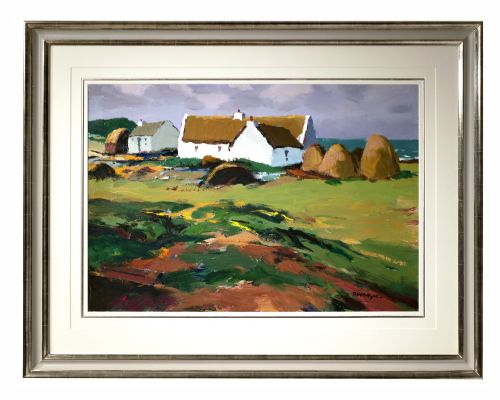
Mid century coastal artwork brings together oil paintings, watercolours and drawings focused on harbours, estuaries and open seas. These pieces record maritime scenes from locations such as Cornwall, Dorset, Yorkshire and European coastal towns.
The selection on this page relies heavily on mid twentieth century creations, alongside occasional earlier works from the nineteenth and eighteenth centuries. Creators utilise styles ranging from British Impressionism to Post-Impressionism to render coastal light and water.
Works on board, canvas and paper dominate the selection, often presented in period frames that complement the maritime subject matter. Buyers encounter depictions of fishing boats, barges and quayside activities set against the sea and sky.
How They Were Made
Painters of these coastal scenes applied oil paint to canvas, board or wood panels, sometimes building thick impasto textures to capture the movement of waves and clouds. Others worked in watercolour or ink on paper, applying fluid washes to depict tidal waters and harbour atmospheres.
Many works were executed en plein air directly on the coast, allowing artists to record changing weather and sea light swiftly. Supporting materials such as canvas stretched over wooden frames or sturdy boards provided stable grounds for these outdoor observations.
Several artists captured boats named after family members, permanently mooring a relative's memory inside a stormy Yorkshire harbour.
What Varies in Quality
The strength of a composition depends on how effectively the painter handles natural light on water and the architectural forms of harbours and vessels. Direct observation of tone and atmosphere distinguishes accomplished interpretations from formulaic representations.
The condition of the paint surface and the support, whether canvas, board or paper, influences the visual impact of each piece. Surviving period frames that suit the scale and palette of the artwork also contribute to the overall integrity of the piece.
Kenneth Cozens·Sidney A Court·Clive Browne·Peter Brannan·Paul Bret·James Fry·Donald McIntyre·Erich Mercker·Walter Goodin·Lionel Horsnell·Joseph Edward Hennah·Helen Layfield Bradley·Gyrth Russell·Raymond Picque·William J B Jenkins·Cecil Rochfort D'Oyly-John·Edward Seago·Fernando Del Basso·William Tuck·George Shaw·Roger de la Corbiere·Sir William Russell Flint·Frank Wood·John Hobson Nicholson·Lawrence Stephen Lowry
The Mid Century Coastal Artwork Glossary
- Impasto
- Paint applied thickly to a canvas or board, leaving visible brush or palette knife marks that catch the light.
- En plein air
- Painting outdoors to capture direct observations of natural light and weather conditions on location.
- Estuary
- The tidal mouth of a large river where the tide meets the current, frequently featured in maritime landscapes.
- Provenance
- The documented history or origin of an artwork, establishing its authenticity and past ownership.
- Gouache
- An opaque water-based medium used by artists to create flat areas of saturated colour in works on paper.
Mid Century Coastal Artwork: Frequently Asked Questions
What subjects appear in mid century coastal artwork?
These pieces depict fishing boats, quaysides, harbours and open seas across British and European shores. Common settings include Cornish inlets, Dorset bays and Yorkshire coastal towns.
Artists focused on recording the daily labour of shipping alongside quiet estuaries and tidal rivers. The changing weather and light of the coast form the core of the imagery.
How do I care for an oil painting on board?
Keep paintings away from direct sunlight and sources of extreme heat to protect the paint surface and wooden support. Dust the surface gently with a soft, dry brush without using water or cleaning fluids.
Ensure the hanging environment maintains stable humidity to prevent warping of the board. Professional framing protects the edges from environmental wear over time.
Where were these coastal scenes usually painted?
Many painters worked directly on location at working harbours, beaches and cliff tops to capture authentic light. Coastal spots in Cornwall, Dorset and Yorkshire provided recurring inspiration for these compositions.
European locations such as Italian ports and French riviera harbours also appear frequently in the selection. Artists travelled to these maritime hubs to study bustling quays and coastal shipping.
How can I identify the period of a painting?
The materials used, such as specific types of board or canvas backing, often offer clues to the decade of creation. Stylistic approaches to colour and brushwork align with mid twentieth century artistic movements.
Signatures, dates inscribed on the reverse and framing styles help confirm the era in which the work was produced. Comparative works by recorded artists provide further chronological context.