


Mid 19th Century Glasses
Mid 19th century glasses comprise functional vessels and decorative objects created during a period of skilled manufacturing and ornate domestic design.
Mid 19th Century Glasses
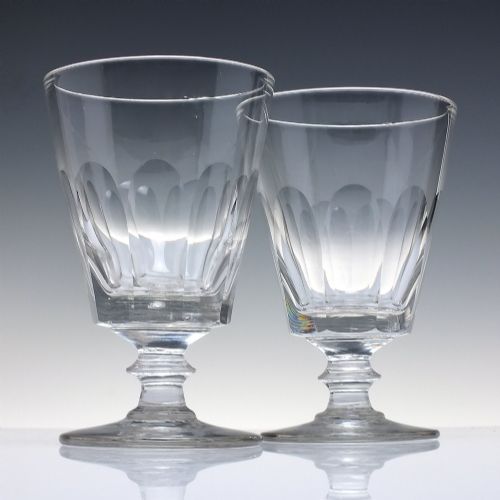
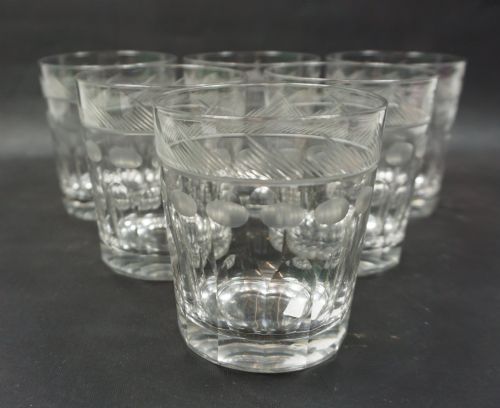
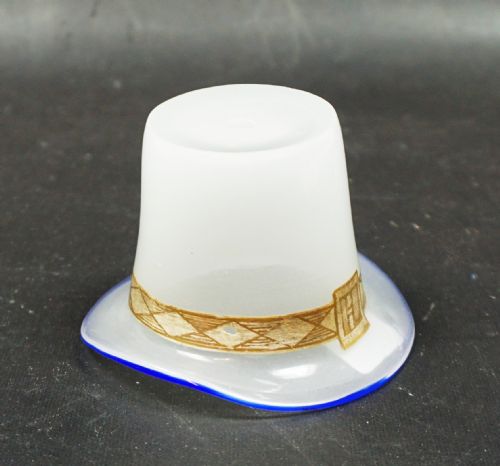
Mid 19th century glasses encompass a variety of functional and decorative items, notably wine glasses, tumblers, decanters, and vases produced across the Victorian era. These objects reflect the domestic habits and decorative tastes of the mid-nineteenth century, appearing in clear lead crystal, coloured glass, and opaline varieties.
Buyers encountering this search phrase will frequently find table glassware such as rummers and wine glasses alongside larger decorative vessels. Pieces originate from English, French, and Italian workshops, displaying influences ranging from plain utility to elaborate revival styles.
Materials and Techniques
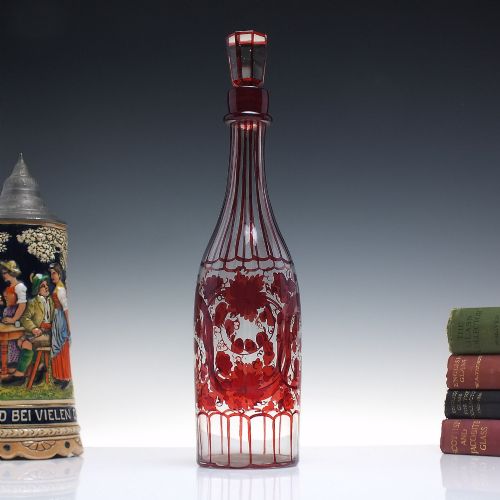
Makers utilised lead crystal and soda glass, shaping items through free blowing, moulding, and wheel cutting to achieve sharp facets and intricate surface patterns. Coloured glass variants often relied on overlay techniques or specific mineral additions during the melting process to produce deep green, ruby, and amethyst hues.
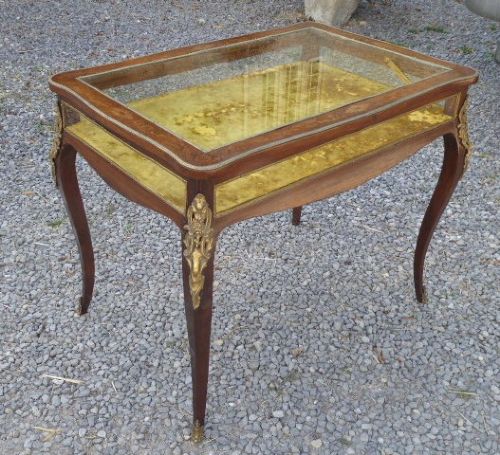
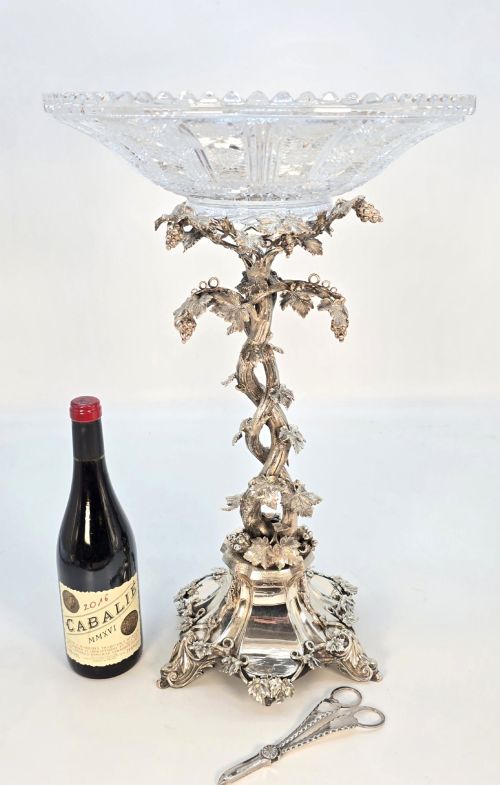
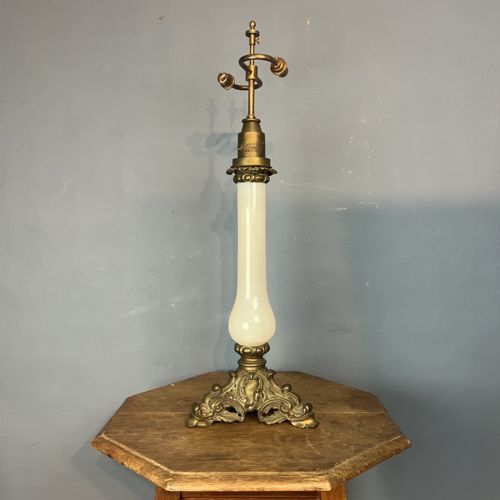
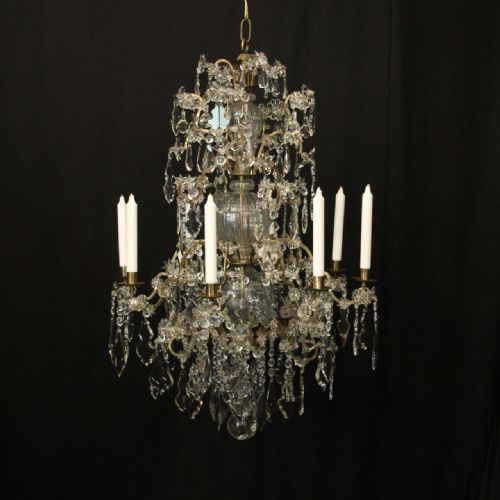
Metal mounts in ormolu, gilt brass, and silver plating frequently accompany the glass components on lamps, decanters, and centrepieces. Enamelling, gilding, and hand-painted motifs add decorative detail to opaline glass and decanters from this period.
Some nineteenth century glasses arrived equipped with double walls or hidden compartments for ice.
Assessing Quality and Execution
Quality in mid 19th century glasses is determined by the clarity of the metal, the precision of the cutting, and the crispness of any engraved or gilt decoration. Heavier lead crystal pieces with deep, clean wheel-cut facets represent higher manufacturing effort than lighter, mould-pressed equivalents.
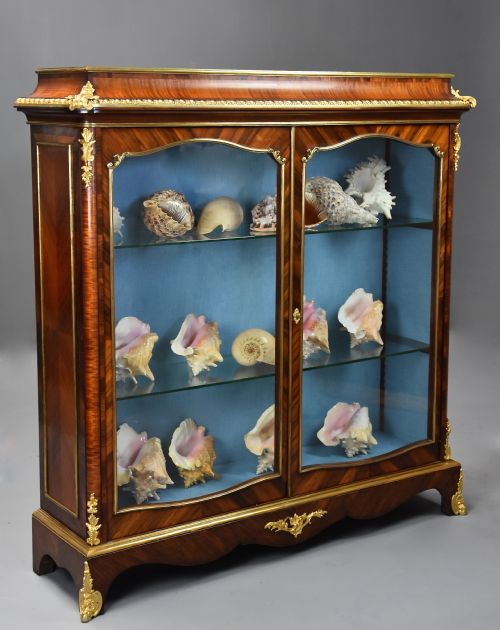
The integration of secondary materials such as ormolu mounts, bronze, or kingwood housings on associated items dictates overall execution. Well-defined casting, careful hand-painting, and signatures from known makers elevate individual examples.
Mc Gary·Varnish·Franchini And Bigaglia·Baccarat·Richardson
The Mid 19th Century Glasses Glossary
- Lead crystal
- Glass containing lead oxide, which increases weight, refractive index, and brilliance.
- Opaline glass
- Opaque or translucent glass in white or pastel shades, popular for decorative vases and lamps.
- Rummer
- A large, heavy drinking glass with a short stem and thick foot, used for beer, wine, or punch.
- Latticinio
- A glassblowing technique featuring fine opaque white threads embedded within clear glass.
- Overlay
- A method of casing one layer of coloured glass over another before cutting through the top layer.
Mid 19th Century Glasses: Frequently Asked Questions
How do I clean antique glassware?
Wash pieces by hand in warm water using mild detergent, avoiding sudden temperature changes that can crack old glass.
Dry them immediately with a soft lint-free cloth to prevent water spots and protect any gilt or enamelled details.
Can I use these glasses daily?
Sturdier lead crystal tumblers and rummers can handle gentle daily use if washed carefully by hand.
Delicate or heavily gilt decorative glasses are better reserved for display or very occasional use to preserve their surface decoration.
What defines opaline glass?
Opaline glass is a semi-opaque material that ranges from chalky white to delicate pastel tones, often finished with gilt bands or painted motifs.
It gained popularity during the mid-nineteenth century for decorative vases, lamps, and small ornamental objects.