
Mid 19th Century Cabinet
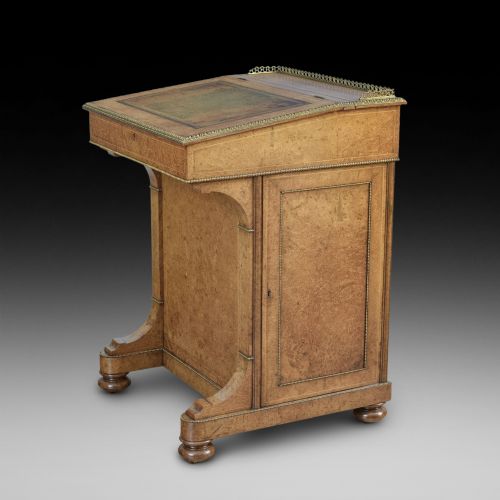
A mid 19th century cabinet brings Victorian craftsmanship into a room, offering both storage and display space.
Mid 19th Century Cabinet
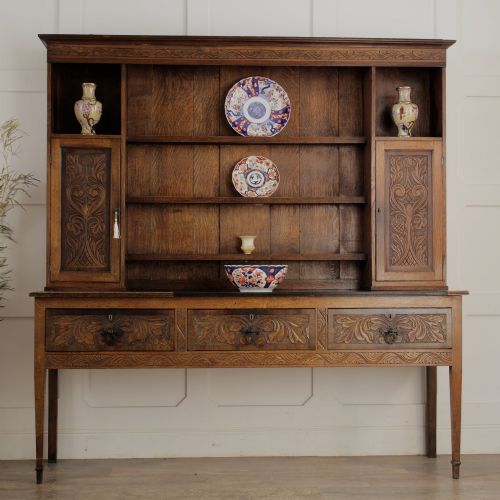
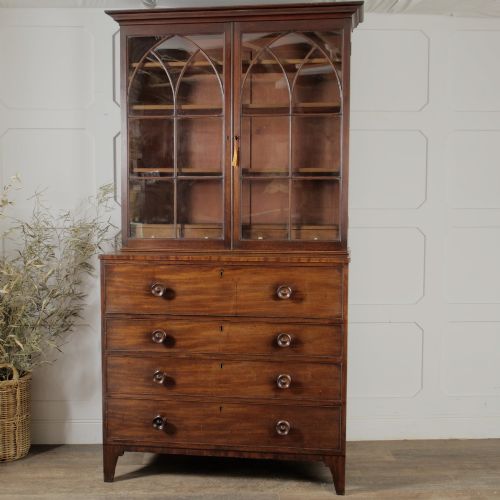
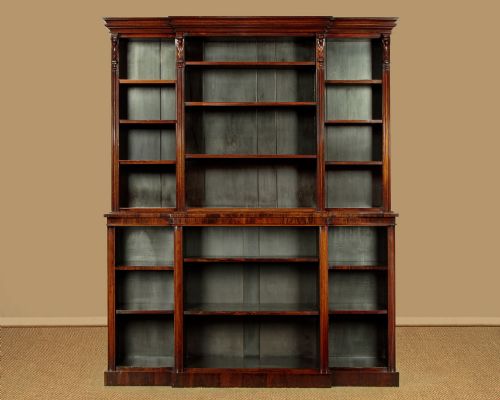
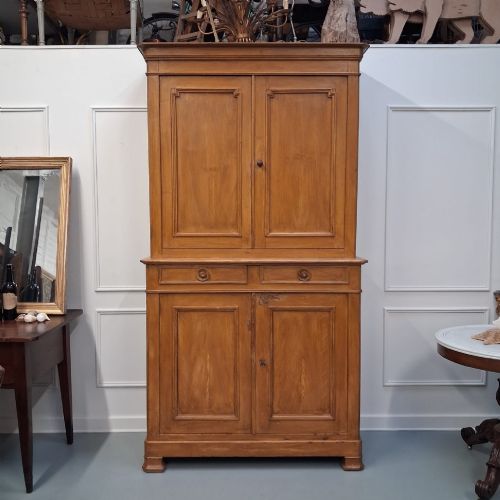
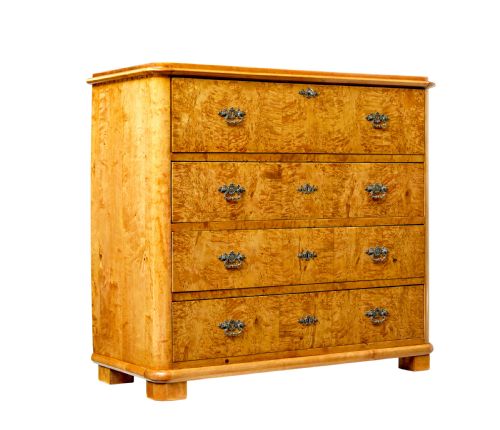
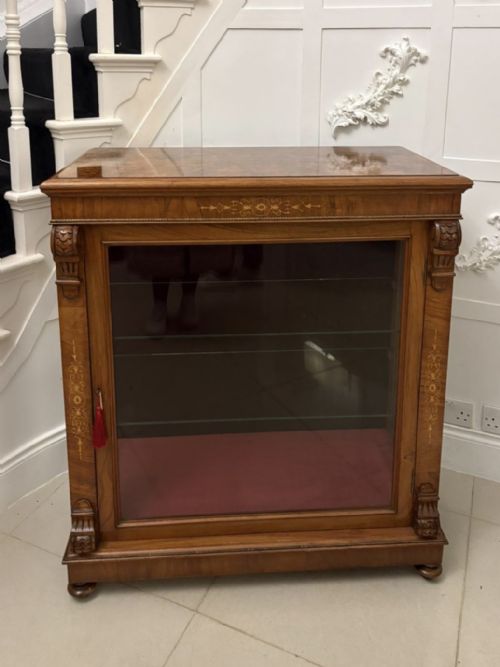
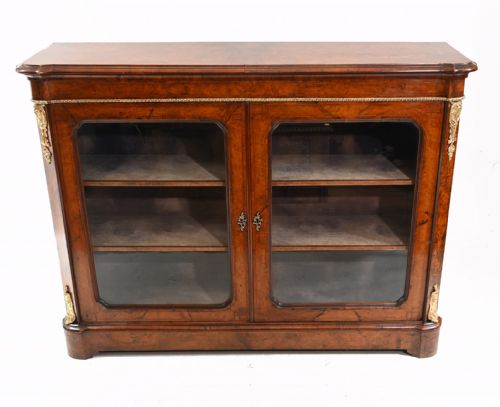
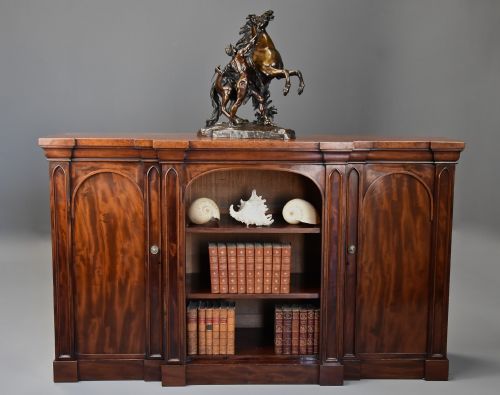
A mid 19th century cabinet encompasses a broad variety of storage and display furniture produced primarily during the Victorian era and the broader nineteenth century. These forms range from side cabinets and breakfront bookcases to dedicated display pieces, dressers, and wall-mounted variations.
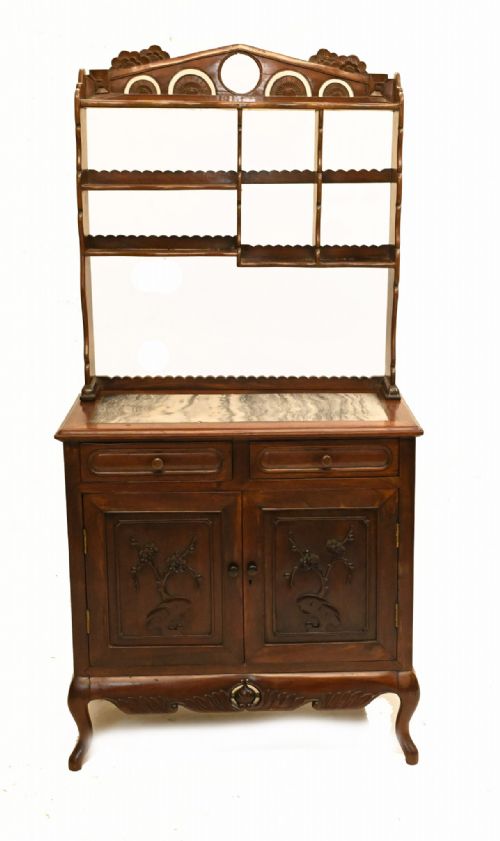
The materials and aesthetic influences vary widely across regions and workshops. Pieces recorded include English mahogany and rosewood side cabinets, Chinese Qing Dynasty hardwood dressers, Danish flame mahogany, and heavily carved walnut examples from Italy and France.
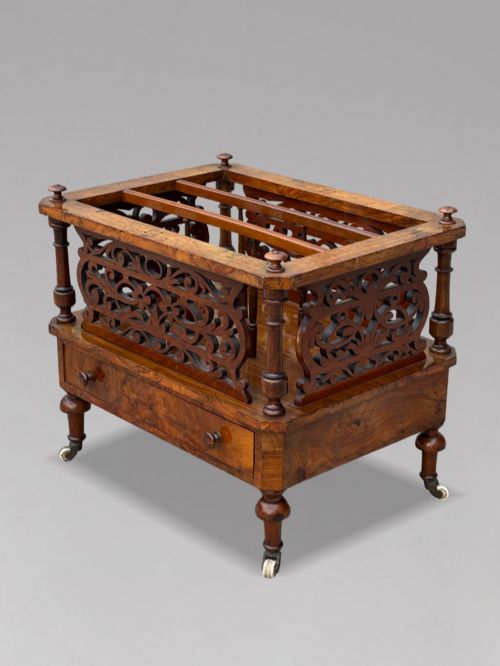
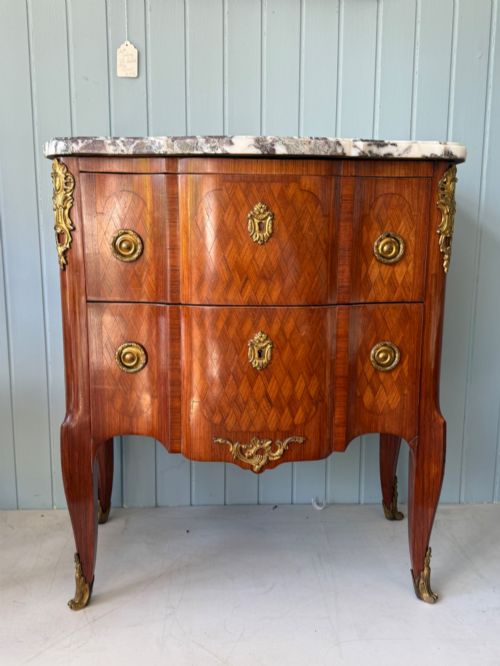
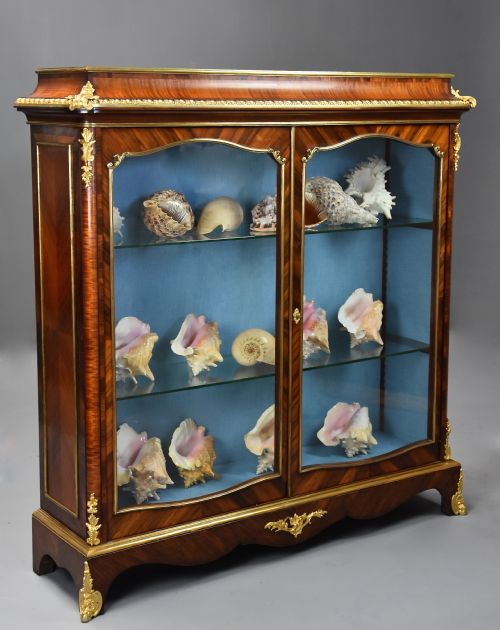
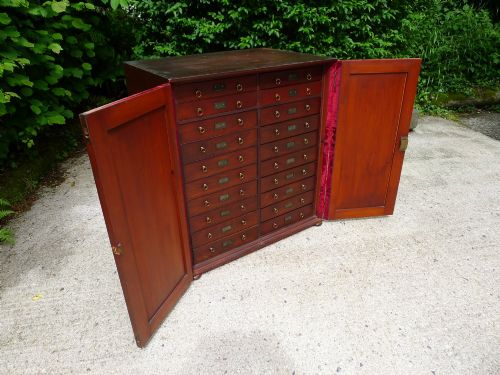
Buyers will encounter specialised forms alongside standard furniture, including music or folio cabinets, apothecary chests, pedestal cabinets with marble tops, and glazed display pieces suited to exhibiting collections.
How they were made
Construction relies upon dense hardwoods such as mahogany, rosewood, walnut, oak, and hardwood, often enhanced by decorative veneers like flame mahogany and burr walnut. Cabinetmakers utilised brass banding, boxwood inlay, and iron components to reinforce and embellish the timber structures.
Surface detailing involves intricate carving, hand painting, and porcelain panel inserts reminiscent of Sevres styles. Glazed doors incorporate glass panels for display, whilst interior fittings include adjustable shelving, fitted drawers, and velvet linings.
Mid 19th Century Cabinet Retail Price Guide 2026
Typical asking prices for mid 19th century cabinet among the pieces listed under this phrase on Sellingantiques today, from the lower quarter to the upper quarter. They describe what is for sale here now, not the wider market.
Listings feature woods including mahogany, rosewood, oak, walnut, and hardwood, alongside glass, brass, marble, and velvet.
What varies in quality
The standard of a mid 19th century cabinet rests upon the selection of timber and the precision of its construction. Superior examples display carefully matched flame veneers, precise boxwood inlay, and solid structural integrity in drawers and doors.
Carving depth and execution distinguish standard production from exhibition quality work. Pieces bearing maker stamps or attribution to renowned workshops demonstrate finer hand execution in joinery and decorative detailing.
Holland and Sons·Johnston and Jeanes
The Mid 19th Century Cabinet Glossary
- Breakfront
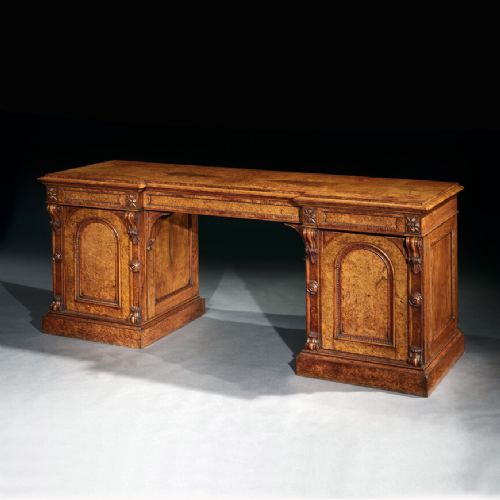
- A piece of furniture featuring a central section that projects forward from the side sections. This architectural arrangement creates depth and visual interest in large bookcases and side cabinets.
- Credenza
- A low side cabinet or sideboard frequently fitted with glass doors and elaborate inlay. In nineteenth-century interiors, these served both decorative display and serving functions.
- Flame mahogany
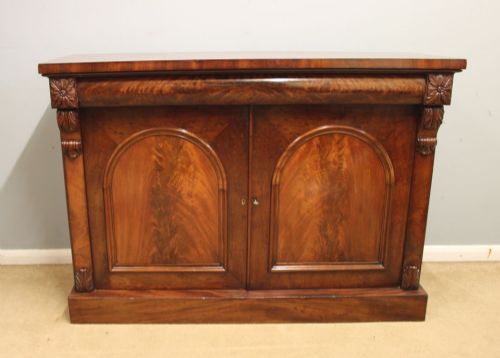
- A veneer cut from the fork of the mahogany tree where the branch joins the trunk. It produces a distinctive, fiery pattern prized for cabinet fronts.
- Burr walnut
- Timber taken from a growth or wart on a walnut tree, yielding highly figured, swirling grain patterns. It was extensively utilised for high-status Victorian music and display cabinets.
- Pedestal cabinet
- A single-door enclosed piece of furniture, often topped with marble. These were frequently utilised beside beds or in library spaces.
Mid 19th Century Cabinet: Frequently Asked Questions
Where were mid 19th century cabinets used in the home?
These cabinets served multiple domestic functions across different rooms. Large bookcases and breakfront cabinets anchored formal libraries and dining rooms, whilst side cabinets and credenzas furnished drawing rooms.
Smaller wall-mounted and corner cabinets provided storage in tighter spaces, and specialised pieces like music cabinets or apothecary chests found places in parlours and studies.
How do I distinguish between regional styles?
Regional differences appear in the choice of timber and carving traditions. English pieces frequently utilise mahogany and rosewood with understated inlay, whereas continental examples often feature deep, profuse carving in walnut or gilt wood.
Chinese pieces employ dense native hardwoods in distinct dresser and sideboard configurations, and Danish examples showcase clean lines with flame mahogany veneers.
What is the difference between a side cabinet and a credenza?
A side cabinet is a general term for low storage furniture positioned against a wall in dining or living spaces. They may feature solid wooden doors, drawers, or open shelving.
A credenza specifically describes a low-profile cabinet, often associated with Victorian interiors, featuring glazed central or side compartments intended for displaying decorative porcelain and glassware.
How should I care for antique wood furniture?
Maintaining nineteenth-century timber requires stable environmental conditions away from direct heat sources and strong sunlight, which can dry out and fade polished surfaces. Regular dusting with a soft, dry cloth prevents particulate build-up.
Occasional application of appropriate wax polish helps nourish the wood and preserve the traditional sheen of mahogany, walnut, and rosewood finishes.