




Mid 18th Century Glassware
Mid 18th century glassware brings functional Georgian drinking vessels to the table, valued for their distinct twists and clear lead metal.
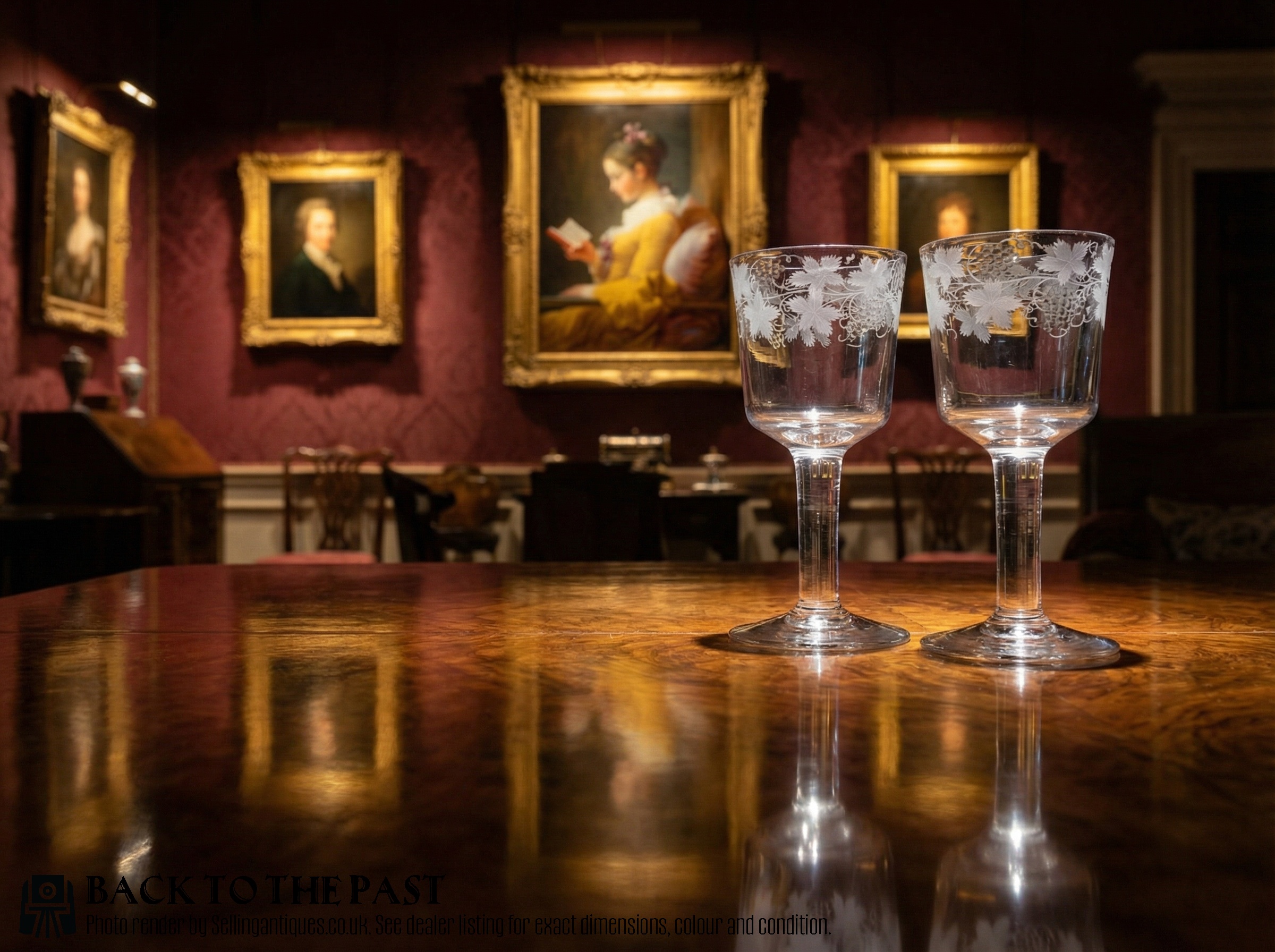
Mid 18th Century Glassware
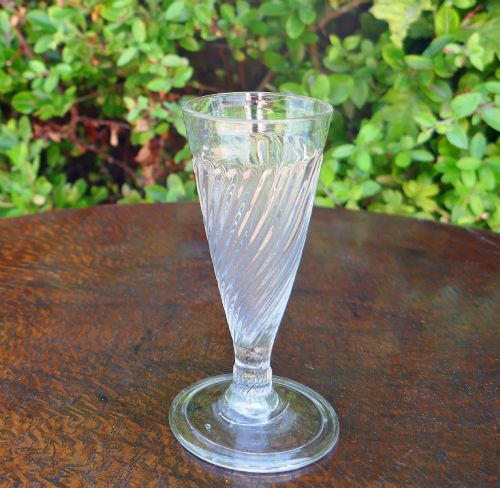
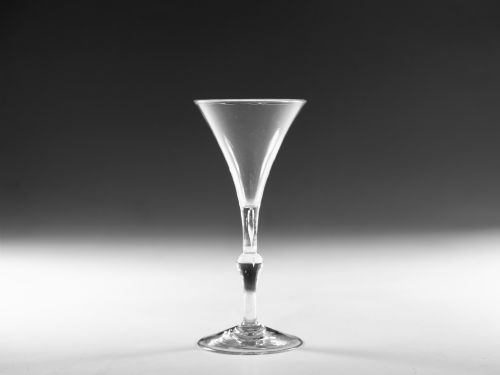
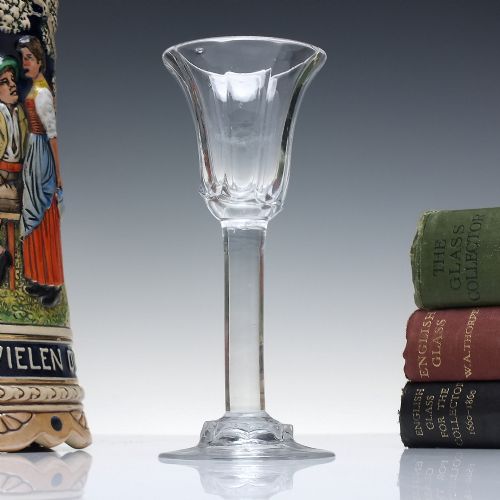
When you search for mid 18th century glassware, you encounter drinking vessels from the Georgian period designed for wine, ale, and cordials. These pieces originate from England and date across the middle decades of the century.
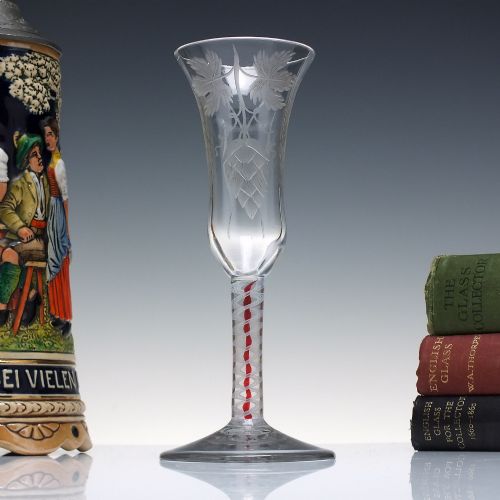
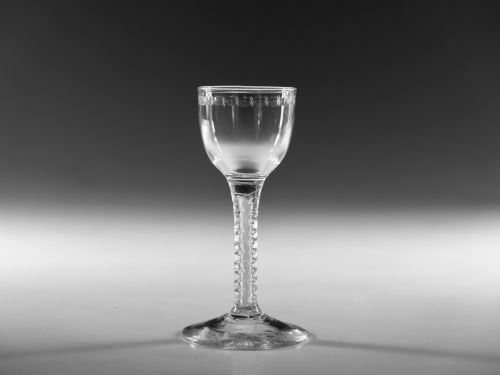
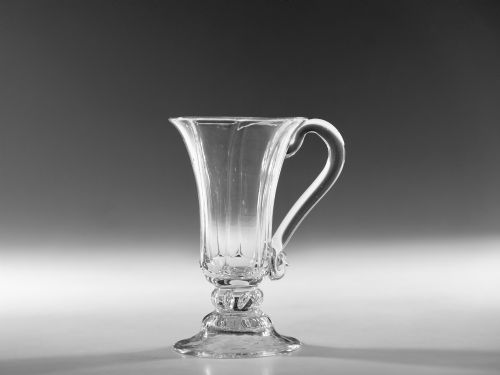
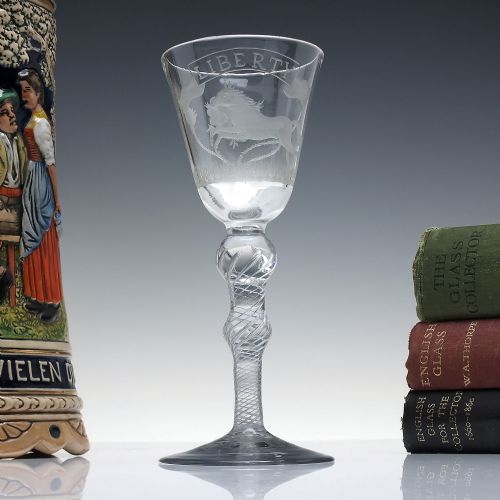
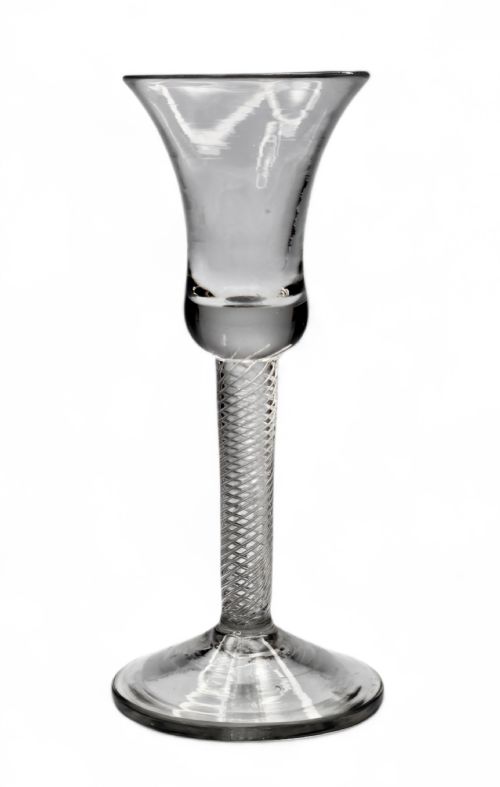
The selections available include wine glasses, ale glasses, cordial glasses, and goblets. Plain stem goblets and vessels with air, mercury, or coloured twists dominate the forms met on this page.
Collectors seek these historical drinking vessels for their authentic period characteristics and tactile forms. Each piece represents the drinking customs of eighteenth-century England through established glasshouse production.
Materials and construction
The pieces on this page utilise clear glass, lead glass, and lead crystal as primary materials. Some examples incorporate enamel decoration on the bowl or foot.
The construction relies on traditional hot-glass techniques to form bowls, stems, and feet separately before joining. Twist stems are achieved by trapping air bubbles or threads within the molten metal before drawing and twisting the stem.
Mid 18th Century Glassware Retail Price Guide 2026
Typical asking prices for mid 18th century glassware among the pieces listed under this phrase on Sellingantiques today, from the lower quarter to the upper quarter. They describe what is for sale here now, not the wider market.
Judging quality in domestic glass
Quality separates standard production from superior output through the precision of the stem formation and the clarity of the metal. Fine examples exhibit complex internal twists without distortion to the bowl above.
Engraved decoration further distinguishes finer vessels from plain forms. The depth, crispness, and artistic merit of the wheel-engraved motifs define the upper tier of surviving drinking glasses.
The Mid 18th Century Glassware Glossary
- Air twist
- A stem formation created by stretching drawn glass containing elongated air bubbles, producing spiral threads inside the stem. This technique requires considerable skill from the glassblower to maintain even thickness.
- Lead glass
- A heavy glass composition containing lead oxide, which increases brilliance and workability. It forms the foundation of most quality English drinking vessels from this era.
- Mercury twist
- A stem containing an internal spiral resembling quicksilver, actually formed by a thread of tiny bubbles. It is frequently associated with mid-century cordial and wine glasses.
- Plain stem
- A straight, unadorned glass stem supporting the bowl above a conical foot. These sturdy stems represent a classic Georgian form found on goblets and wine glasses.
Mid 18th Century Glassware: Frequently Asked Questions
What defines mid 18th century glassware?
Mid 18th century glassware comprises English drinking vessels produced during the Georgian era, typically featuring lead glass composition.
These items include wine glasses, ale glasses, and goblets shaped with plain, air, mercury, or coloured twist stems.
How do I identify a twist stem?
Twist stems contain internal patterns formed by air bubbles or glass threads manipulated while hot.
Craftsmen drew and twisted the molten metal to create spiral optical effects inside the stem of the drinking glass.
Were these glasses used daily?
These vessels served functional roles on Georgian dining tables for serving wine, ale, and cordials.
Their robust lead glass construction suited regular dining, though surviving examples are now handled with greater care.
What is lead crystal?
Lead crystal refers to glass containing high levels of lead oxide, enhancing clarity and weight.
This material allows for finer manipulation during blowing and provides the distinctive ring associated with Georgian drinking vessels.