


Metamorphic Armchairs
Metamorphic armchairs are ingenious dual-purpose seats that transform into library steps or children's high chairs for practical household use.
Metamorphic Armchairs
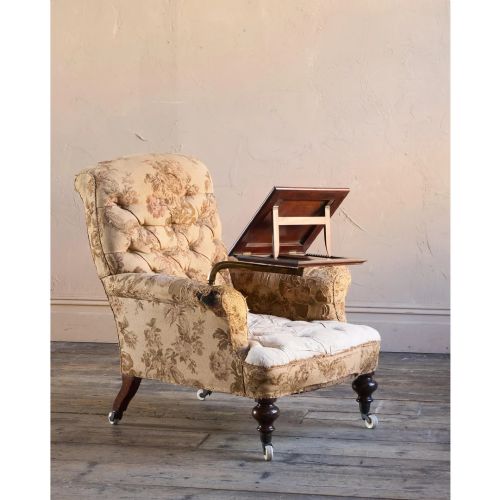
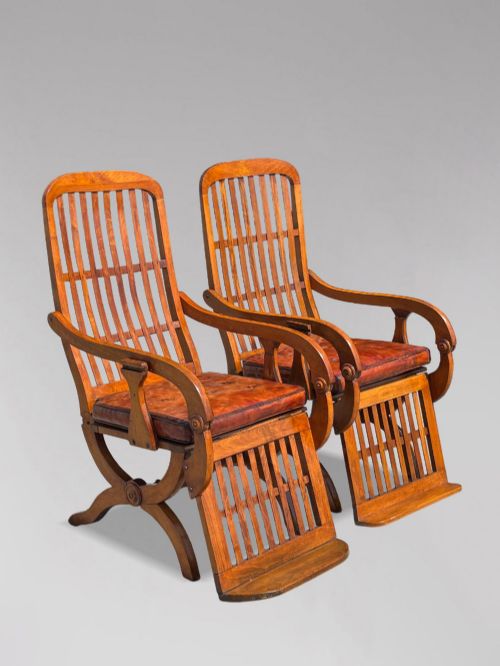
Metamorphic armchairs combine comfortable seating with functional utility, transforming effortlessly into library steps, reclining lounges, or high chairs. When searching for metamorphic armchairs, buyers encounter diverse forms ranging from library chairs that unfold into steps to adjustable reclining seats and monastic benches.
The selections span the Georgian, Regency, and Victorian periods, alongside later twentieth-century iterations. Common forms include library armchairs with reading stands, children's high chairs, and oak monks benches reflecting revival styles like Gothic and Jacobean.
Originating to serve functional domestic and scholarly needs, these pieces utilise clever mechanical designs concealed within traditional timber frames. The variations available on the page reflect the ingenuity of nineteenth-century cabinet makers adapting seating for multi-purpose rooms.
How they were made
Craftsmen utilised robust timbers including mahogany, walnut, oak, and cane to construct the primary frames of metamorphic armchairs. These woods provided the structural integrity required to support the shifting weight and mechanical stress of transformation.
Functionality relied on integrated brass and iron hardware, allowing sections to pivot, slide, or fold smoothly without compromising stability. Upholstery materials such as leather and fabric completed the seating surfaces, often paired with woven cane panels.
Some Victorian gentlemen preferred a chair that could turn into a staircase before deciding if they actually wanted to read.
What varies in quality
Quality in metamorphic armchairs rests upon the seamless integration of their concealed mechanisms and the precision of their joints. Superior examples operate smoothly without binding, masking their dual nature entirely when used as standard seating.
The selection of timber grain and the finesse of carved details on mahogany or walnut frames distinguish finer pieces from standard production. Original upholstery elements, such as patinated brown leather, and intact brass fittings further elevate the standing of a piece.
J Foot & Son·Morgan and Sanders·Richard Hicks Bridgens
The Metamorphic Armchairs Glossary
- Metamorphic
- A piece of furniture designed to transform into another functional object, such as a chair turning into library steps. This clever duality saved space in period homes.
- Library steps
- A set of portable stairs used to reach high bookshelves, frequently concealed within the frame of an armchair. Regency and Victorian craftsmen excelled at this disguise.
- Reclining armchair
- A seat featuring an adjustable back mechanism to alter the angle of repose. Victorian examples often incorporated footrests or reading attachments.
- Monks bench
- A multifunctional wooden seat with a back that tilts forward to form a table top. This form persists across Jacobean revival and later twentieth-century periods.
- Reading stand
- An adjustable book rest mounted directly to a chair arm or frame. It catered to scholars and readers requiring hands-free text positioning.
Metamorphic Armchairs: Frequently Asked Questions
How do metamorphic library chairs work?
These seats feature hinged or pivoting frames that unfold neatly to create a stable staircase for reaching elevated bookshelves. The transformation relies on cleverly concealed brass and iron hardware.
Once the user finishes accessing the library shelves, the steps fold back inward to resemble a standard armchair. This dual purpose made them popular in nineteenth-century studies and libraries.
What periods do these armchairs come from?
The listings span several distinct eras, beginning with Georgian and Regency pieces through to the Victorian age and the early twentieth century. Styles shift across these periods from classic mahogany frames to Gothic and Jacobean revival designs in oak.
Earlier nineteenth-century versions often emphasise library steps and reading stands, while later Victorian iterations introduce fully adjustable reclining mechanisms.
How should I care for leather upholstery?
Original and period leather requires gentle conditioning to maintain suppleness and prevent cracking over time. Avoid placing the chair in direct sunlight or near heat sources that dry out the hide.
Dusting the timber frames regularly with a dry cloth keeps the polished mahogany, walnut, or oak surfaces in stable condition without damaging the finish.
Were children's metamorphic chairs common?
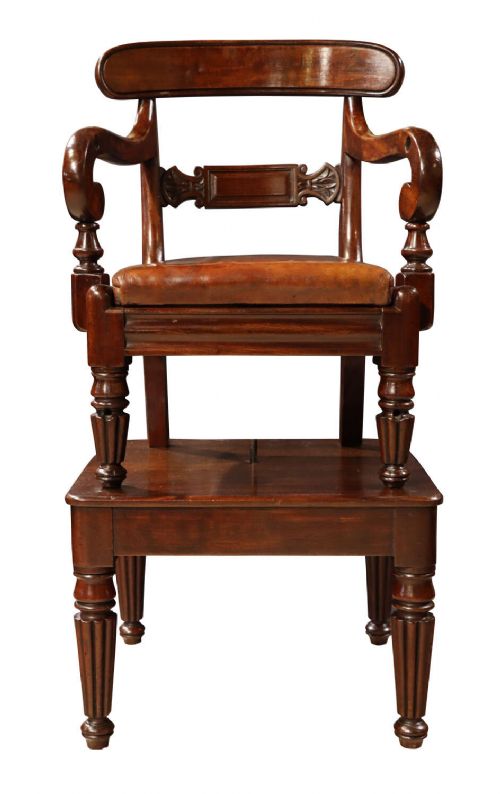
Makers applied the same transforming principles to smaller seating, producing pieces like William IV mahogany metamorphic child's high chairs. These items adapted to the growing needs of a child while maintaining domestic elegance.
They utilise solid timbers and sturdy joinery to withstand daily nursery use just as adult library chairs withstood heavy study use.