
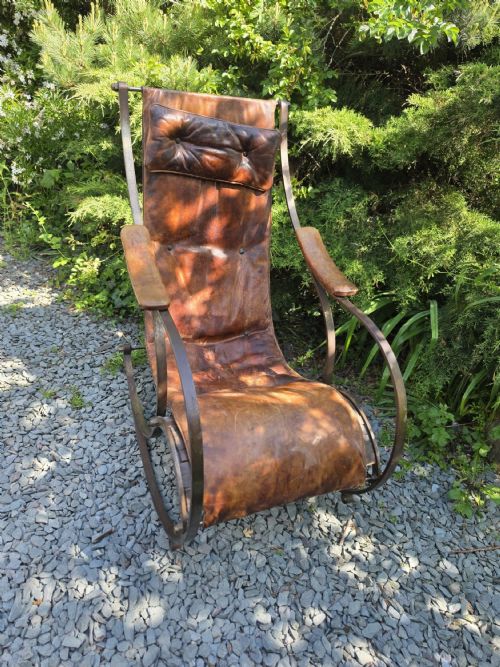
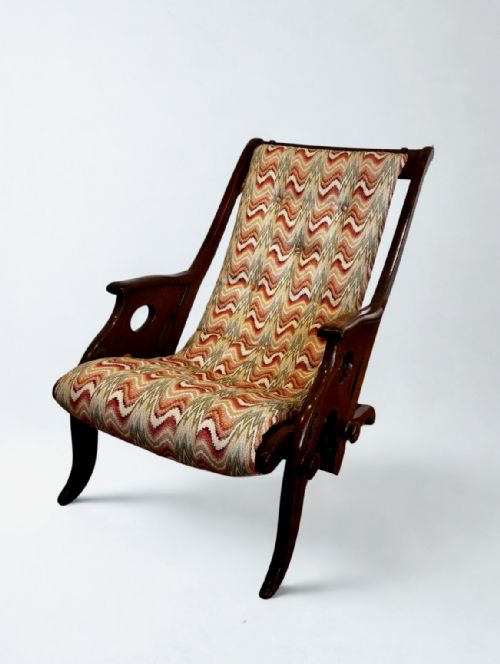


19th Century Recliner
A 19th century recliner offers ingenious mechanical comfort, combining period elegance with adjustable support.
19th Century Recliner
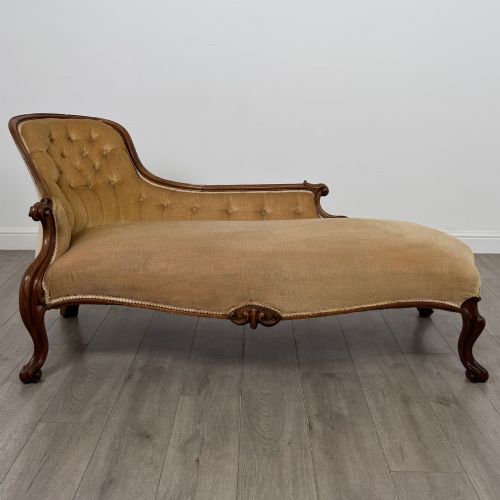
When you search for a 19th century recliner, you encounter a sophisticated variety of seating designed for adjustable repose. The selection spans distinct forms including library armchairs, campaign chairs, rocking chairs, and chaise longues.
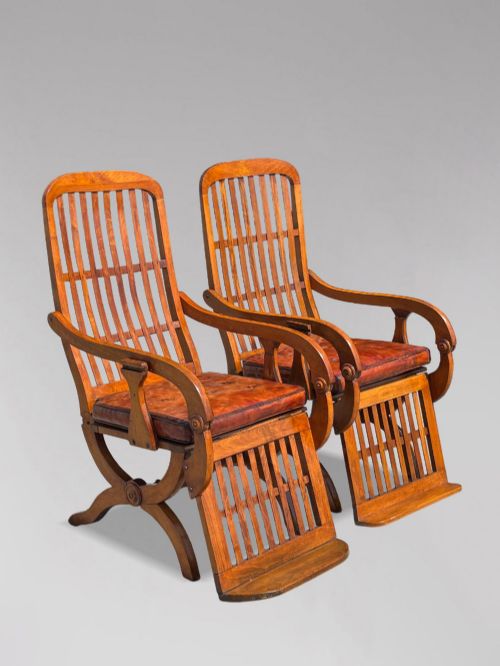
The Victorian and William IV eras dominate the offerings, alongside Regency and French Second Empire examples. Many pieces utilise sliding mechanisms, adjustable ladderbacks, or extending foot components.
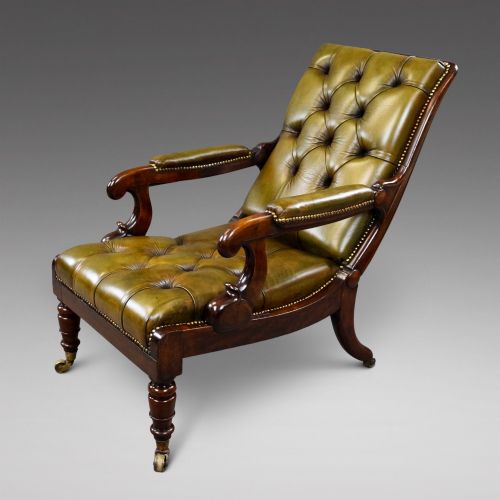
Makers such as Howard & Sons, Jas Shoolbred, R W Wingfield, J. Herbert McNair, and Daws appear among the listings. These versatile seats range from Anglo-Indian planters chairs to button leather library armchairs.
Materials and Construction
Cabinetmakers utilised robust timbers including mahogany, walnut, rosewood, and ebonised wood to build these substantial frames. Brass fittings, iron mechanisms, and castors provide the structural support required for movable parts.
Upholstery relies on traditional materials such as leather, fabric, and velvet, often finished with buttoning. The integration of mechanical ratchets and sliding frames required precise joinery to ensure smooth operation.
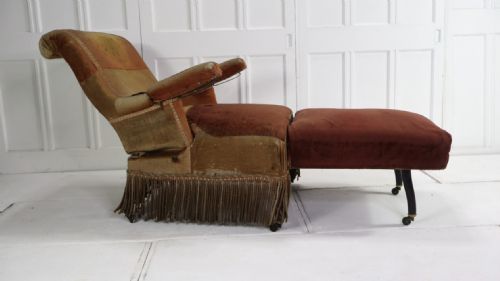
Several reclining armchairs include hidden sliding footrests designed for Victorian afternoon repose.
Assessing Quality and Execution
The distinction between standard production and exceptional work lies in the refinement of the mechanical adjustments and the timber selection. Superior pieces exhibit seamless operation in their reclining actions alongside finely turned or carved woodwork.
Attribution to documented makers or retailers elevates a piece significantly. The integrity of the original leather, brass details, and structural framework determines the enduring standing of each chair.
J. Herbert McNair·Jas Shoolbred·Howard And Sons·R W Wingfield
The 19th Century Recliner Glossary
- Chaise Longue
- An upholstered long chair designed for reclining, combining a chair with an extended footrest. These take various forms across Victorian and French periods.
- Campaign Chair
- Portable seating constructed for travel, often featuring folding or dismantling elements. Solid rosewood and brass fittings frequently characterise these pieces.
- Planters Chair
- An armchair featuring extended arms designed for resting the legs, originating from colonial contexts. Bombay rosewood is a common material.
- Library Armchair
- A sturdy, comfortable seat intended for reading rooms, often incorporating leather upholstery and adjustable mechanisms.
- Ebonised Wood
- Timber treated to resemble ebony, popular in mid-19th century French and English furniture design.
19th Century Recliner: Frequently Asked Questions
How do these reclining mechanisms work?
Many examples utilise sliding frames, ratchet backs, or adjustable ladderbacks operated manually by the sitter. These mechanical parts allow the angle of the seat or back to shift.
Craftsmen concealed these iron and brass mechanisms within the wooden framework to maintain a refined appearance while offering versatile positions.
What is the difference between a chaise longue and a library chair?
A chaise longue provides an elongated seat for full reclining, whereas a library chair is an upright armchair intended for reading at a desk or table.
Some library chairs incorporate reclining backs or sliding seats, bridging the gap between active reading and restful lounging.
Are these chairs suitable for daily use?
These pieces were built with robust timbers like mahogany and rosewood, designed to withstand regular use in domestic settings. Many retain sturdy internal frames and supportive padding.
Careful handling of the older mechanical components ensures the longevity of the sliding or tilting functions.
How can I identify a Victorian reclining chair?
Victorian pieces often feature button leather upholstery, dark woods such as mahogany or walnut, and manufacturer marks or stamps. Stylistic details draw on earlier Regency or French Second Empire influences.
The presence of castors, adjustable brass ratchets, and maker attributions helps date and contextualise the specific armchair.