
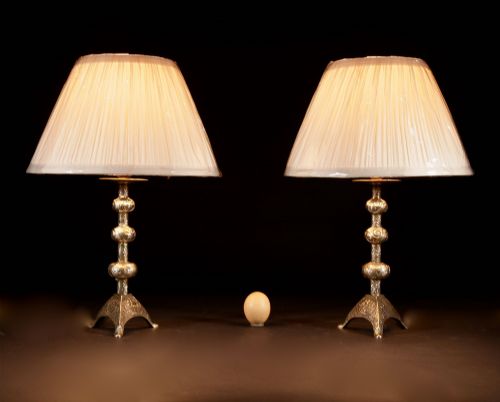
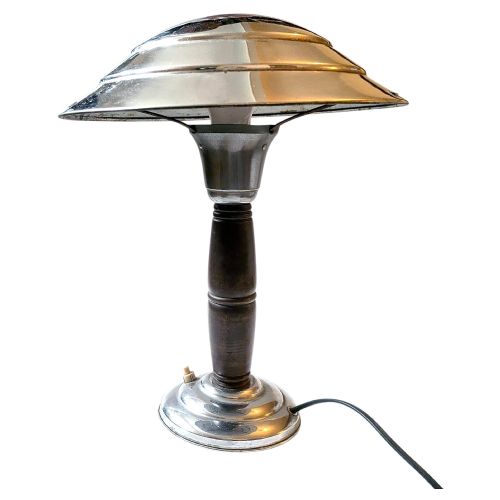
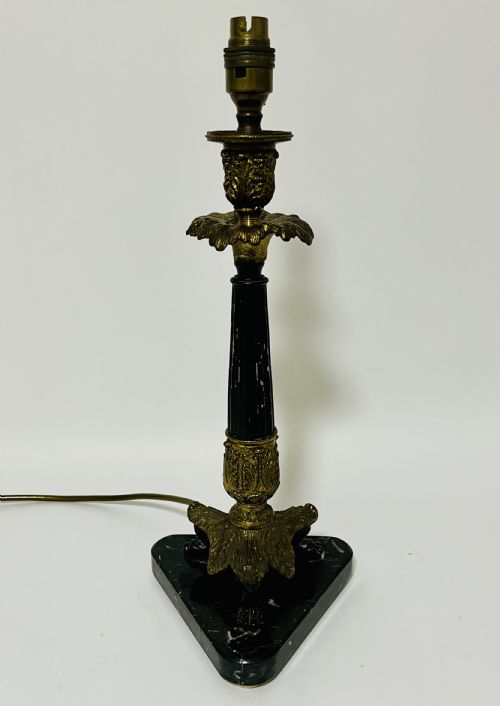
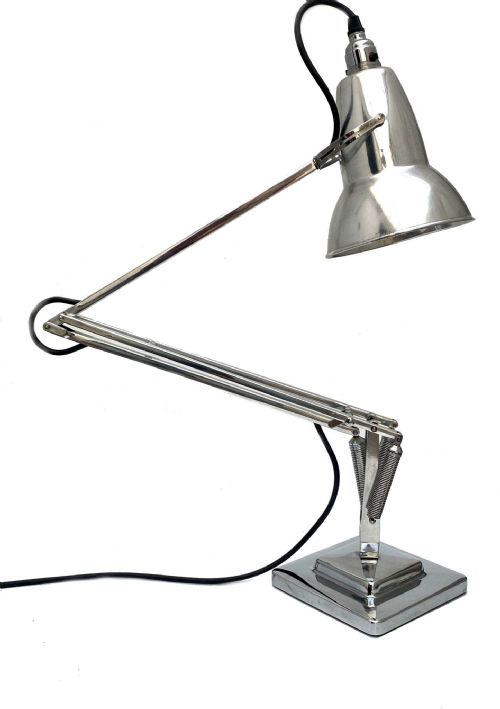




Metal Reading Lamp
A metal reading lamp brings focused illumination to a desk or chair, spanning utilitarian designs from the Victorian era through the Art Deco period.
Metal Reading Lamp
When searching for a metal reading lamp, collectors encounter a diverse array of lighting forms designed for task work, including adjustable desk lamps, floor-standing standard lamps, and table-mounted fixtures. These pieces originate from periods spanning the late nineteenth century into the 1930s, reflecting changing domestic habits and technological shifts in illumination.
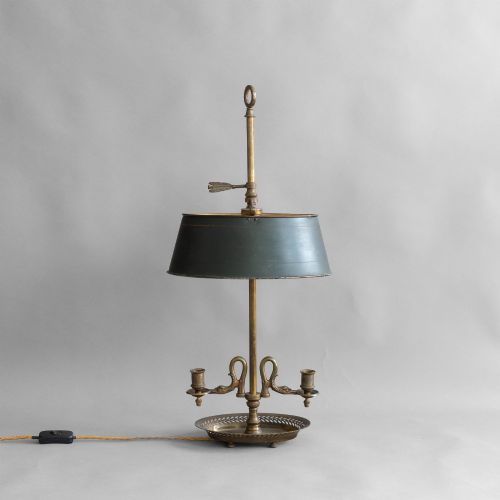
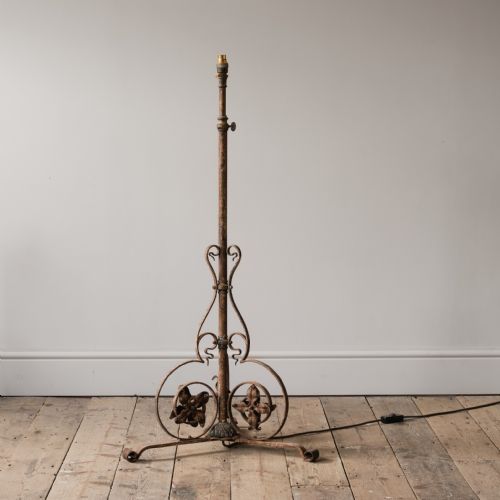
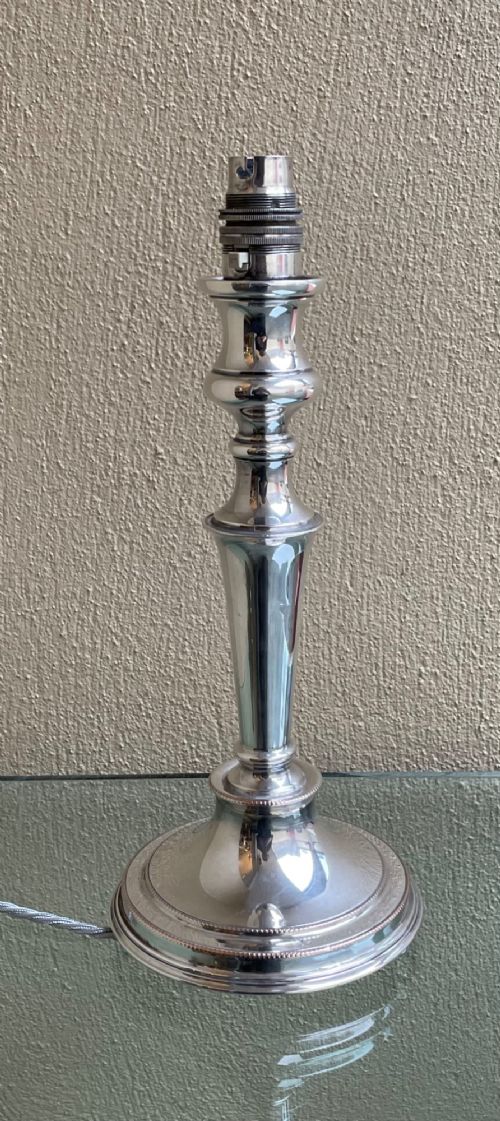
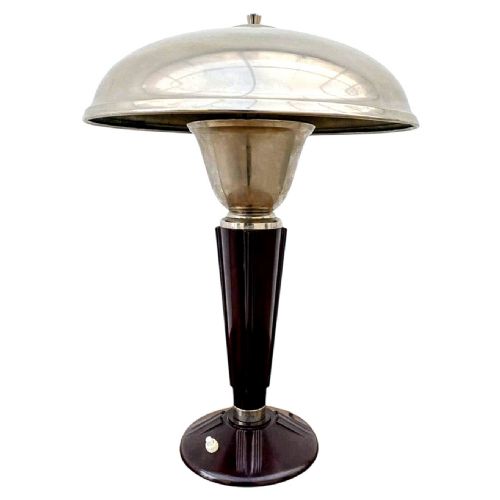
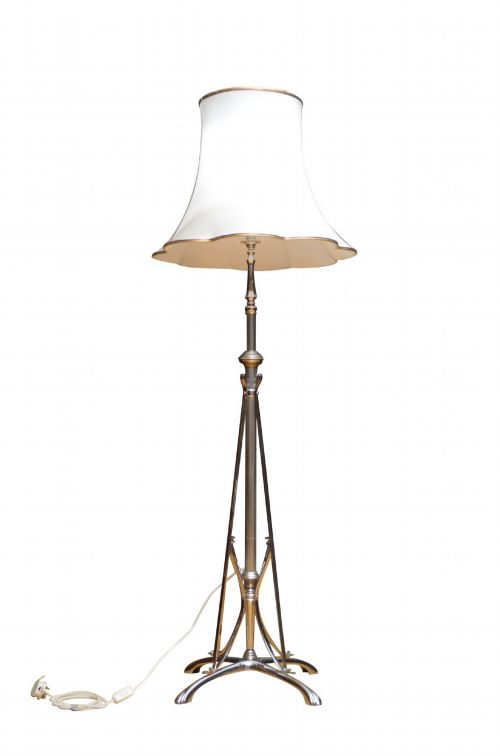
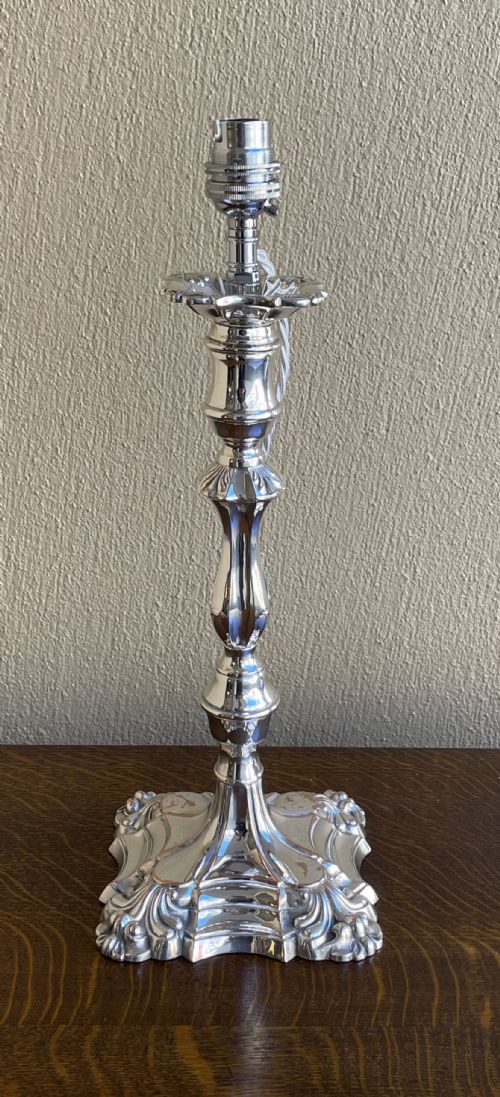
The versions most commonly met on this page include brass and chrome desk lamps from the early twentieth century, alongside wrought iron and silver plated standard lamps. Forms range from simple adjustable bankers lamps to sculptural Art Deco creations and Arts and Crafts copper pieces.
Originating from British, French, and American makers, these lamps utilise durable metals designed to direct light precisely where needed. The survival of these objects depends on their original build quality and subsequent care by owners over the decades.
How they were made
Construction relies heavily on metals such as brass, bronze, chrome, nickel plate, and wrought iron, often combined with fabric shades, glass, or marble bases. Blacksmiths and workshops utilised casting, spinning, and hand-hammering techniques to shape the metal components.
Many examples incorporate mechanical ingenuity through adjustable arms, telescopic columns, and swivel joints. Surface finishes vary from patinated copper and gilt to painted toleware, protecting the underlying metal while defining the aesthetic style of the period.
Listings feature brass, bronze, chrome, silver plate, and wrought iron as the predominant materials across multiple decades.
What varies in quality
Quality in these lamps rests on the integrity of the metalwork, the precision of mechanical adjustments, and the retention of original surface patination. Heavier gauge metals and solid cast bases distinguish robust pieces from lighter, mass-produced alternatives.
The sophistication of the design, whether an architecturally considered Bauhaus piece or a finely chased French Empire casting, dictates the upper tier of the range. Maker attribution and the retention of original fittings further elevate a piece.
Eileen Grey·Herbert Terry·WAS Benson·The Charles Parker Company
The Metal Reading Lamp Glossary
- Standard lamp
- A tall floor-standing lamp designed to illuminate a room or provide light beside a reading chair. They often feature adjustable arms or telescopic columns.
- Toleware
- Painted or lacquered metalware, typically tin or steel, finished in rich colours such as green or gold. It frequently appears on shades and bases from the early twentieth century.
- Spelter
- An alloy of zinc and lead used as a cheaper substitute for bronze, cast into decorative figures and lamp bases during the Art Nouveau period.
- Ormolu
- Gilded bronze or brass applied to decorative mounts and lamp bodies, particularly characteristic of French Neoclassical and Empire revival styles.
- Bakelite
- An early synthetic plastic used for switches, bases, and shade components on modernist and Art Deco desk lamps.
Metal Reading Lamp: Frequently Asked Questions
How do I date a metal reading lamp?
Dating relies on stylistic markers such as the geometric lines of Art Deco or the organic curves of Art Nouveau, combined with material choices like chrome or unpolished brass. Mechanical fixings and wiring styles also offer clues to the decade of manufacture.
Makers' marks stamped onto the metal base or switch mechanism provide the most precise indication of age and origin.
Can these lamps be used safely today?
Many vintage and antique lamps arrive requiring rewiring to meet modern electrical standards. Professional rewiring ensures the internal components are safe for daily use.
Retaining original brass key switches and holders preserves the character of the piece while ensuring safe operation.
What is an adjustable standard lamp?
An adjustable standard lamp is a tall floor standing fixture equipped with a pivoting arm or telescopic pole. This mechanism allowed users to alter the height and angle of the light source over a desk or armchair.
Victorian and Edwardian workshops frequently utilised iron and brass for these functional engineering solutions.
How do I clean patinated brass?
Cleaning patinated brass requires gentle dusting with a dry microfibre cloth to remove surface grime. Aggressive metal polishes strip away the aged surface appearance that collectors value.
Preserving the natural patina maintains the historical integrity of the piece.