



Metal Hearth Fire Dogs
Metal hearth fire dogs are heavy upright supports holding logs in a fireplace, combining practical service with sculptural presence.
Metal Hearth Fire Dogs
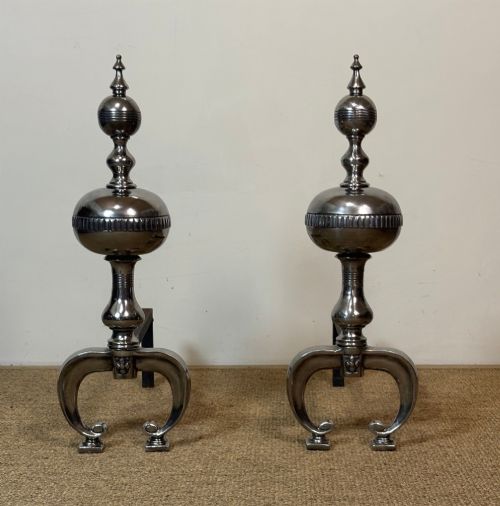
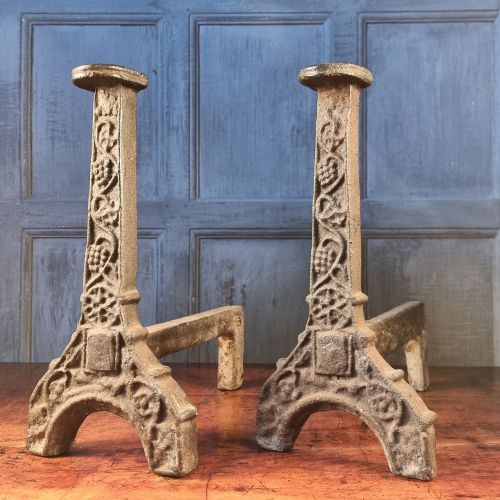
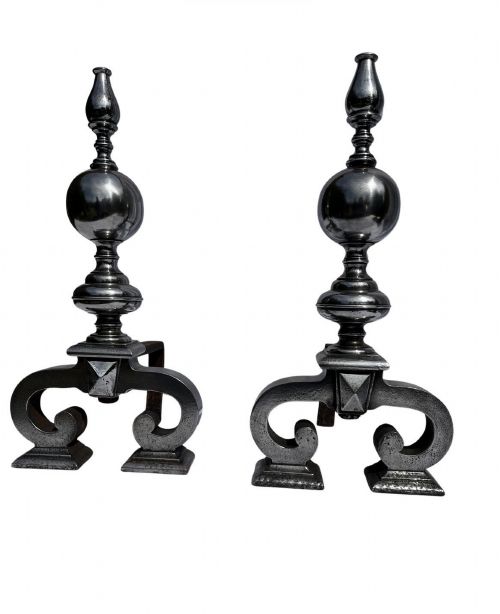
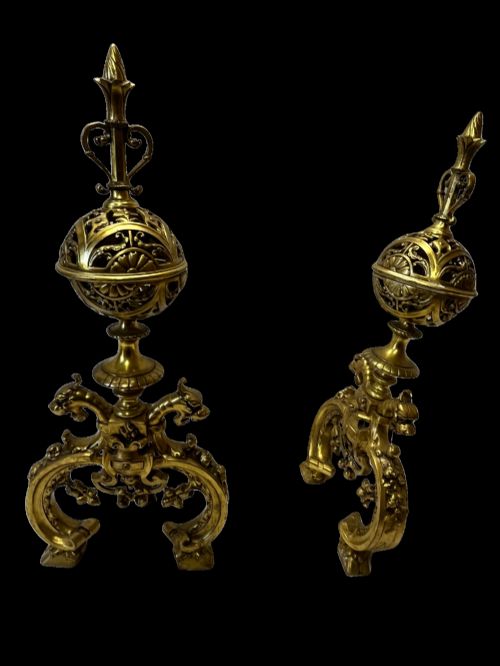
Metal hearth fire dogs, also known as andirons or chenets, are designed to support wood burning in an open grate. You will frequently encounter pairs forged from iron, brass, or bronze dating across the nineteenth century, alongside earlier sixteenth century Gothic examples.
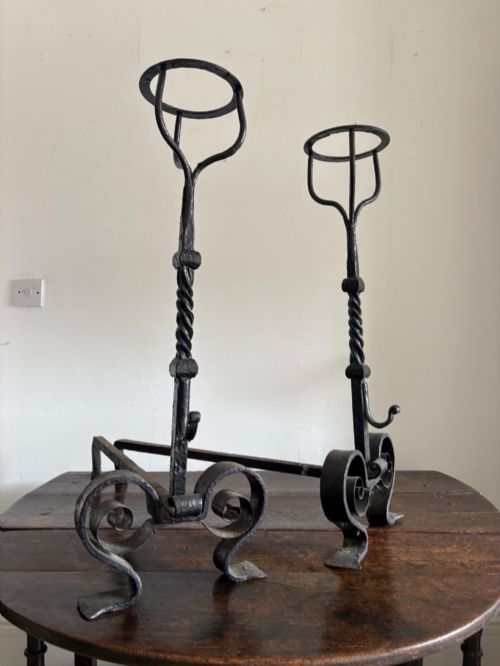
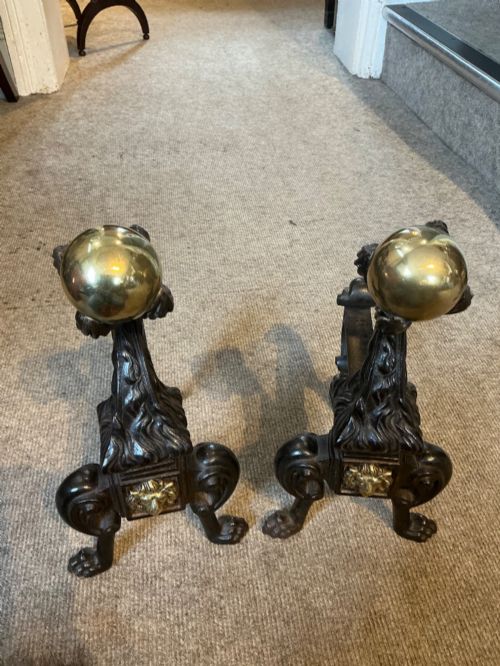
These fireplace accessories range from simple hand-forged wrought iron uprights to monumental cast brass and gilt bronze designs influenced by French Rococo, Empire, and Gothic Revival styles. They sit directly on the hearth floor, often accompanied by matching fenders and fire tools.
How they were made
Blacksmiths shaped iron and steel by hand on the anvil, utilising traditional forging techniques to create durable bars and scrollwork. Forged iron pieces often show visible hammer marks that record the manual labour of their creation.
Foundries produced brass, bronze, and cast iron components through sand casting or lost-wax methods, allowing for intricate ornamental details. Makers then finished these cast surfaces through polishing, chasing, or applying parcel gilt and ormolu mounts.
Some nineteenth century fire dogs feature miniature cherubs keeping permanent, unblinking watch over the living room hearth.
What varies in quality
The distinction between ordinary and superior metal hearth fire dogs lies in the crispness of the casting and the depth of the hand-finishing. Finely chased bronze and substantial brass pairs exhibit sharply defined ornamentation rather than soft, blurred edges.
Structural heft and material thickness also separate standard items from monumental works. Heavier gauge steel, substantial wrought iron bars, and robust cast components ensure stability under heavy logs and years of intense heat.
James Cartland & Son
The Metal Hearth Fire Dogs Glossary
- Andiron
- An alternative term for metal hearth fire dogs used to support burning logs. These paired supports elevate wood to allow air circulation underneath.
- Chenet
- The French term for fire dogs or andirons, frequently applied to decorative hearth accessories from the eighteenth and nineteenth centuries. They often feature elaborate cast bronze or ormolu mounts.
- Fender
- A low metal guard placed on the hearth in front of fire dogs to contain embers and ash. They appear in brass, iron, and steel alongside matching andirons.
- Ormolu
- Finely ground high-carat gold mercury-gilded onto a bronze base, creating a rich golden surface finish. This technique appears on French decorative chenets.
- Wrought iron
- Iron that has been heated and hammered into shape by a blacksmith rather than cast in a mould. This material provides exceptional strength and distinct surface texture.
Metal Hearth Fire Dogs: Frequently Asked Questions
How do I choose the right size fire dogs?
Measure the width and depth of your fireplace opening to ensure the fire dogs fit comfortably without crowding the space. Taller monumental pairs require deep hearths and substantial scale to look properly proportioned.
Consider the size of the logs you intend to burn alongside the visual weight of your mantel and surrounding hearth furniture. Smaller nineteenth century pairs suit modest hearths, while heavy iron and brass designs need adequate clearance.
Can I use antique fire dogs in an active fireplace?
Most metal hearth fire dogs constructed from iron, steel, or brass are robust enough to hold wood in a working open fire. Solid cast iron and forged wrought iron handle high temperatures reliably.
Exercise caution with pieces featuring delicate gilt bronze, ormolu mounts, or fragile nineteenth century brass chasing, as intense heat can damage surface finishes. Inspect the structure for cracks or deep corrosion before lighting a fire.
How do I clean and polish brass fire dogs?
Remove accumulated soot and dust using a soft brush and warm soapy water, ensuring the metal dries completely to prevent spotting. Avoid harsh abrasive compounds that strip away historical patina.
Apply a traditional metal polish sparingly to brass surfaces if you prefer a bright shine, or leave the aged surface untouched if you value historical depth. Wrought iron benefits from a light application of neutral paste wax to protect against moisture.
What is the difference between fire dogs and andirons?
Fire dogs and andirons are simply different regional and historical names for the exact same pair of hearth supports. Both terms describe upright metal pieces designed to hold logs off the hearth floor.
Literature and dealer descriptions often use the words interchangeably, though French examples are frequently styled as chenets. The underlying function and placement remain identical across all terms.
How do I date antique fire dogs?
Examine the manufacturing marks, metal composition, and stylistic cues such as Gothic Revival motifs or French Rococo scrollwork. Nineteenth century pieces often display machine-assisted casting alongside hand-finished details.
Earlier sixteenth century examples show heavy hand-forging and simpler, robust silhouettes without nineteenth century ornamentation. Comparing the fastener types and material thickness helps confirm the period.