




Polished Metal Fireplace Irons
Polished metal fireplace irons bring a bright, reflective finish to the hearth, offering both utility and period character for the open fire.
Polished Metal Fireplace Irons
When you search for polished metal fireplace irons, you are looking at functional hearth furniture designed to tend solid fuel fires and dress the fireplace opening. These pieces range from companion sets and tool groupings to individual pokers and shovels finished with a bright sheen.
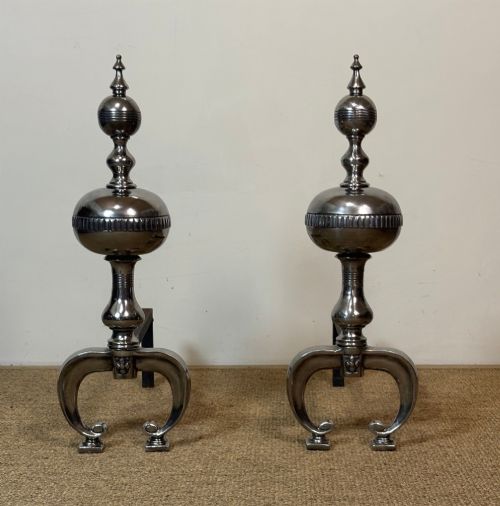
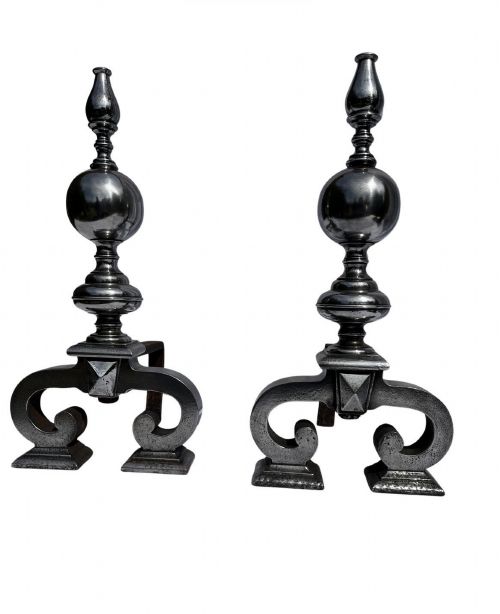
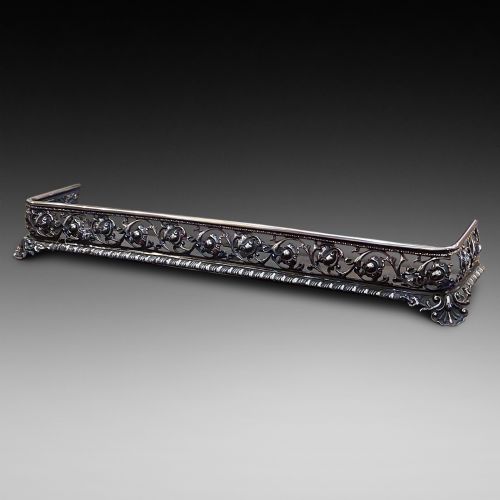
The versions you are most likely to meet on this page hail from the nineteenth century, including Victorian and Georgian examples. They appear alongside related fireside items such as steel fire dogs, brass firedirons, fenders, and footmen.
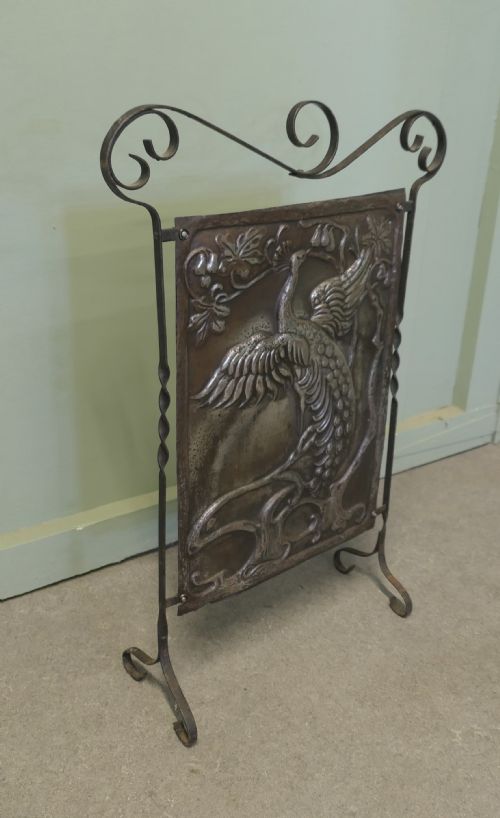
Materials span polished steel, polished iron, wrought iron, and brass. The styles vary from straightforward Georgian utility to decorative Victorian and Arts and Crafts designs.
How they were made
Makers shaped these irons using traditional blacksmithing and metalworking techniques, forging and turning steel and iron to create durable shafts and handles. Polishing brought the metal to a high reflective lustre, which was particularly favoured in formal nineteenth-century interiors.
Brass elements were often cast or worked separately and joined to iron or steel components, combining different metals for functional strength and visual contrast. Surface finishes relied entirely on mechanical polishing rather than modern chemical treatments.
The listings here feature items spanning from the Georgian period through the Victorian era and into the early twentieth century, utilising steel, brass, and wrought iron.
What varies in quality
Quality in these pieces rests on the weight of the metal, the balance of the tools, and the crispness of any turned or forged detail. Heavier steel shafts and solid brass mounts show a higher grade of manufacture than lighter, mass-produced alternatives.
The fineness of the surface finish and the integrity of the joints also separate standard utility items from finer workshop pieces. Better examples retain their original proportions and structural rigidity after generations of use at the hearth.
The Polished Metal Fireplace Irons Glossary
- Fire irons
- Implements used for tending a hearth fire, typically comprising a poker, tongs, and a shovel. They are often displayed together in a matching set or companion stand.
- Andirons
- Supports used to hold logs in an open fireplace, also known as fire dogs. They frequently feature decorative front standards in brass or polished iron.
- Fender
- A low metal guard placed around the hearth to keep embers from spilling onto the floor. They are often made of steel, brass, or iron to match the fire irons.
- Footman
- A metal stand placed near the fire to keep food or kettles warm. These hearth trivets usually stand on four legs and are made of polished steel or iron.
- Arts and Crafts
- A design movement valuing handcraftsmanship and simple forms. Pieces from this style often display honest construction and stylized natural motifs.
Polished Metal Fireplace Irons: Frequently Asked Questions
What are polished metal fireplace irons?
These are functional metal tools designed for managing coal or wood fires in an open hearth. They usually include pokers, shovels, and tongs finished with a bright polished surface.
Such pieces date primarily from the eighteenth and nineteenth centuries, reflecting the stylistic shifts of the Georgian and Victorian eras.
How do I clean polished steel fire tools?
Maintenance requires gentle cleaning to preserve the historic surface without stripping the original metal. Fine steel wool or specialised metal polish helps manage surface oxidation.
Keeping them dry prevents rust from forming on the iron and steel components during humid months.
What is the difference between fire dogs and andirons?
Fire dogs and andirons are actually two names for the same hearth furniture. They support logs above the hearth floor to improve airflow.
Victorian and Georgian versions often pair polished iron bodies with decorative brass finials.
How do I date a set of fire irons?
Dating relies on the manufacturing marks, tool shapes, and prevailing styles of the period. Georgian tools tend to show simpler turned forms, while Victorian pieces often incorporate more elaborate casting.
Matching the design characteristics to the wider categories of nineteenth-century metalwork helps narrow down the era.