
Metal Garden Planters
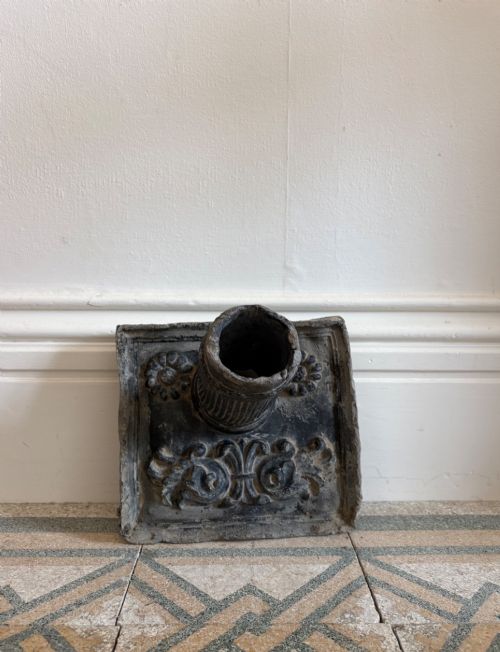
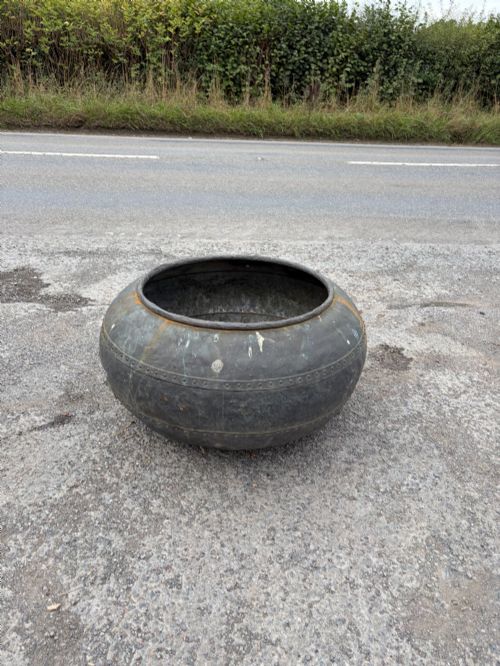
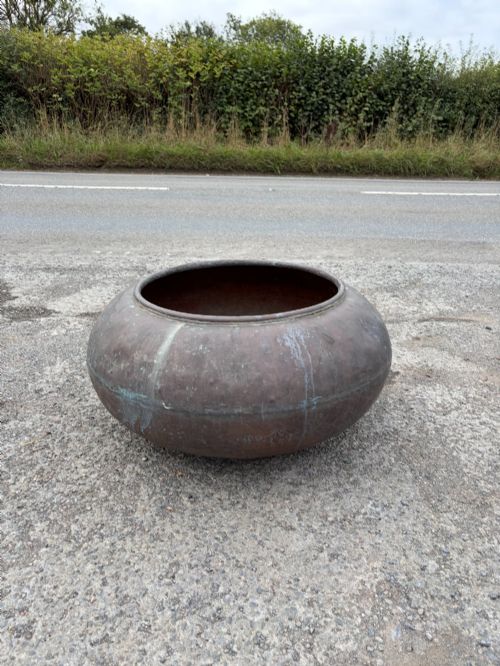
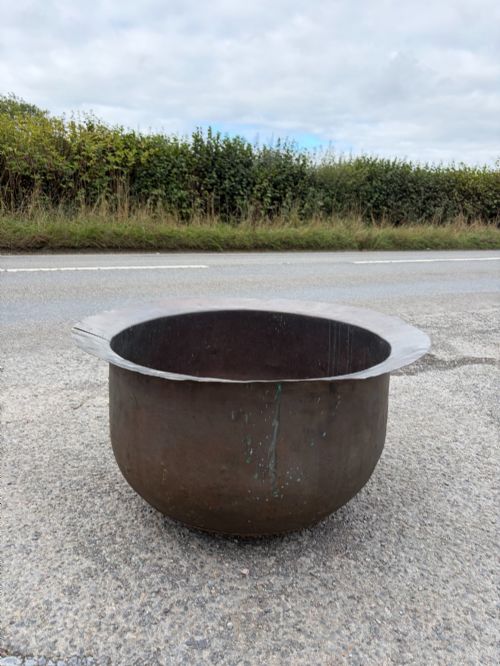
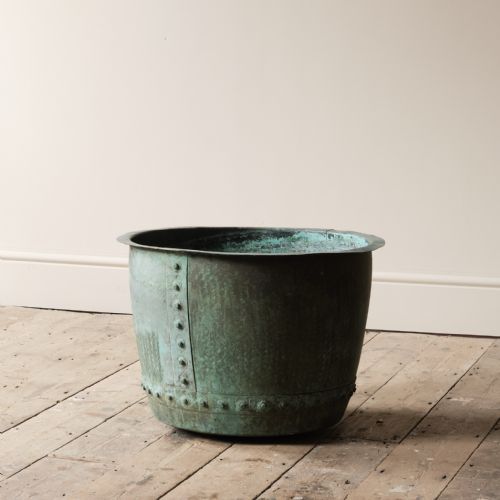
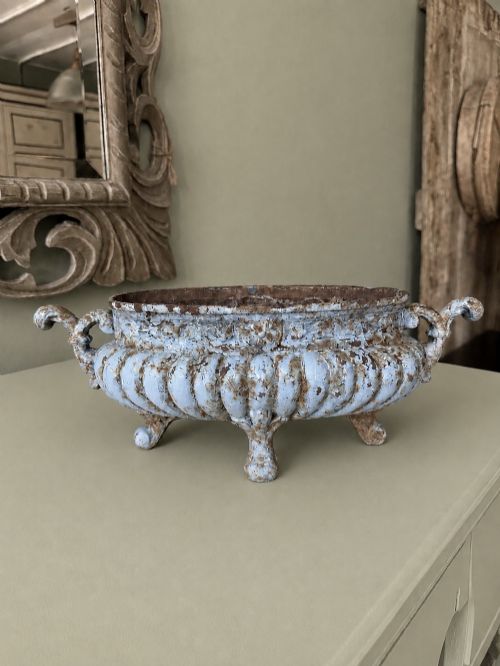
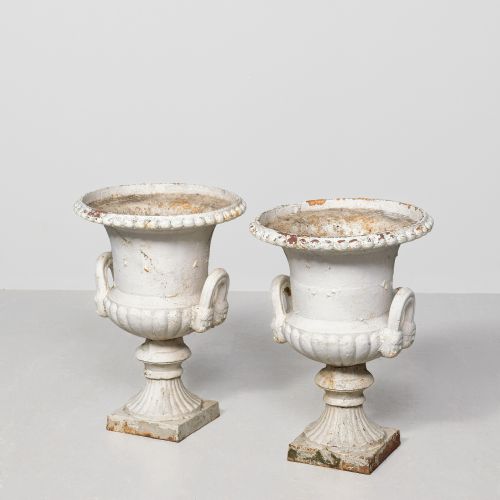
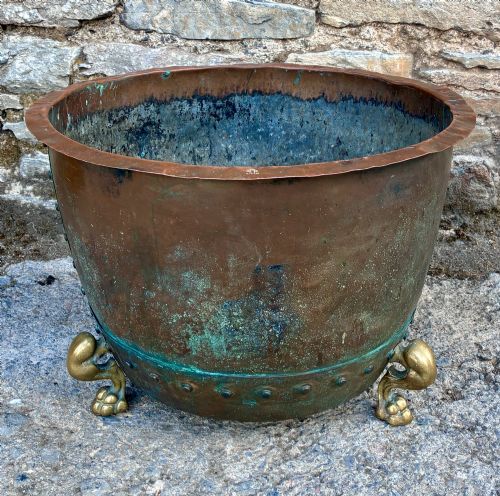
Metal garden planters bring weight and structure to outdoor spaces, ranging from nineteenth century cast iron urns to riveted copper pots.

Metal Garden Planters
Metal garden planters encompass a variety of vessels designed for outdoor flora, appearing frequently as nineteenth century cast iron urns, copper pots, and plant stands. Buyers searching for metal garden planters will find pieces originating from Victorian, Georgian, and French country traditions.
Quality and character
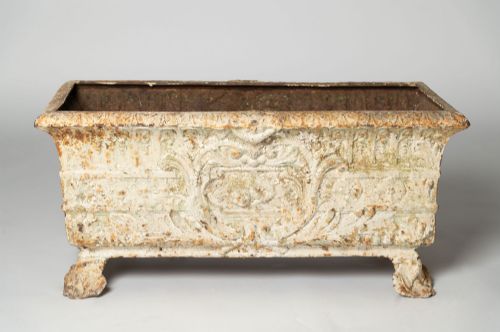
Quality rests in the crispness of foundry casting, the integrity of hand-riveted copper joints, and the balance of structural proportions. Pieces bearing identifiable foundry marks or estate provenance display superior design execution.
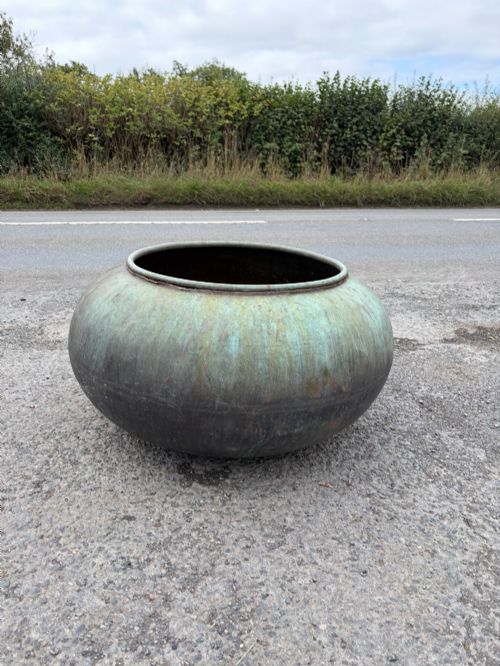
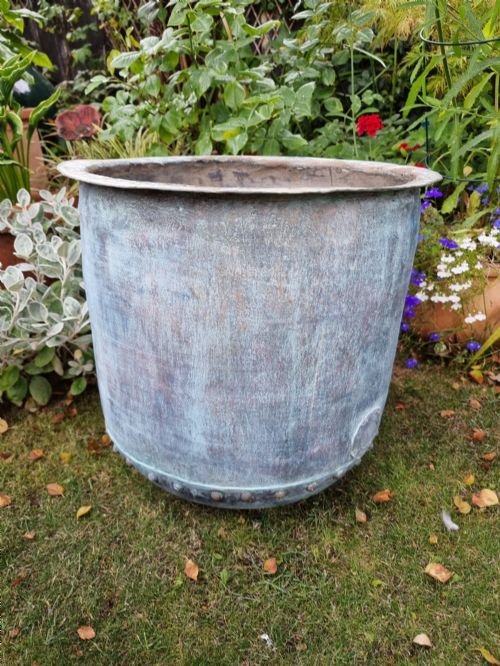
Surface evolution contributes to the appeal, where organic verdigris and weathered paint layers indicate authentic age rather than superficial distress. The weight of the metal and the complexity of decorative scrollwork distinguish standard utility items from high decorative examples.
Listings feature materials including cast iron, copper, wrought iron, zinc, lead, and stone across eighteenth and nineteenth century periods.
Andrew Handyside·Coalbrookdale·Val D'Osne Foundry
The Metal Garden Planters Glossary
- Campana
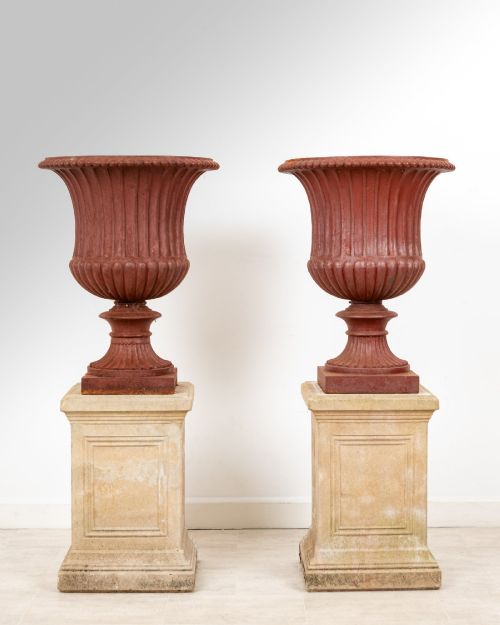
- A bell-shaped garden urn style popular in classical and Victorian designs. It typically sits on a short stem and square pedestal base.
- Jardiniere
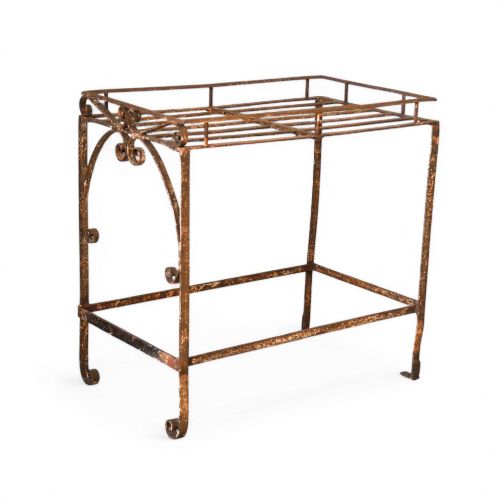
- An ornamental pot or stand designed to hold growing plants or flowers. These items often feature decorative scrollwork or lattice baskets.
- Verdigris
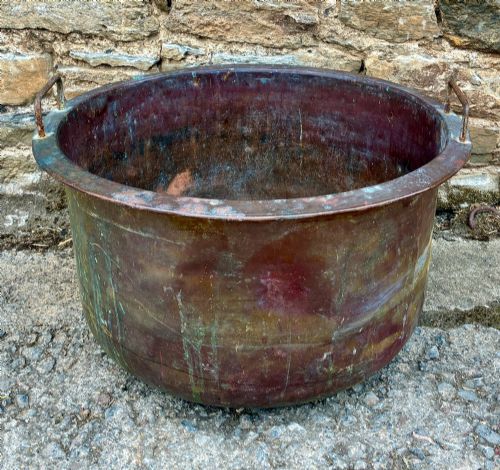
- A green patina formed naturally on copper, brass, or bronze through atmospheric oxidation. This surface layer indicates prolonged exposure to the elements.
- Coalbrookdale
- A renowned nineteenth century ironfoundry known for producing intricate cast iron garden furniture and planters. Their work displays high technical skill in ornamental casting.
- Val D'Osne
- A notable nineteenth century French ironfoundry that specialised in decorative cast iron architectural elements and garden urns. Pieces from this source exhibit classical revival styles.
Metal Garden Planters: Frequently Asked Questions
What plants suit cast iron urns?
Cast iron urns accommodate trailing foliage, shrubs, and seasonal flowering plants that contrast with the dark metal surface. Their deep bowls provide adequate root space for established specimens.
Because iron absorbs heat from the sun, plants requiring moderate moisture levels benefit from regular observation during warmer months.
How do copper pots weather outdoors?
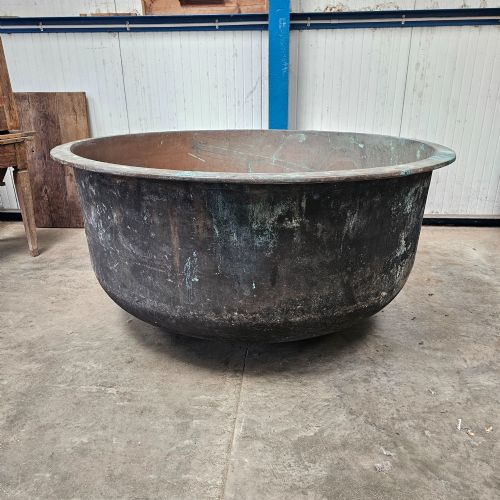
Exposed copper develops a natural verdigris patina over time as rain and air react with the metal surface. This green or brown oxidation layer protects the underlying material from further degradation.
Hand-riveted copper vessels maintain their structural integrity while shifting in colour through seasonal exposure.
Where should wirework plant stands go?
Tiered wirework stands suit conservatories, sheltered patios, and garden corners where they display multiple smaller potted plants vertically. Their open lattice construction allows light to reach plants on lower shelves.
Placing them on paved surfaces prevents ground damp from accelerating corrosion on the lower wire sections.
How do I identify a Victorian urn?
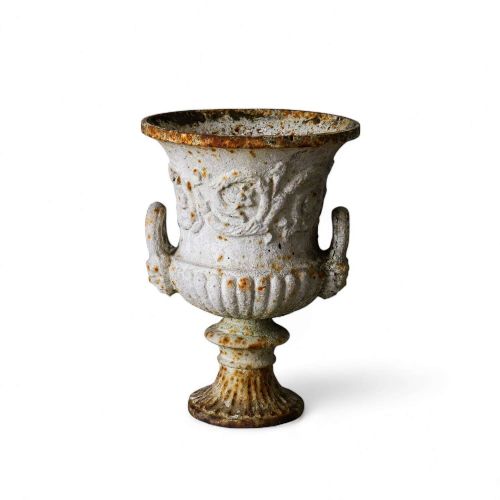
Victorian cast iron urns often feature classical revival motifs, such as acanthus leaves, egg-and-dart rims, and fluted bodies. They frequently include separate stone or iron pedestals for elevation.
Foundry marks and heavier wall thicknesses also point toward nineteenth century manufacturing standards.