



Metal Drip Tray Stand
A metal drip tray stand keeps hallway floors dry, and these sturdy hall fixtures combine practical function with the enduring appeal of Victorian and Edwardian design.
Metal Drip Tray Stand
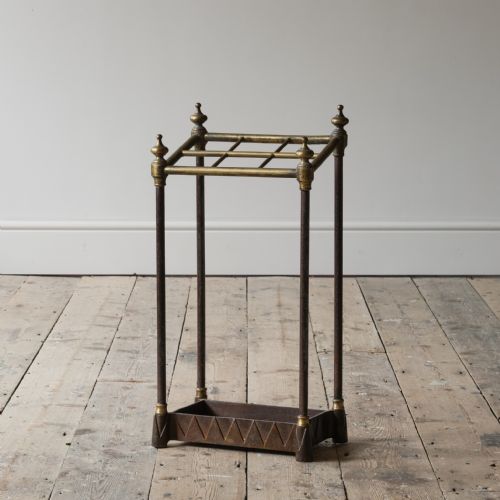
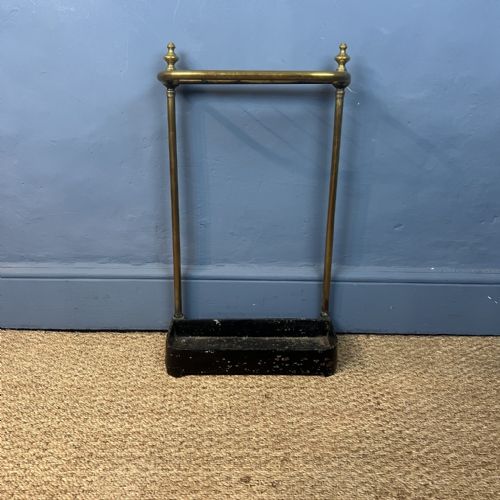
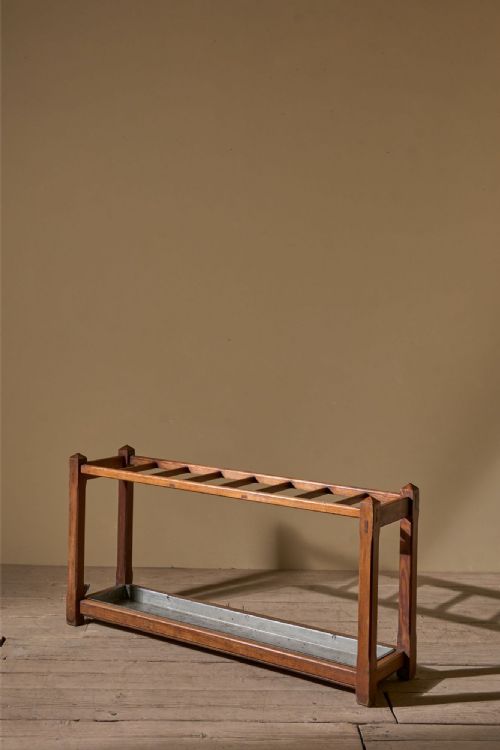
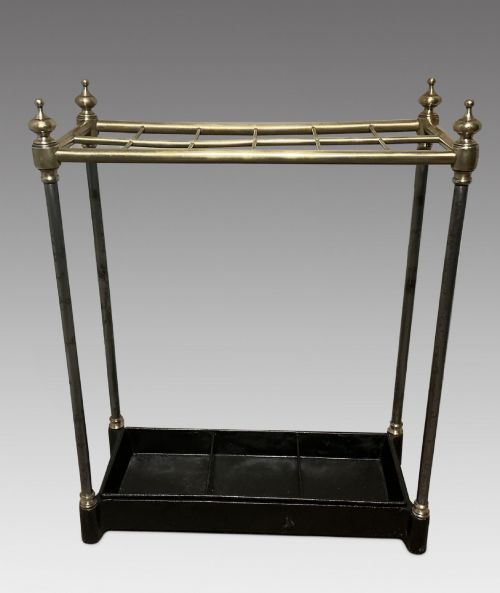
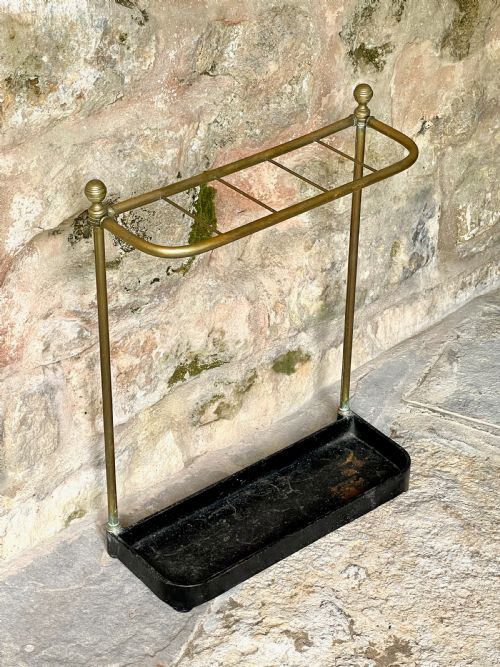
A metal drip tray stand serves as a dedicated hallway fixture designed to hold walking sticks, umbrellas, and occasionally boots while catching rainwater in a built-in tray. The pieces listed span periods from the eighteenth century to the nineteen thirties, with nineteenth century and Victorian examples appearing most frequently.
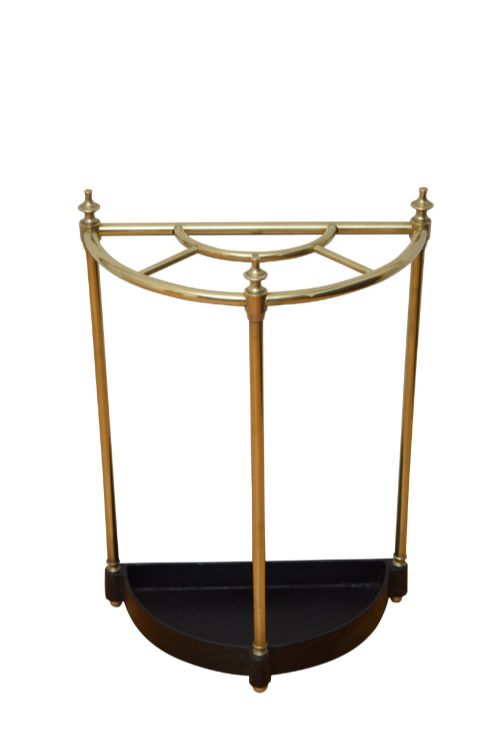
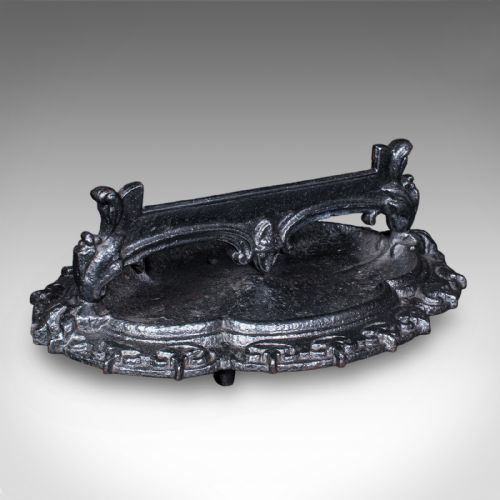
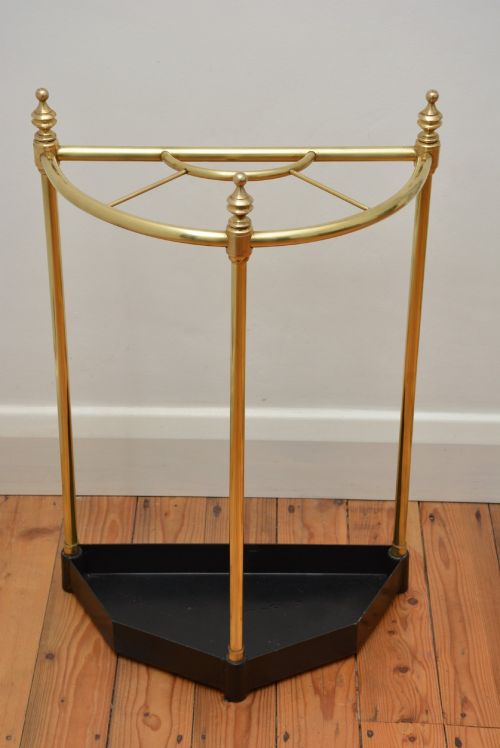
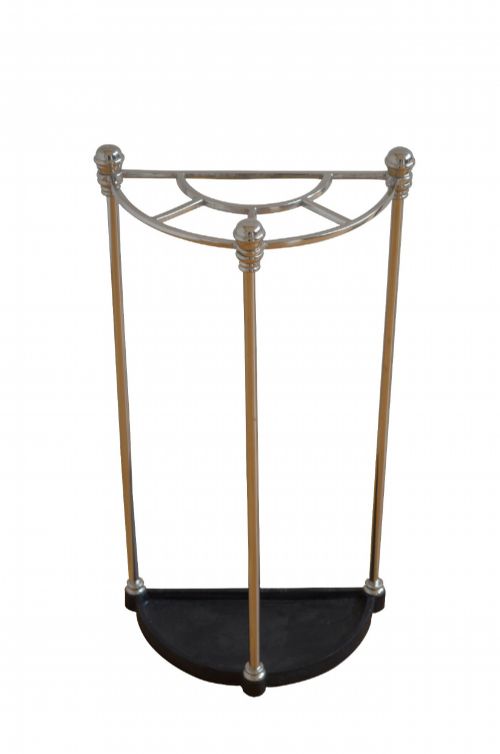
Most items function as umbrella stands, stick stands, or combined umbrella and stick stands, alongside related entryway items such as boot scrapers. Forms range from demi-lune shapes designed to sit flush against a wall to oval frames and corner units.
Materials and construction
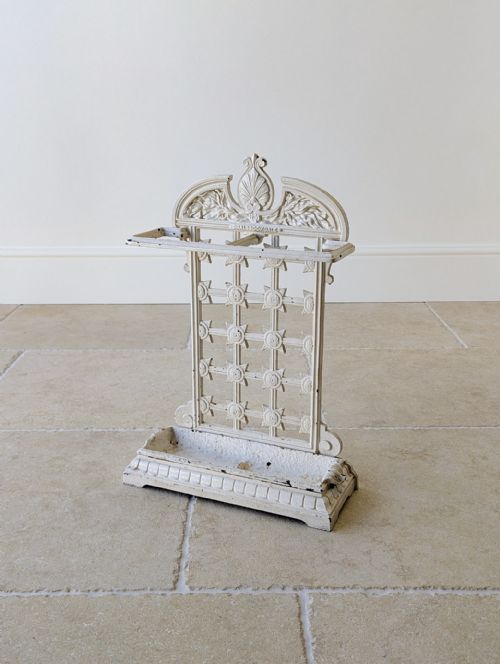
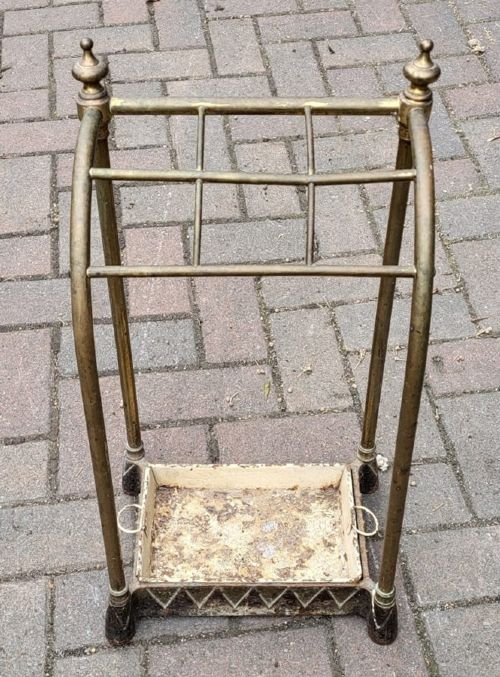
Makers utilised rigid metals such as cast iron, brass, steel, nickel, and zinc to build the structural frames and removable water trays. Cast iron components were frequently moulded into decorative ring patterns or pierced lattice designs.
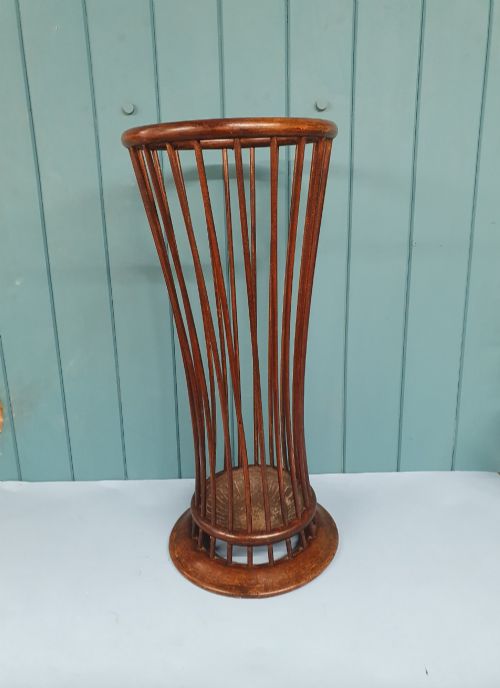
Combinations of metal and timber appear often, pairing cast iron or brass frames with oak, pine, or faux bamboo elements. These mixed-media pieces utilise timber for stability and structure while relying on metal trays to manage moisture.
Materials recorded across the inventory include cast iron, brass, oak, zinc, steel, and pine, frequently combined in single items.
Quality factors
The distinction between ordinary and superior pieces rests on the weight and crispness of the metal casting. Heavier cast iron frames and substantial brass structures display sharper decorative details and greater stability.
Completeness dictates standing value, particularly the presence of the original metal drip tray rather than a modern replacement. Retaining the correct removable base pan secures the architectural integrity of the piece.
Coalbrookdale·After Coalbrookdale
The Metal Drip Tray Stand Glossary
- Demi-lune
- A half-moon shape designed to fit flat against a hallway wall. This profile allows the stand to occupy minimal floor space.
- Boot scraper
- An entryway device fixed near a doorway to clean mud from footwear before entry. These items often feature heavy iron construction.
- Faux bamboo
- A decorative finish applied to timber or metal to imitate natural bamboo stalks. This technique gained popularity during the Victorian period.
- Stick loop
- A metal ring or divider designed to keep walking sticks and umbrellas upright. These loops prevent items from slipping sideways.
Metal Drip Tray Stand: Frequently Asked Questions
Where should I place a metal drip tray stand?
These stands belong in an entrance hall, porch, or boot room where wet umbrellas and walking sticks accumulate after outdoor use. Position the piece near the main entrance for daily convenience.
The compact demi-lune and corner forms suit narrow hallways by resting flat against walls without blocking movement through the doorway.
How do I care for cast iron and brass?
Wipe metal surfaces with a dry or slightly damp cloth to remove dust and prevent moisture buildup. Avoid harsh chemical cleaners that strip patinated finishes.
Empty and dry the metal drip tray regularly to protect the base from standing water and potential corrosion over time.
Are original drip trays important?
Original trays match the exact dimensions, metal composition, and wear patterns of the main frame. Finding a piece with its factory tray preserves its historical integrity.
Replacement trays function adequately for daily use, but original components remain preferable for collectors seeking entirely matching elements.
How do I distinguish Victorian from Edwardian stands?
Victorian examples often feature heavier cast iron construction with Gothic Revival motifs or ornate scrollwork. These pieces project a solid, imposing presence suited to large entranceways.
Edwardian and later pieces frequently incorporate lighter brass frames, clean lines, or Art Deco geometric patterns reflecting changing domestic fashions.