
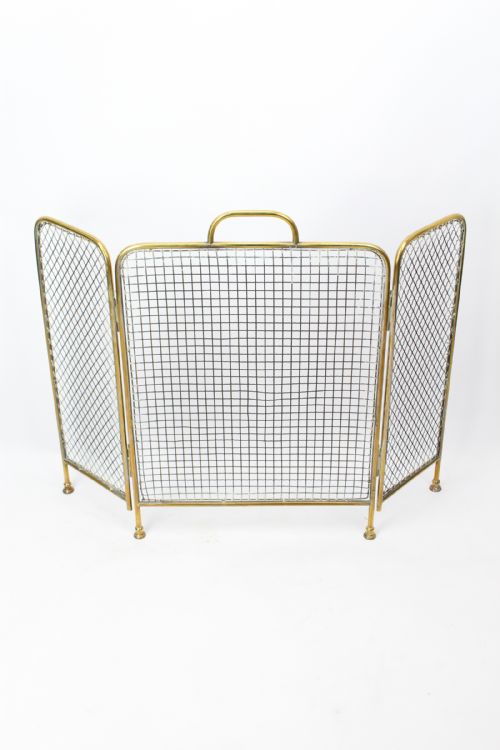


Mesh Fireplace Screen Guard
A mesh fireplace screen guard protects the room from stray sparks while adding period character to the hearth.
Mesh Fireplace Screen Guard
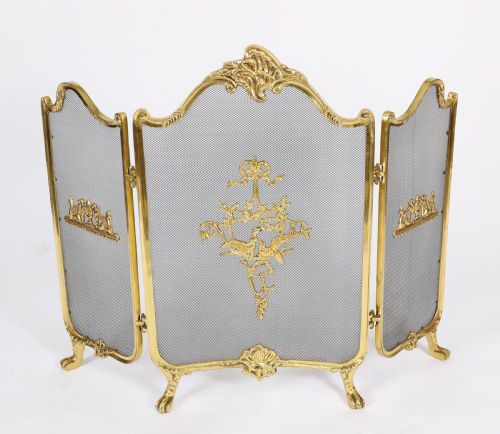
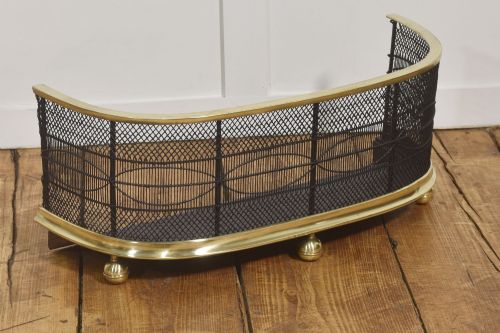
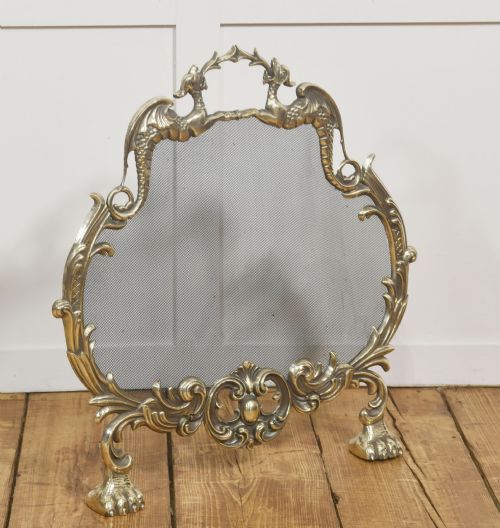
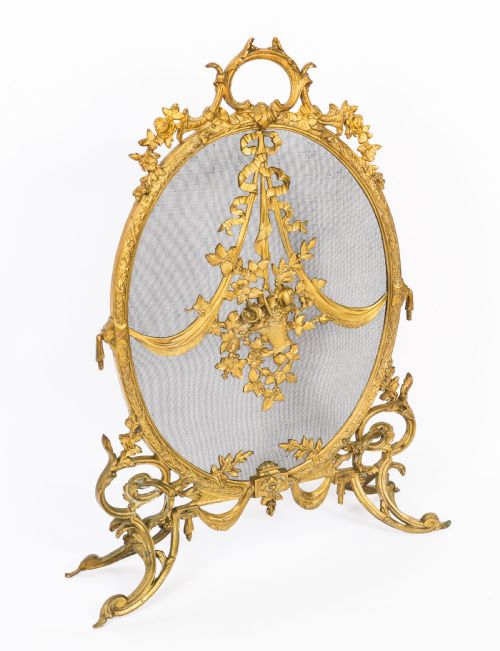
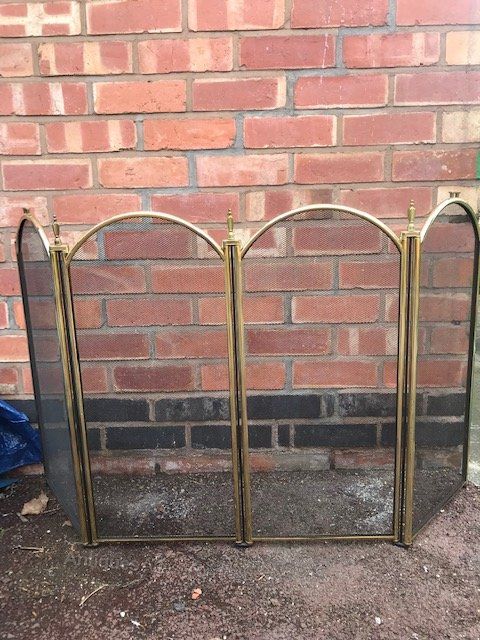
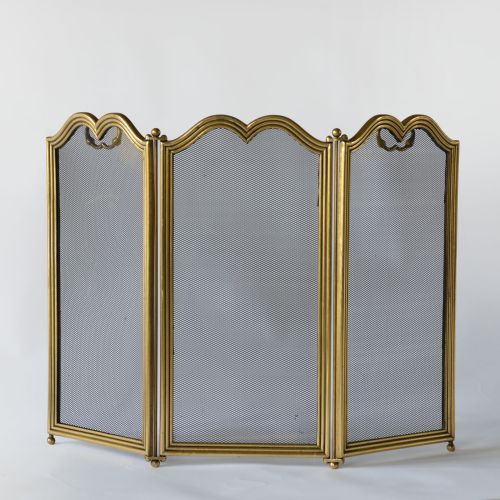
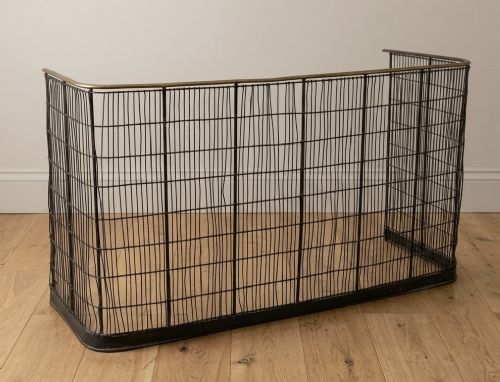
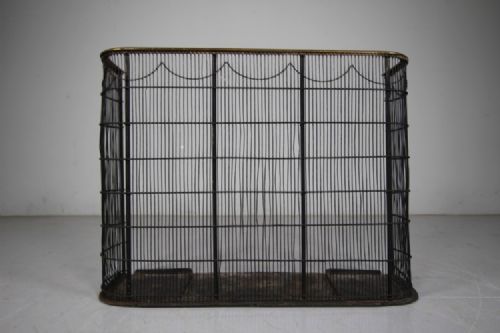
A mesh fireplace screen guard is a practical hearth accessory designed to contain embers and sparks safely behind a fine metallic barrier. When you search for a mesh fireplace screen guard, you encounter various forms ranging from rigid single-panel screens to multi-folding spark guards and protective nursery fenders.
The selections span from the nineteenth century into the twentieth century, encompassing Victorian, Edwardian, and Regency periods alongside French Rococo and Empire revivals. Brass frames dominate the selection, frequently paired with wire mesh or wrought iron to balance utility with decorative appeal.
Materials and construction methods
Craftsmen utilised brass, iron, and gilt bronze to build sturdy structural frames, employing casting, forging, and riveting techniques to ensure stability around open fires. Wire mesh and fine steel mesh were then secured within these metal frameworks to catch flying embers effectively.
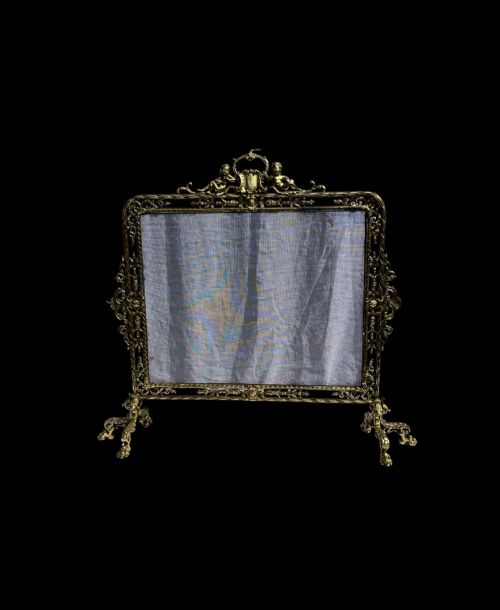
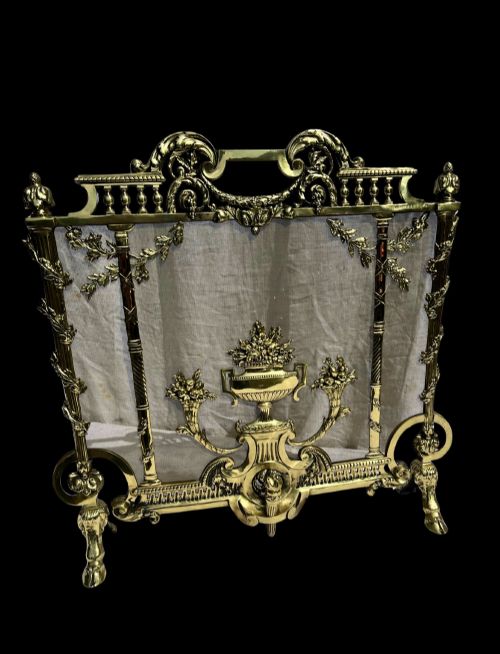
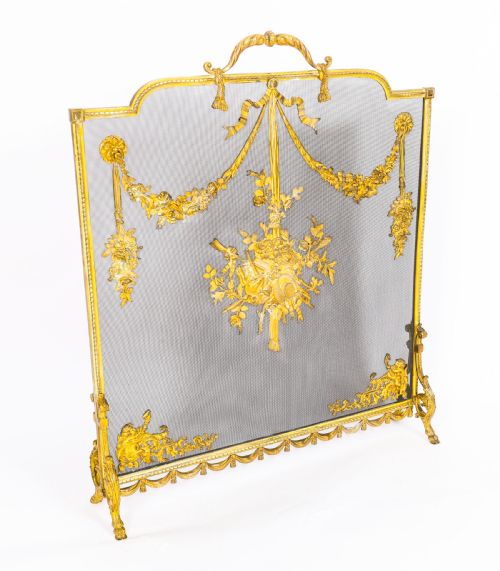
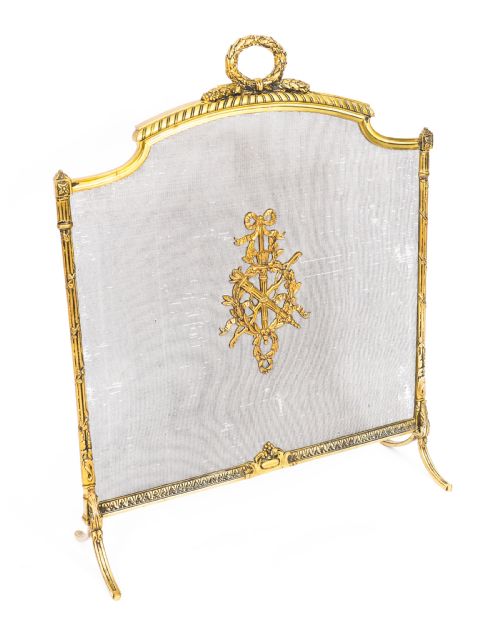
Decorative examples incorporate cast brass ornamentation in French Rococo and Louis styles, featuring scrolling motifs, flaming torches, and musical trophies attached to the main body. Folding mechanisms utilise hinges to allow multi-section screens and spark guards to adjust around hearth openings.
Some nursery fenders thoughtfully included attached clothes rails, turning the hearth into an impromptu laundry dryer.
Distinctions in quality and execution
Quality in a mesh fireplace screen guard lies in the weight of the metal framework and the tightness of the woven wire mesh. Heavy brass framing and substantial iron structures offer better durability and stability than lighter, thinner alternatives.
Finishing details separate standard utilitarian pieces from high-end decorative items. Finer examples display crisply cast gilt bronze ornaments, well-fitted folding hinges, and securely mounted mesh panels that withstand regular hearth use.
The Mesh Fireplace Screen Guard Glossary
- Mesh
- A woven metallic fabric forming the protective barrier of the guard. It stops hot embers from escaping into the room.
- Nursery fender
- A low enclosing barrier designed to keep children and pets at a safe distance from the fire. These guards often incorporate sturdy brass frames and fine wire panels.
- Spark guard
- A specialised screen intended primarily to catch flying embers during active fires. They frequently feature folding sections for flexible placement.
- Gilt bronze
- Metal cast with a gold-coloured finish, often applied to decorative mounts on French revival pieces. It provides a bright, ornamental contrast to plain brass frames.
- Rococo revival
- A nineteenth-century style mimicking eighteenth-century French asymmetry and scrollwork. This aesthetic appears frequently on ornate brass frames.
Mesh Fireplace Screen Guard: Frequently Asked Questions
What is a nursery fender?
A nursery fender is a protective barrier that surrounds the hearth to keep children and pets away from open flames. These pieces typically stand taller and enclose a larger footprint than standard screens.
They often feature sturdy brass frames combined with fine wire mesh panels. Many include top rails and heavy mountings designed for maximum safety.
How do folding screens work?
Folding screens utilise multiple hinged sections that allow the guard to adjust around different fireplace openings. Tripartite and multi-fold designs offer flexibility in positioning.
The hinges enable the wings to angle inward or outward for stability. This modular construction also makes storage straightforward when the hearth is not in use.
Are iron and brass guards different?
Iron and brass guards serve the same protective purpose but offer distinct visual styles. Brass and gilt bronze examples lean toward decorative French revival aesthetics.
Iron and steel mesh variations often present a more industrial or Gothic appearance. Selection depends on the surrounding period decor of the fireplace.
How do I date a screen?
Dating a screen involves examining the manufacturing materials, construction joints, and decorative style. Victorian and Edwardian pieces often display specific casting techniques and hardware.
Stylistic revivals such as French Rococo or Empire provide clues to the era of production. Maker marks or patination on the metal surface also help determine age.