
Mens Sub Second Watch
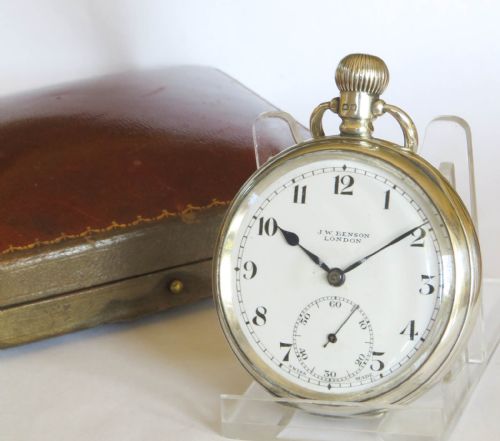
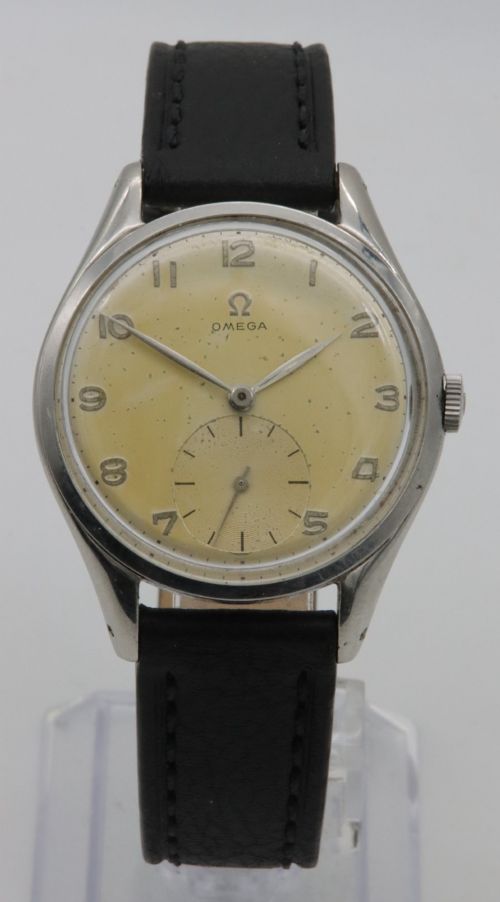
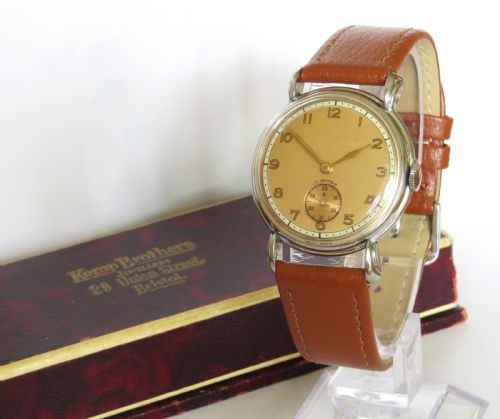
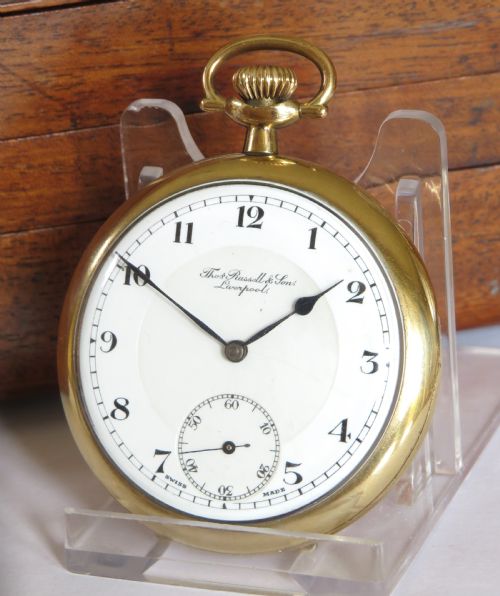
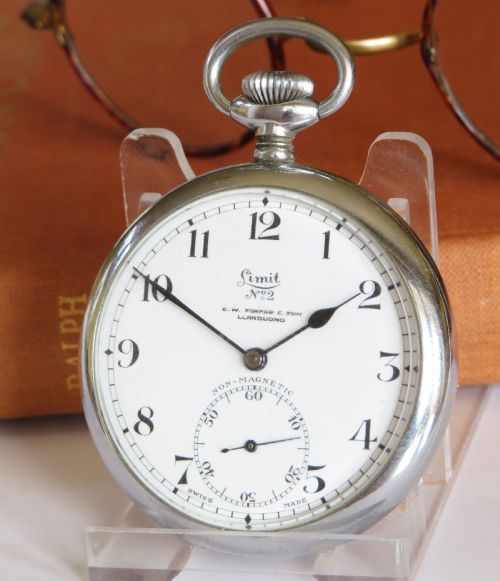
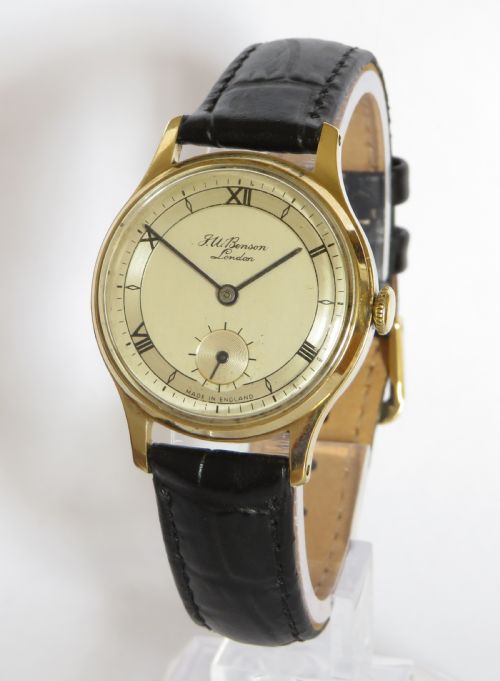
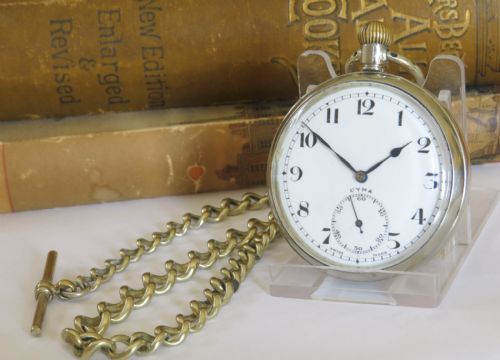
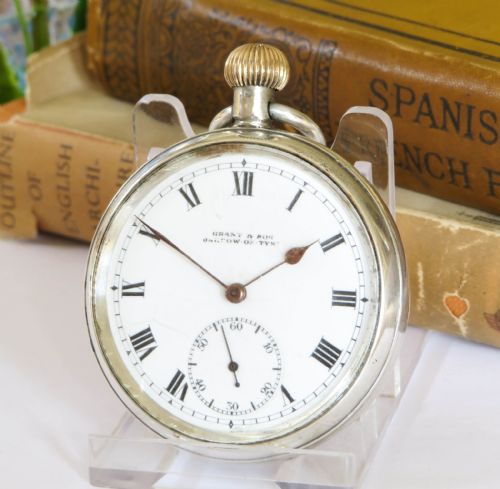
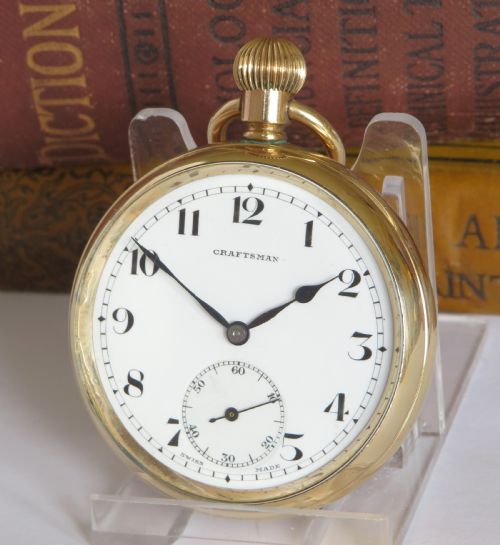
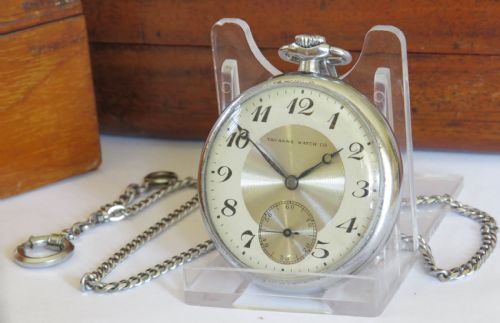
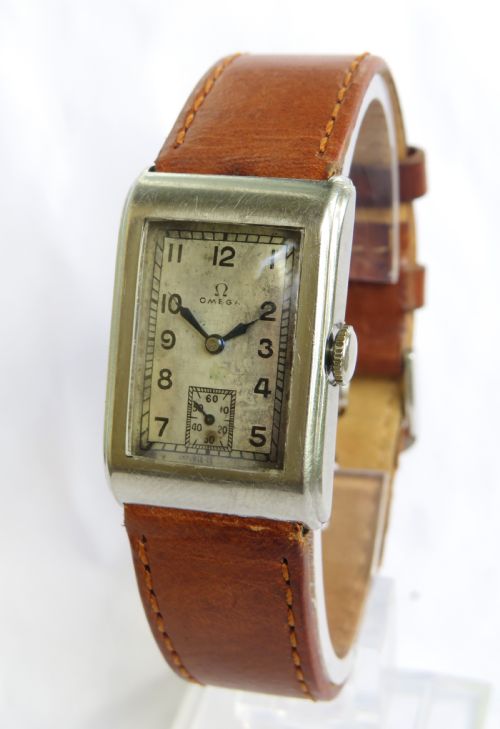
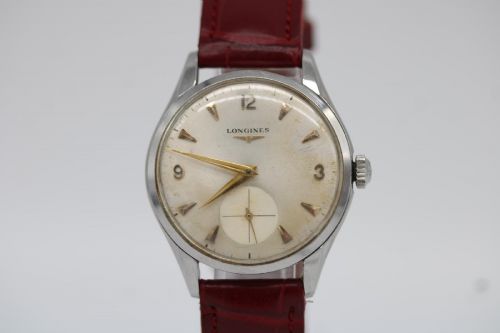
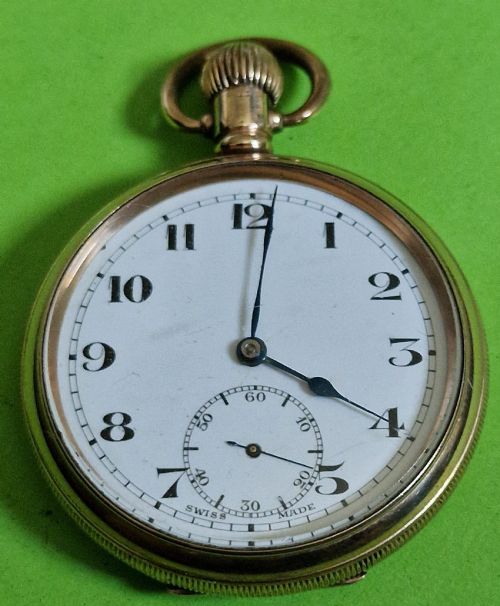
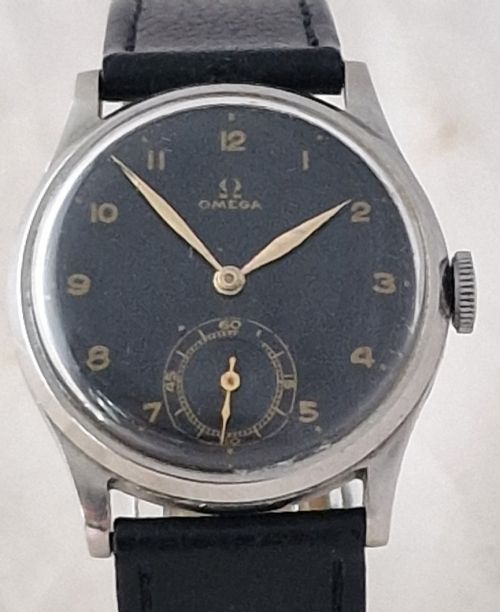
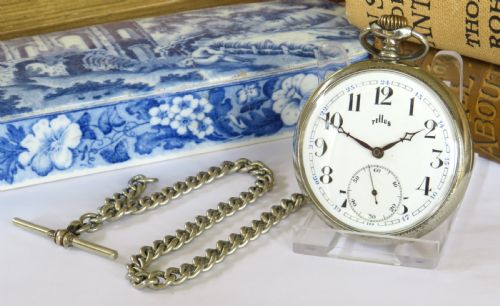
A mens sub second watch places a dedicated dial for the seconds hand at the bottom of the face.
Mens Sub Second Watch
A mens sub second watch brings together pocket watches and early wristwatches spanning the Edwardian era through the nineteen sixties. These pieces include wristwatches and pocket watches housed in stainless steel, silver, and nine carat gold.
Makers such as Omega, Longines, and Zenith appear frequently alongside Swiss and English pocket watch manufacturers. Buyers encounter items from the nineteen twenties, nineteen thirties, and nineteen fifties amongst the selections.
Wristwatches and pocket watches share space with pieces carrying military connections, silver chains, and original boxes. The format separates the seconds display from the main hour and minute hands into a smaller dial.
Materials and construction
Cases utilise stainless steel, solid nine carat gold, gold plate, and silver, paired with glass or acrylic crystals over enamel and metal dials. Leather straps complete many wristwatches while pocket watches link to matching chains.
Movements rely on manual wind and automatic mechanical calibres produced by watchmakers in Switzerland and England. Dials incorporate painted or applied markers beneath protective glass and acrylic covers.
Some pocket watches carry bravery awards and military service connections from mid twentieth century history.
Distinctions in standard
Execution rests upon the refinement of the mechanical movement and the preservation of original dial components. Solid gold cases and signed movements by established makers represent higher tiers of production.
The integrity of the sub dial layout and the crispness of case metal finish differentiate standard everyday timepieces from specialised military issues and fully restored luxury examples.
J W Benson·Thomas Russell & Son·Limit·Cyma·Tavannes·Omega·Longines·Tellus·Primula·Revue·Rotary·Smiths·Dogma Prima·Bulova·Zenith·Kered·Roamer·Consul·Elgin·Marvin
The Mens Sub Second Watch Glossary
- Sub second
- A separate smaller dial on the watch face dedicated solely to tracking seconds, usually positioned above the six o'clock marker.
- Hunter pocket watch
- A pocket watch featuring a spring-loaded metal cover that protects the glass dial from damage.
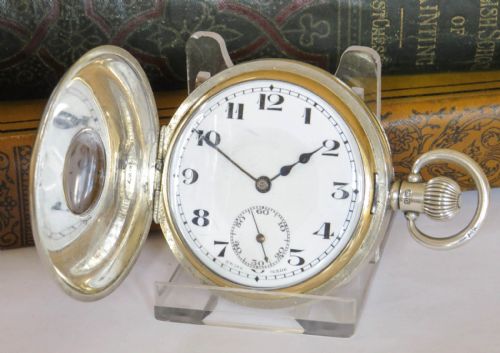
- Half hunter pocket watch
- A pocket watch with a metal case cover that includes a glass aperture or transparent ring allowing the hands to be seen without opening the case.
- Manual wind
- A mechanical watch movement that requires the wearer to manually turn the crown to tension the mainspring.
- Automatic
- A self-winding mechanical movement that uses the natural motion of the wearer's wrist to power the watch.
- Calibre
- The specific internal movement designation used by a manufacturer to identify a particular watch mechanism.
Mens Sub Second Watch: Frequently Asked Questions
How do you wind a vintage watch?
You wind a manual vintage watch by turning the crown clockwise between your thumb and forefinger until you feel gentle resistance.
Care must be taken not to overwind the mainspring, which can damage the internal mechanical movement of the piece.
Are these watches waterproof?
Vintage watches from these periods generally lack modern waterproof seals and gaskets.
Exposure to moisture, rain, or humidity can easily damage the delicate paper or metal dials and rust the internal movement.
How do I identify the decade?
The decade is identified through stylistic clues such as Art Deco numerals, case shapes, font designs, and movement serial numbers.
Reference materials and manufacturer archives help match specific calibres and case hallmarks to exact production years.