
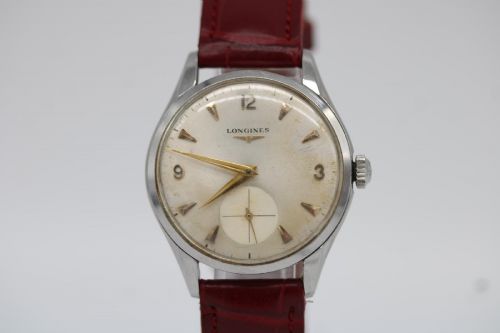
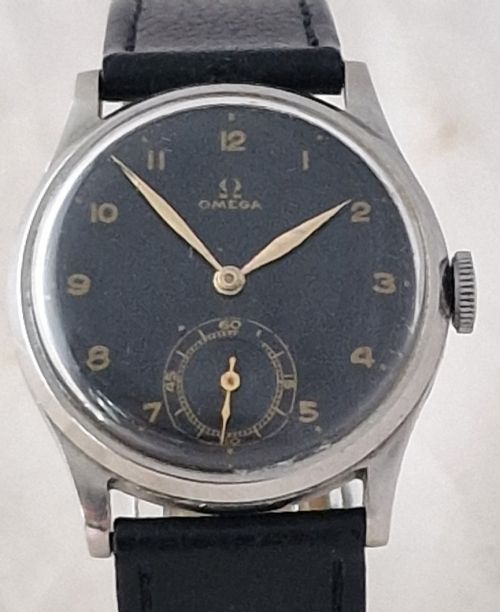
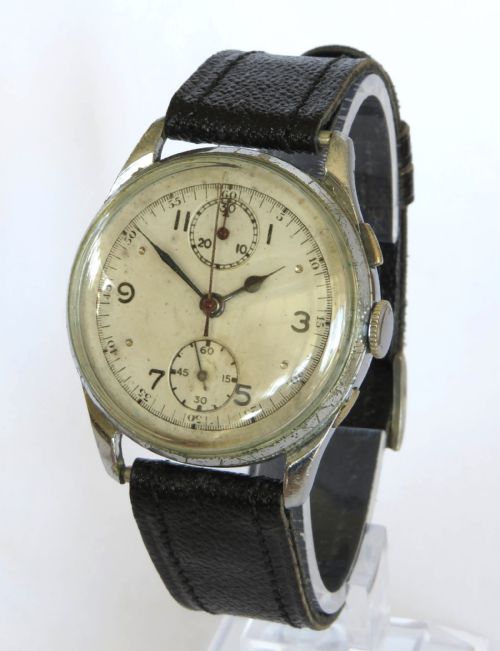

Mens Manual Wind Watch
These mechanical timepieces span decades of traditional horology, offering buyers tangible connections to mid-century design and engineering.
Mens Manual Wind Watch
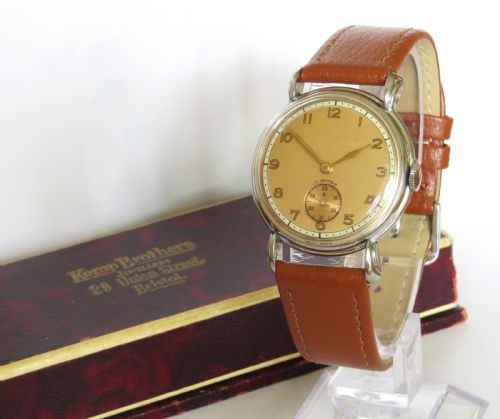
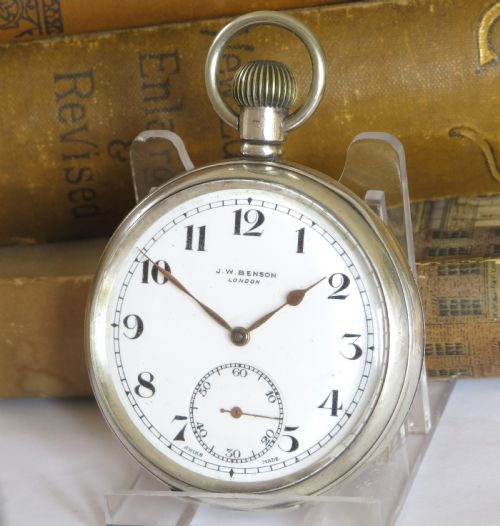
A mens manual wind watch represents a traditional category of mechanical timepieces powered entirely by hand-wound mainsprings rather than automatic rotors or batteries. When exploring this selection, buyers encounter wristwatches and pocket watches spanning periods from the early twentieth century through the nineteen-seventies.
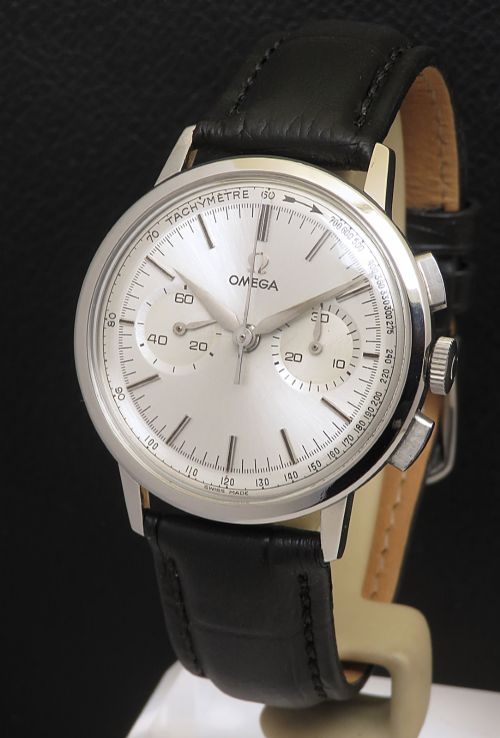
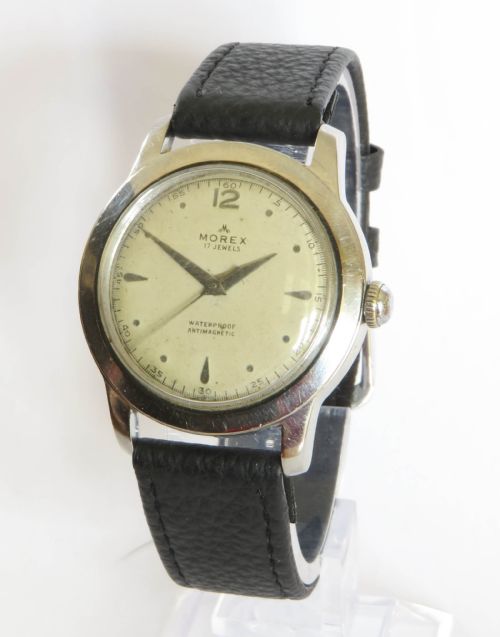
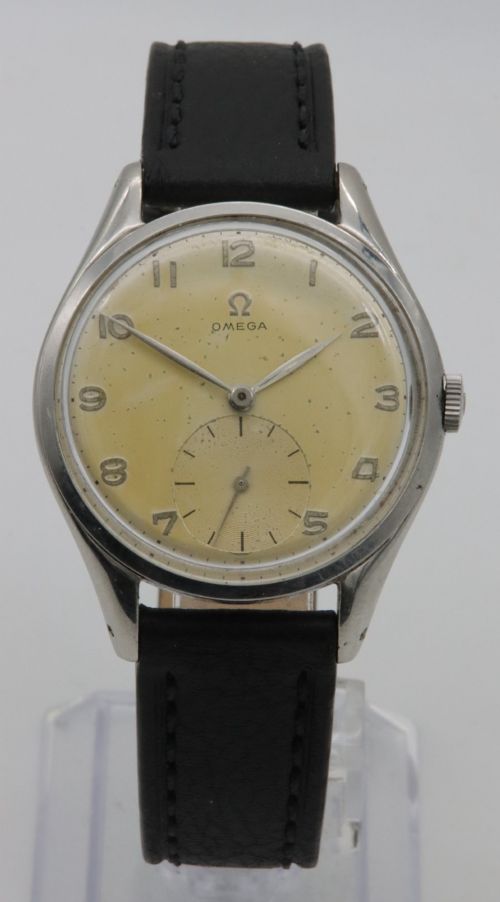
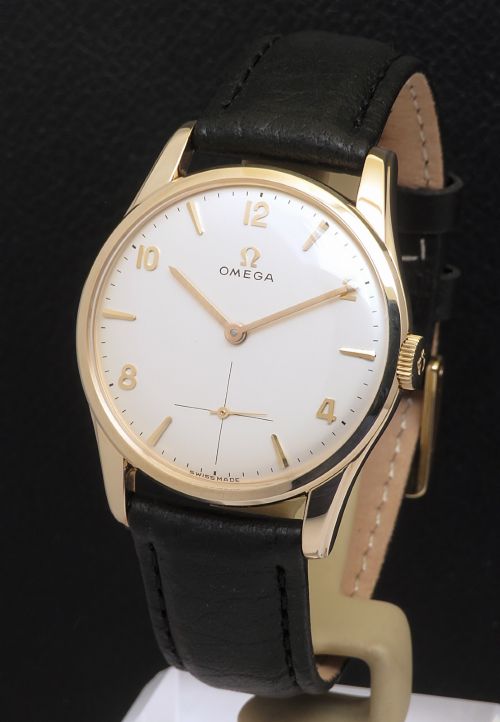
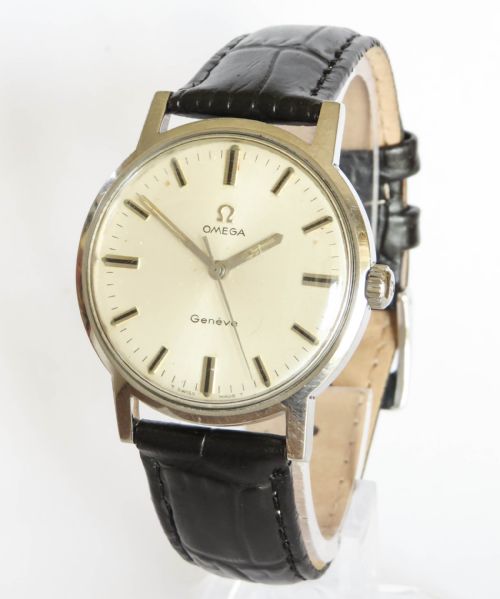
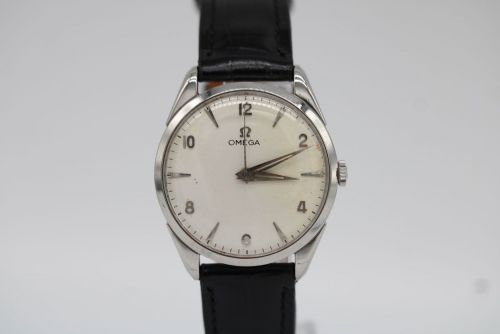
The assortment on this page leans heavily towards mid-century wristwatches featuring stainless steel or solid nine-carat gold cases alongside leather straps. Pieces originate from Swiss and British makers, displaying styles from Art Deco designs to mid-century modern aesthetics.
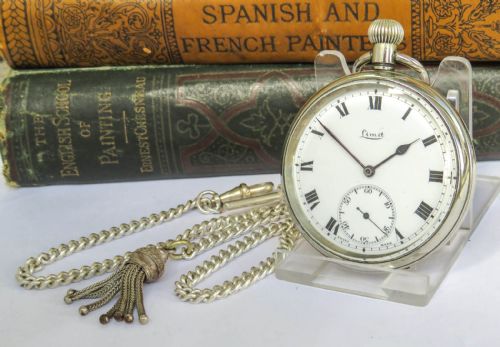
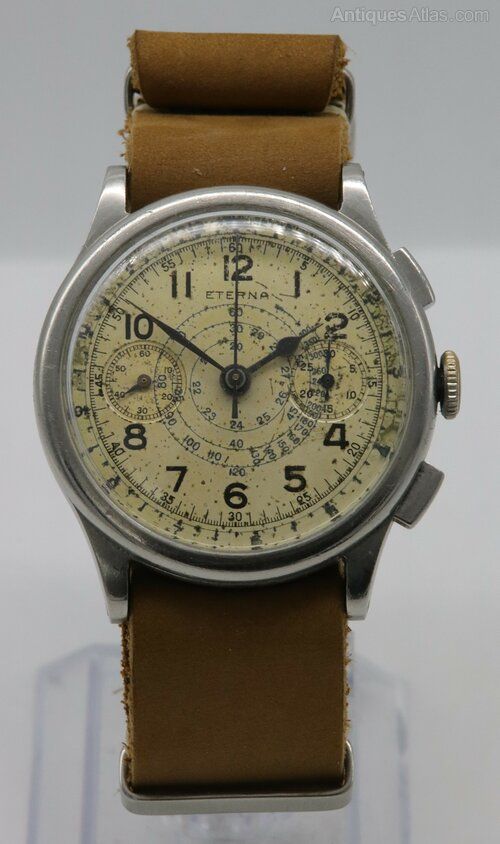
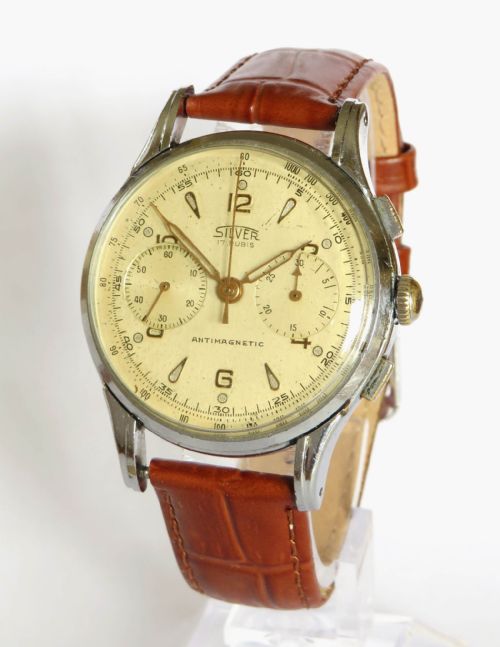
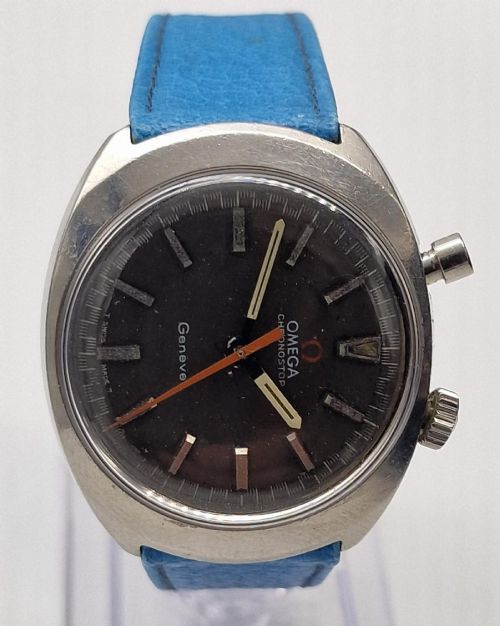
Pocket watches also appear among the wristwatches, offering alternative formats from the nineteen-tens and nineteen-twenties alongside chronograph variants equipped with specialised timing dials. Buyers find both dress pieces suited for formal wear and robust sports models built for daily utility.
Materials and construction
Watchmakers constructed cases using durable stainless steel, gold plate, and solid nine-carat or rose gold, paired with protective crystal or acrylic glass covers over the dials. Leather straps secured the wristwatches to the arm, while internal movements utilised intricate arrays of tiny metal gears, springs, and jewelled bearings.
Dials frequently featured applied metal markers, enamel details, and subsidiary seconds counters, protected behind transparent glazing. Specialised chronograph versions integrated additional mechanical complications to measure elapsed time via pushers on the side of the case.
Mens Manual Wind Watch Retail Price Guide 2026
Typical asking prices for mens manual wind watch among the pieces listed under this phrase on Sellingantiques today, from the lower quarter to the upper quarter. They describe what is for sale here now, not the wider market.
Drivers editions feature tilted dials designed so motorists could check the time without taking their hands off the steering wheel.
Factors of quality
Quality differences stem from the grade of the internal movement caliber, the preciousness of the exterior metal casing, and the overall preservation of original components. Solid gold cases and renowned movement calibers command greater respect among collectors than gold-plated equivalents.
The integrity of the dial and the crispness of case edges separate standard examples from superior specimens. Original untouched dials and signed crowns indicate higher retention of factory specifications.
Omega·Longines·Cyma·Rolex·Tudor·Breitling·Seiko·Smiths·Eterna·Certina
The Mens Manual Wind Watch Glossary
- Manual wind
- A mechanical movement wound by hand via the crown rather than relying on automatic wrist motion or battery power. This traditional mechanism requires daily winding to maintain operation.
- Chronograph
- A watch equipped with a stopwatch function that allows the measurement of elapsed time independently of the main timekeeping hands. These models feature dedicated pushers alongside the winding crown.
- Calibre
- The specific manufacturer designation for a particular watch movement design and size. Collectors reference these numbers to identify the mechanical architecture inside the case.
- Half hunter
- A pocket watch featuring a case cover with a glass or open centre window that permits reading the time without opening the outer lid. This design protects the dial while offering immediate visibility.
Mens Manual Wind Watch: Frequently Asked Questions
How often should I wind my watch?
These mechanical movements require winding once every twenty-four hours to maintain accurate timekeeping throughout the day. It is best to wind the crown gently at a consistent time until resistance is felt.
Overwinding can damage the mainspring, so stop turning the crown the moment firm resistance halts further movement.
Are these watches waterproof?
Vintage mechanical timepieces lack modern gaskets and screw-down components, meaning they offer minimal protection against moisture. Exposure to heavy rain, swimming, or hand washing should be avoided entirely.
Even pieces marked with water-resistant terminology from earlier decades cannot withstand modern submersion standards without risk of internal rust.
How do I date a vintage watch?
Dating relies on matching serial numbers found on the case or internal movement against manufacturer production ledgers. Hallmarks on precious metal cases also provide assay office stamps indicating the exact year of manufacture.
Stylistic cues such as dial typography, hand shapes, and case geometry further narrow down the decade of production.
Can I wear a vintage watch daily?
Regular wear is entirely suitable provided the movement has been recently serviced by a professional watchmaker. Care must be taken to avoid strong magnetic fields, impacts, and extreme temperature shifts.
Leather straps can be easily swapped to suit different occasions while preserving the integrity of the watch head.