



Meissen Ceramic Dish
These meissen ceramic dish pieces range from eighteenth-century examples to Victorian revivals, offering hand-painted scenes and gilded details.
Meissen Ceramic Dish
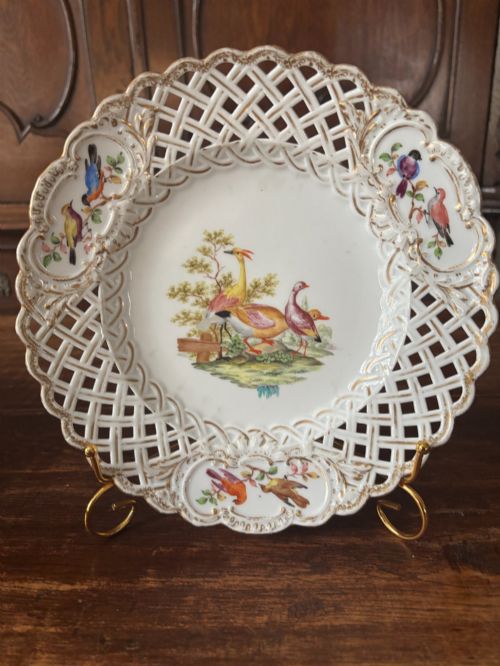
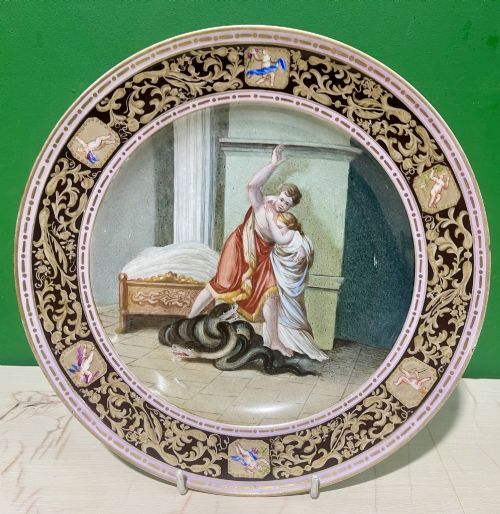
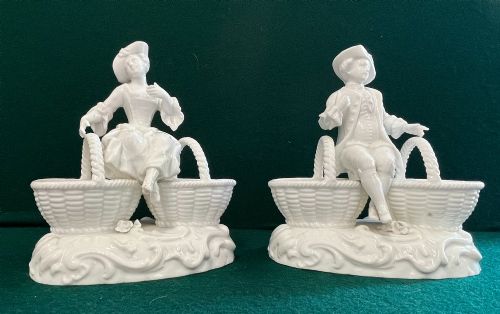
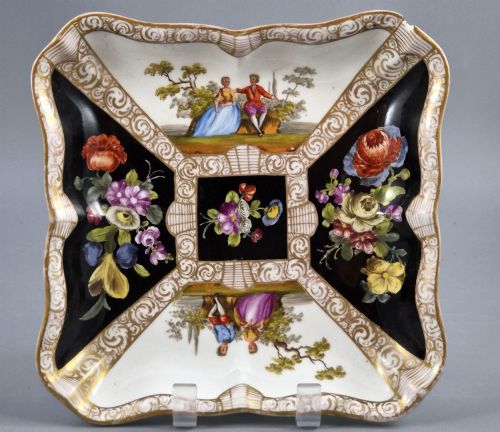
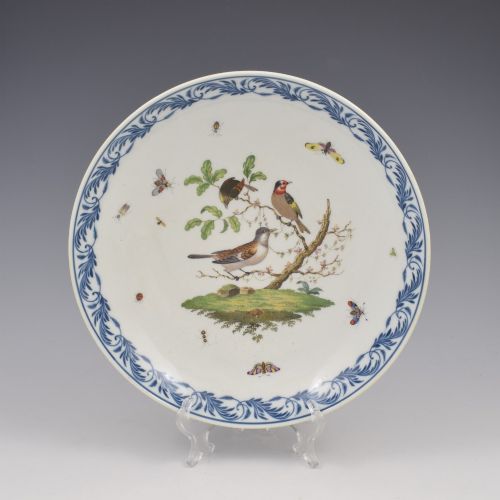
When you search for a meissen ceramic dish, you encounter a variety of forms spanning from the mid-eighteenth century to the early twentieth century. The selection includes cabinet plates, dessert dishes, reticulated plates, square dishes, and larger platters, often featuring intricate hand-painted artwork. These items serve as decorative tableware and display pieces, reflecting the long-standing output of the German porcelain factory.
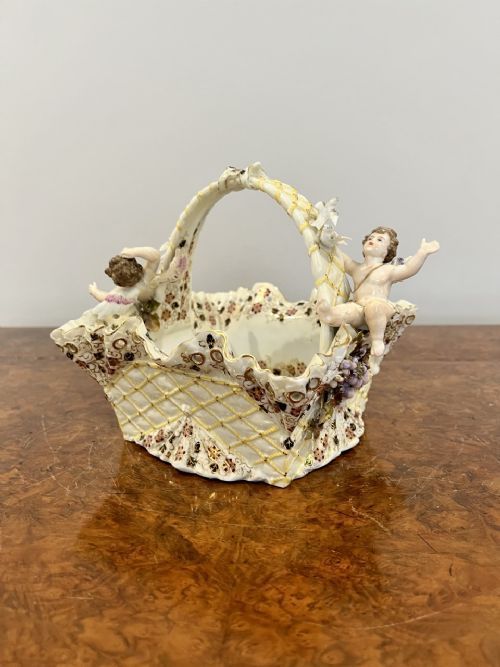
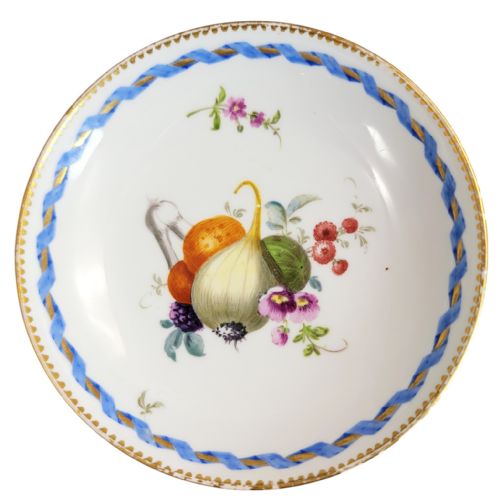
The versions most commonly met on this page include nineteenth-century productions influenced by earlier designs, such as Rococo Revival plates and pieces featuring exotic birds or Watteau scenes. Alongside standard plates, the inventory encompasses specialised forms like work baskets, bonbonniere boxes, and saucers with blue ribbon borders. Each object carries the traditional aesthetic of European hard-paste porcelain manufacture.
How they were made
These items are constructed from hard-paste porcelain, a durable ceramic material fired at high temperatures to achieve a dense and vitreous body. Artisans applied overglaze enamel paints by hand to create detailed pictorial scenes, botanical studies, and ornithological subjects. The surfaces are frequently enhanced with gold leaf and intricate gilding applied to borders and raised motifs.
Techniques varied across periods, incorporating moulded reticulation for openwork baskets and plates alongside smooth surfaces suited for painted reserves. Manufacturers utilised underglaze blue marks, such as the crossed swords, to identify authentic output. The combination of precise moulding, skilled brushwork, and controlled kiln firings defined the production process.
Meissen Ceramic Dish Retail Price Guide 2026
Typical asking prices for meissen ceramic dish among the pieces listed under this phrase on Sellingantiques today, from the lower quarter to the upper quarter. They describe what is for sale here now, not the wider market.
Listings feature hard-paste porcelain forms spanning from the mid-eighteenth century to the early twentieth century, incorporating gold leaf and enamel.
What varies in quality
Preservation of the surface decoration and gilding dictates the desirability of an individual piece. Items retaining crisp enamel colours without rubbing, alongside intact gold leaf on raised borders, represent the higher tier of the range. The integration of distinct motifs, like Watteau scenes or Kakiemon patterns, adds further distinction to the finished object.
Meissen
The Meissen Ceramic Dish Glossary
- Hard-paste porcelain
- A type of ceramic composed of kaolin and petuntse, fired at high temperatures to produce a hard, white, impermeable body. This material forms the durable foundation for traditional European fine porcelain.
- Overglaze enamel
- Decorative pigments applied on top of the fired glaze and subjected to a second, lower-temperature kiln firing. This technique allows for a wide palette of bright colours on finished ceramic surfaces.
- Reticulated
- Describes ceramics featuring openwork patterns formed by cutting or piercing the clay before firing. This decorative technique creates intricate latticework borders on plates and baskets.
- Gilding
- The application of gold leaf or gold powder to ceramic surfaces for decorative emphasis. It is frequently used to highlight moulded scrollwork and rim borders.
- Kakiemon
- A style of Japanese enamelled porcelain decoration adopted by European factories, characterised by asymmetrical floral and animal motifs on a milky white ground. Pieces utilising this style display distinct eastern-inspired colour palettes.
Meissen Ceramic Dish: Frequently Asked Questions
How do I identify a genuine piece?
Authentic items typically feature factory marks, most notably the blue crossed swords painted underneath the glaze, though specific marks varied by period.
Examining the quality of the hand-painted details and the composition of the hard-paste porcelain helps confirm the origin of the object.
Can these dishes be used for food?
While these items were originally created for dining or serving sweetmeats, antique porcelain requires careful handling due to age and delicate overglaze enamels.
Most collectors choose to display them as decorative art rather than incorporating them into daily modern dining routines.
How should I clean antique porcelain?
Dusting with a soft, dry cloth is usually sufficient for routine maintenance of display pieces and cabinet plates.
If washing is necessary, use lukewarm water with mild soap, avoiding harsh scrubbing or abrasive materials that could damage the gold leaf and enamel.