




Meiji Period Enamel Platter
When you handle a meiji period enamel platter, you encounter extraordinary metalwork and ceramic artistry from Japan's nineteenth and early twentieth centuries.
Meiji Period Enamel Platter
A meiji period enamel platter encompasses large decorative chargers, shallow bowls, and plates created during the Japanese Meiji era and late Edo period. These display vessels range from modest plates to massive chargers measuring thirty-six centimetres and above.
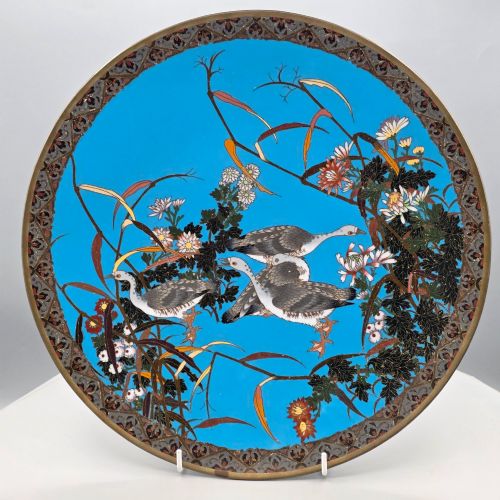
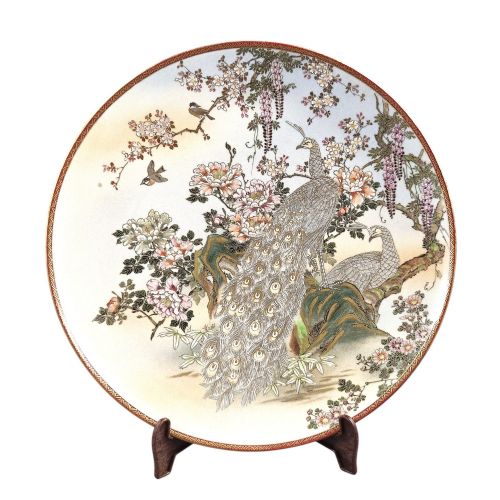
The most common versions met on this page are cloisonne enamel chargers and trays featuring detailed pictorial subjects such as dragons, phoenixes, birds, and natural landscapes. Alongside these metal pieces, ceramic examples like Kutani and Satsuma porcelain chargers appear frequently in the listings.
Materials and construction methods
Many items utilise a copper or brass body combined with cloisonne enamel, where thin metal wires form individual cells filled with coloured glass pastes. These wired designs are fired and polished to create smooth pictorial surfaces depicting natural and mythical scenes.
Alternative pieces employ porcelain bases, including Kutani wares and Totai Shippo examples featuring cloisonne work applied over ceramic or tree bark textures. Signed works often indicate specialised workshops and skilled artisans operating during the period.
Meiji Period Enamel Platter Retail Price Guide 2026
Typical asking prices for meiji period enamel platter among the pieces listed under this phrase on Sellingantiques today, from the lower quarter to the upper quarter. They describe what is for sale here now, not the wider market.
Listings span the nineteenth and early twentieth centuries, encompassing dates from eighteen-sixty through nineteen-ten alongside general nineteenth-century attributions.
Distinguishing quality across the range
Quality rests upon the precision of the wirework and the complexity of the pictorial composition, distinguishing standard decorative production from ambitious masterworks. Finer pieces demonstrate meticulous control over enamel colours and density, particularly in intricate depictions of dragons, feathers, and flora.
The presence of artist signatures, such as Kinkozan or Shozo, and unusual formats like octagonal or square trays signal higher workshop standards. Scale also influences the character of the piece, with larger chargers requiring greater technical command during the firing process.
Kinkozan·Shozo
The Meiji Period Enamel Platter Glossary
- Cloisonne Enamel
- A metalwork technique where thin wires are soldered to a base to create compartments filled with enamel paste and fired. This method defines the majority of decorative chargers on this page.
- Totai Shippo
- Cloisonne enamel applied over a porcelain or ceramic body rather than a metal base. This technique produces textured surfaces such as simulated tree bark.
- Kutani
- Japanese painted porcelain characterised by bold colour palettes and detailed figurative or naturalistic designs. These hand-painted shallow bowls and chargers form a distinct group alongside the metal works.
- Satsuma Moriage
- Japanese pottery decorated with raised enamel dots and gilt detailing to create tactile surface relief. This style appears on large decorative chargers featuring pictorial scenes.
- Charger
- A large decorative plate or shallow dish intended for display rather than table service. These substantial vessels provide a wide canvas for complex Japanese metalwork and ceramics.
Meiji Period Enamel Platter: Frequently Asked Questions
How do I display a large charger?
Large chargers require sturdy plate stands or secure wall-mounting hardware due to their considerable weight and size. Because many pieces measure over thirty centimetres across, adequate physical support is essential.
Position them away from direct sunlight to protect the vibrant enamel colours and delicate surface details over time.
How do I tell cloisonne from Totai Shippo?
Cloisonne enamel is traditionally built upon a copper or brass foundation, giving it a solid metal weight and feel. Totai Shippo instead uses a ceramic or porcelain core beneath the enamel layer.
You can often identify Totai Shippo by examining the exposed base or noticing textured effects like simulated tree bark across the ceramic body.
Are these pieces signed by makers?
Some pieces feature artist signatures or workshop marks stamped or inscribed into the metal base or enamel surface. Signatures associated with makers such as Kinkozan or Shozo occasionally appear on these works.
Unsigned pieces remain common and reflect the extensive output of Japanese studios during the Meiji era.