


Meiji Period Elephant
These meiji period elephant pieces are Japanese works in bronze, ivory, and earthenware that bring dynamic sculptural energy to any room.

Meiji Period Elephant
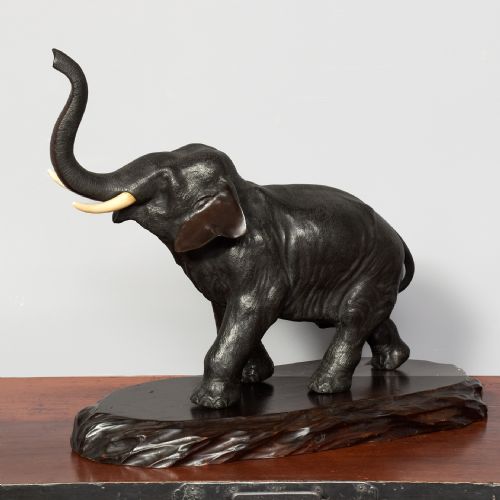
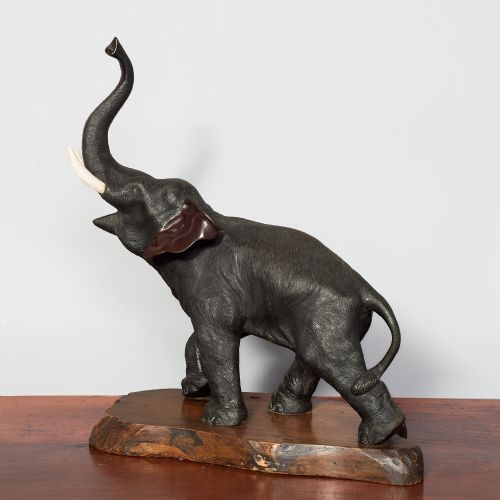
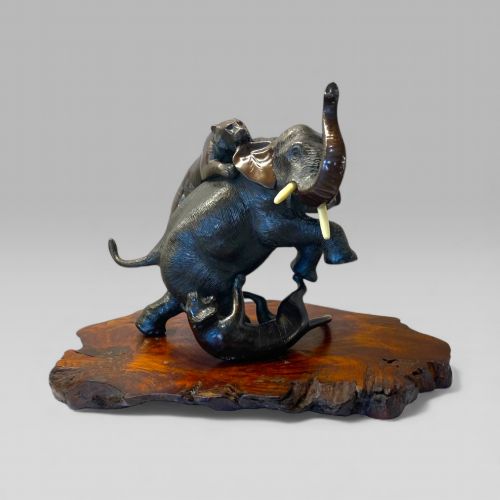
A meiji period elephant typically takes the form of a detailed bronze okimono, an independent decorative sculpture designed for display. These pieces frequently depict the animal alone or engaged in dramatic combat with tigers.
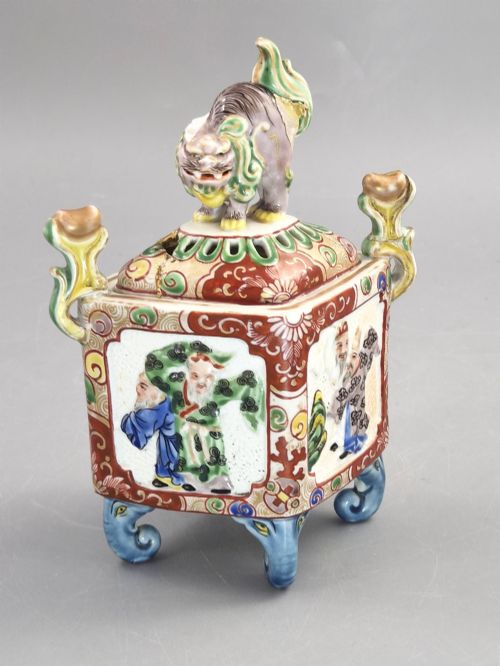
Beyond standalone figures, buyers encounter elephant motifs incorporated into vases, incense burners, jardiniere feet, and table lamps. The sculptures draw upon the artistic output of nineteenth century Japan, spanning the decades from eighteen eighty to nineteen hundred.
Most examples originate from the Meiji era, though occasional Victorian or Edo period cross-influences appear in the broader records. Collectors find both compact desk items and large floor-standing figures among the available selections.
How They Were Made
Bronze serves as the primary medium, shaped through traditional casting methods that capture skin wrinkles, muscle tension, and individual hairs. Artisans often applied rich patinas ranging from deep brown to black, sometimes accentuating details with gold leaf or mixed metals.
Materials across these listings span bronze, bone, enamel, ivory, wood, earthenware, gold leaf, and porcelain.
What Varies in Quality
Quality rests in the anatomical precision of the carving and the subtlety of the bronze patination. Superior sculptures capture complex motion, such as the tension in a tiger group, through masterly composition rather than stiff symmetry.
Signatures and foundry marks from notable makers separate standard commercial export items from workshop pieces created by recognised artists. The finesse of applied details, from diamond eyes to intricate incised bases, determines the standing of each piece.
Genryusai Seiya·Maruki Company·Kizan·Tsunemitsu·Shukohiro
The Meiji Period Elephant Glossary
- Okimono
- A Japanese freestanding decorative sculpture designed for display on a shelf or cabinet. These objects range from small ivory carvings to large bronze animal figures.
- Koro
- A traditional Japanese incense burner typically featuring a pierced lid for the release of smoke. They often rest on decorative supports such as elephant head feet.
- Patina
- The surface coloration and sheen developed on bronze through age or chemical treatment. Artisans deliberately altered these tones to enhance the sculptural depth.
- Satsuma
- A style of Japanese earthenware characterised by a pale, ivory-coloured cracked glaze decorated with polychrome enamels and gilding. These pieces sometimes feature elephant handles or crests.
- Jardiniere
- A large decorative ceramic or metal pot designed to hold a plant or floral arrangement. These heavy vessels often incorporate sculptural handles or feet.
Meiji Period Elephant: Frequently Asked Questions
Are these bronze elephants solid or hollow?
Most bronze figures from this period are cast using the lost-wax method as hollow vessels to manage weight and metal usage. The thickness of the bronze varies across different workshops and scales of production.
Larger okimono still possess substantial weight despite their hollow construction, requiring sturdy display surfaces. Interior cavities sometimes reveal residual core material from the original casting process.
How do I identify a signed piece?
signatures and foundry marks generally appear incised into the underside or onto a naturalistic base of the bronze or ceramic body. These characters identify the individual artist or the commercial workshop responsible for the casting.
Not every piece carries a signature, as many export items left workshops unmarked. Translating the characters usually reveals the specific maker or the producing company from the era.
Why are tigers often shown with the elephant?
The motif of tigers confronting an elephant reflects popular wildlife themes and artistic displays of raw power during the period. Japanese metalworkers utilised the dramatic contrast in size and strength to create tension within the composition.
These group sculptures allowed artists to demonstrate advanced technical skill in interlocking multiple figures. The struggle scene remains one of the most recognisable sculptural tropes from the era.
How should I clean a bronze elephant?
Maintenance requires only gentle dusting with a soft, dry cloth to prevent the accumulation of particles in the textured surface. Moisture and chemical polishes will damage the historical patina built up on the metal.
Preserving the original surface finish protects the character and historical integrity of the bronze. Professional conservation should be sought only if structural intervention becomes necessary.