


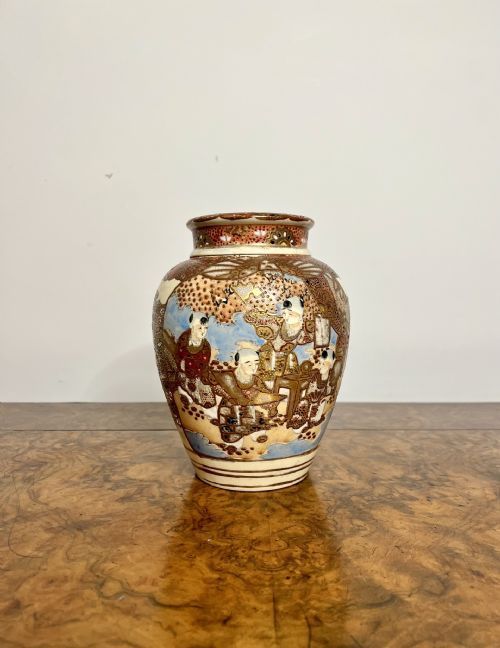
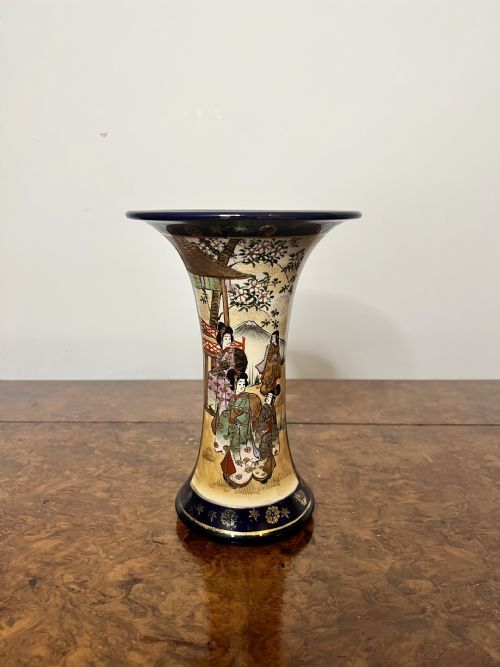
Meiji Period Earthenware
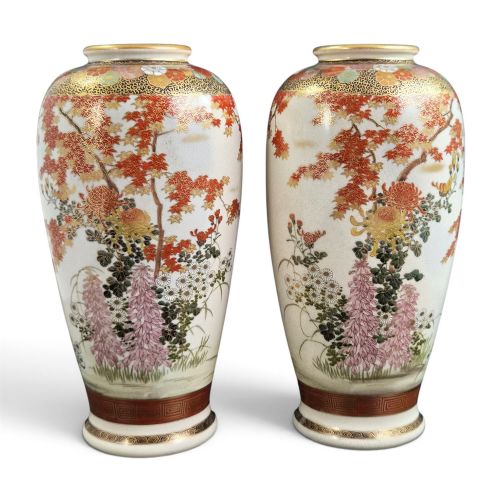
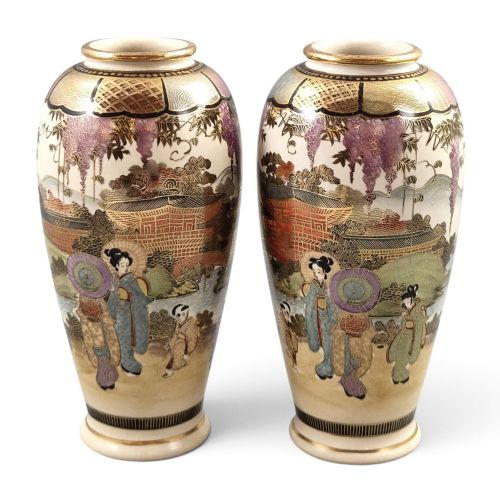
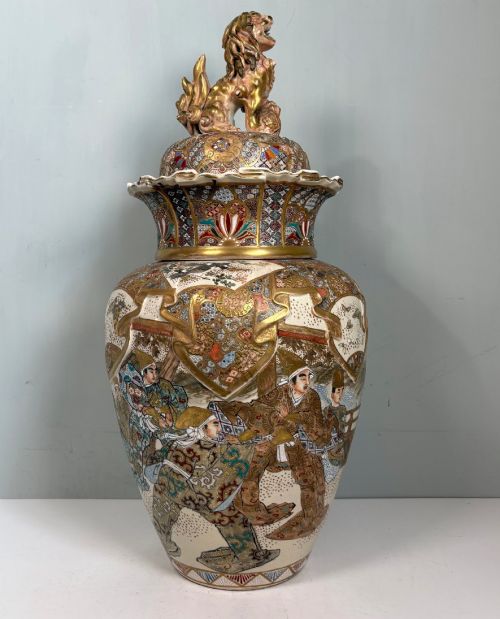
These pieces of meiji period earthenware bring intricate hand-painted detail and layered gilding into a room.
Meiji Period Earthenware
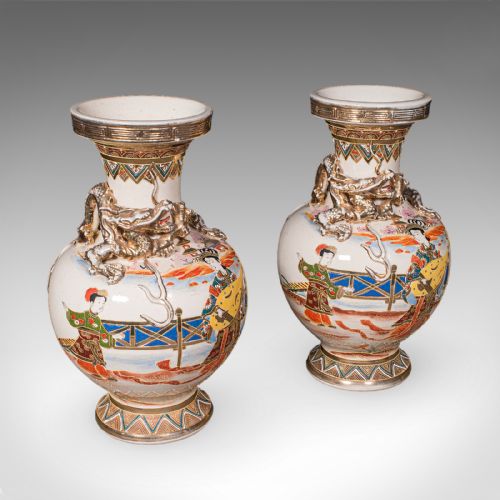
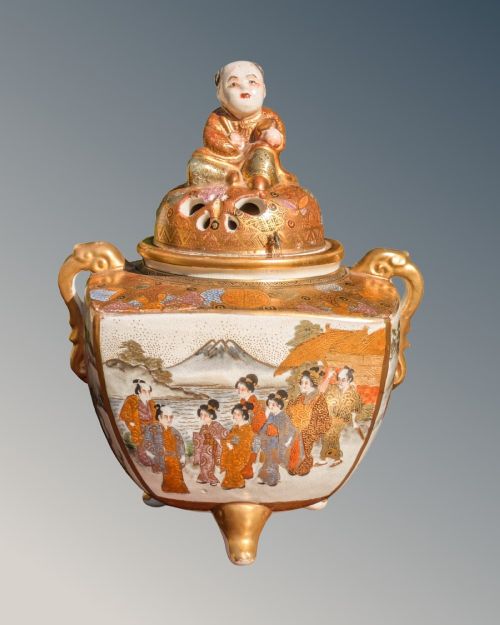
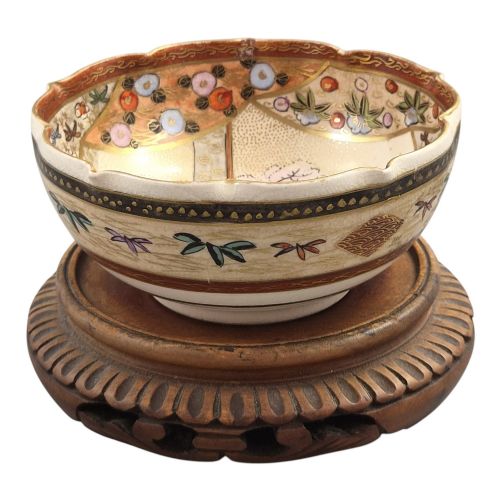
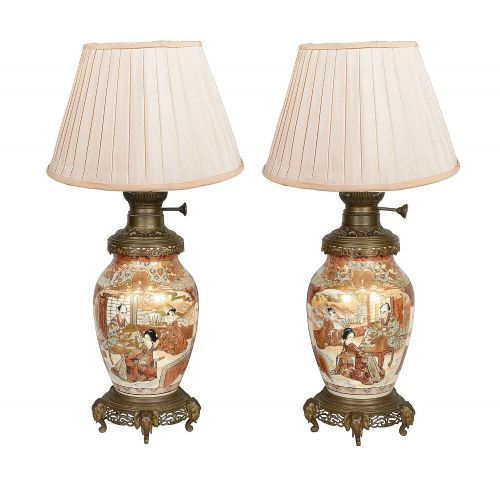
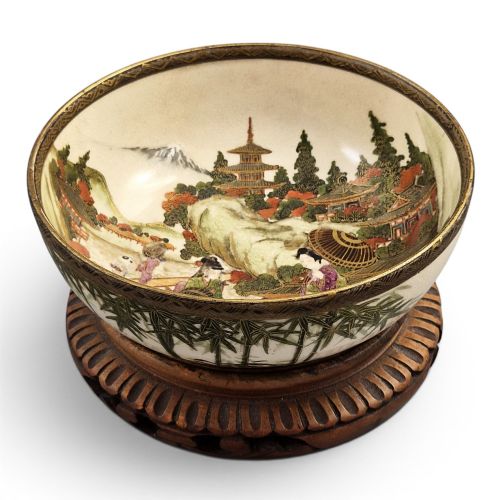
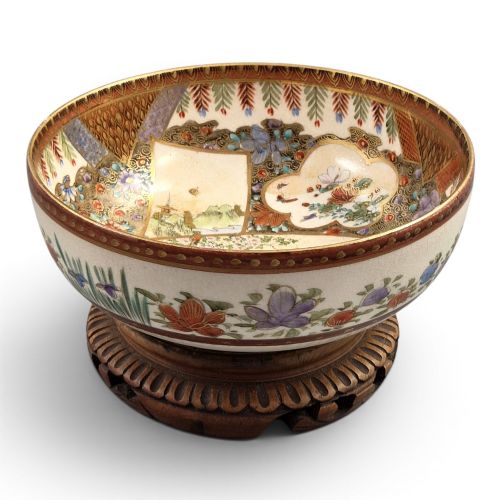
When searching for meiji period earthenware, collectors examine vessels created in Japan during the late nineteenth and early twentieth centuries. The form most commonly encountered on this page is the Satsuma vase, alongside decorative bowls, ginger jars, and incense burners.
These items originate predominantly from the Meiji era, extending into the late Victorian and Edwardian periods as well as the transition towards the Taishō period. Makers such as Kinkōzan, Yabu Kozan, and Inoue Ryōsai produced works that define the aesthetic of these ceramics.
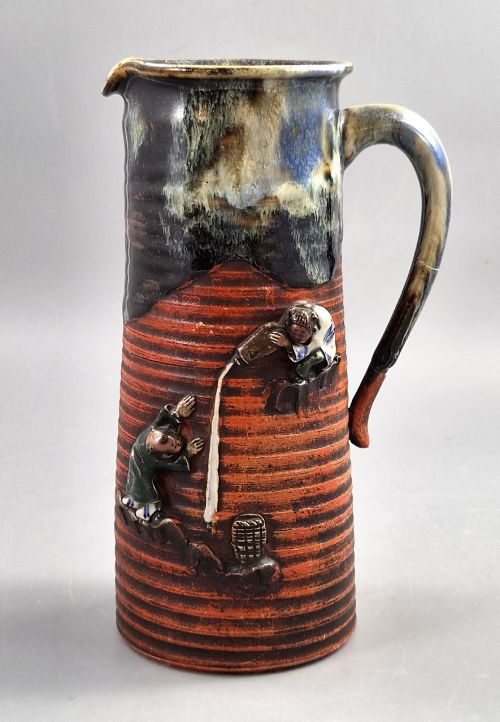
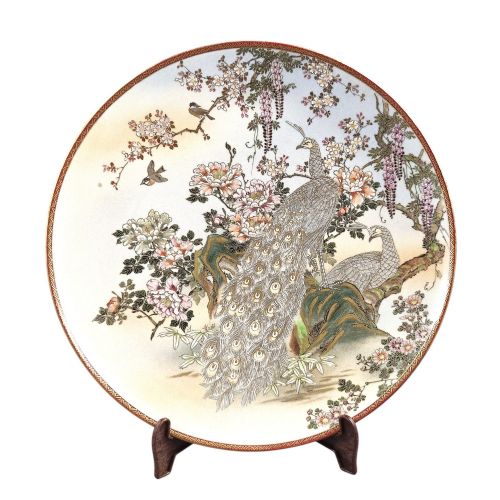
The objects span varied scales, from tall baluster vases and large chargers down to miniature vases and small bowls. Forms also include pitchers, mugs, and shaped boxes, reflecting the diverse output of Japanese kilns during this time.
How they were made
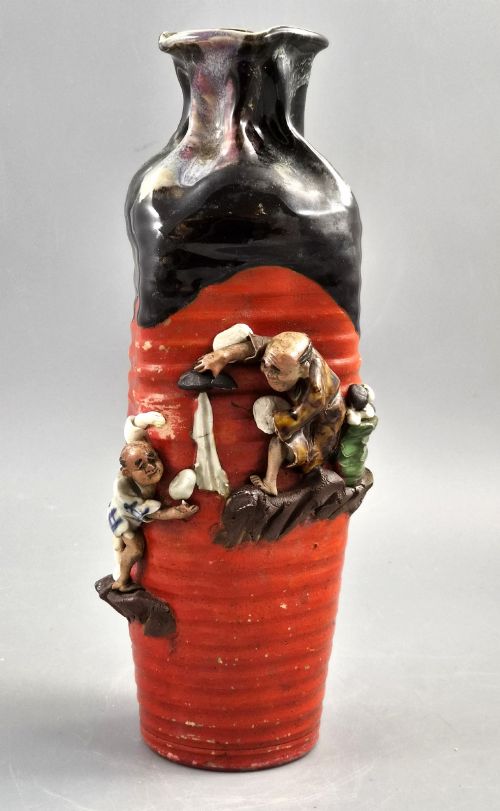
The construction relies on earthenware and terracotta bodies shaped into vessels, bowls, and figures. Potters often applied distinct coloured glazes and textured moriage work to build relief details across the surface.
Decoration incorporates detailed enamel painting combined with gold leaf and gilt highlights. Workshops utilised precise brushwork to depict court figures, dragons, floral motifs, and landscapes across the ceramic canvas.
Listings feature 19th-century and early 20th-century pieces, spanning the Victorian, Edwardian, Meiji, and Taishō periods.
What varies in quality
The standard of painting determines the tier of a piece, distinguishing tightly controlled figural and floral scenes from simpler decoration. Master workshops achieved remarkable precision in miniature details such as faces, robes, and thousand-butterfly patterns.
The application of moriage and the integration of gold leaf dictate the visual depth of the object. Heavier, more refined use of gilding alongside finely potted ceramic bodies separates master-signed pieces from standard production wares.
Kinkōzan Workshop·Makuzu Kozan II·Inoue Ryōsai Workshop·Hotoda
The Meiji Period Earthenware Glossary
- Satsuma
- A type of Japanese earthenware with a pale, ivory-coloured, crackle glaze that served as the primary canvas for elaborate enamel and gilt decoration.
- Moriage
- A decorative technique where slip is piped onto the ceramic surface in raised dots or lines to create tangible relief before glazing and painting.
- Koro
- A traditional Japanese incense burner, typically supported on legs and fitted with a pierced cover.
- Natsume
- A small tea caddy used in Japanese tea ceremonies, often taking a rounded shape.
- Arhat
- Sages or spiritual adepts depicted frequently in Japanese art, known also as Rakan.
Meiji Period Earthenware: Frequently Asked Questions
What is Satsuma ware?
Satsuma ware is a specific style of Japanese earthenware featuring a characteristic crackled ivory glaze. Artisans painted these surfaces extensively with polychrome enamels and gold.
Originally produced in Satsuma Province, the style expanded to major artistic centres like Kyoto during the Meiji period, where workshops refined the delicate figural and floral compositions seen on vases and bowls.
How do I identify Meiji period pieces?
Identification relies on observing the combination of earthenware bodies, finely painted enamel designs, and extensive gilding typical of the late nineteenth and early twentieth centuries. Many pieces carry artist signatures or workshop marks on the base.
The aesthetic blends traditional Japanese iconography, such as court figures and dragons, with production scales influenced by export demands to Western markets during the Meiji and Taishō eras.
How should I display these items?
Displaying these ceramics involves placing them on stable surfaces away from direct, harsh sunlight to protect the delicate enamel and gold leaf details. Vases and bowls function well as standalone focal points in a room.
Because the earthenware bodies and crackle glazes can be sensitive, handling requires care to avoid impacts to the raised moriage work and fine rims.