




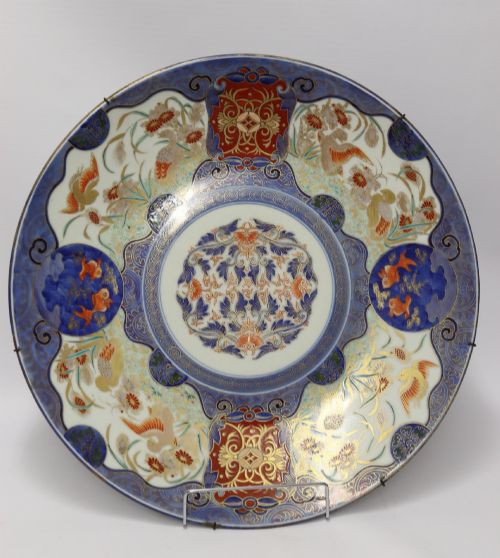
Meiji Period Dish
A meiji period dish brings intricate hand painting and metalwork into the home, offering collectors a tangible piece of late nineteenth and early twentieth century Japanese craftsmanship.
Meiji Period Dish
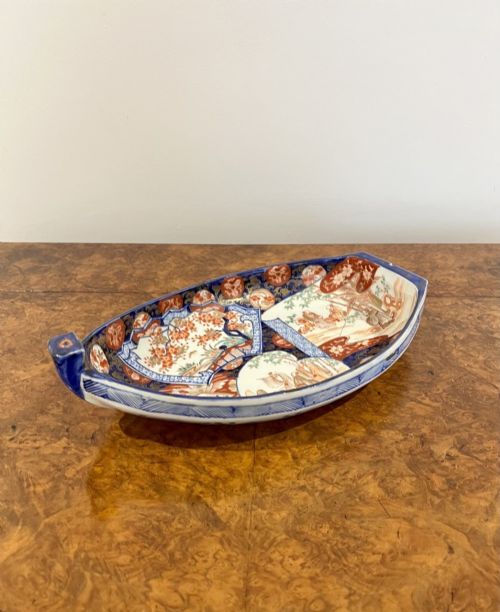
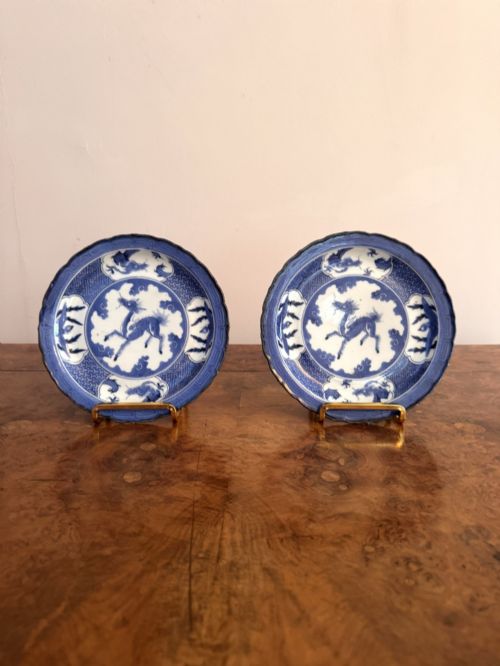
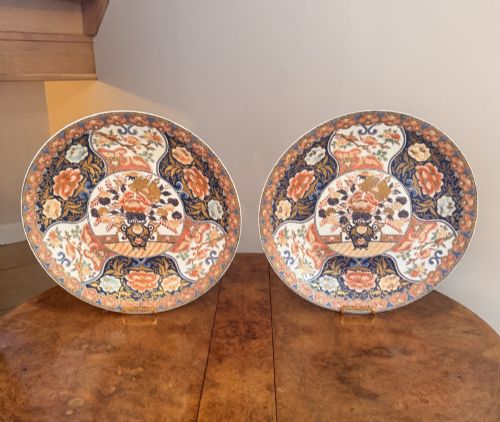
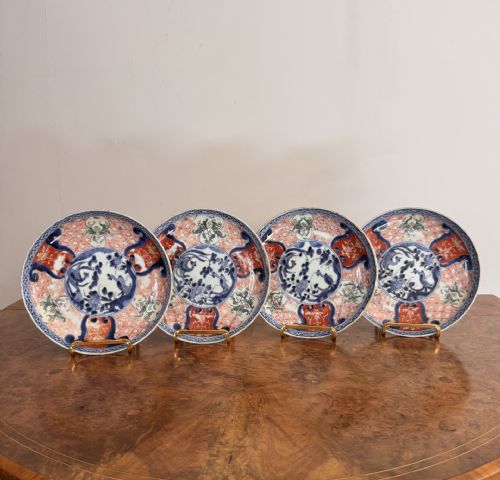
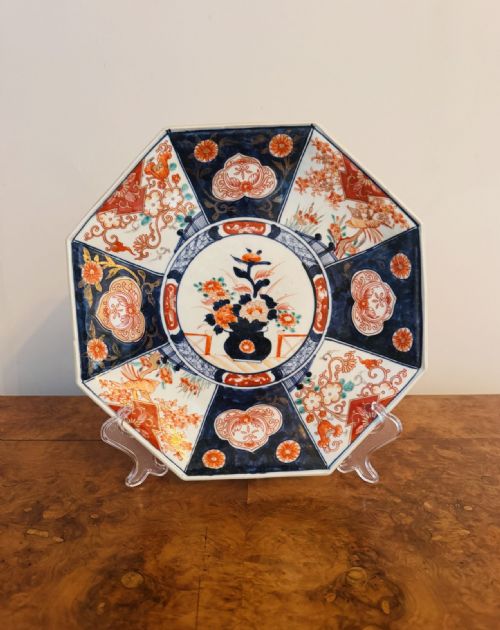
A meiji period dish encompasses decorative plates, chargers, bowls and trays created during the empire spanning from 1868 to 1912. The items on this page span forms from hexagonal and square plates to leaf and fish shapes, alongside traditional round vessels.
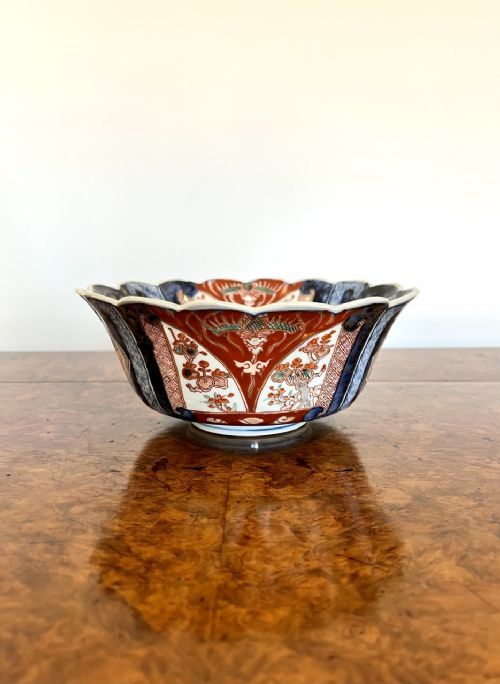
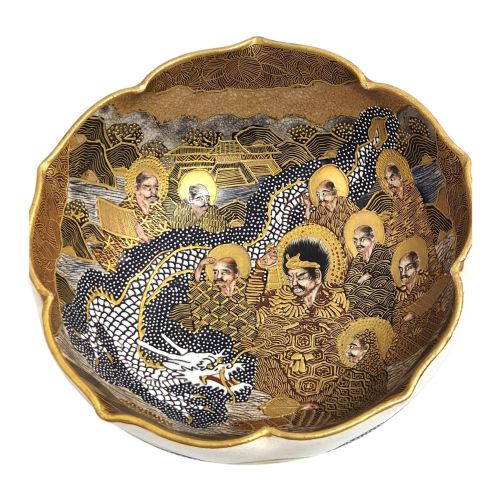
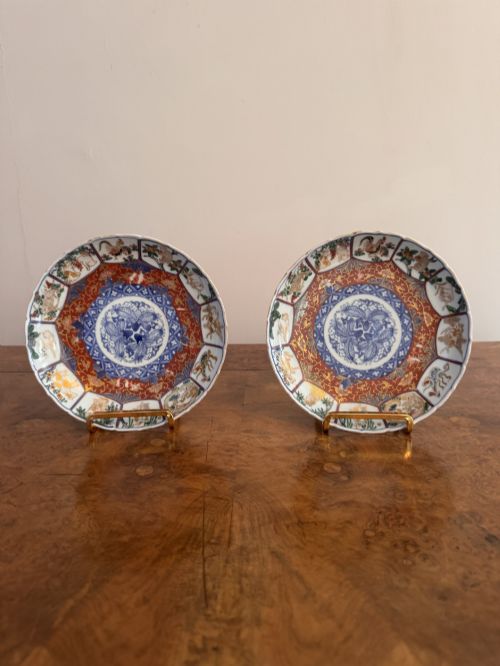
Most examples found here originate from Japanese Imari and Arita traditions, alongside Satsuma earthenware and cloisonne enamel works. These pieces served as decorative display items, trinket holders and functional vessels during a time of significant artistic output for export.
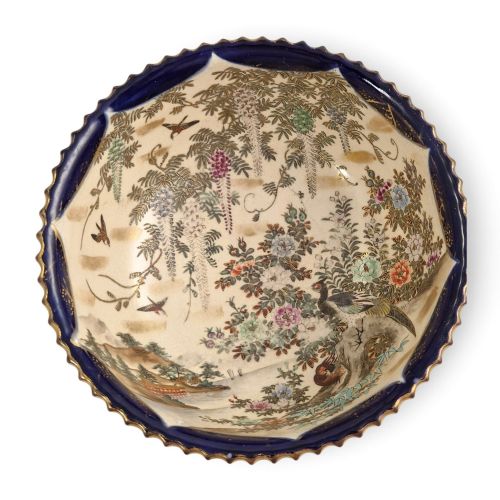
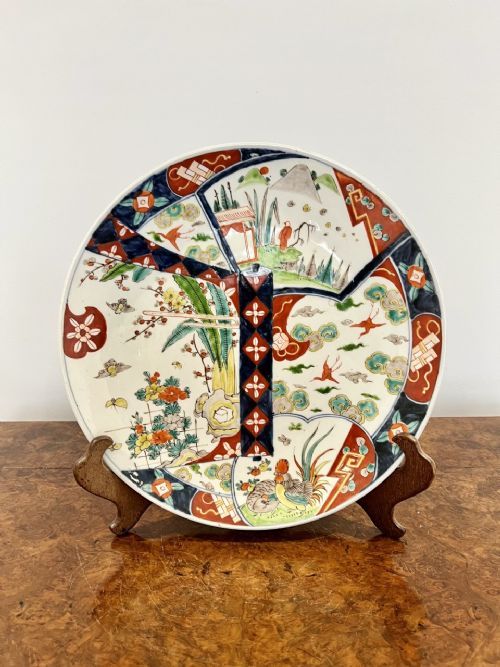
The selection ranges from small sets of matching plates to large chargers adorned with birds, flowers and traditional motifs. Pieces often date from the 1880s through to the early decades of the twentieth century.
Materials and construction
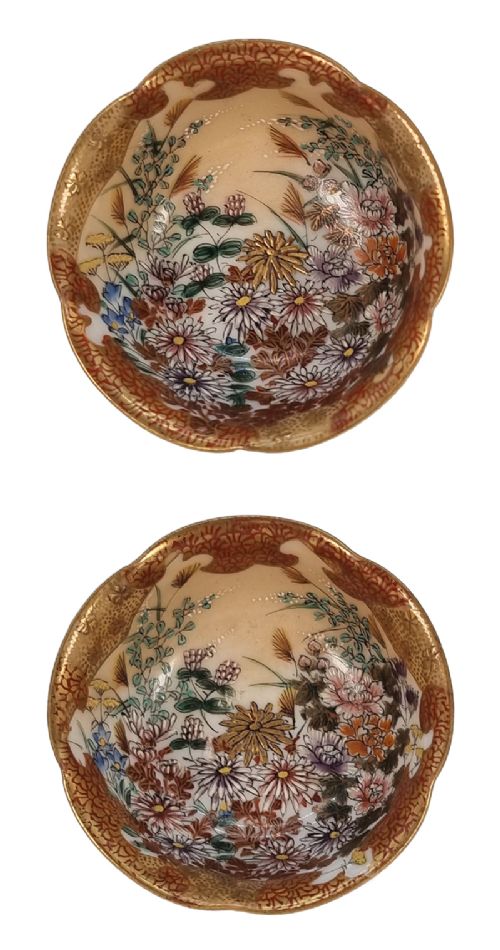
Porcelain and earthenware form the core of ceramic vessels, decorated with hand painted glazes, enamels and occasional gold leaf. Potters shaped plates into scallops, shells and geometric outlines using traditional moulds and wheel throwing techniques.
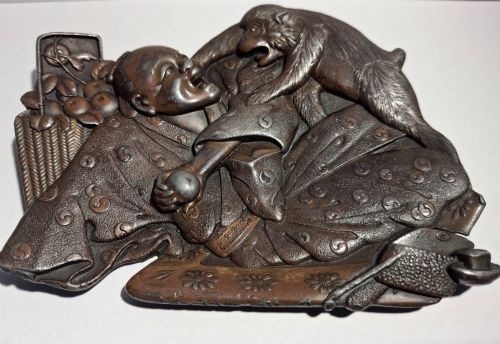
Metal vessels utilise bronze, copper and brass, frequently enhanced with takazogan appliqué or patinated finishes. Cloisonne examples employ fine wirework cells filled with coloured enamel pastes and fired multiple times to achieve detailed pictorial scenes of geese, flowers and frogs.
Meiji Period Dish Retail Price Guide 2026
Typical asking prices for meiji period dish among the pieces listed under this phrase on Sellingantiques today, from the lower quarter to the upper quarter. They describe what is for sale here now, not the wider market.
Frogs, geese and butterflies frequently interrupt the floral displays on these chargers, proving that nineteenth century artisans enjoyed adding unexpected wildlife.
Assessing craftsmanship and execution
Quality rests in the precision of the hand painting and the complexity of the surface decoration. Fine examples display crisp outlines, controlled pigment application and balanced compositions across complex shapes like hexagonal plates or fish forms.
Material application distinguishes standard production from superior output, particularly in the depth of enamel layers on cloisonne chargers and the delicacy of moriage relief work on Satsuma bowls. The clarity of metal patination and the neatness of wire inlay further separate differing tiers of manufacture.
Shozo·Koshida
The Meiji Period Dish Glossary
- Imari
- A style of Japanese porcelain featuring a distinct palette of underglaze blue, iron red and gold, named after the port from which it was shipped.
- Satsuma
- A type of earthenware originating from the Satsuma province, characterised by a crackled ivory glaze and detailed polychrome enamel painting.
- Cloisonne
- A decorative metalwork technique where flat metal wires are soldered to a base to form compartments filled with enamel paste.
- Charger
- A large decorative plate intended for display on a wall or sideboard rather than for dining use.
- Moriage
- A ceramic decorating technique where slip is piped onto the surface in raised dots or lines to create texture before glazing and firing.
Meiji Period Dish: Frequently Asked Questions
How were these dishes used historically?
Many large chargers and plates were made specifically for export to Western markets during the late nineteenth century, serving primarily as decorative display pieces in parlours and dining rooms. Smaller dishes and trays functioned as trinket holders, serving vessels or part of matching sets for sake and tea.
Over time, the role of these objects shifted from functional items to collected works of art. Their intricate pictorial designs depicting nature, birds and landscapes made them popular centrepieces for interior decoration.
How do I care for a ceramic or enamel dish?
Ceramic and enamel surfaces require gentle handling to preserve their hand painted details and delicate glazes. Dusting with a soft, dry cloth is usually sufficient for routine maintenance.
Avoid using harsh chemical cleaners, abrasive sponges or immersion in water, particularly for pieces with exposed metal elements or gold leaf. Displaying items away from direct sunlight helps prevent the fading of painted enamels.
How can I tell the period of a piece?
Dating relies on stylistic markers, manufacturing techniques and recorded signatures or marks on the base of the ceramic or metalwork. The integration of traditional Japanese motifs with the production methods of the late nineteenth century helps anchor pieces within this era.
Variations in glaze formulation, the weight of the metal used in cloisonne and the evolution of export marks provide additional clues for determining whether a vessel dates to the earlier or later decades of production.