


Meiji Period Cloisonne Plate
When you search for a meiji period cloisonne plate, you enter a world of intricate metalwork and vibrant enamels created in Japan during the late nineteenth century.
Meiji Period Cloisonne Plate
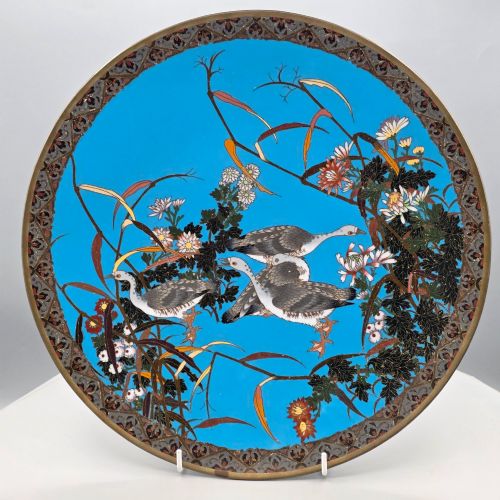
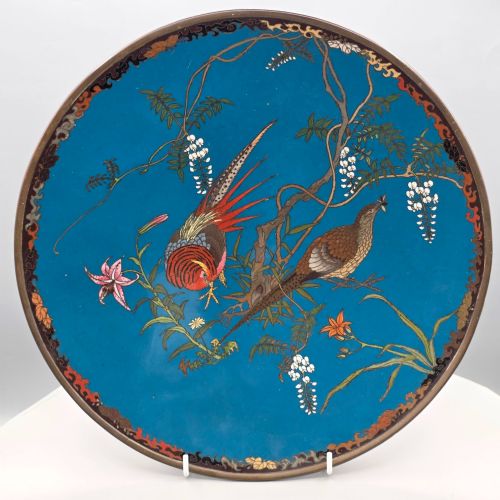
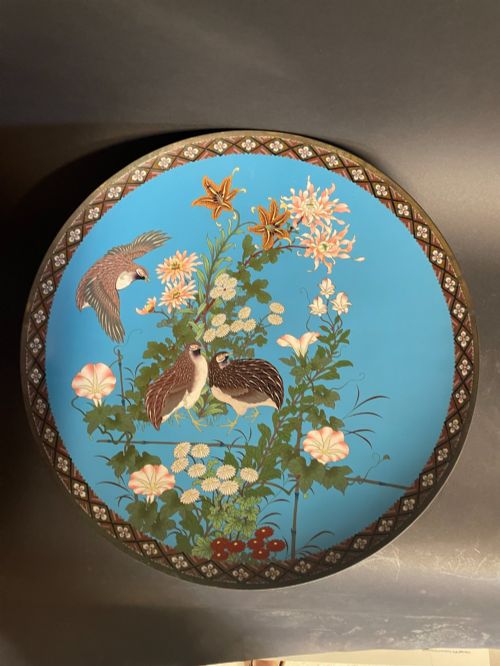
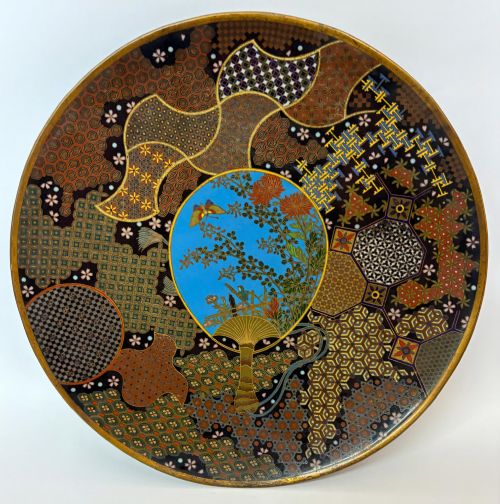
A meiji period cloisonne plate encompasses decorative chargers, dishes, trays, and plaques produced in Japan across the late nineteenth and early twentieth centuries. These vessels display considerable variation in scale, ranging from small medium plates to huge decorative chargers measuring over forty centimetres across. The forms include standard circular plates as well as octagonal and square trays, alongside unusual porcelain bodies covered in enamel.
The decorative subjects found on these pieces draw heavily from traditional Japanese motifs, depicting nature, mythology, and historic figures. Common natural representations feature birds such as cranes, ibis, owls, and ho-o birds, alongside flowering plants, landscapes, and fish like leaping koi. Mythological subjects appear frequently in the form of dragons, samurai, demons, and auspicious symbols, while occasional examples portray figures such as Buddhas.
Materials and Technique
The construction of a meiji period cloisonne plate begins with a metal or porcelain base, with copper, brass, bronze, and porcelain serving as the primary structural materials. Thin wire, typically brass wire, is bent and soldered onto the surface to outline the intricate design cells that form the pictorial composition. These metal partitions create the compartments which will later hold the coloured vitreous pastes.
Enamel is packed into the individual wire cells before the piece undergoes firing in a kiln to fuse the vitreous material to the foundation. Following the firing process, the surface undergoes extensive grinding and polishing to achieve a smooth finish where the metal wire outlines remain flush with the hardened enamel. Certain variations utilise porcelain foundations, known as totai shippo, incorporating textural elements like tree bark effects or cinnabar lacquer into the design.
Among the creatures immortalised in wire and enamel, a solitary frog shares space with butterflies and chrysanthemums.
Distinguishing Quality
The refinement of the wirework stands as a primary indicator of quality, with finer, more complex partitioning separating superior pieces from simpler productions. The precision of the enamel firing and subsequent polishing also dictates the visual appeal, where evenly filled cells and a smooth, unblemished surface denote skilled execution. Furthermore, the complexity and detail of the pictorial composition, from elaborate dragon scales to nuanced feather patterns, reflect the hand of a master workshop.
Signatures found on specific plates provide an additional indicator of distinction, linking physical examples to known makers such as Kinkozan. Pieces that display unusual structural forms, such as octagonal trays or large square plaques, often represent more ambitious manufacturing efforts than standard circular dishes. The integration of specialised techniques like totai shippo or pictorial narrative depth further elevates the status of individual objects within the wider field.
Kinkozan
The Meiji Period Cloisonne Plate Glossary
- Cloisonne Enamel
- A decorative metalwork technique where fine wire is soldered to a base to form cells that are filled with vitreous paste and fired. This method creates detailed pictorial surfaces defined by thin metal outlines.
- Charger
- A large decorative plate intended for display rather than utility. These sizable vessels provide an expansive canvas for complex enamel compositions.
- Totai Shippo
- A variation of cloisonne where enamel is applied to a porcelain body rather than metal. This technique often incorporates textured effects resembling tree bark beneath the enamel layer.
- Ho-o Bird
- A mythical phoenix motif frequently depicted in Japanese art. It symbolizes virtue and grace, appearing widely across nineteenth-century metalwork.
- Mon
- A traditional Japanese heraldic emblem or badge. These circular crests are often incorporated into the decorative borders of plates and chargers.
- Wire
- The thin metal strip used to create the cellular boundaries on a cloisonne surface. Brass wire is standard for outlining the intricate details of the design.
Meiji Period Cloisonne Plate: Frequently Asked Questions
How were these plates used?
These pieces served primarily as decorative items for display within interiors rather than for serving food or practical use. Their detailed enamelled surfaces made them desirable ornamental objects for collectors.
Larger chargers were typically exhibited on stands or hung upon walls to showcase their intricate pictorial designs. Smaller trays and plates functioned as tabletop display pieces in domestic settings.
What is totai shippo?
Totai shippo refers to a specialised technique where enamel is applied over a porcelain body rather than the usual copper or brass foundation. This method allowed makers to combine ceramic forms with traditional wirework.
Examples utilising this method often feature textured surfaces, such as simulated tree bark, beneath the translucent enamel layers. These pieces represent a distinct variation within nineteenth-century Japanese enamel production.
How do I identify the period?
Identifying the period involves examining the stylistic characteristics, materials, and manufacturing techniques typical of late nineteenth-century Japanese production. Pieces from this era often display specific naturalistic motifs and distinctive wirework.
Signed examples and particular structural forms can help narrow down the date of manufacture. Comparing the colour palette and subject matter to dated pieces assists in determining age.
What motifs appear on them?
The decorative subjects draw extensively from traditional Japanese art, featuring a wide array of animals, plants, and mythological figures. Common representations include dragons, phoenixes, birds, and floral arrangements.
More elaborate examples depict narrative scenes involving samurai, demons, or historic figures alongside symbolic elements. These varied compositions reflect the artistic interests of the Meiji era.