




Meiji Metalwork Sculpture
Meiji metalwork sculpture brings master-crafted Japanese bronze, mixed metal, and iron figures into your home with extraordinary detail.
Meiji Metalwork Sculpture
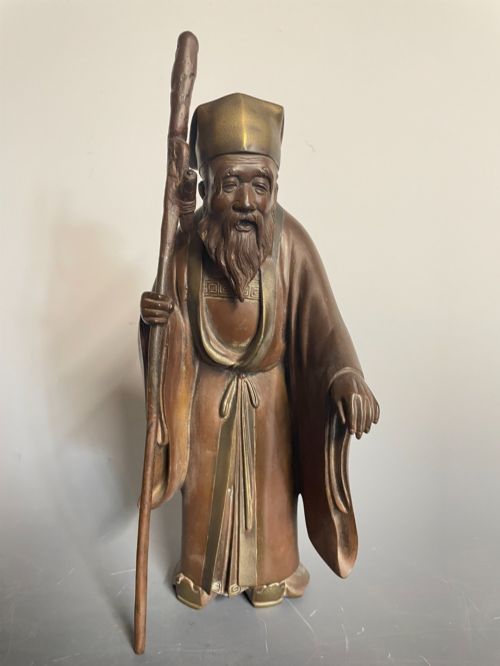
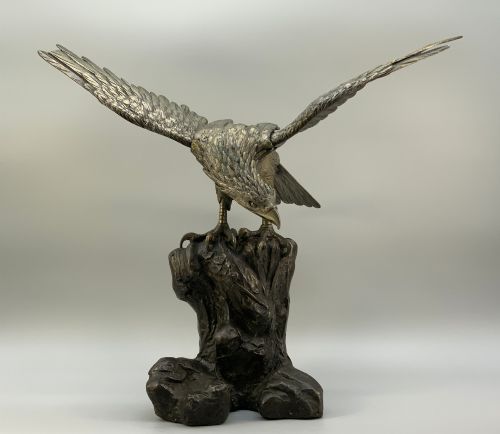
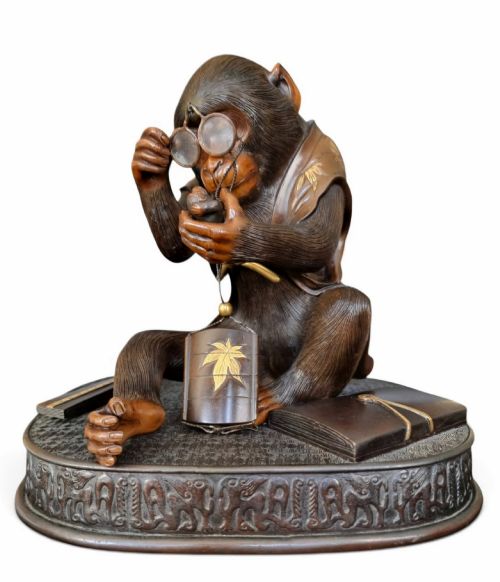
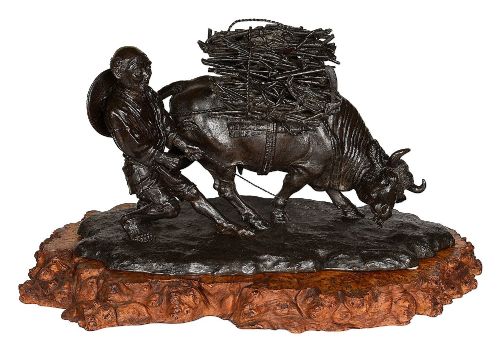
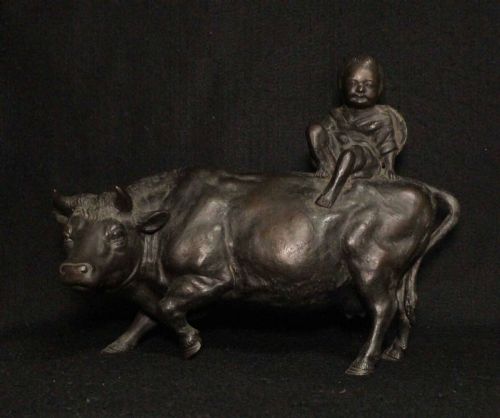
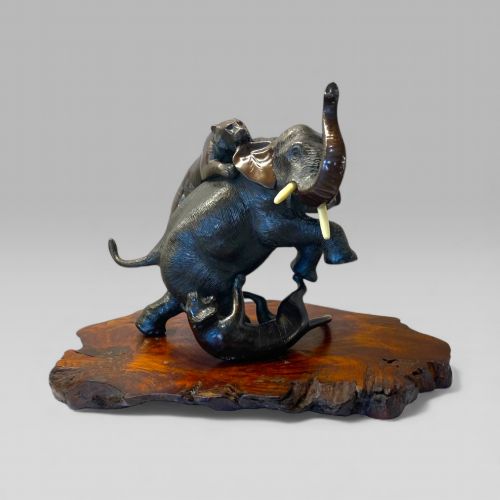
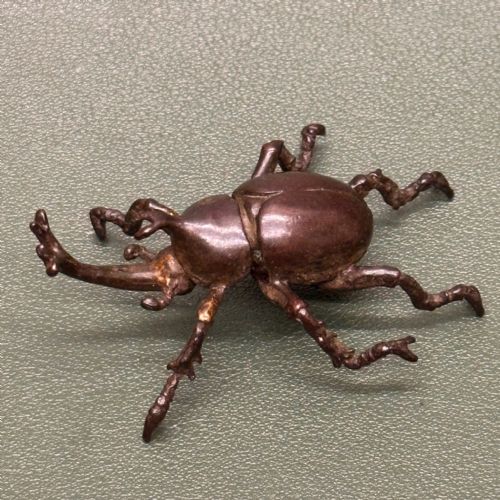
When you search for meiji metalwork sculpture, you encounter intricate okimono, vases, and garden figures originating from Japan during the late nineteenth and early twentieth centuries. These works range from small, lifelike depictions of animals like eagles, monkeys, and beetles to large garden statuary and human figures such as geisha and scholars.
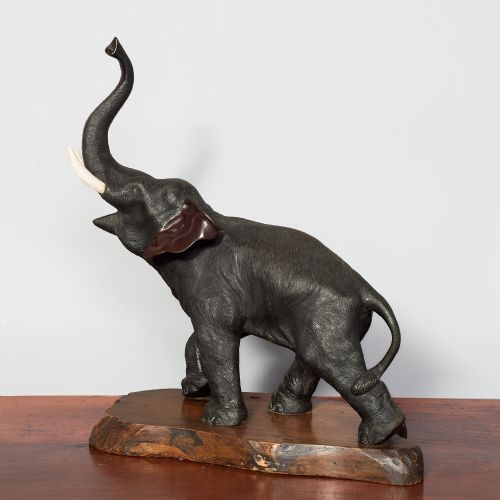
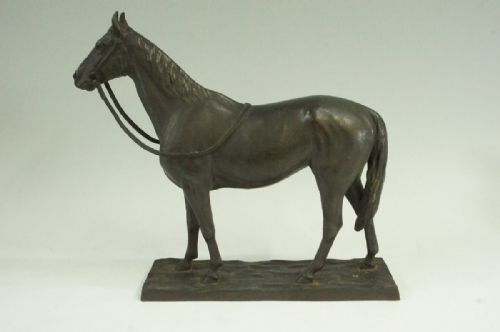
The objects most frequently met on this page are bronze and patinated bronze okimono modelled as animals, often enhanced with gold inlay, bone, wood, or stone. Makers utilised mixed metals to create realistic textures, from bird feathers to the rough skin of elephants.
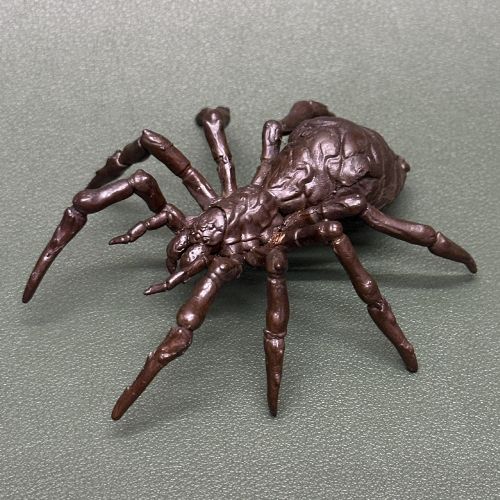
Pieces span several decades of production, incorporating styles designated under the Japanese Meiji period. Whether small tabletop spiders or lifesize geese, each piece reflects the meticulous eye of Japanese metalworkers working in bronze and iron.
Materials and construction methods
Craftsmen worked primarily with bronze, patinated bronze, and iron, often incorporating mixed metal elements, gold inlay, bone, and stone details. Sculptors cast animals and figures using traditional techniques, frequently articulating limbs or applying patination to achieve realistic colouration.
Many items incorporate supplementary materials like wood bases, ivory tusks, or diamond eyes to heighten the naturalism of birds, elephants, and primates. Foundries utilised specialised casting methods to produce detailed surfaces on pieces ranging from small insects to large garden bridges.
Listings include bronze, patinated bronze, iron, mixed metal, and wood objects spanning the period from 1870 to 1930.
Distinguishing quality in these sculptures
Quality rests in the precision of the casting and the refinement of the surface patination, particularly in how effectively the metal mimics feathers, fur, or carapace. Superior examples display subtle tonal variations in the patinated bronze and secure integration of mixed metal inlay.
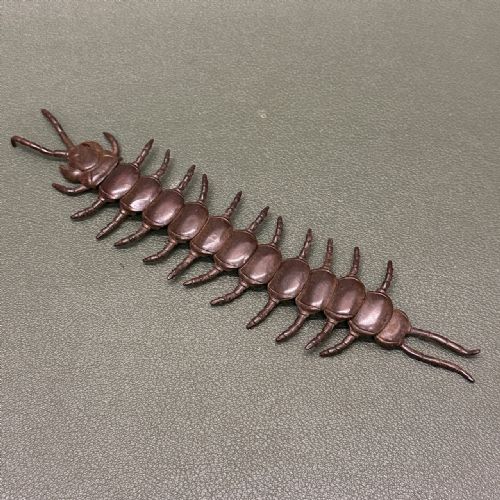
The naturalism of the posture and the complexity of the subject, such as articulated joints in centipedes or dynamic tension in animal fights, set finer works apart from standard production. Signed pieces associated with notable artists or foundries demonstrate heightened mastery in sculptural proportion and detail.
Jomi Eisuke·Kunio Itô·Sakai Kōzan·Unno Shomin·Genryusai Seiya·Gyoko
The Meiji Metalwork Sculpture Glossary
- Okimono
- A Japanese ornamental statue or object for display, typically placed in a traditional alcove or room. These freestanding sculptures often depict animals, figures, or mythical creatures.
- Patinated bronze
- Bronze that has been chemically treated to alter its surface colour, producing rich brown, black, or green tones. This technique enhances depth and texture in animal and human figures.
- Mixed metal
- An alloy combination or the simultaneous use of different metals like copper, silver, and gold within a single object. This method creates contrasting visual details in Meiji metalwork.
- Shakudo
- A Japanese billon of copper with a small percentage of gold, treated to develop a dark purple-black patination. It appears frequently in decorative elements and highlights.
- Foundry
- A workshop or establishment where metal is cast into moulds. Tokyo foundries and specific makers produced many of the signed sculptures found in this category.
Meiji Metalwork Sculpture: Frequently Asked Questions
What is an okimono?
An okimono is a decorative Japanese sculpture designed for display in a domestic setting rather than for religious use. These pieces celebrate natural forms, folklore, and everyday life.
They range from miniature animal carvings to large bronze figures meant for gardens or reception rooms.
How do I care for bronze sculpture?
Bronze requires minimal maintenance, needing only gentle dusting with a soft, dry cloth to prevent the accumulation of grit. Avoid using chemical polishes, which can strip the patinated surface.
Keep pieces away from direct moisture and extreme temperature fluctuations to preserve the metal and any mixed media elements.
Are these pieces signed?
Many Meiji metalwork sculptures feature signatures or foundry marks stamped or engraved into the metal base or underside. These signatures identify the artist or the workshop responsible for the casting.
Unsigned pieces remain common, often reflecting workshop production rather than an individual master.
What subjects are most common?
Animals dominate the subject matter, including elephants, birds of prey, eagles, monkeys, and insects such as beetles and spiders. Human figures, including geisha, scholars, and Oni demons, also appear frequently.
Architectural elements like garden bridges and vessels such as vases round out the available forms.