












Meiji Japanese Porcelain
Meiji japanese porcelain brings the confident brushwork and rich palette of late nineteenth century studios directly into modern rooms.
Meiji Japanese Porcelain
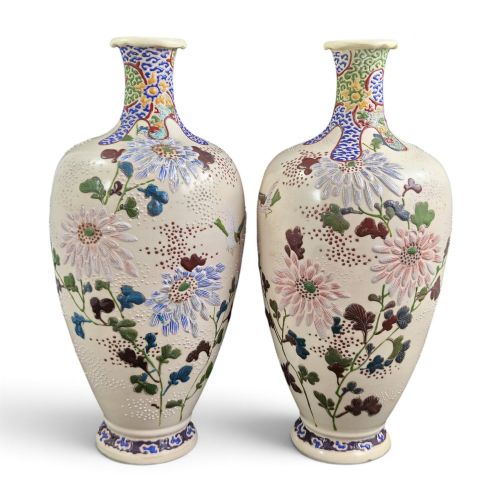
When searching for meiji japanese porcelain, buyers encounter a diverse array of decorative vessels and tableware produced during a period of rapid artistic expansion. The selection spans utilitarian forms transformed into art, including large floor-standing vases, chargers, lidded jars, and table lamps.
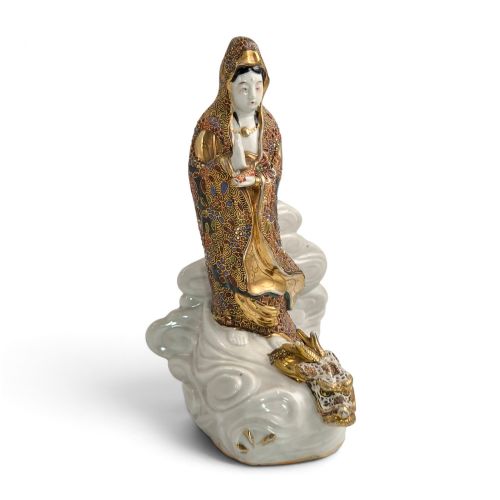
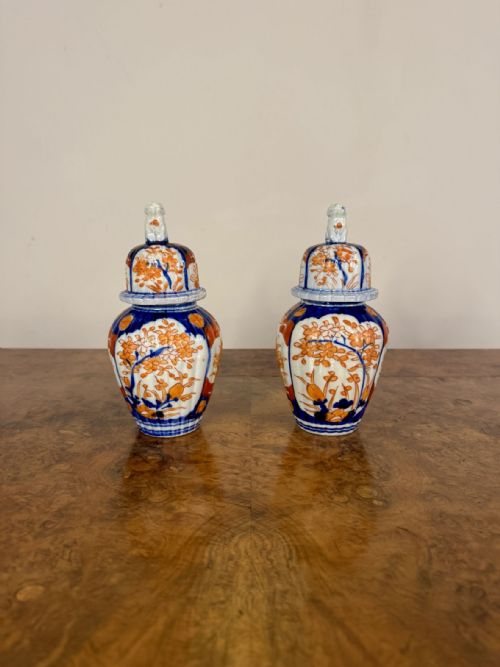
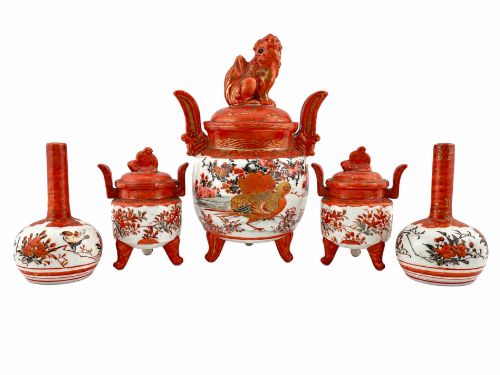
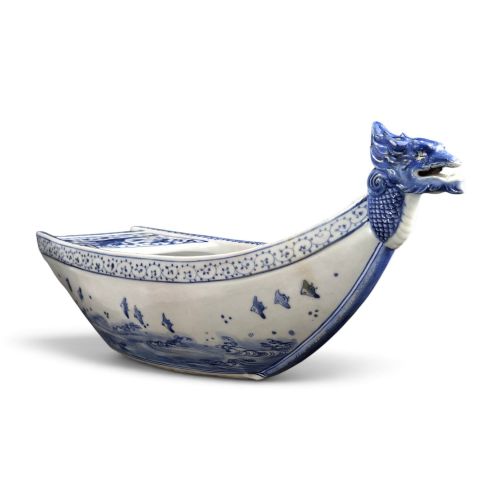
Vases and decorative plates dominate the offerings, often rendered in the robust palettes of Imari and Kutani traditions. Makers also produced sculptural figures, incense burners, and specialised dishes shaped as leaves, fish, and shells.
The objects stem predominantly from the nineteenth and early twentieth centuries, capturing the intersection of traditional craftsmanship and international trade during the Meiji era and surrounding decades.
How they were made
Potters shaped high-fired ceramic bodies on the wheel or pressed them into moulds to create balanced vessels, bowls, and plates. Artisans then applied intricate hand-painted designs using underglaze blue and vibrant overglaze enamel pigments.
Gilt and gold leaf frequently highlight specific motifs, while specialised techniques like moriage build up raised slip decoration to create textured surfaces on Satsuma wares. Kiln firing fixed these pigments and glazes, resulting in durable finishes that withstand centuries of handling.
Meiji Japanese Porcelain Retail Price Guide 2026
Typical asking prices for meiji japanese porcelain among the pieces listed under this phrase on Sellingantiques today, from the lower quarter to the upper quarter. They describe what is for sale here now, not the wider market.
Artisans occasionally shaped functional dishes into playful animal forms, rendering plates as swimming fish, folded leaves, and scalloped seashells.
What varies in quality
Execution of hand-painted detail separates ordinary production from exceptional studio output, particularly in the precision of fine lines and the complexity of subject matter like birds and figures. The richness of the glaze and the purity of the porcelain body also dictate the standing of a piece.
Signed works by recognised makers or distinguished kilns command greater attention, reflecting superior artistic control and refined composition. The crispness of moulded forms and the balanced application of gold leaf further distinguish the upper tier of the range.
Shozo·Takasaka Toemon·Koshida·Chikusai
The Meiji Japanese Porcelain Glossary
- Imari
- A traditional Japanese porcelain style characterised by cobalt blue underglaze and iron red and gold overglaze decoration. Pieces often feature intricate floral and geometric panels.
- Kutani
- A distinct style of Japanese pottery and porcelain known for bold pictorial designs. Iron red and gold are frequently used alongside a wide palette of enamels.
- Satsuma
- Earthenware with a finely cracked ivory glaze, typically decorated with elaborate polychrome enamels and raised gold work. It gained immense popularity for export during the Meiji period.
- Koro
- A traditional Japanese incense burner fitted with a pierced cover. These vessels often rest on decorative feet and feature sculptural finials.
- Moriage
- A ceramic technique where slip is piped onto the surface of a vessel to create raised, beaded, or textured ornamentation. It adds considerable tactile dimension to floral and animal motifs.
Meiji Japanese Porcelain: Frequently Asked Questions
How do I identify Satsuma ware?
Satsuma pieces typically display a characteristic cream-coloured or ivory earthenware body covered in a fine network of crackled glaze. Artisans then painted complex figural or botanical scenes over this surface using dense enamels and gold leaf.
Unlike vitrified porcelain, this ceramic body has a porous structure that absorbs moisture if left unglazed on the base. Most examples from this era were made specifically for export and bear painted or impressed studio marks on the underside.
What is Japanese Imari porcelain?
Imari porcelain refers to wares manufactured in the town of Arita and shipped from the port of Imari for domestic and international markets. The distinct aesthetic relies on a strict colour triad of underglaze cobalt blue, iron red, and added gold leaf.
Designs frequently incorporate segmented panels filled with flowers, landscapes, and exotic birds. These pieces are robust and heavy, originally intended for heavy decorative display in European and American interiors.
How were these large vases used?
Large floor-standing vases and heavy chargers served as grand architectural accents in Victorian and Edwardian drawing rooms. Placed in hallways or flanking fireplaces, they demonstrated worldly taste and the owners' appreciation for global craftsmanship.
Many of these grand vessels remain strictly decorative due to their scale and weight. Later conversions sometimes adapted smaller vases into table lamps while preserving the original ceramic body.
How do I care for antique porcelain?
Antique porcelain and earthenware require gentle handling and stable indoor environments away from direct sunlight. Dust surfaces regularly with a soft, dry brush to prevent particulate buildup on raised enamel or gilt areas.
Avoid using chemical cleaning agents or submerging pieces with crackled glazes in water, as moisture can penetrate the porous clay body. Secure heavier table lamps and tall vessels on stable surfaces to prevent accidental tipping.